
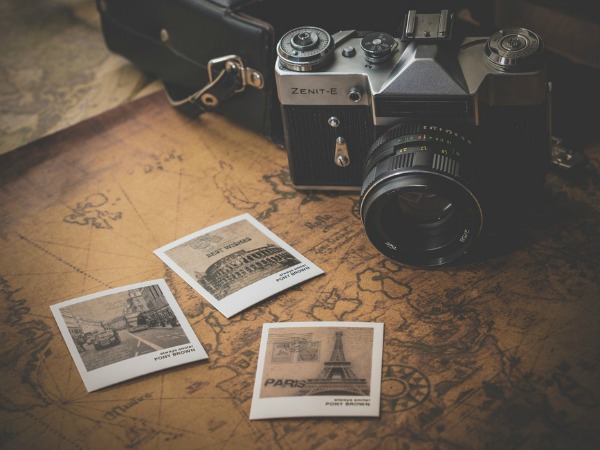
Sentimental items are difficult to declutter. There is no way around it–so many different emotions come up as we see the item, touch it, or smell it. They take us back in time and help us remember.
It’s not wrong to keep items like that. The issue comes when we have a full storage space filled with them.
If these items are stored away, we can’t even take a nice afternoon to reminisce–if we try, we wouldn’t even scratch the surface. That means they’re not even serving their function as sentimental items.
So, what’s the end goal with decluttering sentimental items?
Since the point of keeping these items is to relive memories, we need to be able to access them. So, we need to keep our sentimental items limited to a manageable amount.
We don’t need a lot.
For example: when children are grown and out of the house, it’s bittersweet to see their toys or clothes from when they were little. It only takes one baby outfit to have those memories come flooding back.
We only need one. We don’t need an entire box. Much less multiple boxes.
Many people don’t even need the outfit–if they have a picture of the child in the outfit, that’s enough for them to remember and enjoy those memories.
It’s hard to decide what to keep out of a collection of sentimental items. It helps to gather things into categories: Grandmother’s belongings, vintage clothing, the tea pot collection.
Look over them and pick out the one or two items that you LOVE. The ones that you would grab if you were deciding what to save in a house fire.
It’s okay to let the rest go. Maybe they can serve a purpose in someone else’s life.
If you think about what you would save in case of a house fire… and you realize that you wouldn’t save any of them, then it’s time to let them go.
What you keep and what you let go of is up to you. Many times it’s easy to think: “What would they say if they saw me giving this away?” and we allow that to freeze us in our tracks.
Remember, that you are the one that is living in your home. Your home needs to bring you peace, joy and comfort. Not anyone else. What you allow to stay in your home and be taken care of by you, can only be decided by you.
And the fact is: Your loved ones most likely wouldn’t want you to feel burdened by their memories.
How to let go of sentimental items.
As you sort through your sentimental items, you have to allow yourself to feel and process the emotions that come up.
Giving away baby items means mourning the fact that the child isn’t a baby anymore. You can cry, you can miss that season, and you can remember all of those special moments… and then, you can let them go.
Sorting through the belongings of a passed loved one means grieving the fact that they are no longer with you. You can cry, you can miss them, talk to them, write a letter to them… and then, you can let those items go.
Letting go of these items doesn’t mean you aren’t appreciative of what you had. It doesn’t mean throwing away the memories. Letting go of physical items that you don’t need or use doesn’t mean you’re disregarding the memories or relationships associated with it.
Strategies for sentimental decluttering.
Here are a few strategies that can help you move through these decisions with more ease.
Have a ceremony.
- If you have huge piles of papers from your education or occupation that are no longer needed, have a bonfire and a burn them all. Toast a marshmallow and say goodbye.
- Thank the item for years of service. Thank it for making you smile and for fulfilling its purpose in your life. Send it off to serve a purpose in someone else’s life.
Photograph and journal about it.
- Take a photo of the item and journal all the memories that it brings up. Can you picture Grandma baking coffee cake in her kitchen with that dish? Write about it–write out all the enjoyable memories that come to mind.
- Photograph or scan letters, children’s drawings, or crafts. Label with names, dates, and ages. Store in a file on the computer, or create a photo album with your favorites.
Display it.
- If it’s something you really love, display it. Some things can be put into a shadow box, others can be enjoyed on a shelf. If it makes you smile, why not have it out to enjoy?
- A shelf with an eclectic arrangement of memories can bring joy. If you struggle with making things aesthetically pleasing, ask an artistic friend to help. Even if you don’t keep it the way they arrange it, it may inspire you on how to group things together to be pleasing to your senses.
Here’s an example–I had a fishing rig from my grandfather in a key bowl. I decided to display it more openly by using this little frame that I filled with flora local to where he lived. Now I can appreciate it every time I walk down my hallway, instead of just finding it among the clutter.

Only keep one.
- Keep one thing from a collection. If a great aunt had a huge teacup hoard, but you don’t want to display 57 pieces, just keep your favorite cup and let the rest go.
- Keep one photo from each trip, each event, etc. It only takes one to remember, but we tend to hold on to 20-50+, including duplicates and duds. Keep one, use an acid-free photo pencil to write on the back: the date, names, and anything particular you want to remember about it. Then let the rest go. Digitize, if you absolutely must keep them all.
Decluttering Flow Chart
Use this free flow chart to simplify the decision-making process and speed up decluttering:

This is a really sweet and well-put article. It gently reminds us that it’s the memories, not the items themselves, that we ultimately cherish. And it’s nice to be reminded that we have permission to release those items to their next home. Thank you for this!
Great suggestions. This is definitely something that my parents struggle with a lot more than me. But I feel the sentimental items and closets full of stuff is what keeps many people from ever starting the decluttering process. It can seem so overwhelming emotionally. Love how you’ve broken it down and provided so many thoughtful insights!
xx
Lauren Jade
I have decluttered many sentimental collections in the past but have avoided tackling others. This article provided many practical tips to help me overcome obstacles that have hindered me from beginning the process previously. Thank you!
Sometimes declittering takes time. Set the sentimental items aside and think about it. The shock of giving away something emotionally valuable will fade as you look at that item and think about why you should keep it. Sometimes you have to move all that stuff to a new home to realize that you don’t need it anyway. Then get rid of it when you can’t fit it in anywhere…