

With a mental health disorder like depression, you can’t simply ✨wish✨ yourself out of it. But you can take small steps to create a lifestyle that supports your needs, softens your symptoms, and increases your joy.
The following may be a lot of information to take in at once, especially if you’re currently in a depressive episode.
If this article looks a little long and intimidating, I’ve included a summary at the end, plus a checklist of action items–click here to skip to it. You can always come back later to read what you missed.

We’re going to talk about five main categories to focus on when building a life that accommodates your needs.
1. Self-compassion & self-esteem.
First–realize that this isn’t your fault. There are so many factors that play into mental health issues and mood disorders, genetics being chief among them.
There are many things in life we have no control over. The secret is to recognize what we control and what we don’t.
Many, many people with depression, anxiety, and other mental disorders will fall into this cycle:
Our symptoms start to act up -> We panic or catastrophize those symptoms -> Our panic makes the symptoms worse.
If you can pause at the first step, accept where you’re at, and support yourself without self-judgment or critique, you can greatly lessen that spiral.
Habits you can implement to focus on self-compassion:
Practice gratitude. Stop negative thought spirals by practicing gratitude. Anxiety and gratitude cannot exist simultaneously. If you’re feeling down or overwhelmed, take a minute to list a few things you’re grateful for. It’s a quick and easy way to shift your mindset.
Get in a morning pep talk, or slap your reflection a high-five. Seriously. Our brains are already wired to associate a high-five with collaboration and friendliness–that means high-fiving yourself will trigger those feelings. It’s effortless, effective, and takes no time at all. It’s an easy way to remind yourself that you’re on your own team! Here’s a detailed breakdown of why this works:
Practice mindfulness. Most of us tend to fill our attention and time with stimulation. Podcasts, music, scrolling, TV, overeating, alcohol, marijuana, etc… While these things might make us feel “better” in the short-term, we’re doing long-term damage–to our attention spans, dopamine reserves, circadian rhythm and other natural cycles, discomfort tolerance, and mental health. Seek silence in your day. Mindfulness can start as simply as having one screen-free meal each day. Take the time to focus on what you’re doing without extra distractions. Notice how you feel afterwards.
Say something kind to someone else. Studies show that expressing kindness and gratitude to others is an instant mood boost, and can even make us think of ourselves more kindly.
Talk to yourself like a friend. Our internal dialogue dictates our feelings and actions throughout the day. How you talk to yourself truly matters. If you say something to yourself that you would never say to a friend, reconsider it. Why would you treat yourself worse than others? You’re your own closest friend, forever–act like it!
Accept where you are right now. This was crucial for me. When I’d find myself in a depression spiral, I would beat myself up about it. I’d feel worse and worse about it, basically stressing out about stressing out. But I learned to sit with those feelings, and accept them, and what do you know? They passed much quicker than they did when I was fighting them!
The first step to healing is often acceptance.

2. Systemize.
Depression makes it difficult to perform daily tasks. Even simple things seem absolutely overwhelming. It’s normal for your house, relationships, career or education, and even hygiene to suffer during depressive episodes.
To help ourselves keep on top of the basics and stop from accumulating extra problems–like pests in the bedroom, damaged relationships, cavities and gum disease, and worse overall physical well being–we can create systems that make basic functioning easier.
The best time to create such systems is when you’re feeling a little better and have some energy, but sometimes we need the systems to get to that better place to begin with.
If you’re trying to shovel yourself out of a depressive episode right now, I want you to take things slow. Focus on one area at a time.
Here are examples of how you might tweak different aspects of your life to help with maintenance and sustainability.
Clothes and laundry.
Try a uniform. Something comfy that you can sleep in, but that you’d also be okay leaving the house wearing. Getting dressed in the morning can make us feel productive and positive, giving us a brighter start to the day. Even if you’re just changing from yesterday’s uniform into today’s identical uniform, you will feel fresher and more optimistic than you would if you just rotted in your old clothes.
This allows you to maintain some hygiene without the decision fatigue and energy sink of putting together an outfit.
Another benefit is that you can wash all of your clothing items together.
Instead of throwing your clothes onto the floor, try bringing dirty items right to the washing machine, using the machine as your hamper. This helps to keep your house tidier and makes laundry less overwhelming. You’re also cutting out that extra step of bringing a heavy load of clothes from the hamper to the washroom–the fewer steps between beginning and completing a task, the more likely we are to do it.
To sum-up: Invest in one weeks’ worth of uniforms, use your washing machine as a hamper, and only wash one load of clothes per week.
Uniform ideas for depression.
I’ve tried to do most of the work for you, since I know how hard it is to shop, weigh options, and make decisions with depression.
The following are ethically sourced, fairly priced items in various styles. If the prices aren’t manageable for you, I suggest:
- Only buy 2 sets–at least for now. While wearing one, hang the other set up to air out. Wear each set 2-4 times, then wash them. This is a major improvement on staying in the same clothes for days at a time.
- Shop secondhand. You might hop to your local thrift store when you have some energy, ask a thrift-savvy friend to keep an eye out for your size and style, or use an online shopping option like ThredUp. In fact, here’s a link to get you 45% off your first ThredUp order + free shipping! Click here to activate.
That said, here are my favorite finds that I think might work for you.
This 100% European Linen Set from Quince comes in three color options and works for cuddling up for the day or running some errands.

This linen short set is also great for sleeping or popping out of the house. It’s lightweight to keep you cool and avoid overstimulation. Plus? Pockets.

If you prefer more texture, this is another lightweight linen short set, crocheted with five color options:

And here’s the same set with long pants:

I tend to run hot, so I prefer tanks and shorts. This nile rib tank from Kotn is affordable, comfy, and can work well with any set of bottoms:

Meal planning and nourishment.
Nutrition is easily the most complicated thing about being alive. If you hate meal prepping, grocery shopping, or even thinking about food–I hear ya! When you struggle to have energy for decision-making, meals are a lot–three meals, every single day, each with a bunch of mini-decisions within it… It’s honestly easier to skip eating. Which a lot of us do, when we’re doing poorly. And of course, that makes us feel even worse. So let’s talk solutions.
There are many options for meal replacement shakes, but my favorite is Huel. I drink two servings every day (of Huel black edition–complete meal with extra protein), and it gives me peace of mind that I’m giving my body what it needs, even while I’m operating on autopilot.
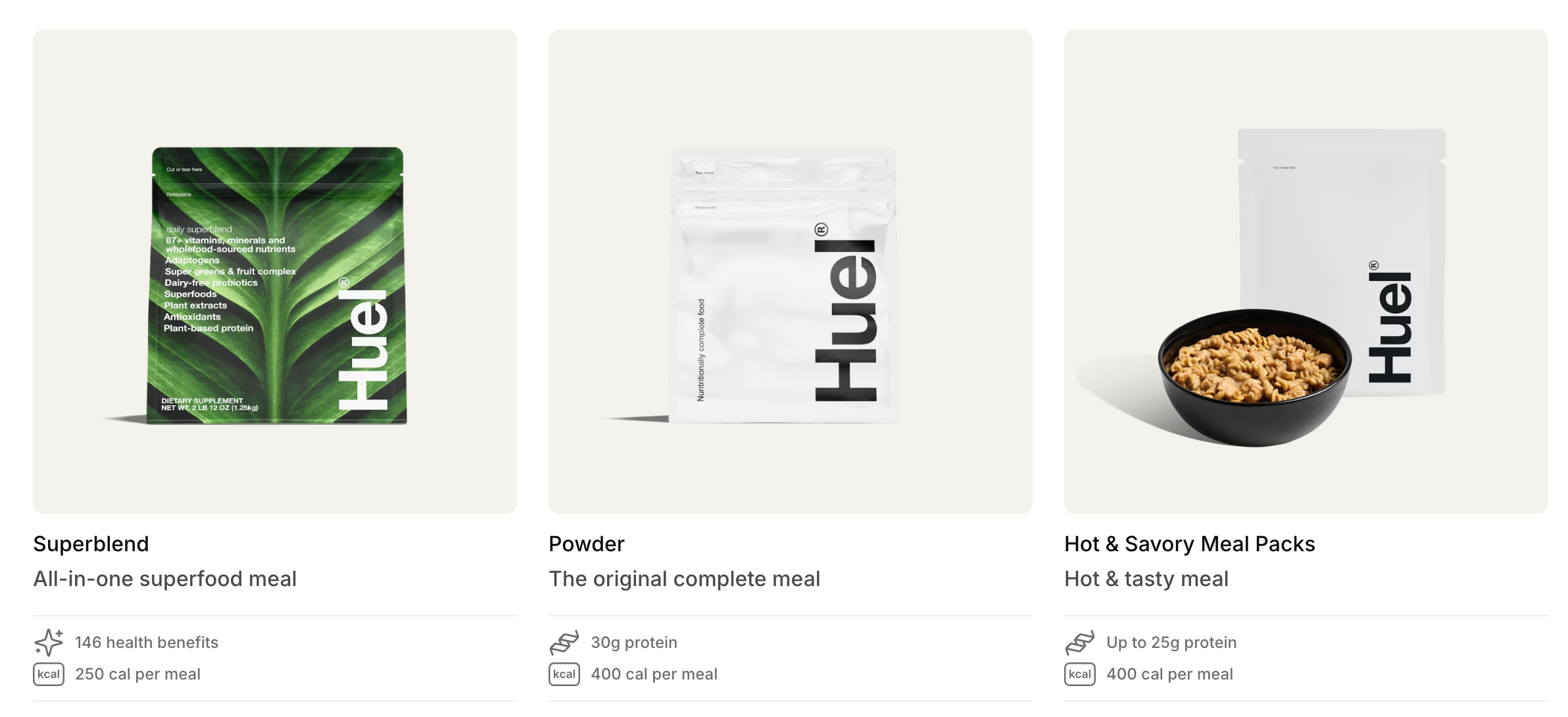
If you’re gluten-free, vegetarian, or vegan, Huel has you covered. But if the idea of a meal shake repulses you, Huel also offers meal options, like their hot and savory meal packs.
The most affordable option is Essential Huel–it comes out to $1.52 per meal. With current grocery prices, this is an incredible deal, plus it’s nutritionally balanced without all the thinking.
When you’re in a depressive episode, it’s so important to stay nourished, but it’s also the most difficult time to do so! Having an easy meal plan like this can stop you from falling into another cycle of the symptoms creating more symptoms.
Huel also delivers right to your door, and a subscription saves you even more money. It’s the most effortless and effective solution I’ve found for myself.
And you can use this link to get $20 off your first order.
Career/school.
If you’re managing a job, education, or both–my condolences. With depression, these things can seem impossible. Here are a few of my best tips for managing work while prioritizing self-care and healing.
Timing. If you’re a person that just sits down to work for an indeterminate amount of time, I recommend tweaking your system. It’s much easier to focus for set amounts of time with breaks between. I use an hour and twenty minutes on, then half an hour off. This is the timing that works best for me–and it’s varied over the years.
When I’m doing quite poorly, I’ll do 20-minute work sessions with however long of a break I may need between.
Your ability to focus and create will vary day-to-day, especially with depression. The best way to get a feel of your ideal work-session-to-break timing is to experiment until you find what feels good.
Become efficient. The quality of work matters more than the time you spend working. Try to single-task and eliminate distractions when you’re working, focus on the most important tasks, and work for less time, if possible.
Use visual systems. Don’t rely on your own memory to manage deadlines and projects. Write everything down, keep an orderly system, and put important dates and information somewhere visible for easy reference and reminders.
Movement breaks. Get up and move frequently, ideally every half hour. The movement can be simple–a few minutes of stretching, yoga, or functional exercises. This prevents strain and injuries, keeps you alert, and increases contentment and calmness.
Home maintenance routine.
Another routine to consider is upkeeping your space. Whether you’re responsible for an entire household or just your bedroom/bathroom, creating a routine to manage the quality of your living space is very impactful on your mental health.
That said, chores and cleanliness are often a source of strife and shame for those struggling with depression. Don’t get so worried about it that it negatively affects you or makes you feel ashamed. The purpose of home upkeep is to help you heal more effectively–chores are not a moral issue.
Here are a few easy routines you might consider adding to your day. Please don’t push yourself too hard! Start with one thing and work at it until it’s implemented as a habit, then you can move on to add something new as it feels right to do so.
Make your bed. Even if you’re getting back into bed right after, try making it and laying on top of your comforter or quilt with a small throw blanket. This allows you to continue to rest, but it gives a mental shift between sleep time and wake time.
Do a kitchen haul. If you don’t have it in you to do the dishes, that’s okay. Just collect the dishes and trash from your area (usually bedroom or couch) and bring it all to the kitchen. When we don’t have the strength or energy to actually clean, it majorly helps just to get that stuff out of your immediate space.
Clear a surface. Try to clean off one surface per day. Again, it’s most effective to focus on your frequently used areas, like your nightstand, desk, coffee table. If this sounds too overwhelming, just try to clear 5 items from that surface.
2-minute reset routines. When I’m doing poorly, I can usually manage to clean each room for 2 minutes per day. I set a timer and pick up as much as I can from each room. If you can’t do every room in your house, that’s okay! Just do your most frequented room.
Open the curtains and windows. Just getting some sunlight and fresh air into the space can be enough to air it out and lift your mood. If you do nothing else in the morning, opening your curtains is incredibly impactful for not very much energy cost.
Work toward decluttering your home. With less stuff, there’s less to think about, less to clean, and less to manage. I know decluttering is a massive undertaking! Don’t try to do it all at once. I have a few things that can help you out here:
- Decluttering With Depression. This is a self-paced guide that helps you declutter your mind as you declutter your home. If you’ve struggled with decluttering in the past due to depression, this might be the solution you’re looking for.
- Ten Minutes To Minimalism. This is a weekly newsletter that provides ten-minute decluttering missions, guiding questions, and relevant tips. It eliminates the need to strategize, the decision fatigue, and the overwhelm. I’ll tell you exactly what to do and when. You just work on a specific area for ten minutes, then you’re done. This is much more manageable for someone in a depressive episode, and I highly recommend trying it out! Cancel anytime.

3. Simplify.
Let’s clear up as much time, space, and energy as we can so we can commit everything leftover to healing.
Simplify your calendar.
Are you over-committed? Often, depressed people push through and come off as “high-functioning”. High-functioning might sound like a good thing, but it usually leads to burnout. And burnout can take months or years to recover from.
So, even if you’re technically able to manage a busy routine right now, consider the long-term effects and think about simplifying things.
Here are a few questions to ask yourself when evaluating your commitments:
- Do I genuinely want to do this?
- Am I only agreeing to this because of habit or obligation?
- Does this bring joy or other benefit to my life?
- Am I doing this for me, or for someone else? Am I responsible for that other person? (If the other person isn’t your child, the answer is likely “no”.)
Trim your schedule down to the bare minimum. This doesn’t have to be forever–we just want things to be as calm and simple as possible while we heal.
Simplify your home.
Think of ways you can simplify your home. We already talked about decluttering, and I really encourage you to consider taking that step.
In addition to decluttering and cleaning routines, what about your other household responsibilities? Plants? Animals? Children?
For plants, consider rehoming your least favorites, or combining plants with similar care needs into fewer containers.
For animals, think about ways to simplify their care and routine. We have a minimalist dog care guide here. Consider auto-feeders, water fountains, treat puzzles, and other interactive toys that can help keep your pet busy with minimal effort.
In more extreme situations, rehoming a pet might be the best course of action for both you and the animal. I know that’s a tough decision, but taking care of yourself is the first priority. When we have other living beings depending on us, it’s difficult to prioritize our own healing, which results in a worse quality of life for everyone involved.
For kids, consider rehoming–just kidding. But what about daycare, a day a week with a grandparent, or another option that gives you a break?
Simplify your routines.
You may be pushing yourself to accomplish everything you’d like done around the house and in your day… But do you NEED to be doing all of those things?
Even if you’re technically managing it all, pushing yourself too hard during a depressive episode can lead to burnout, anxiety, increased symptoms of depression, and something called functional freeze–a defensive survival reaction where a person shuts down internally, while outwardly appearing “functional”.
So consider the things you do in your day. Can you cut back on some of it? Ask yourself what is actually required for your wellbeing and the wellbeing of those in your care.

4. Track depression symptoms.
One way to take care of yourself is to determine what you actually need. The best way to do this is by tracking your symptoms and other factors. Here’s an example of what you might track.
Symptoms and factors to track:
- How do I feel today?
- How was my sleep quality?
- How many hours did I sleep?
- Did I eat well/enough?
- Did I get time outside?
- What recurring negative thoughts did I have?
- Did I meditate?
- What substances did I use/how much/when?
- Did I socialize?
I recommend assigning trackable units to these questions, like a simple “yes” or “no,” or a 1-5 number scale. This will make it easier to review your data and make an assessment.
Remember: If you fail to track your original list of things, simplify it down to the most impactful items. Tracking 2 or 3 factors is better than tracking none.
Having more information about what helps and what hurts (and what doesn’t really affect you) will simplify your healing plan.

5. Focus on self-care.
No one knows what you need better than you know. Every individual is the most equipped person to take care of themselves, and it’s important that we take that responsibility seriously, especially during a depressive episode.
Here are the main categories of self-care to consider.
Physical health.
It can be so difficult to look inward and heal those mental and emotional wounds. It can be much less intimidating to focus on our physical being first.
What lifestyle changes can you implement to improve your physical wellness?
- Hydrate–drink enough water and consume proper electrolytes. To simplify this, grab an electrolyte powder like LMNT. A good hydration powder can be pricy, so if you feel you have the energy and desire to make your own, LMNT actually has a recipe to make your own: Hydration powder recipe. I use their base recipe and add watermelon powder for flavor.
- Nourishment–try to get protein, fiber, and vitamins in your diet. Huel is the easiest way I’ve found to do that.
- Movement–get some kind of physical movement in every day, even if it’s just a slow walk around your yard.
- Sunshine–most Americans have a vitamin D deficiency, which can lead to depression among other health issues. We need sunlight to live, so try to get at least 20 minutes each morning. This also improves your circadian rhythm and other aspects necessary for restful sleep.
- Sleep–sleep can be difficult for individuals with depression. If you struggle to get enough rest, try going no-screens for at least half an hour (ideally, a full hour) before sleep and after waking. Use something like this body scan meditation to relax and fall asleep. Here’s a YouTube version, if you don’t use Spotify. There are tons of guided meditations on most media platforms, so find one that works best for you!
Mental and emotional wellness.
Keeping care of your mental health and emotional wellness can be as impactful as your physical health. Let’s talk about simple strategies to improve your routines in this area.
Cognitive behavioral therapy. Talk therapy can do a lot to help heal emotional wounds that might be contributing to your depression. A therapist can help you cope with everyday life, discover biological factors that may be affecting you, and find the best treatment for you. (Try to find a therapist that has experience in EMDR, if you think you have trauma to process–EMDR is a simple, non-invasive process that is helpful for many individuals.)
Antidepressant medication. Sometimes medication is the only way to treat and prevent many forms of depression. Certain medications might make you feel worse at first, which can be incredibly frustrating, but keep in mind that nearly everyone has to do some experimentation with medications and dosages before finding the right combination that works for their body.
Monitor recreational drugs and alcohol usage. It’s becoming more common for doctors to prescribe THC to manage anxiety. Users also self-medicate their anxiety with positive results. Anxiety and depression often come hand-in-hand–and we have data to suggest that long-term use of cannabis may contribute to depressive symptoms.
So while it often alleviates discomfort in the moment, it may contribute to worse symptoms down the road. Please monitor usage carefully, as it could lead to worse symptoms, long-term issues, and even suicide attempts.
Alcohol–another common form of self-medicating–is almost guaranteed to make your depression worse, without any hope of medicinal benefits. Ideally, you should avoid alcohol entirely.
Journaling. Journaling is a free and accessible resource we can all use to confront recurrent thoughts, process our feelings, reduce stress, and improve our mood. If journaling is intimidating to you, just try answering these three questions:
- How am I feeling today?
- Why do I feel that way?
- What can I do tomorrow to take better care of myself?
Meditation. If you’re not accustomed to meditation, it can be uncomfortable to try. I promise it gets easier, and you’ll see more benefits the longer you do it. An accessible entry point to meditation would be a body scan as you fall asleep, like the ones we linked above.
Reaching out for help.
Social support is so important, especially when recovering from a depressive episode. If you don’t have a strong network of people around you, try to reach out and rekindle some of those faded connections. I recommend making a short list of people to prioritize, because maintaining social relationships can be quite draining. Ideally, aim for people you’re close to, or used to be–family members, close friends, significant others, or caring folks geographically close to you.

Summary of how to pull yourself from a low mood or depressive episode + Actionable Checklist
Okay, we’ve covered a lot in this post. As promised, here’s our condensed summary, including resources and discount links.
Self-compassion and self-esteem.
Learning to be kind to ourselves, and to forgive ourselves for our shortcomings, is the first step to living a healthier life and minimizing the effects of mental illness. Consider the following:
- Stop negative thought spirals by practicing gratitude. Anxiety and gratitude cannot exist simultaneously.
- A morning pep talk. Slap a high-five. Here’s a great breakdown about why high-fiving the mirror can massively boost your mood. Self-care can really start that simply.
- Practice mindfulness. Most of us spend our time stuffing our attention with stimulation. While distractions might make us feel “better” in the short-term, we’re doing long-term damage–to our attention spans, dopamine reserves, circadian rhythm and other natural cycles, discomfort tolerance, and mental health. Seek silence and mindfulness in your day.
- Say something kind to someone else. Studies show that expressing kindness and gratitude to others is an instant mood boost, and can even make us think of ourselves more kindly.
- Talk to yourself like a friend. Our internal dialogue dictates our feelings and actions throughout the day. How you talk to yourself truly matters. If you say something to yourself that you would never say to a friend, reconsider it.
Systemize.
Create systems to make your day as seamless and effortless as possible. A little planning ahead of time can greatly reduce your daily mental and energetic output.
- Uniform–buy several of the same comfortable, functional outfit. Toss in washer after wearing, then run washer once a week.
- ThredUp discount link–for online thrift shopping.
- Check outfit recommendations above, “Uniforms for depression.“
- Create a meal plan–meal prep or use a meal shake to simplify nourishment and keep yourself fed with low effort.
- Huel (my meal shake of choice)–discount here.
- Depression snack ideas list.
- Career/school–optimize your work sessions for efficiency, and work as little as possible. Incorporate frequent breaks and work with a timer.
- Home maintenance—
Simplify.
Simplify as much as possible to conserve energy for healing and self-care.
- Calendar–reduce your obligations to the bare minimum. This doesn’t have to be permanent, but reducing your responsibilities can help you heal right now.
- Simplify your home–along with decluttering, consider the routines you do to upkeep your home. Consider: rehoming or consolidating plants, automating responsibilities, and temporarily outsourcing child and pet care.
- Simplify your routines–what unnecessary things are you doing? Where can you cut back to prioritize energy management?
Track depression symptoms.
Tracking your daily activities and symptoms can help you pinpoint what makes your depression symptoms worse, and what improves them.
Things you might track:
- How do I feel today?
- How was my sleep quality?
- How many hours did I sleep?
- Did I eat well/enough?
- Did I get time outside?
- What recurring negative thoughts did I have?
- Did I meditate?
- What substances did I use/how much/when?
- Did I socialize?
Use measurable answers–such as yes/no or 1-5 rating scales. This makes it easier to compare data overtime and make accurate assessments.
Focus on self-care.
Prioritizing self-care is often the most impactful lifestyle shift we can make to treat depressive symptoms.
- Hydrate–drink enough water and consume proper electrolytes. To simplify this, grab a hydration powder like LMNT. A good hydration powder can be pricy, so if you feel you have the energy and desire to make your own hydration powder, LMNT actually has a recipe to make your own: Hydration powder recipe.
- Nourishment–try to get protein and vitamins in your diet. Huel is an incredibly easy way to do that.
- Movement–get some kind of physical movement in every day, even if it’s just a slow walk around your yard.
- Sunshine–most Americans have a vitamin D deficiency. We need sunlight to live, so try to get at least 20 minutes each morning. This also improves your circadian rhythm and other aspects necessary for restful sleep.
- Sleep–sleep can be quite achievable with just a few lifestyle changes. If you struggle to get enough rest, try going no-screens for half an hour before sleep and after waking. Use something like this body scan meditation to fall asleep.
Mental and emotional wellness are also crucial. Consider:
- Cognitive behavioral therapy and/or EMDR.
- Antidepressant medication.
- Monitor recreational drugs and alcohol usage.
- Journaling. If journaling is intimidating to you, just try answering these three questions every day:
- How am I feeling today?
- Why do I feel that way?
- What can I do tomorrow to take better care of myself?
- Meditation. An accessible entry point to meditation would be a body scan as you fall asleep, like the one linked above.
Prioritize social connections that nourish you. It’s important to have people that will check in and touch base with you. Depression notoriously fosters isolation, and it’s important to fight that urge to burrow and hide from the world. Choose 1-3 of the most important people and expend the effort to keep strong connections with them, even when you feel depressed.
The Depressive Episode Checklist
And here’s the checklist version of our actionable steps: DEPRESSION CHECKLIST. No signup necessary, because I want as few barriers as possible between you and your next step.

Simplify your home with effortless decluttering assignments.
To reiterate our most helpful offering for decluttering with depression and simplifying your daily life, check out Ten Minutes To Minimalism–a weekly delivery of ten-minute decluttering assignments to reduce overwhelm and hold your hand through the difficult task for decluttering and simplifying your home.

You’ve got this.
