

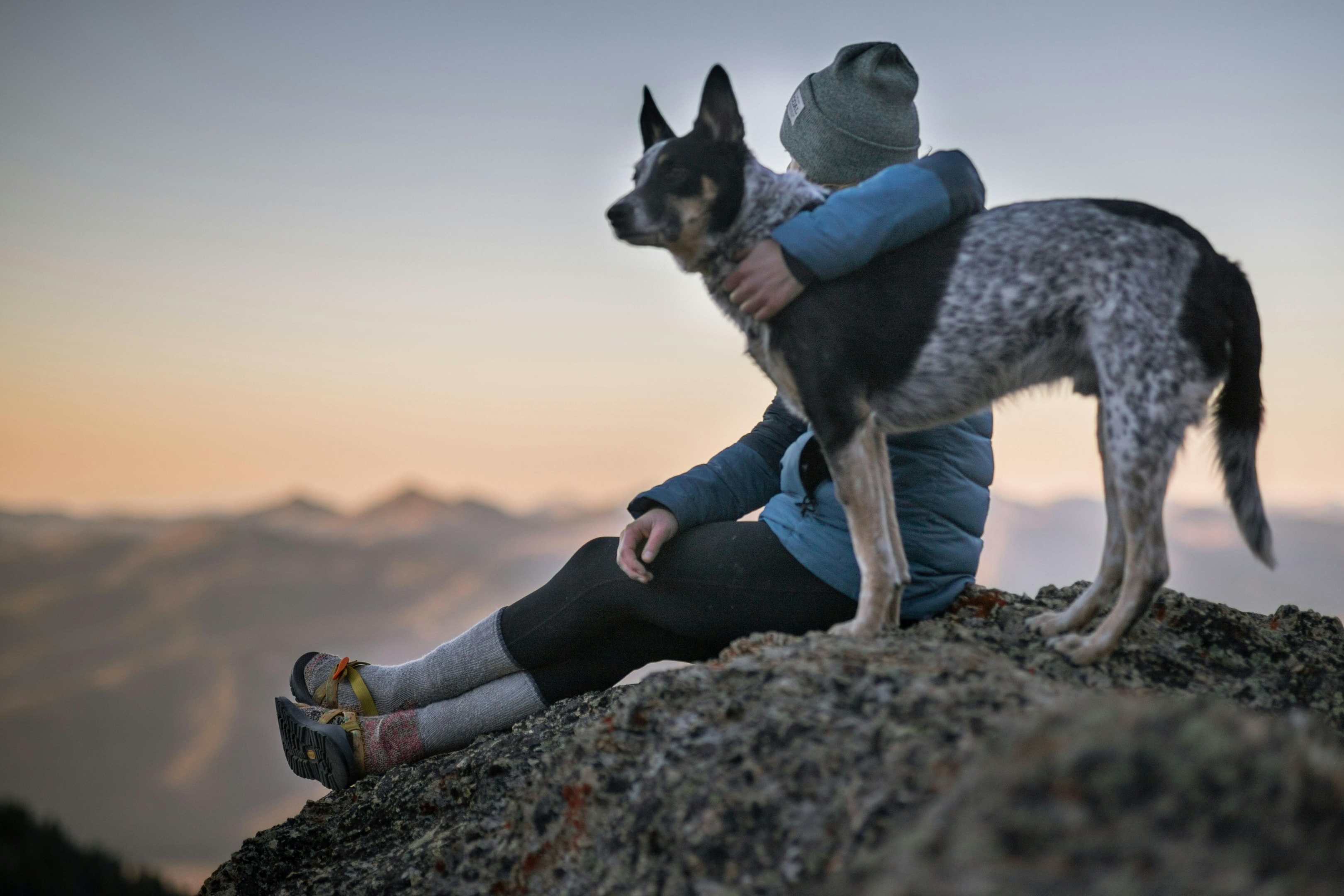
Let’s talk puppies! Many of us would love to pursue or maintain our minimalist approach to life without depriving our furry best friends of the best care we can give them.
So let’s talk pet care for dogs–food, furniture, treats, and routines–that can fit in perfectly with minimalism and intentional living.
A minimalist approach to your furry friends.
Let’s talk about ways we can ensure our doggies are getting the best care without over-complicating things or spending an absurd amount.
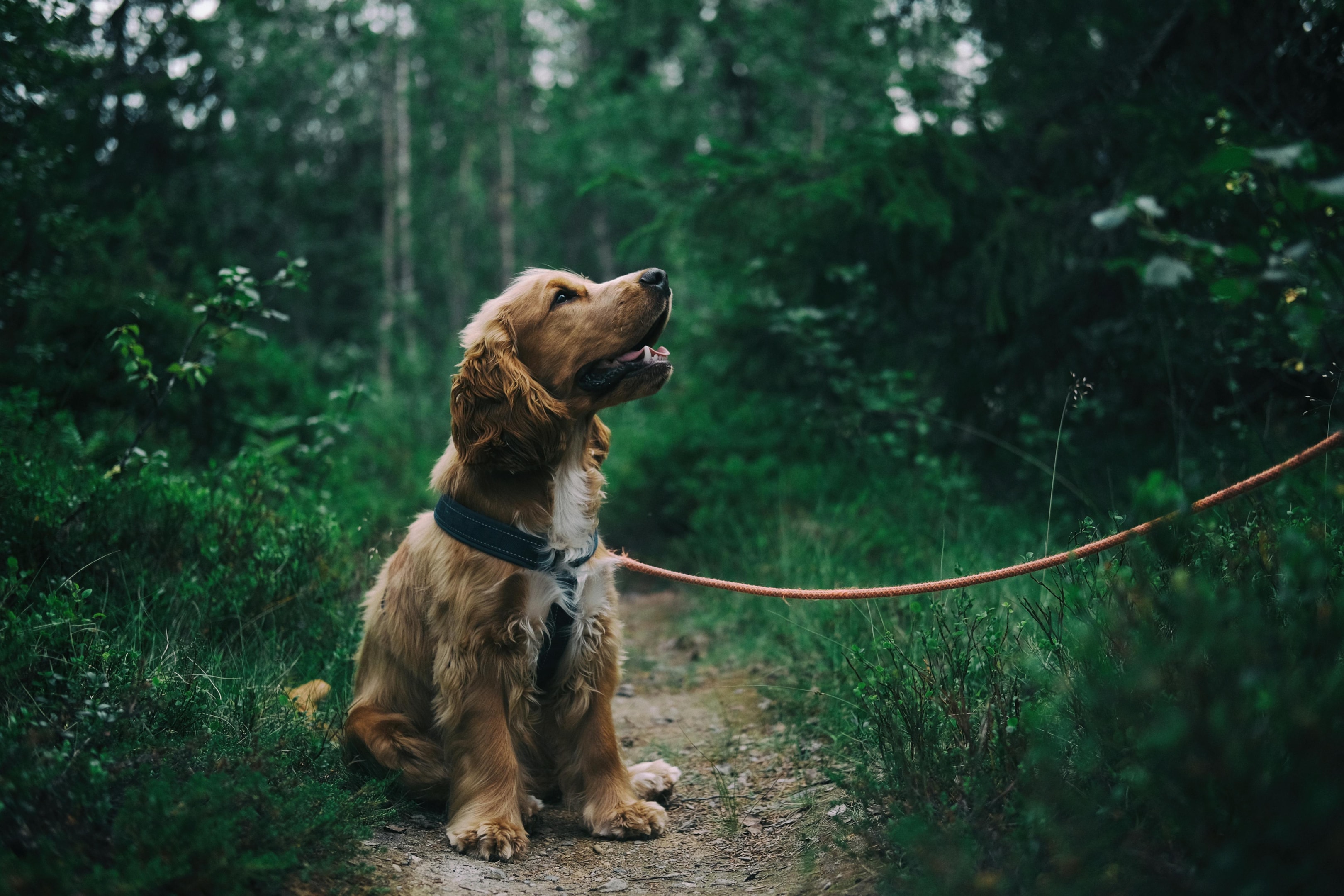
Simple & sleek pet furniture.
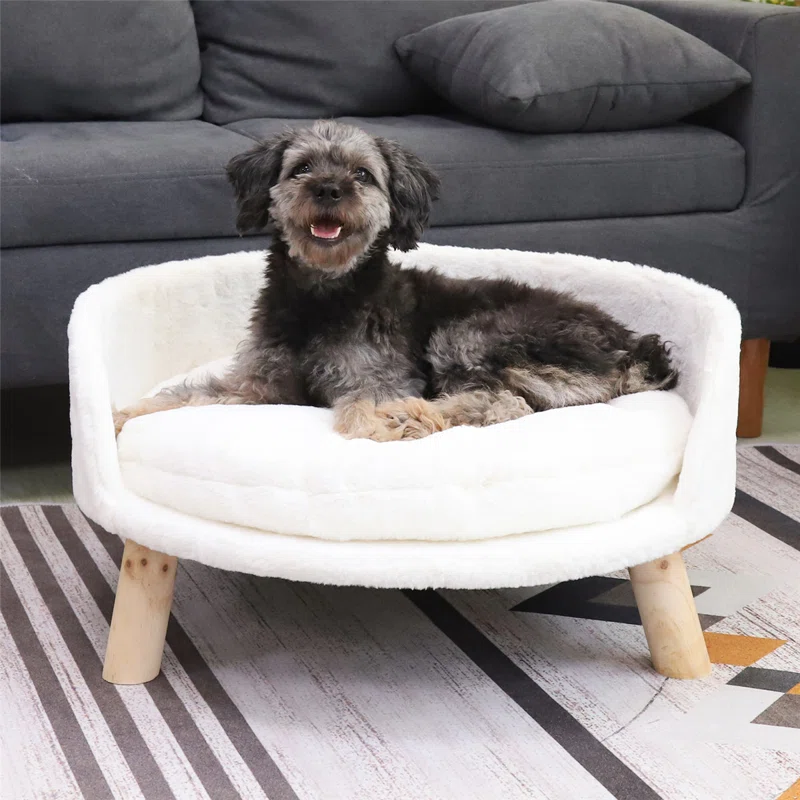
Pet furniture can be super simple. For dogs, even if they’re not crate-trained, you’ll want to give them a “cave” to retreat to.
I know this isn’t very minimalist, but it works best for my dog–we have a bed in every room of the house for my senior dog to rest in. She likes to follow me around the house, and if I don’t have a nap spot for her, she’ll just stand there and stare at me–unblinking, unrelenting. So it’s best for us to have a bed in each room.
Maybe your dog is a couch-lounger and has no need for puppy beds. That works, too!
The important thing is that they have a safe space to retreat to. Ideally, you never reach into it or disturb them while they’re there, especially if you have a pet who had previous owners. It’s hard to know what kind of trauma they endured, and knowing that they have a safe place that everyone “can’t” reach into provides a lot of peace of mind for them.
Here’s a beautiful dog kennel that will fit right in with your minimalist decor.
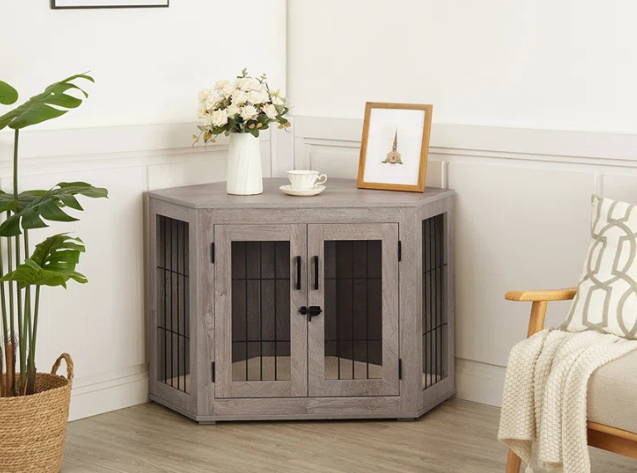
It’s important to fit your kennel to your dog. If it’s too big, it won’t function properly as a cave and resting place. If it’s too small, that’s obviously a comfort issue.
A good rule of thumb is: Your dog should be able to lie down without touching the sides and have JUST enough space to stand up. Any bigger than that, and you’ll run into issues like anxiety and accidents in the kennel (if it’s too big, they have the space to feel comfortable pottying in there without messing up their sleeping spot).
If you don’t kennel train your dog, that’s perfectly okay! It’s not for all families or all dogs. You can still buy a subtle, adorable option that isn’t an eyesore.
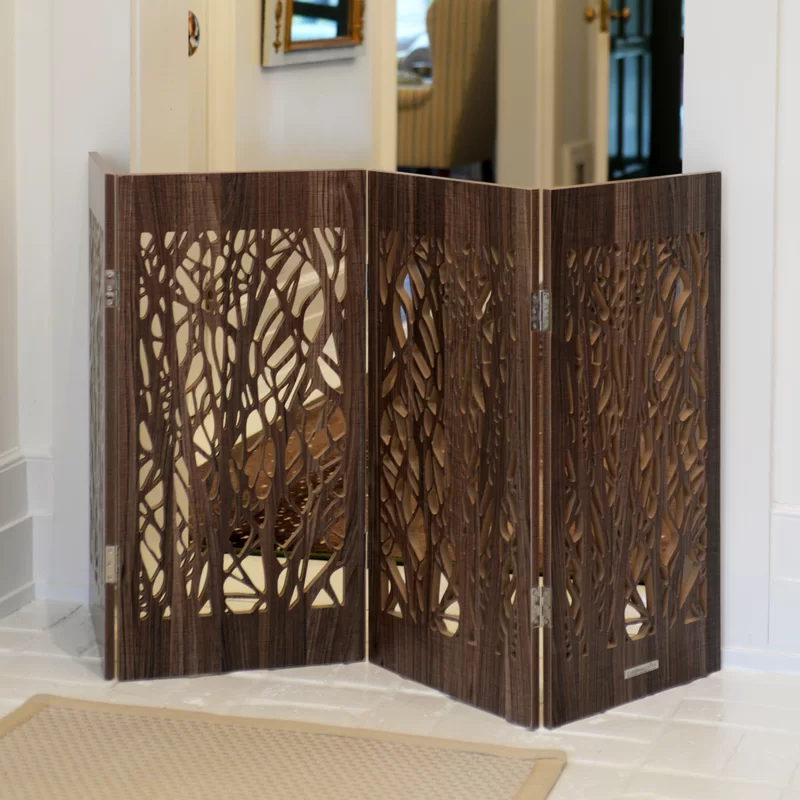
Not even your dog gates need to be ugly! Look at this adorable standing pet gate with an intricate branch design.
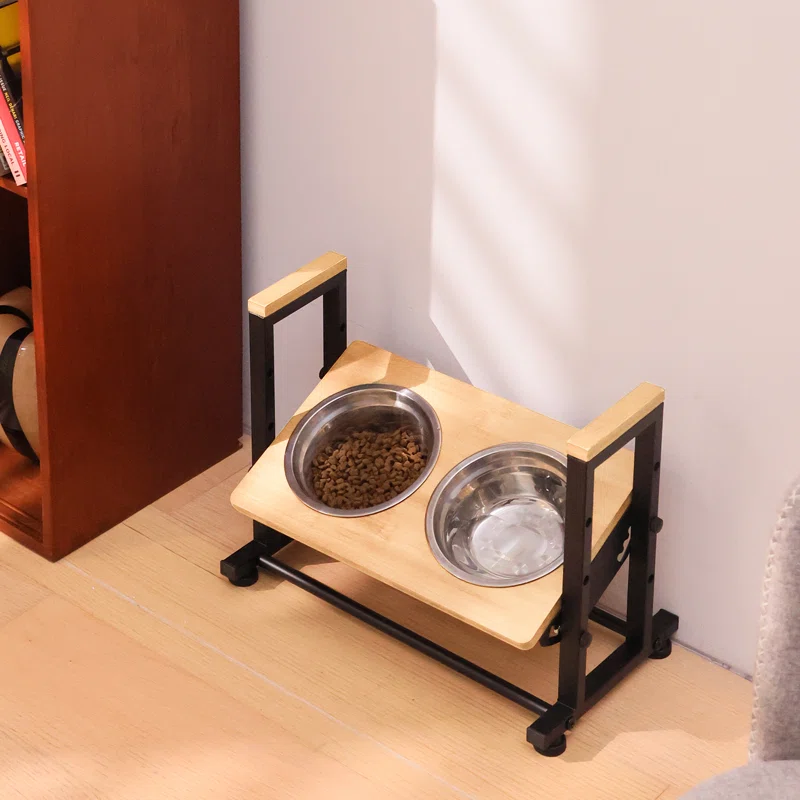
Pet owners are becoming more aware of ergonomics for their dogs. Equipment like a lifted food holder can keep your dogs healthier longer, avoiding the neck cricks, arthritis, and strain injuries that are common later in life.
I recommend this anti-skid elevated feeder. It’s not an eyesore, and it can adjust and grow with your dog, meaning you never need to buy it again.
Healthy and simple dog food.
Dog food can be SUCH a stressful thing to think about. We all want the best for our pets, but how do we know what that is?
So many dog food scams suck money out of people’s pockets without giving healthy food options in return. Fillers, preservatives, and non-nutritional food are such common problems in pet products.
Here’s a simple way you can be sure your dog is at least getting proper nutrients–check the ingredients on the bag. The ingredients listed first are the most prevalent. Dogs need meat. If the first three ingredients contain fillers like corn, rather than meat, skip it.
If you decide to make your own dog food, I highly caution you to do your research. LOTS of research. There are many micronutrients that are VITAL to a dog’s diet, and it’s very easy to accidentally miss something.
To start out, try supplementing your dog’s food with toppers, salmon oil, eggs, etc., as you start to familiarize yourself with the necessary items. Any little things we can do to make our furry friends live healthier, happier lives is a good investment of our time.
Now, if you’d like to find that sweet spot between the healthiest, most convenient, and most affordable pet food option, I do have a recommendation–Pure Pet Food. It’s customized, simple to store, healthy and natural dog food. You fill out a short survey about your dog and their preferences, then receive shelf-stable food powder you rehydrate before feeding.
The makers of Pure Pet Food are so confident, that they’re often spotted eating the dog food themselves at presentations–not kidding.
Check it out: Pure Pet Food.
A healthy, happy dog routine.
Gee, Mia–even though these suggestions are minimalist and practical, I really don’t want to spend any money right now.
Heard, chef. Here’s how you can improve your doggy’s life without spending a dime.
It’s all in their routine. I’ve worked with a lot of pets and owners in various pet-centric industries, and the discrepancies between how much time, effort, and intention people put into their dogs is quite large.
Some owners think about every minute of their dog’s day, to ensure they’re happy, enriched, and thriving.
Others see pets more like accessories, where they’re perfectly fine leaving them home alone all day without as much as a peanut butter Kong.
We all have different amounts of time and resources to put toward our pets, but we can all put THOUGHT into caring for them to do what we can to give them a happy life.
Here’s the basic structure of what an average, healthy dog’s day might look like.
Note: Each dog’s needs will vary as well, based on breed, personality, age, health, and training.
Simple morning dog routine.
An early morning walk is great for you and your dog. 15 to 30 minutes around the neighborhood ensures they get a thorough bathroom break, some exercise, sunshine, and some sniff enrichment. Same goes for you! Except for the bathroom break, hopefully, but you do you.
Breakfast.
Brief training or play session. This can just be 5 to 10 minutes of training drills, tug-o-war, fetch, or whatever your dog enjoys. They love your attention, and it doesn’t take much to make sure they feel loved.
When I leave my dog alone to get a few hours of work in after our morning routine, I’ll leave her with a treat puzzle to occupy a little time and exercise her sniffing skills. After that, she typically puts herself down for a mid-morning nap.
Simple midday dog routine.
It’s probably time for another good potty break!
Again, if you can take them on a brief walk, that’s fantastic. Otherwise, let them out into the yard to do their business, and ideally have a short interactive play session or some kind of mentally stimulating activity.
Simple evening dog routine.
In the evening, it’s nice to take a longer walk (30 to 45 minutes) or get some kind of vigorous exercise in with your doggy. This is crucial to maintain their health and fitness, and it’s a great excuse to make sure you’re getting enough time outside, too!
Dinner.
Social time with family. This can be cuddling on the couch, if you’d like! It’s nice to include dogs where we can in our regular routines.
Training session or enrichment activity. Some activity in the evening will help your dog wear out and get ready for bed.

Simple dog bedtime routine.
Final potty break.
Calm down period. Don’t ask your dog to go from wild playing to sleep within a 20-minute span of time–it’s just not gonna happen. Allow the last hour or two before bed to be calming and unexciting to help you both fall asleep easier.
Consistent bedtime in their designated sleeping area. Whether that’s your bed (no judgment), a kennel, or a piece of puppy furniture, a consistent bedtime and sleeping arrangement helps dogs to feel regulated and comfortable.
Weekly considerations.
Weekly routines usually include a grooming session–brushing, nail check, ear cleaning, teeth brushing, etc.
You might do a toy rotation so they stay excited about the things they have to play with (without your needing to constantly buy new toys).
Socialization is also an important opportunity for dogs. Ideally, you can set up playdates with your friends’ dogs, as dog parks can be a bit dangerous. But with proper supervision and the right kind of personality in your dog, a dog park can work, too!
It’s nice to introduce a new training challenge or some type of environmental enrichment to keep things engaging for them.
Remember–you are your dog’s whole life. They spend all their time thinking about you, waiting for your attention, and loving you with their whole little hearts. Let’s take the time and consideration to make sure we’re doing right by them.
Simple pet grooming.
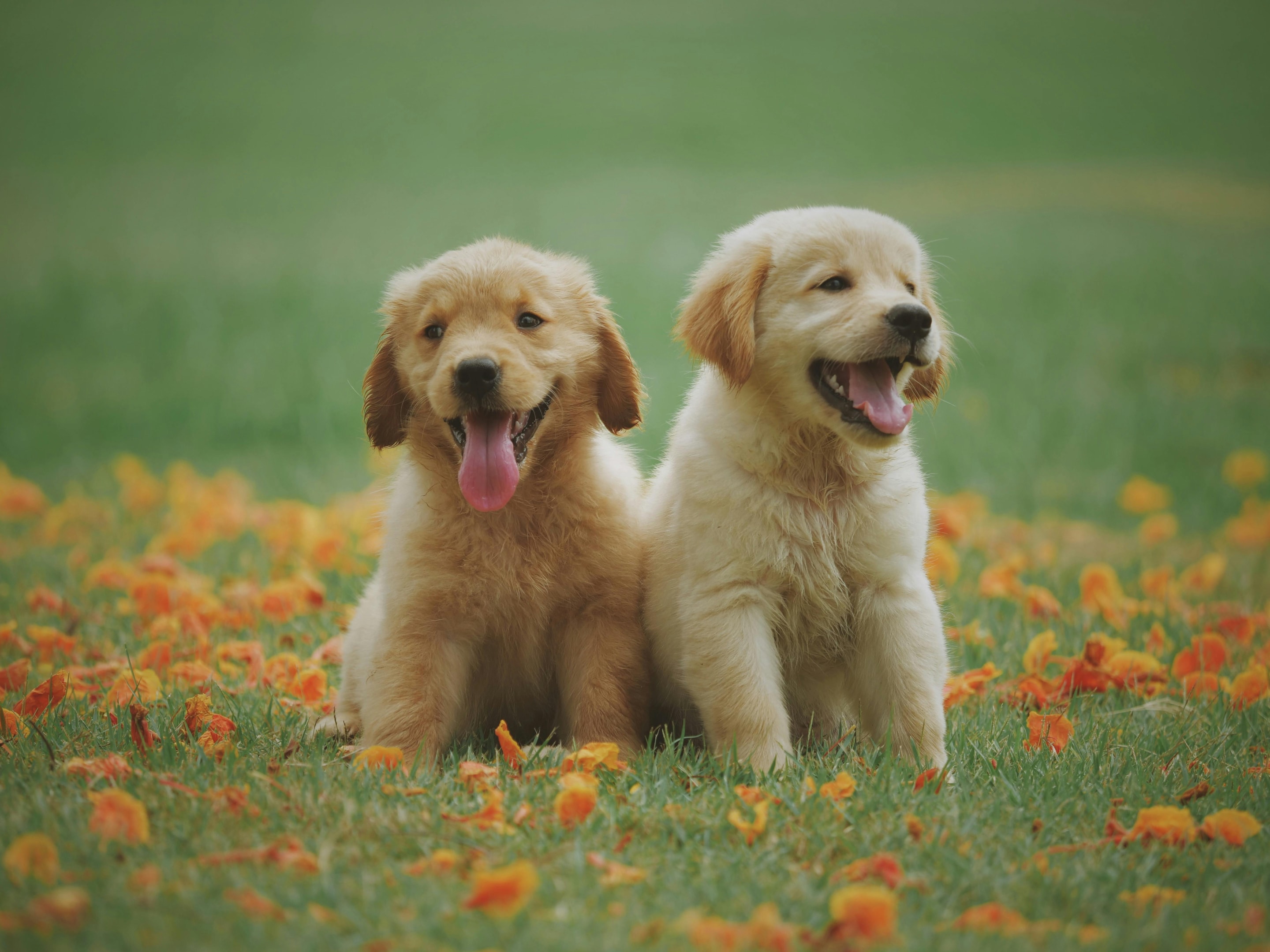
A grooming routine keeps your pet clean and cute, plus it’s important to maintain health. If you take them to a professional groomer, you probably only need to worry about their teeth.
Nail maintenance.
It’s important to train dogs for nail maintenance as puppies, but we don’t all get the opportunity to do that. Ideally, your dog isn’t scared of trimmers and files. Do what you can to make this a stress-free experience for them. That might mean having your vet or groomer handle it for you.
I don’t condone lying, but when I pick my dog up from the groomer, I usually hit her with a shocked gasp and a, “They trimmed your nails AGAIN? I told them not to! I’m mad with you, babe!” and she and I stay on good terms.
Keeping up with the nails regularly is important because long nails can split, tear out, and cause eye and ear injuries. If you don’t trim regularly, the quick (a small bit of flesh inside your dog’s nails) will grow longer, making it more difficult to trim without pain in the future.
Tooth care.
Teeth and gums can cause a lot of pain and health issues for dogs when neglected. If your dog lets you brush their teeth, that’s great! If you have a puppy, train them for this early on.
I have a crotchety old lady dog, who is a rescue, and she has NEVER been chill about me brushing her teeth, so I use teeth-cleaning treats as an alternative.
Fur and skin.
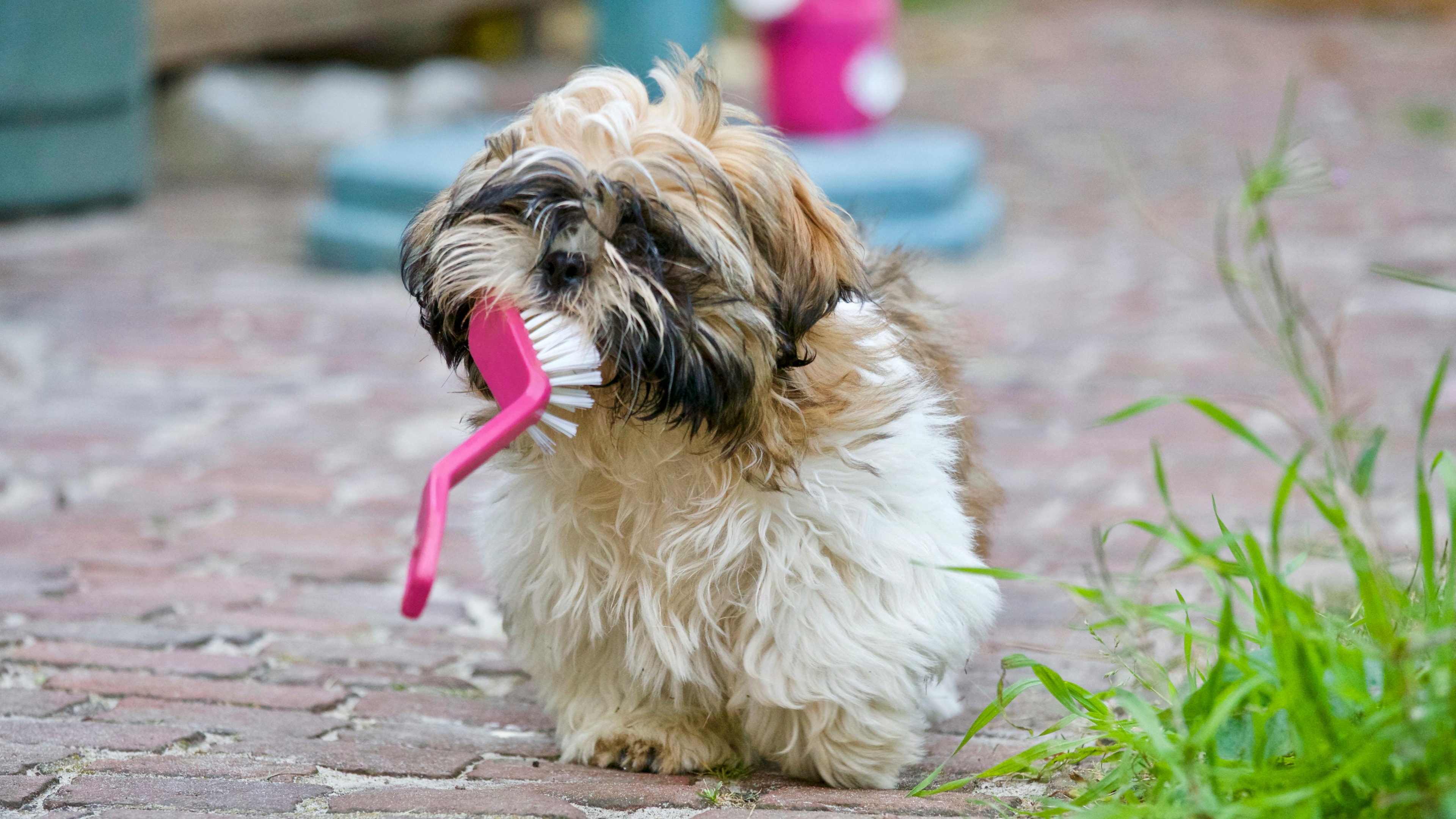
Some doggies need regular trims to keep their fur un-matted and clean. Others just need brushing to help with shedding, and the occasional bath.
Anal glands.
If your pup does the butt-scoot on your carpet, they probably need their glands expressed. This is an unpleasant chore, and most pet owners tend to leave this up to the groomer. Just make sure it’s getting taken care of! Unexpressed anal glands will cause strange behavior, bad smells, and sometimes infection and other health complications.
Can I have a dog as a minimalist?
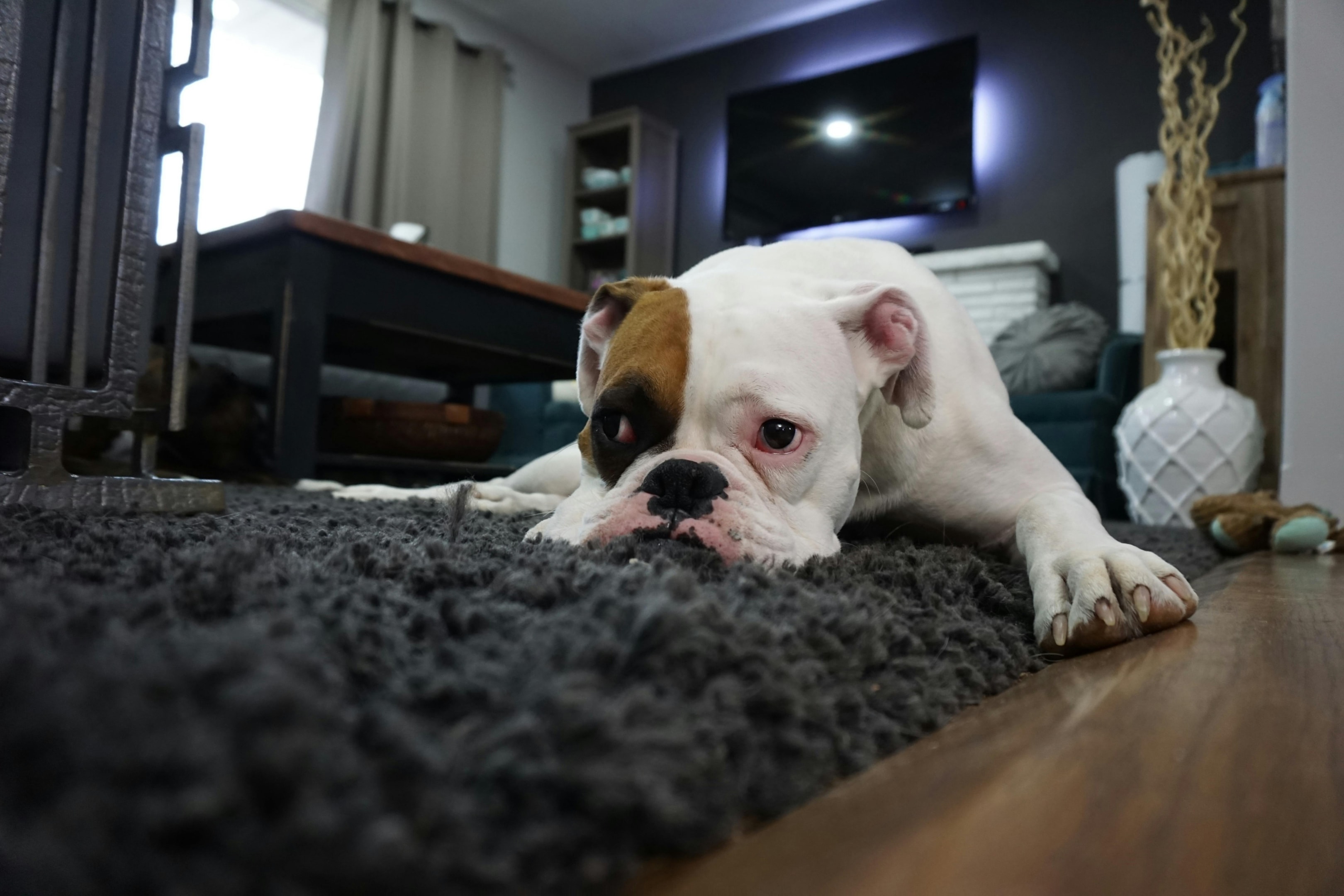
Yes, and absolutely! When bringing a pet into a certain lifestyle (or editing your lifestyle while already having a pet), it’s important to meet all of their mental, physical, and emotional needs within the parameters of your personal choices.
A dog can be perfectly happy as a minimalist with all of their needs met.
A dog CANNOT be perfectly happy as, say, a vegetarian–because that would not be meeting their nutritional and biological needs.
If you’re deciding to adopt a pet, ensure that you’re ready and able to provide the necessary care they need for an enjoyable life. If you’re not okay meeting their needs–for example, a vegan might find it violates their moral code to feed a dog animal products–then you simply shouldn’t have that animal. A vegan would probably enjoy something like an iguana, whose natural needs can fit into the owner’s ethical considerations without endangering the animal.
So, yes, a dog and minimalism can go well together, providing a good quality of life for both the pet and their human.
How has minimalism changed the way you care for your pet? Let me know in a comment below!
Try out the simple, personalized, healthy dog diet options over at Pure Pet Food to take the guesswork and stress out of your doggy’s nutrition.
