

Depression can sneak up on us. We slowly deprioritize things like cleaning, organizing, and even hygiene until we wake up one day and can’t believe what our surroundings look like.
If this sounds like you, I understand. I’ve had many clients who were too embarrassed to even open their door to me, but they knew they needed help to get out of the hole they’d found themselves in.
There’s nothing to be ashamed of here. Depression is a heavy, heavy thing to carry. There’s sometimes a beautiful moment that happens when we are “coming out” of a depressive episode, where we can take a big inhale and tackle the piles that have grown around us.
But maybe you’re not ready for the post-dep-ep cleaning spree. Or maybe you don’t experience those phases of motivation at all. That’s okay. There are small steps we can take to make our space more livable and better suited for healing. So let’s get started.
Scroll to the bottom of this post for your free checklist.

First off, open a window! Crank up the fan, if you’ve got one. Get some airflow in your space and take a deep breath.
1. Fire safety
The first thing I want you to address is the physical dangers in your room. Namely, the fire hazards. Let’s make it physically safe for you to be there.
Clear the walkways. If this just means pushing things out of the way, that’s okay, too. Simply shove things until you have clear walkways from your bed/chair to the doors and windows.
If you have things like overloaded outlets or power strips, attend to those. Move flammable items, like blankets, away from heat sources, like space heaters and hot plates.
Don’t worry about cleaning here–we’re just making things a little safer.
☑︎ Open shades/windows.
☑︎ Clear walking paths to door and windows.
☑︎ Move flammable items away from heat sources.
2. Biohazards
If you’ve already addressed fire safety, that might be all you do for today. That’s perfectly okay. Take a rest and pick it back up tomorrow.
If you’ve got the energy, let’s move on. Next, we’ll focus on hazardous materials.
Remove trash.
Get a trash bag or bin and take your time filling it. You can do a lot of this sitting down, if you need to. Throw away obvious garbage, but if you come across something you’re ready to declutter, don’t be afraid to toss that, too.
Collect dirty dishes.
If you can find the energy to run a load in the dishwasher or hand wash a few pieces, please do, but just collecting those dirty things and getting them out of your immediate area is important for your health. In future, consider disposable dishes–these might be the best option for you right now. Do what you need to do to support yourself.
Remove dirty clothes.
Particularly check for fabrics that are soiled, damp, or that have been dirty for quite some time. If you don’t have the energy to start a load, start with collecting them all together. Then you can take a rest before finishing it up.
Consider pest control.
If you’re in one of the later stages of hoarding disorder, for example, pests may be an issue in your space. I encourage you to call someone–either pest control directly, or reaching out to a loved one who can manage that task for you. We have a simple guide for managing pests like fungus gnats and fruit flies, but rats, roaches, and other little invaders pose a real threat to your health, so please handle that as best you can.
☑︎ Remove trash.
☑︎ Collect dishes.
☑︎ Optional: Wash a load of dishes.
☑︎ Remove soiled clothes and fabric.
☑︎ Consider pest control, if relevant.
3. Physical self-care
Set up a hydration station.
Keep a few water bottles or a pitcher in a safe place near your bed so you can stay hydrated throughout the day. These basic necessities of survival become hard to manage with depression, so make it as easy for yourself as possible.
Clear a sleeping space.
Hopefully you’ve got a safe spot to sleep, but if you don’t, focus on that next. Clear your bed–even if that means dumping everything on the floor.
☑︎ Set up hydration station.
☑︎ Clear a safe sleeping space.
4. Easy hygiene
Cleansing station.
Keep items like baby wipes and hand sanitizer on hand for basic hygiene maintenance. We can’t always manage a shower, but we can do a quick wipe-down.
Extra flat sheets.
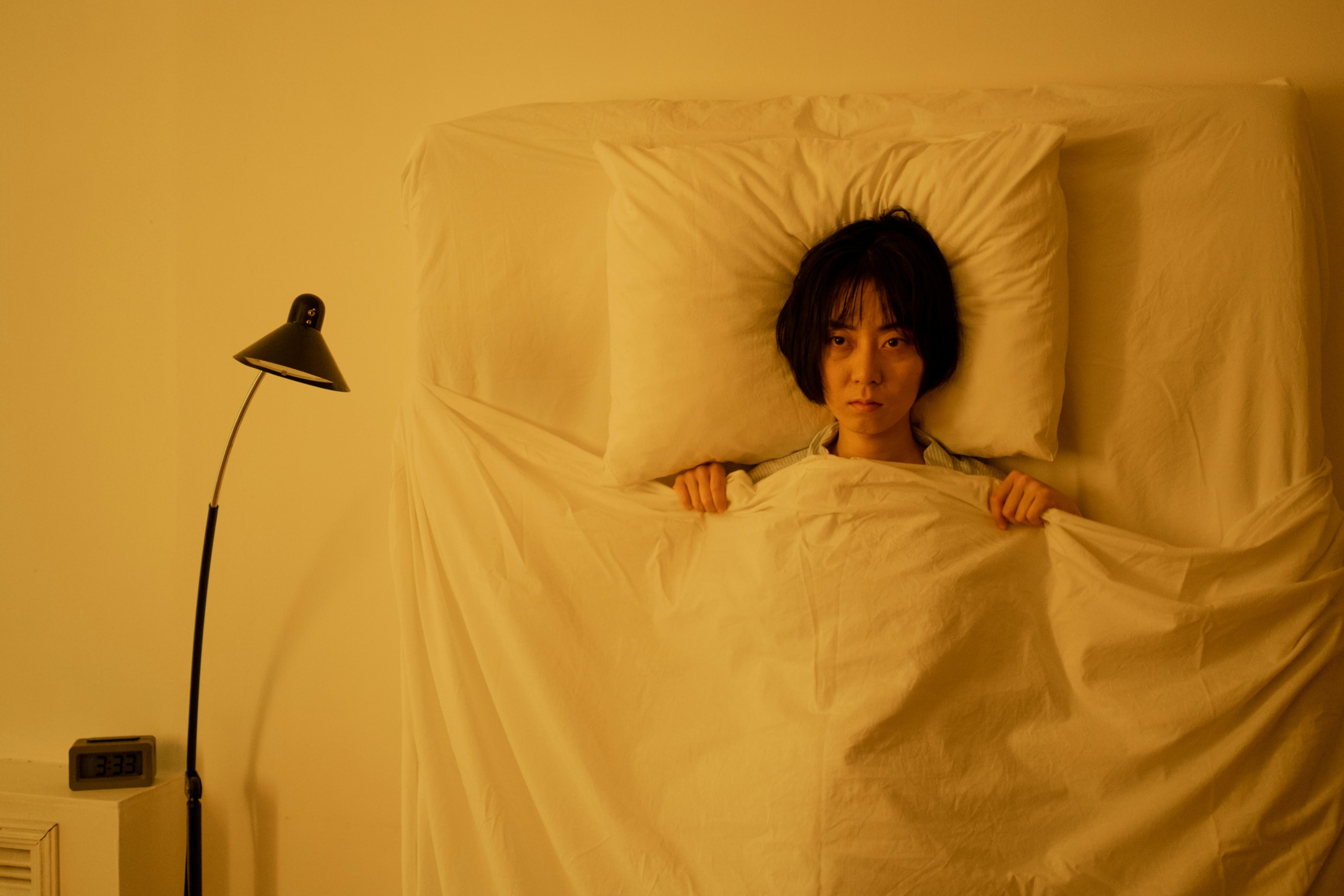
Able bodied and strong minded individuals struggle with cleaning and replacing their sheets. It’s so hard for no reason. So let’s make it easy to keep our area clean. One way to do that is by keeping a little stack of clean flat sheets. They’re easier to stretch over the bed than fitted sheets, you can stack them on top of each other (so you can provide a fresh layer for yourself without worrying about the old one), and you can wash several of them in one load.
Try to make this a weekly task–drop a new flat sheet on top of your area, and lay right back down. With a stack of four, you only have to do a load of laundry once a month to have perfectly clean sheets. They can also stretch over your pillowcases so you don’t have to worry about changing those as often.
☑︎ Set up cleansing station.
☑︎ Prepare a stack of clean flat sheets and/or pillowcases.
5. Simple movement
Movement is essential for well-being, but it’s So Hard to accomplish while depressed. I recommend something like this wonderful guide to in-bed exercise for depression and chronic fatigue. Start small, keep it easy, and just try to get a little bit in every day.
If that’s too much, try this BED YOGA FOR DEPRESSION video. It’s even simpler and gentler.
☑︎ Try an in-bed movement routine.
The above steps will help you keep your space, body, and mind in a neutral space while you give yourself time to heal.
Depression Room Checklist
Here’s a checklist version of this post. You can use this on your phone to get your room safe and comfortable without the overwhelm. You can use the checkboxes right on your phone, so don’t worry about finding a printer.
Take your time working through the items on it–there’s no rush. We can improve our environment and ourselves with small, gentle steps. We all deserve a space that supports our healing–not one that shames us.
