
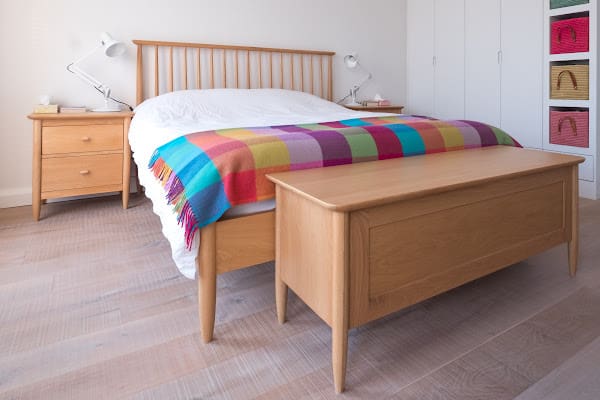
Bedrooms tend to become the dump-all place in the house. When company is coming, we hide it all way to “put away later,” but the bedroom is its new home, and we all know it.
If you’re sick of the clutter and are ready to get practical, pursue simplicity, clean lines, and create a calming space to sleep in, read on!
I had to declutter quite a bit before my cross-country move, and I made a list of my basic essentials for a minimalist bedroom.
Now if you have extra space in your bedroom(s) or an unused guest room, and you want to use that space as storage, that’s fine! I just recommend keeping your living spaces separate from the Assigned Chaos spaces.
And maybe think about those Chaos rooms at some point. You probably don’t need or want them!
In my studio apartment, I have a 16 by 10 area to call my bedroom. This space also acts as my office, which has a desk, chair, and file cabinet. My clothes closet is also my utility closet. I hang clothes in there, but they live among laundry supplies, my Dyson, and other odds and ends.
Here are what I consider to be the bedroom essentials, plus some tips for keeping a minimalist space.
My Essential Bedroom Furnishings
When it comes to furnishings, such as lights and shelves, it’s great to build in as much as possible. You may not be able to transform the architecture of your bedroom, but you can certainly style them in a way that creates a serene space where your furnishings are less bulky.
Here are my furnishings for a minimalist bedroom:
Lighting & Air
- canned ceiling lights with dimmer
- wall-mounted reading lights
- central ceiling fan
- portable fan for white noise
Walls
- 2 windows covered with blackout shades
- wall-mounted wood slats as a headboard, which also houses my reading lights and shelves
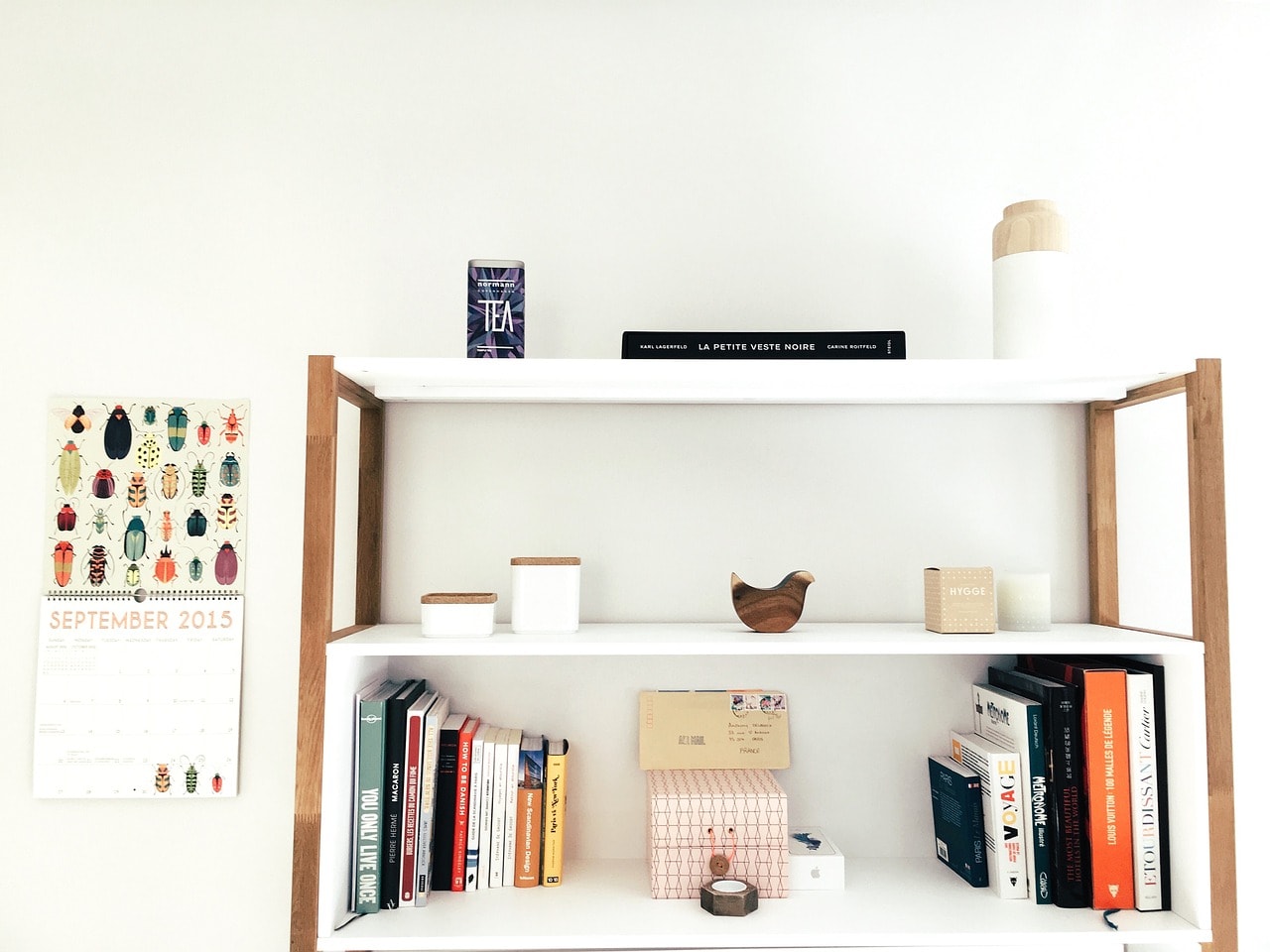
- floating ledge shelves for artwork
Ceiling mounted track
Around my bed, I hung a blackout curtain that fully opens and closes. This provides a sense of security and coziness, and since it’s mounted on the ceiling, it takes up no extra space!
Replace image.Add from Pixabay, select from your files or drag and drop an image here.Add image alt text.
Minimalist Bedroom Furniture:
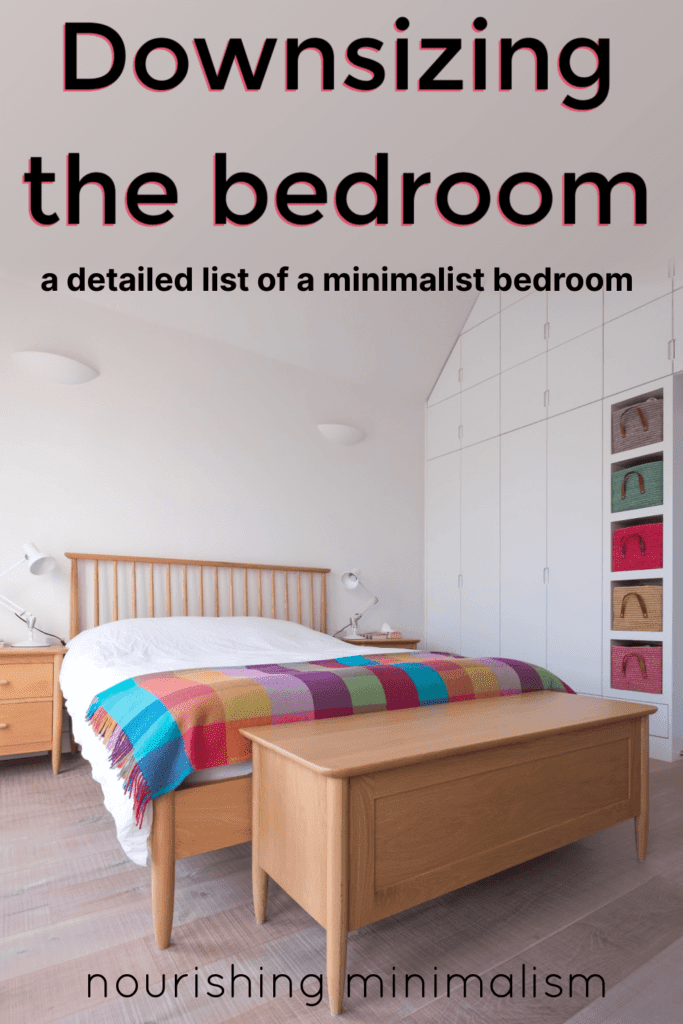
To keep a minimalist bedroom, consider buying furniture specifically sized to the space. And obviously, you’ll want to avoid those chunky, oversized pieces. If you can find furniture that’s two-in-one, or doubles as storage, fantastic!
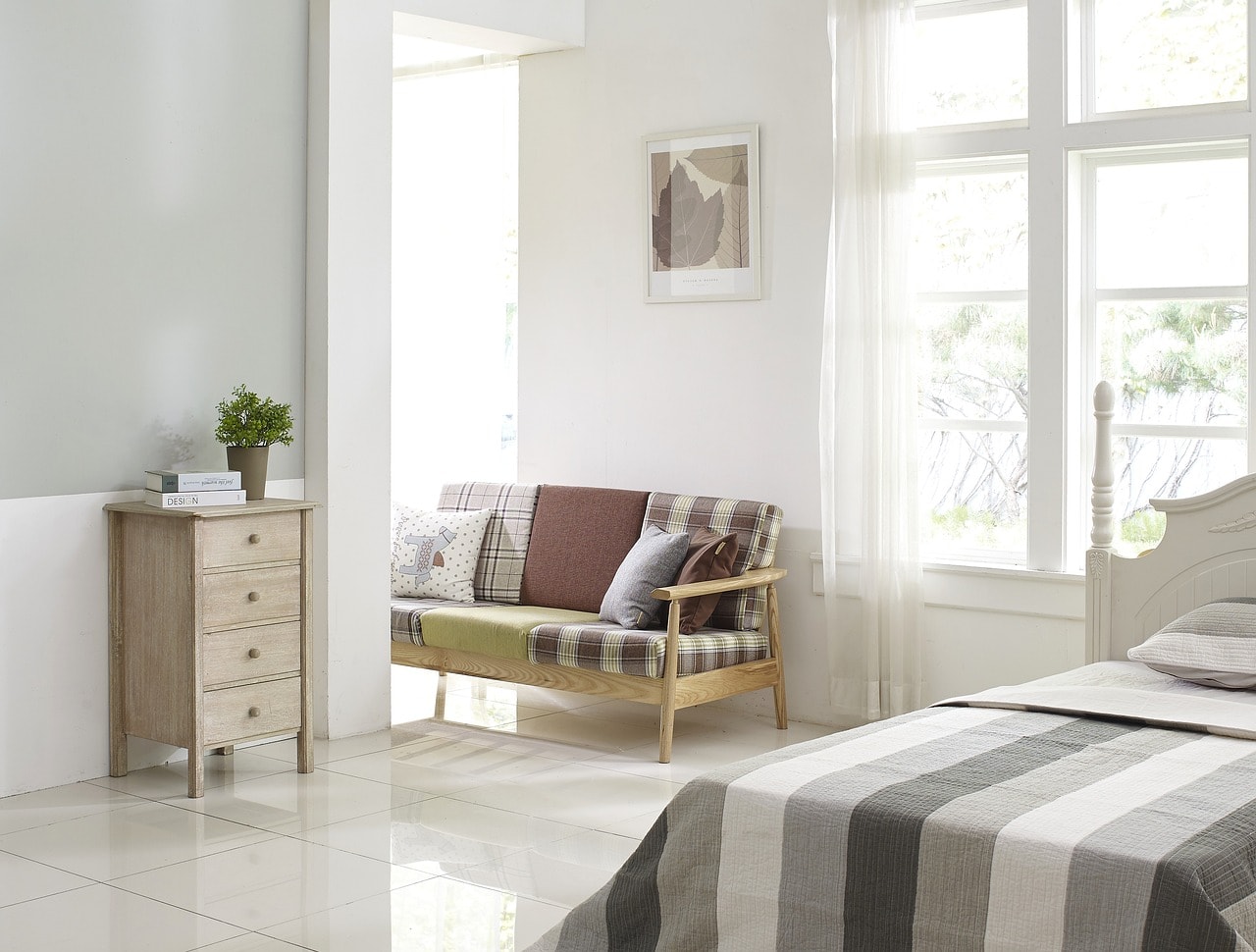
Here’s what I have in terms of minimalist furniture:
Bed with storage
- queen mattress
- bed frame with under-storage for extra bedding
Bench with storage
- ottoman-like storage bench
- on top is my cat’s bed
- inside is storage for extra animal supplies
- acts as extra seating when needed
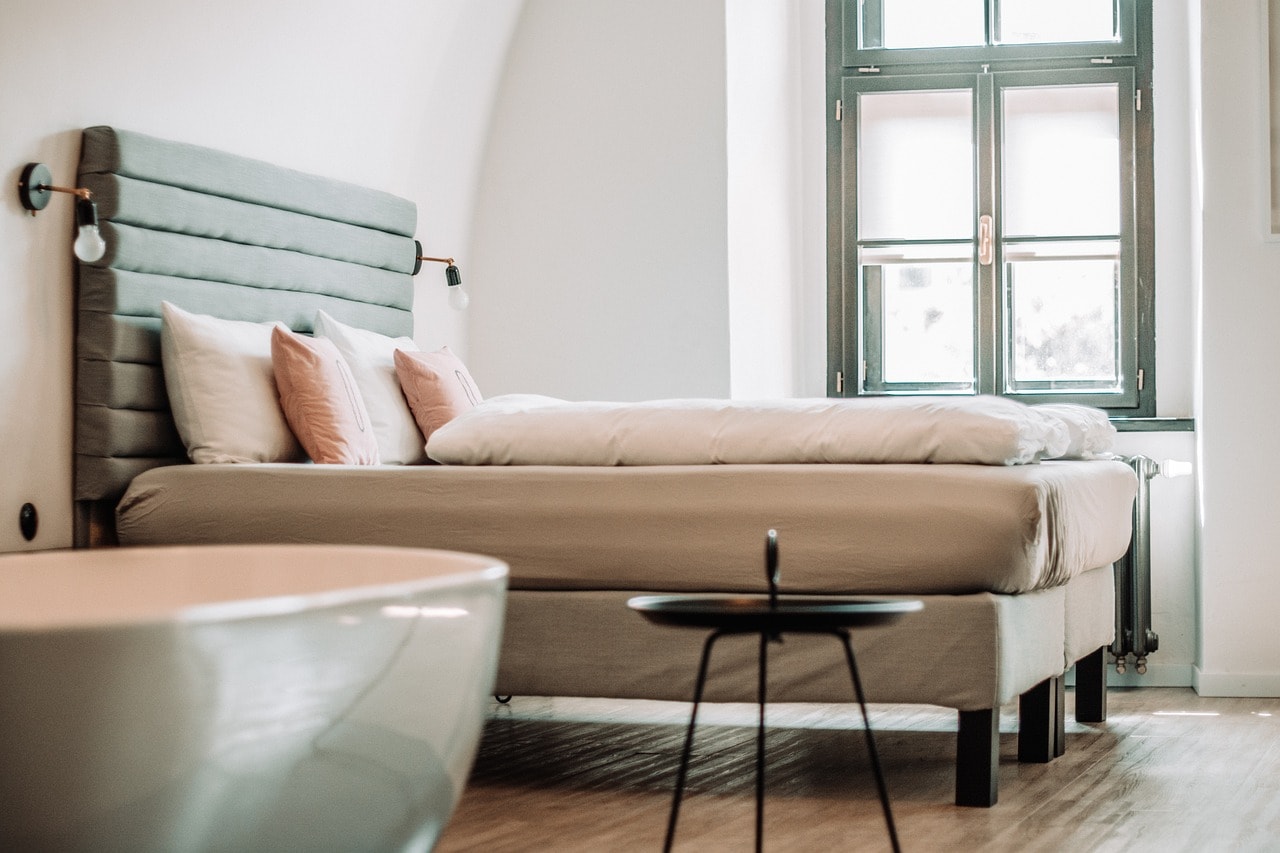
Simple Bedding
- Sheets
- Blanket
- Duvet
- Cover
- 2 pillows with cases
- Mattress pad
- Pillow protectors
On beside table
- phone charger
- journal
- pen
- mug warmer plate
- my current book
Clothing
Closet
- 4 coats/jackets (winter, rain, jacket, cardigan)
- 2 dresses
- 6 shirts
- 3 pairs of jeans
- 2 pairs of dress pants
- 2 robes
- bin of off-season clothes on the top shelf
- bin of accessories (hats, gloves, scarf, and an extra purse)
- 5-7 pairs of shoes, slippers and boots
- dirty clothes basket
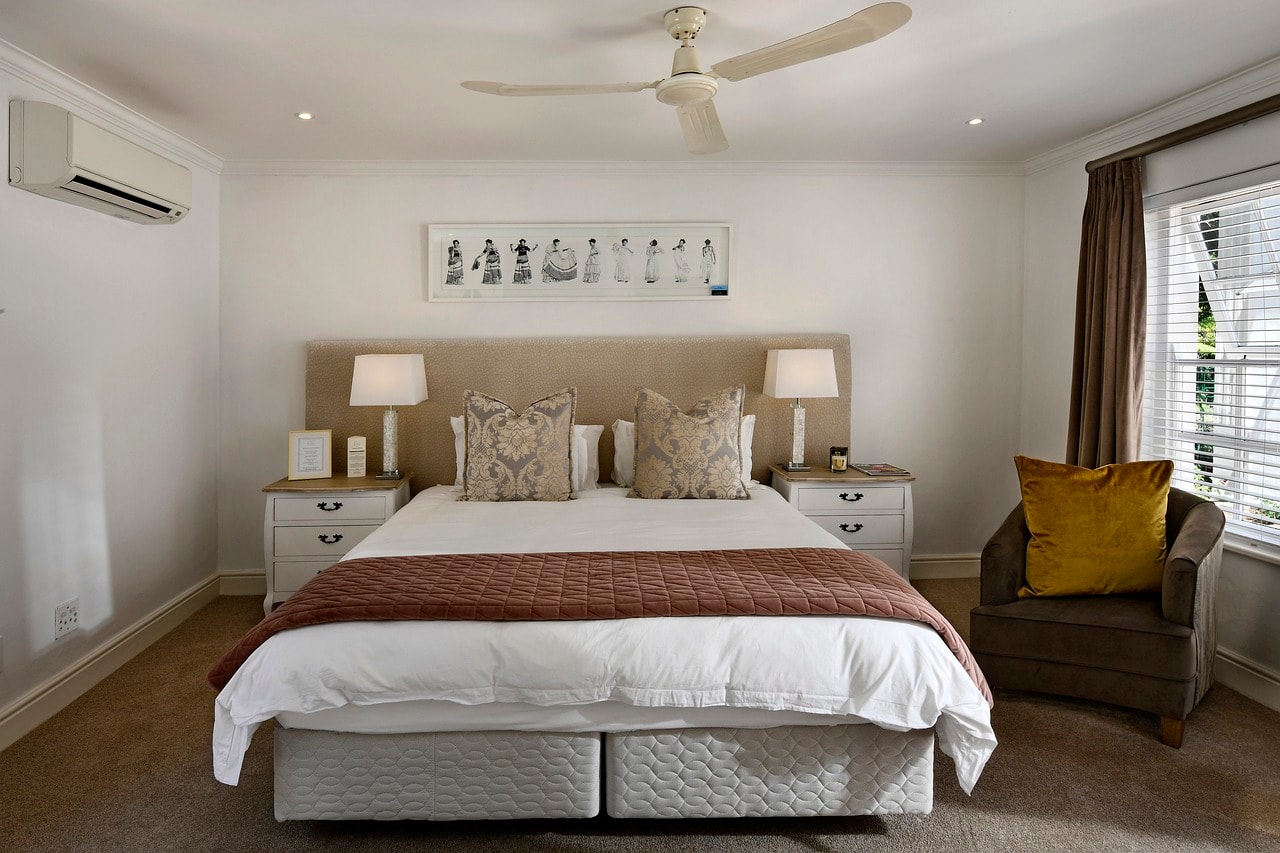
Thinking about building a capsule wardrobe? Check out this post about how to build a capsule wardrobe the minimalist way, with stuff you already own!
This is what works for me. What are your bedroom essentials? Let me know in the comments below!
Minimalist Bedroom Ideas
Here are some ideas to give your bedroom the true Minimalist Aesthetic.
1. Neutral/earth tones
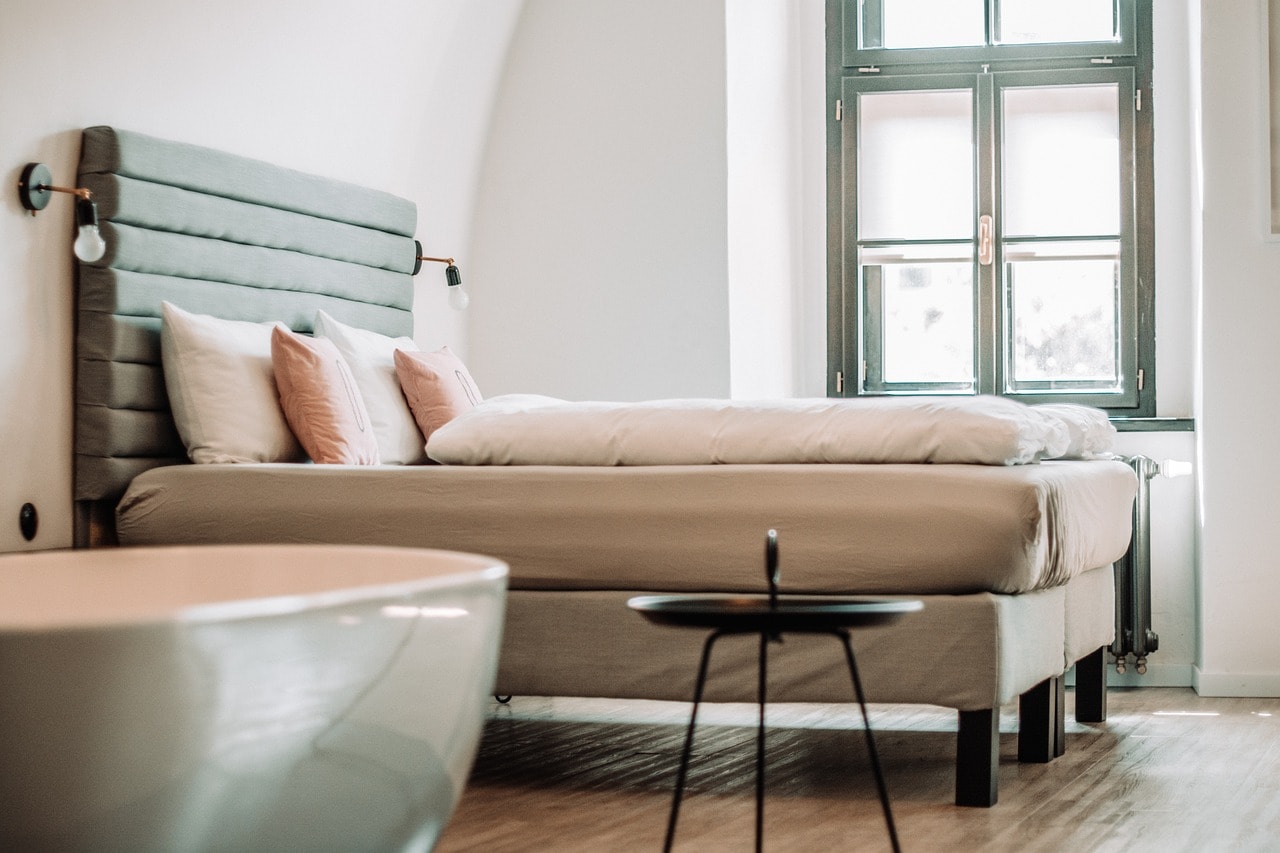
Stick to soft, neutral tones like whites, beiges, greys, or muted pastels. These colors promote a calm atmosphere and help the room feel more spacious. If you’re more colorful, try earth tones like deep greens, sage, lilac, and browns.
2. Decluttered surfaces
Keep surfaces free of clutter–bedside tables, dressers, beds, that corner chair. Limit the things you display on a surface only to the essentials, such as a lamp or a single decorative item.
3. Low-profile furniture
If you’re doing a New Furniture moment, opt for sleek, simple pieces with clean lines. A low-profile bed frame or platform bed adds to the minimalist aesthetic while keeping things streamlined.
4. Natural textures
You can incorporate natural textures like wood, linen, cotton, or stone to add warmth and interest without adding visual clutter.
Consider wooden furniture, linen bedding, woven baskets, or those weaved rugs that are way too expensive.

5. Functional storage solutions
Use under-bed storage and in-furniture storage like I do, drawers, and built-in closets, to keep belongings hidden but accessible. Closed storage maintains the minimalist look by reducing visible clutter without you needing to actually live the monk lifestyle.
6. Minimal decor
Focus on a few statement pieces instead of filling the space with decor. For example, one large piece of wall art or a single indoor plant can be enough to make a minimalist bedroom feel complete.
Certainly avoid stuffing your surfaces with knick-knacks. One singular knick-knack, perhaps. Or even just a knick or a knack.
7. Simple bedding
Choose bedding with clean lines and solid colors. Layers can add comfort without overwhelming the room—stick to a duvet or monochromatic quilt and one or two pillows for a minimal look.
8. Soft lighting
Use ambient lighting like soft bedside lamps or dimmable fixtures. Avoid harsh overhead lighting and instead create a cozy, relaxed feel with softer options. Tall candles can be an attractive, sleek addition to a minimalist bedroom, too!

9. Cut the tech
Keep electronics out of the bedroom, or hide cords and devices when not in use. This helps to maintain a restful, distraction-free environment. Keeping my phone in a separate room has been the best sleep improvement I’ve ever made.
10. Open Space
Leave enough negative space around furniture and decor to create a sense of openness. Less is more when it comes to furniture placement and accessories. Just like in any type of design or art, utilizing white space is incredibly important and shouldn’t be overlooked.
Now, if you’re someone who wants the functionality of a minimalist space, but you still want it to be super cute, here are a few tips for you.
How To Create Visual Interest in a Minimalist Space
Creating visual interest in a minimalist space involves using subtle, intentionally chosen elements that maintain simplicity while creating a cohesive, attractive style. Here are some strategies:
1. Play with Texture
Introduce textures like smooth leather, soft linen, chunky wool, or woven materials. Rocks and wood also work here. Textural contrast adds depth and warmth without overwhelming the space with items.
Example: A linen throw on a sleek leather sofa or a plush rug on a polished floor.

2. Add Accent Colors
While the base palette should remain neutral or natural, consider adding small pops of color through small accents like throw pillows, artwork, or a single piece of furniture. Stick to one or two complementary shades to keep it minimalist.
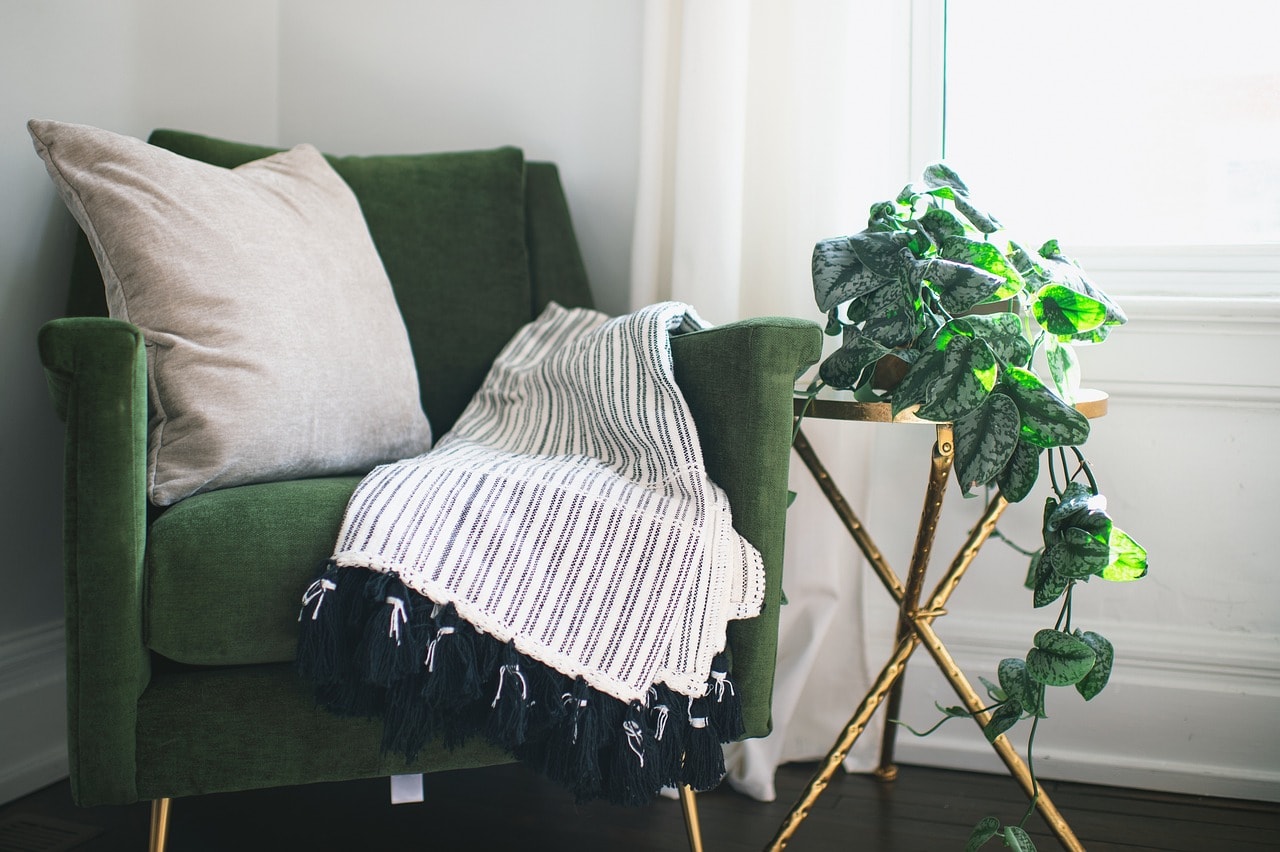
Example: A muted sage-green chair in an otherwise white and grey room.
3. Use Statement Art
Incorporate one or two large, minimalist pieces of art to draw the eye. Abstract, geometric, or monochrome pieces work well with the minimalist aesthetic.
Example: A large black-and-white photograph or a simple geometric print. Or perhaps something invisible.
4. Embrace Negative Space
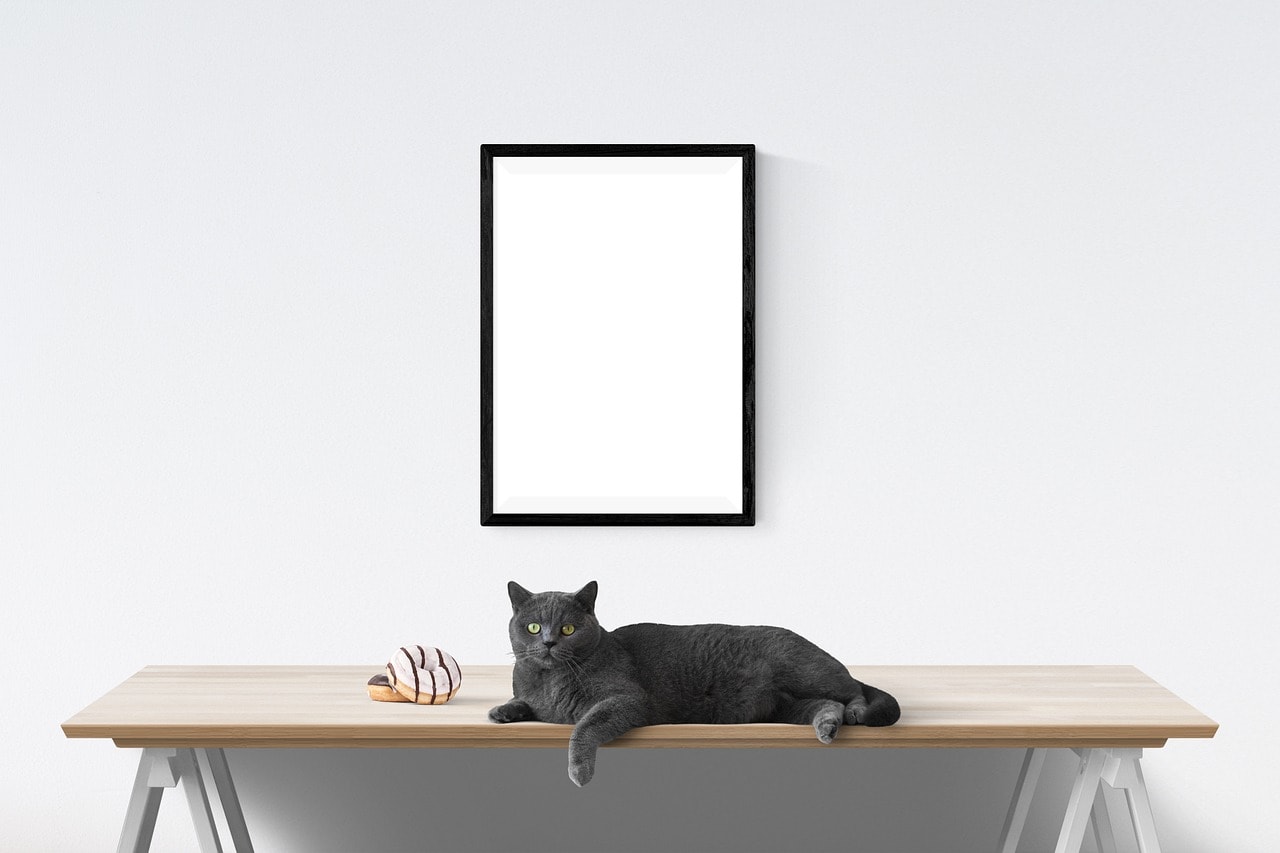
Let empty space work in your favor. Open areas between furniture or on walls allow the eye to focus on key elements. The contrast between filled and unfilled spaces creates subtle visual intrigue.
Example: A single plant or piece of art on an otherwise empty wall.
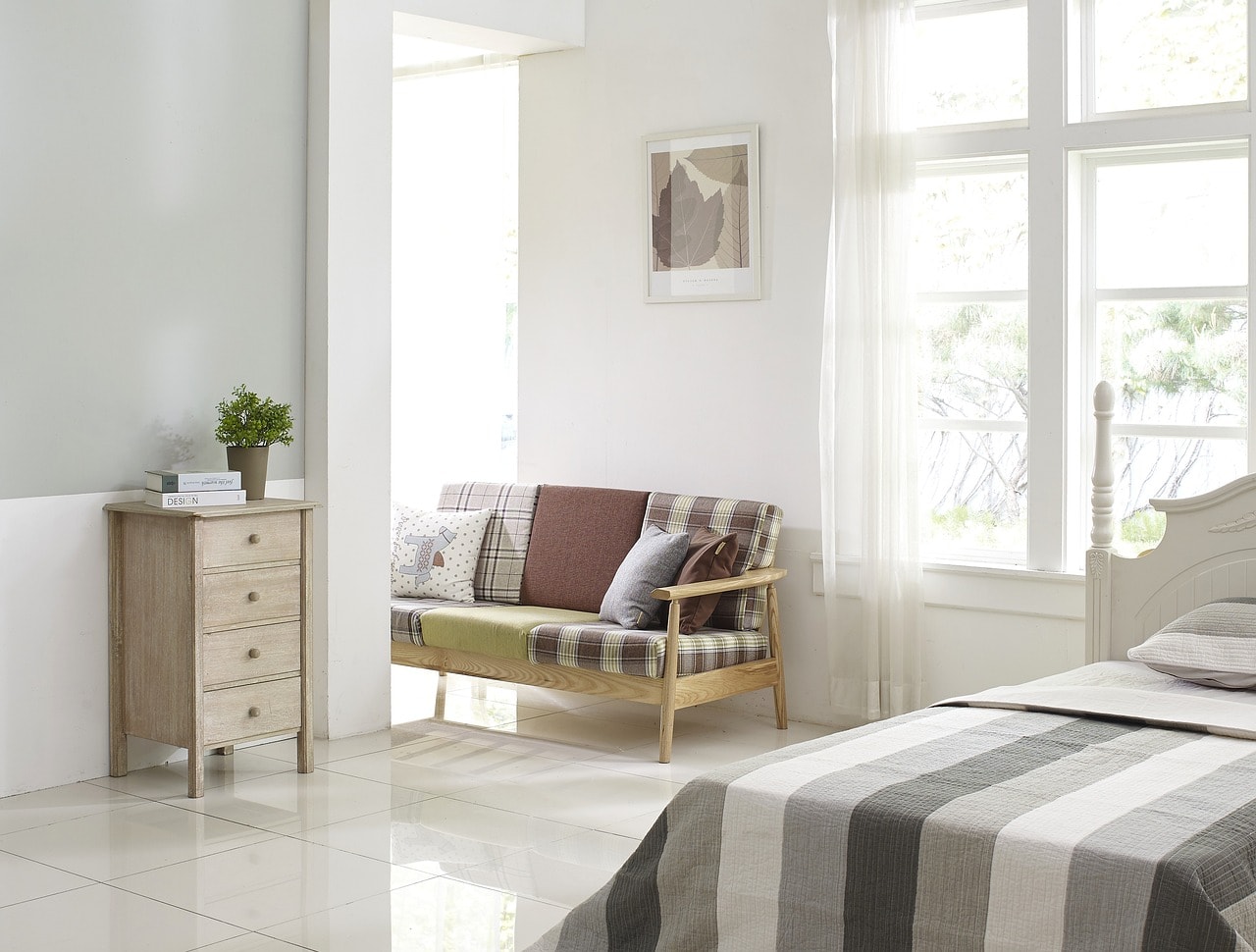
6. Bring in Nature
Bringing plants and cut flowers into the room gives it an energy without being overstated. The green adds a refreshing contrast to neutral tones, while the organic shapes of leaves and petals soften the room’s clean lines.
Example: A single tall plant in a sleek pot or a few smaller plants on a shelf.
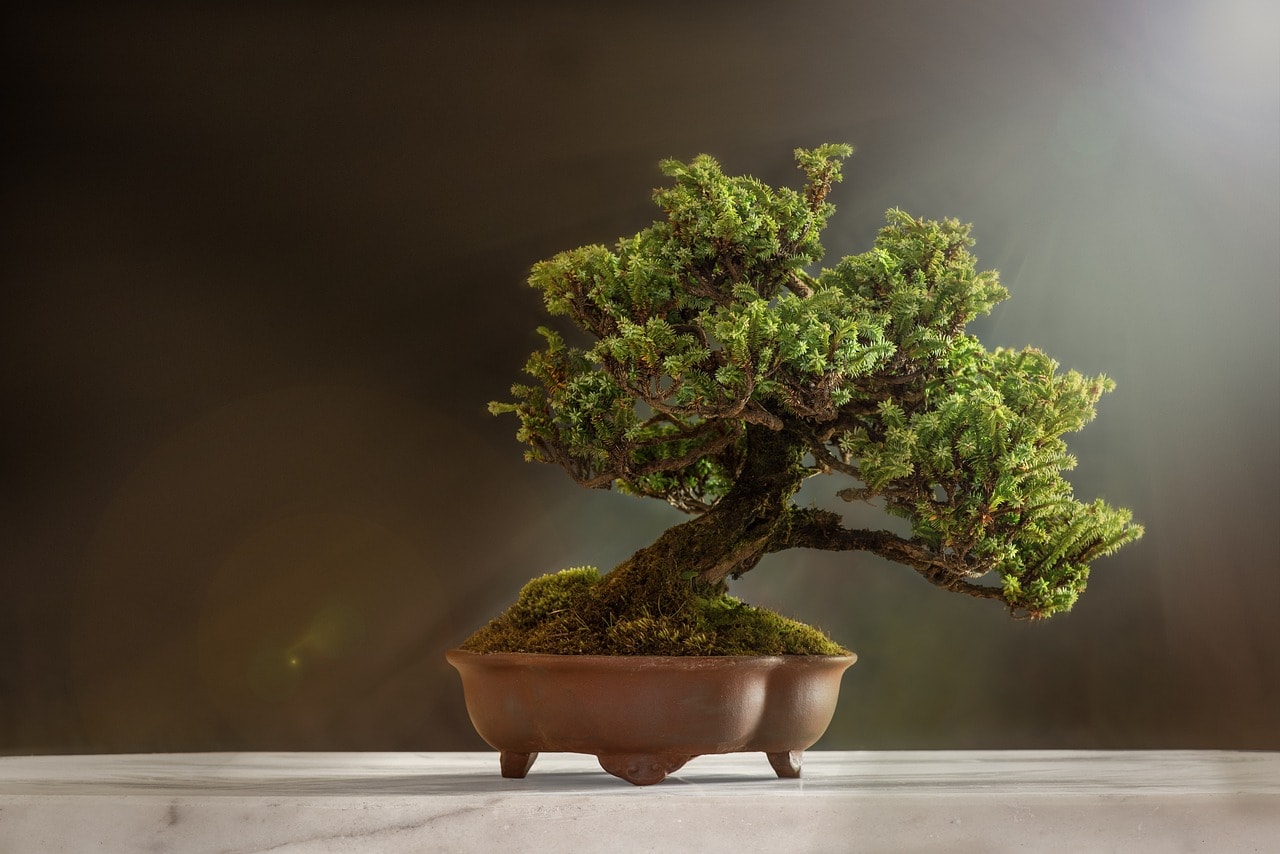
8. Highlight Architectural Features
If your space has interesting architectural elements, like exposed beams, large windows, or brick walls, make these a focal point by keeping the rest of the room simple.
Example: Large windows framed by minimalist curtains that draw attention to the view or exposed brick left uncovered.
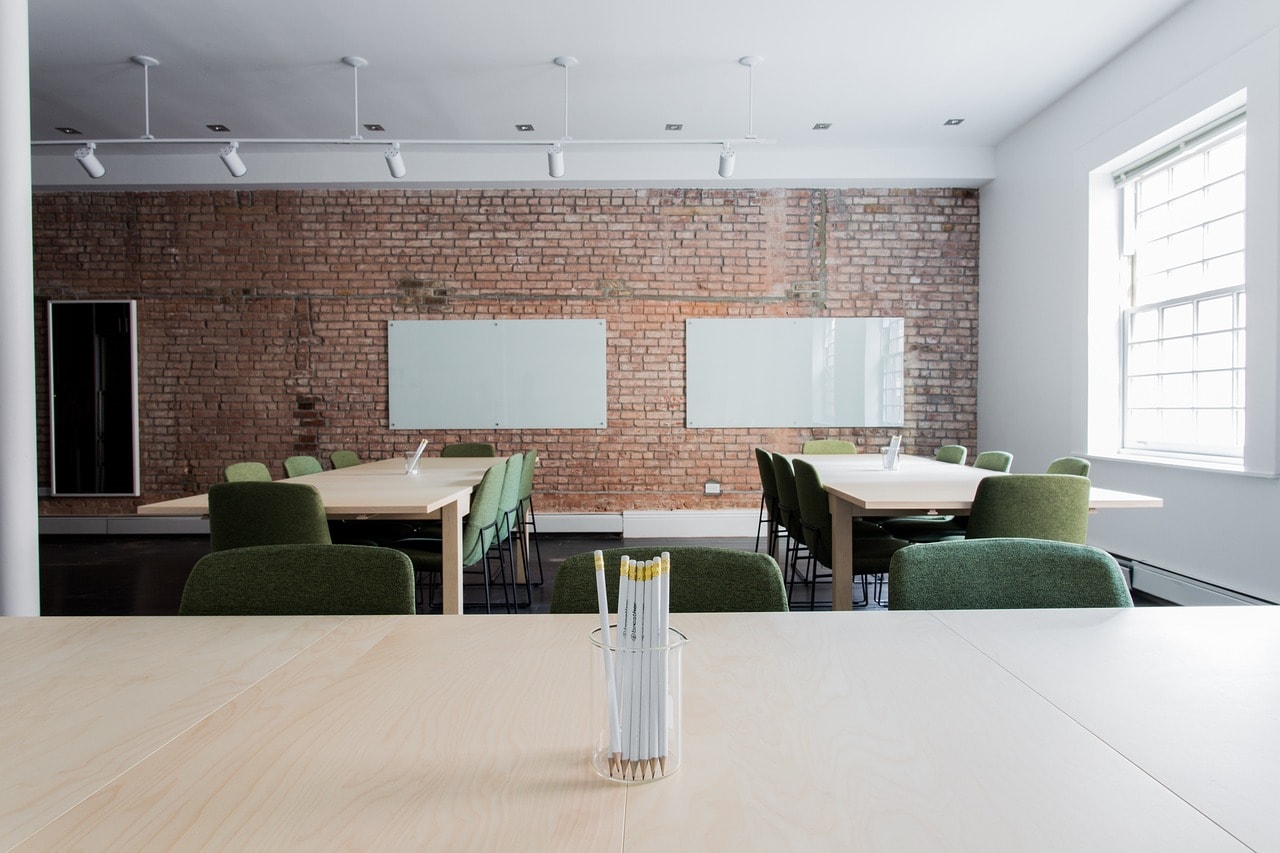
9. Minimal Patterns
Use subtle, minimal patterns like thin stripes, grids, or geometric shapes in textiles or rugs. Keep the pattern small and tonal so it doesn’t overwhelm the space but does add a hint of variety.
Example: A barely-there grid pattern on throw pillows or a muted striped rug.
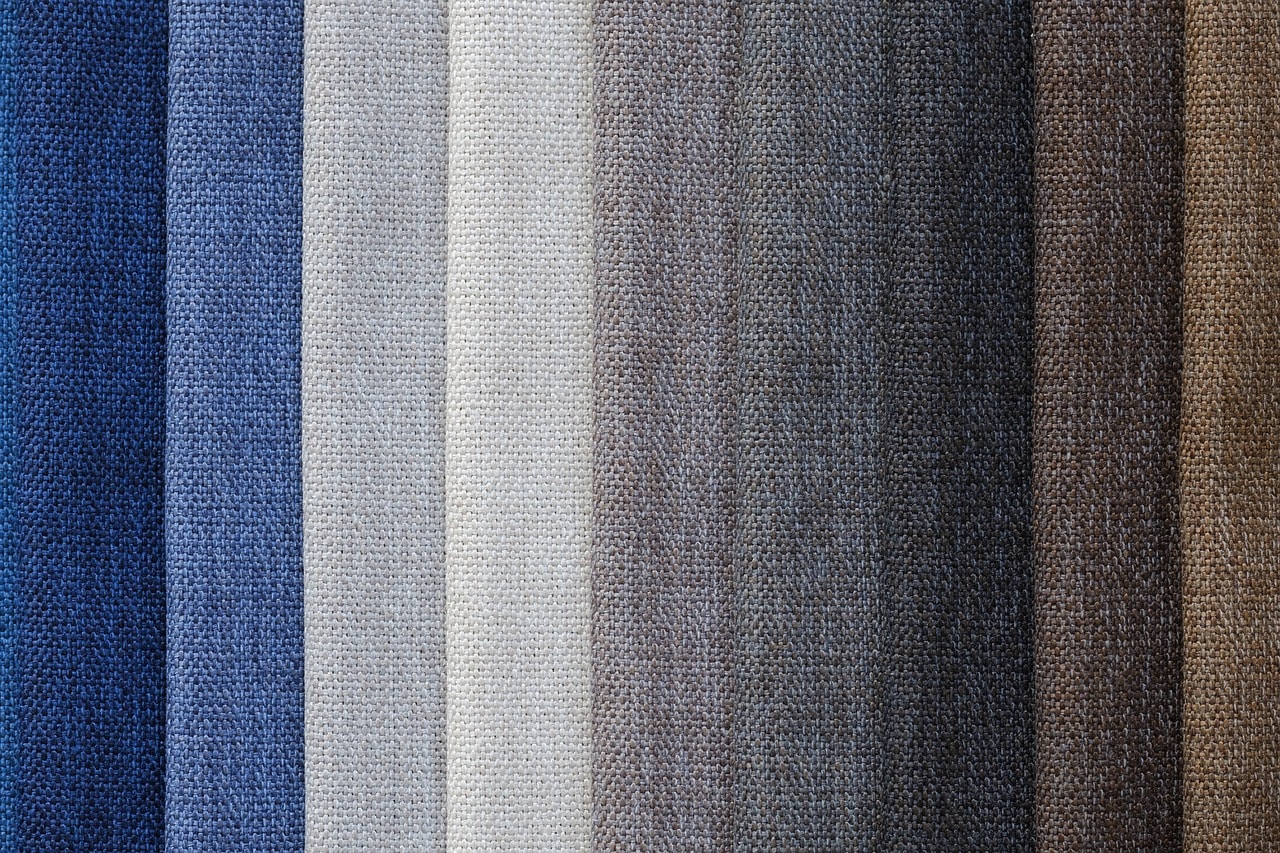
10. Use Reflective Surfaces
Mirrors, metallic finishes, and glass can help reflect light and create a sense of depth. A well-placed mirror can also amplify natural light and make the room feel larger.
Example: A large round mirror above a console or metallic accents on light fixtures.

By incorporating these subtle but intentional elements, you can create a minimalist space that feels visually engaging without compromising its simplicity and calmness. Good luck!
See what Rebecca has kept for her other minimalist rooms:

2 Comments