

Ever wondered if you could get by with only the basic tools in your kitchen? I think you can!
Just a few high quality kitchen essentials can replace a whole kitchen of one-use (and no-use) tools. We can cut the visual clutter, simplify cooking, and create a kitchen that is a joy to be in by keeping only what we use and need.
Let’s talk about the essentials you need for a functioning minimalist kitchen, some extra pieces for cooking enthusiasts, kitchen tools you do NOT need, and a strategy to determine your unique kitchen requirements.
The basic kitchen essentials.
Here are the very baseline essentials for a functional kitchen.
1. Blades.
I only use one knife 90% of the time, and that’s my chef’s knife. I have a few others for convenience, but they’re really not necessary in my kitchen.
For your kitchen knife drawer, here’s the MOST you should need–if you know you won’t use something, don’t keep it!
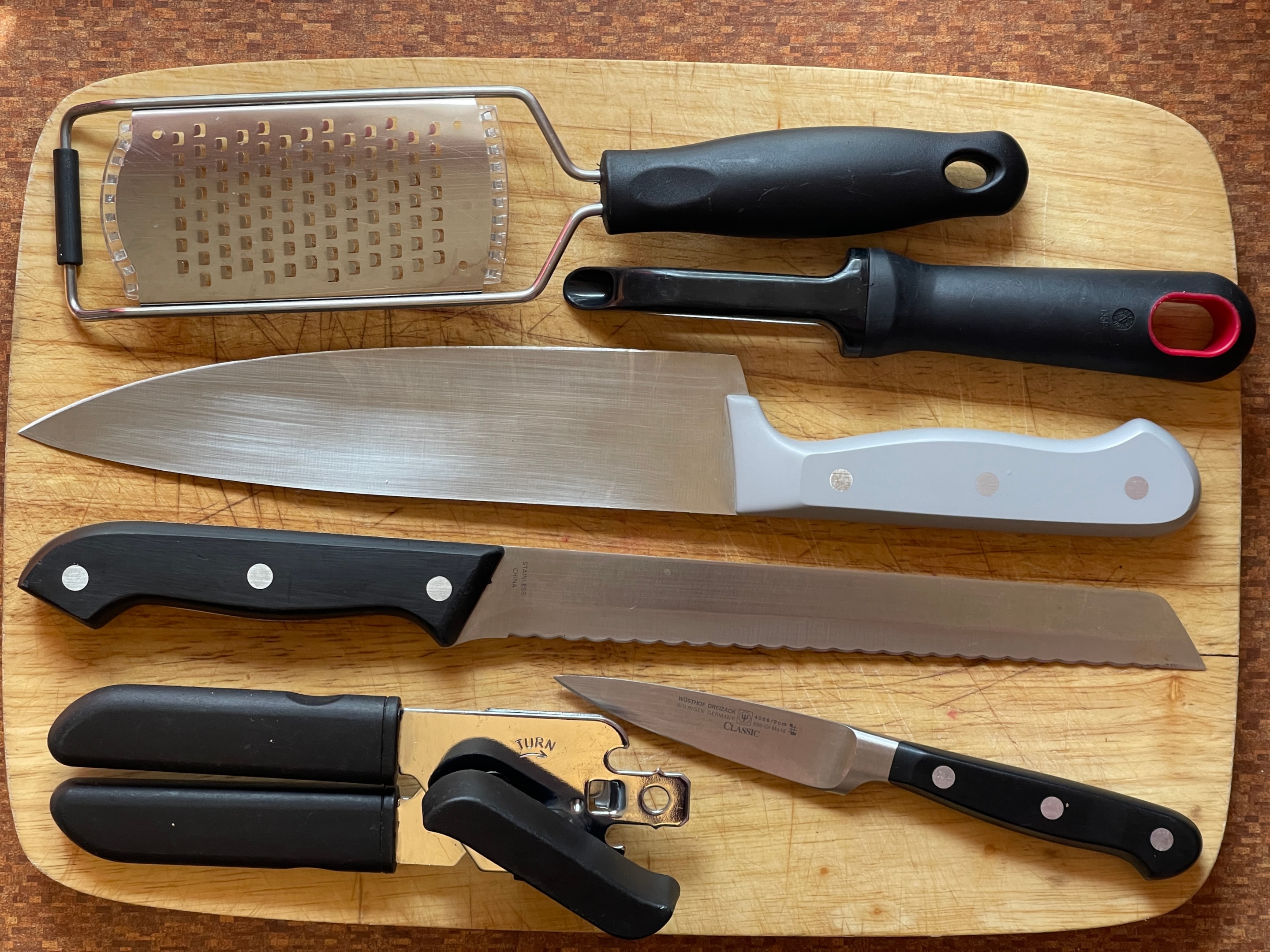
Chef’s knife.
Your chef’s knife is your best friend. I know people who only own a chef’s knife, and they are able to cook anything with it.
How to sustainably buy: Good brands of knives can be bought secondhand. My knives are from the Wusthof line, and all were bought on ebay. They’ll last you your whole life if taken care of! Paying a little extra for a new Wusthof might be worth it, since they have a lifetime warranty.
Paring knife.
A paring knife is convenient for smaller jobs–I tend to slice my vegetables in the air and drop them right into the pot, so I like my paring knife for that. I also use my paring knife as a fillet knife.
You may want a fillet knife if you often find yourself cleaning fish, but I clean fish right out of the lake with just a paring knife–sometimes with just a pocket knife–so I’d say it’s optional!
Bread knife.
If you bake bread, there’s really no way around a bread knife. A quality serrated blade will serve you for years.
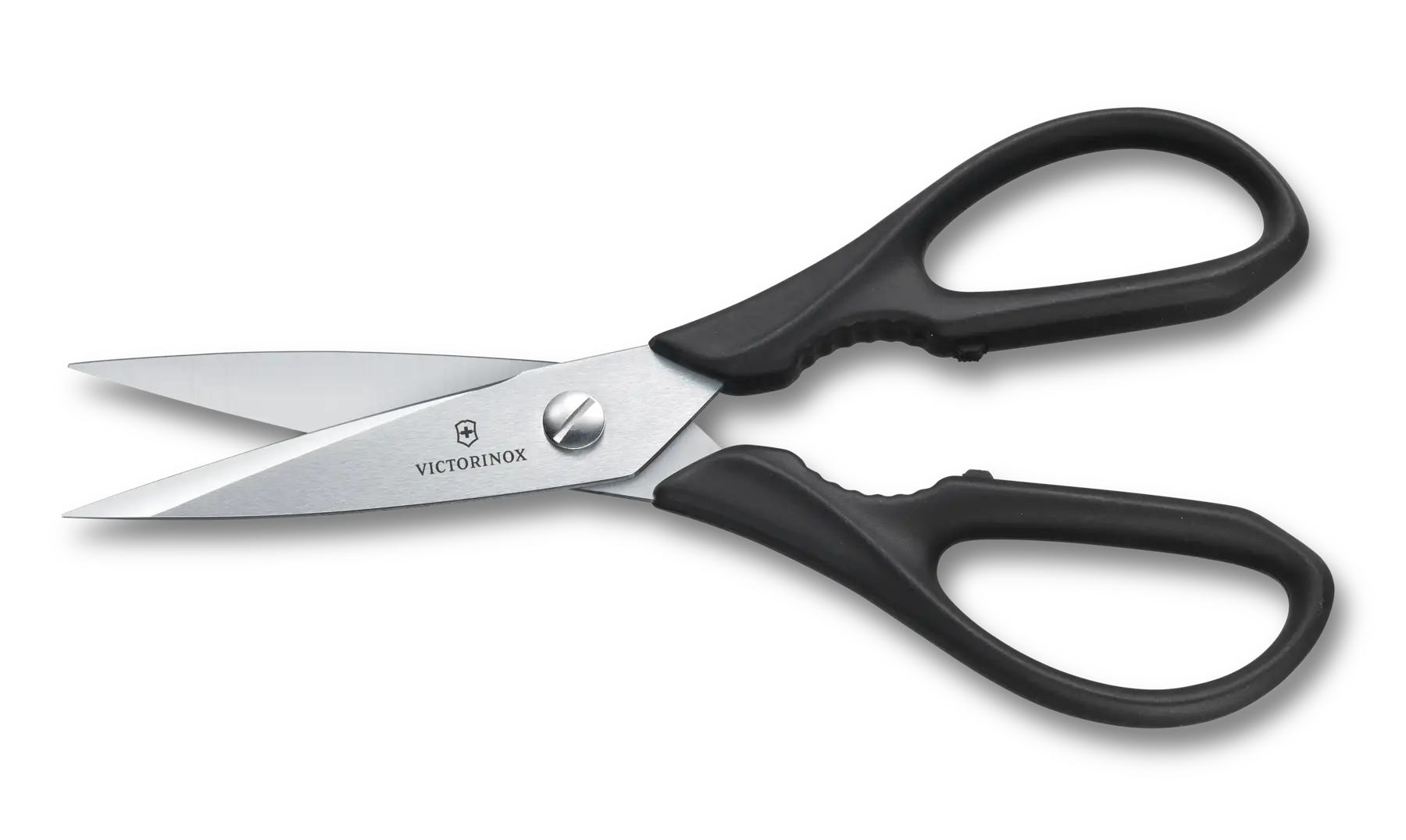
Kitchen scissors.
A solid pair of kitchen scissors for snippin’ and spatchcockin’ is a must-have for home cooks.
How to sustainably buy: I recommend Victorinox scissors for most kitchens. You can find them secondhand on ebay for a few dollars cheaper, but buying from the distributor grants you a lifetime warranty.
Vegetable peeler.
Vegetable peelers are quite versatile. You can use your paring knife for peeling, but I prefer to keep a good sharp peeler on hand. It can also take the place of a cheese slicer, a mandolin, and other slicing tools.
How to sustainably buy: When looking for a long-lasting peeler, go for all-metal–plastic or rubber handles will eventually degrade or become gummy. You may also want one that takes blade replacements, so if it dulls, you won’t have to buy a full peeler again.
Grater/zester.
A tool for jobs like shredding cheese and zesting citrus can save you the trouble of trying to do it with your teeth. 😬🧀
How to sustainably buy: Asian ceramic graters are praised for never dulling. I use a microplaner, and it works swell, but it will eventually dull.
Can opener.
Unless you’re living Amish, you’ll need a can opener at some point or another. But you only need one of them! I’ve found many households keep two to five can openers, and I could never fathom why. Just keep the best and get rid of the rest!
How to sustainably buy: Again, avoid can openers with rubber or plastic handles. An all-metal opener will hold up the best long-term. If you have arthritis or other difficulties with your hands or grip strength, try one with fat handles, or even an auto-opener.
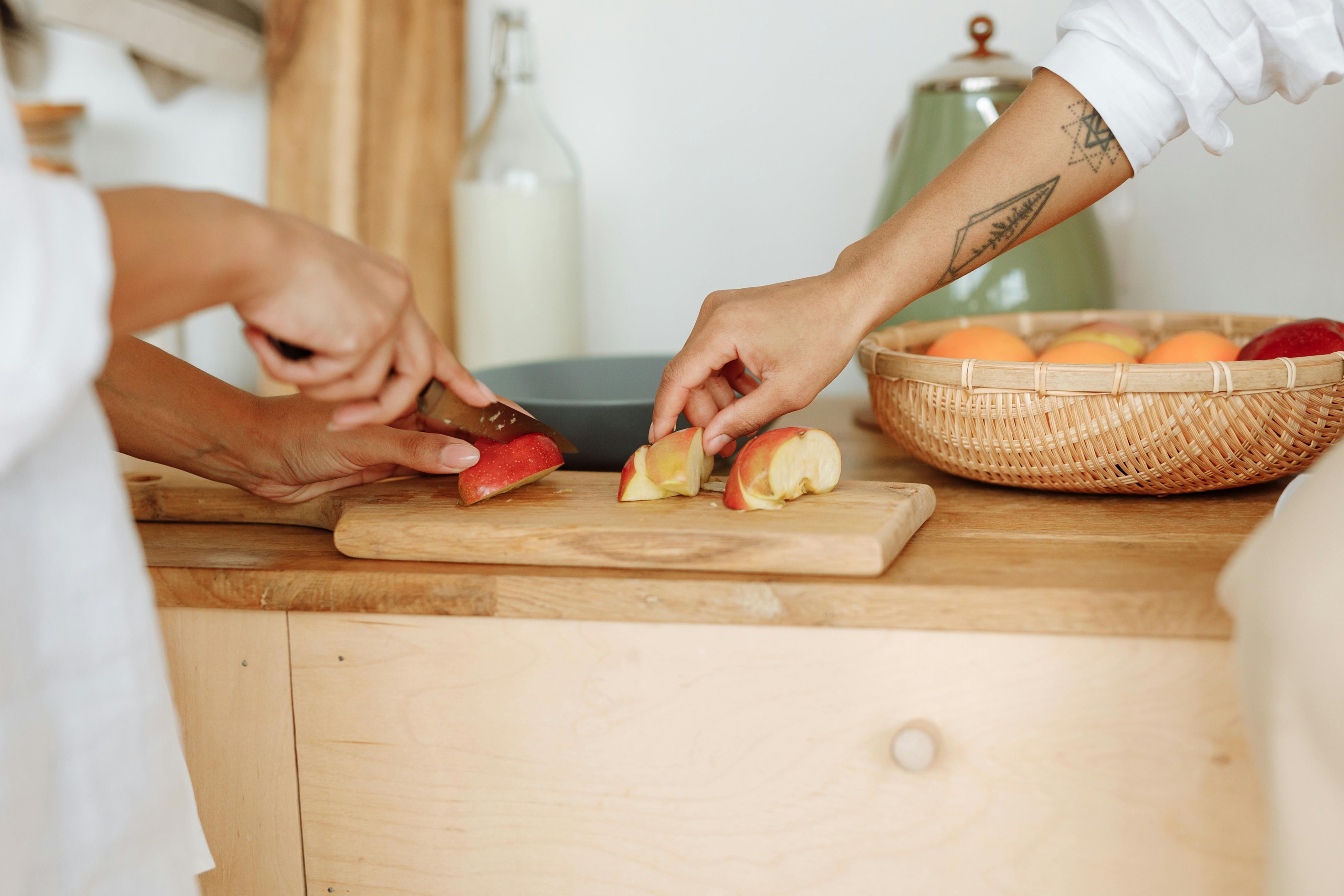
2. Large cutting board.
I have one wooden cutting board. Wood is actually antibacterial! Check out this report from the University of Wisconsin to learn the details.
Wood also doesn’t damage knives (like glass boards do), and it doesn’t inject microplastics into your food (like, obviously, plastic boards do).
Wooden boards aren’t the only option, of course, but personally they’re my favorite.
Wooden cutting board care.
Avoid the dishwasher! Just scrape off residue and wash with warm water and a mild soap. BE SURE to towel dry your wooden board immediately–letting it air dry will cause drying and cracking.
You can also oil your board with something like mineral oil or beeswax to help it retain moisture, though some say it’s better to leave it au naturel to get the full antibacterial benefits.
When your board is thoroughly chopped up, you can sand the surface to create a brand new board!
3. Stainless steel nesting mixing bowls.
I love my nesting bowls for food prep, and I keep them in several sizes that fit into each other. You can grab a set with lids to make them double for food storage!
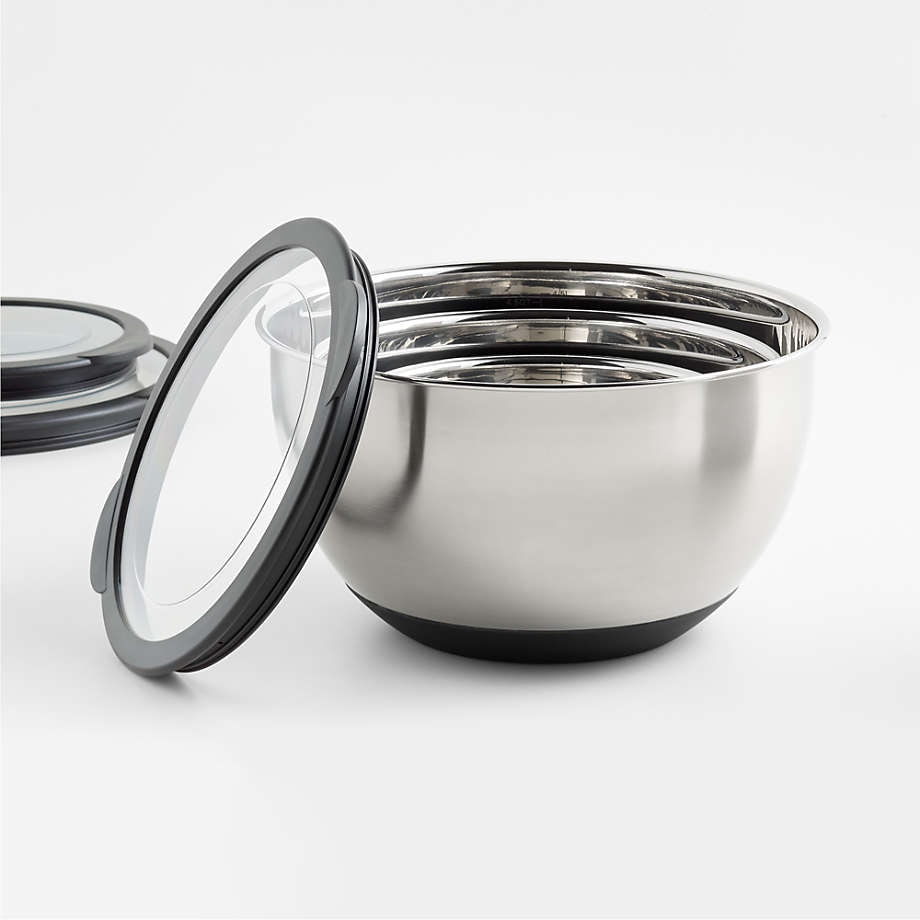
How to buy sustainably: Secondhand. If you’re a regular thrift shopper, you could collect a matching set without much difficulty! At least, my local thrift stores seem to be overflowing with mixing bowls at all times.
4. Heavy-bottom sauce pan.
I use a stainless steel sauce pan and a cast iron skillet. When checking for quality (especially if buying secondhand), check for a heavy bottom. You also want to ensure that the bottom is flat–try it on a surface to see if it wobbles.

Tip: Stainless steel pots and cast iron skillets are great pieces to buy secondhand. Check your local thrift stores or swap pages to save some money and waste!
5. Sheet pan/baking sheet.
I have two sheet pans, because I tend to make large batches when I bake things, but you can skate by perfectly with only one.
6. Spider strainer or tongs.
We need something to grab those noodles with! A spider strainer or pair of tongs will perform this perfectly, so ask yourself which tool will have the most uses for you. You may only need one of them!
Personally, tongs get more use at my house.
7. Heat-resistant spatula or wooden spoon.
I keep my jar of rubber spatulas and wooden spoons beside my stove. Rubber spatulas will out-last you, if you’re sure not to leave them sitting in a hot pot.
Wooden spoon care.
For pretty much any wooden utensil or surface, it’s important to dry it immediately after washing. You can oil wooden spoons with mineral oil or beeswax, too! I use jojoba oil, since it’s what I usually have on hand.
Avoid the dishwasher.
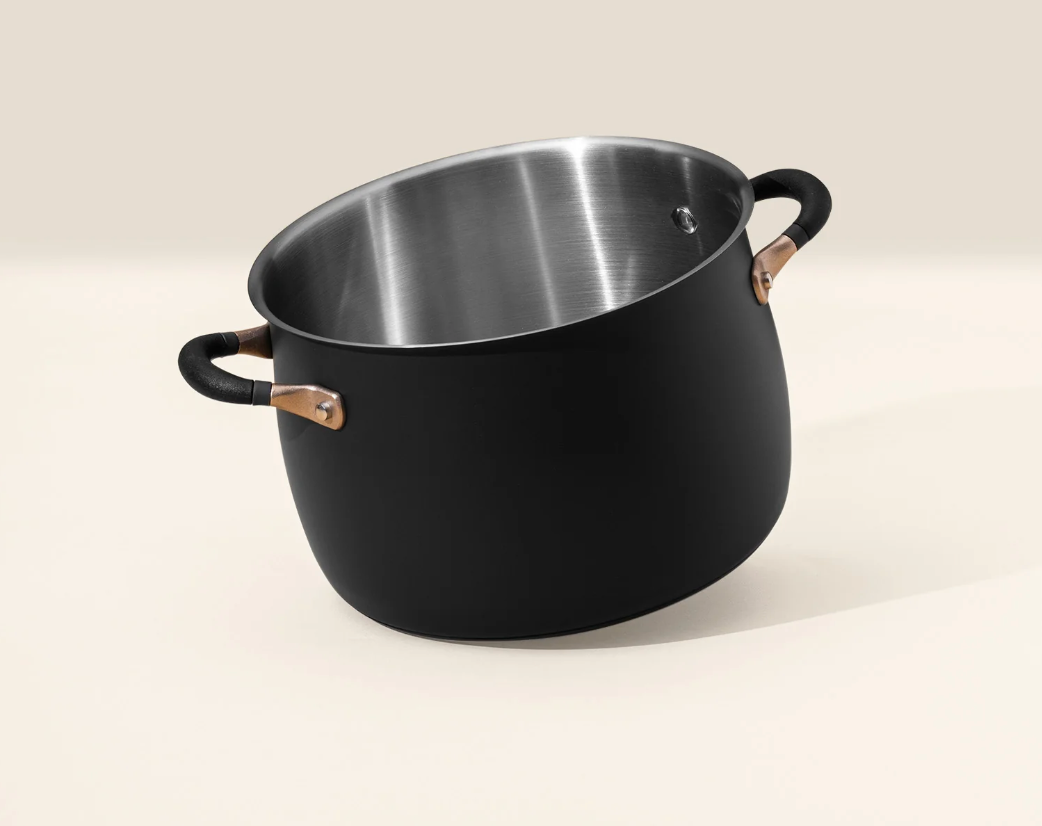
8. Soup pot.
I love to make big soups and gumbos, so a soup/stew pot is a must for my house. If you don’t cook large portions, you can really get away with boiling things in a deep skillet, allowing you to use one tool for multiple purposes.
If you have the need for a large pot, here’s my recommendation:
9. Measuring tools.
If you bake, you’ll need measuring cups and spoons! When cooking, you can kind of follow your heart, but baking comes down to a science, so you’ll need to be scientific with it!
The most you should need is set of measuring spoons, a set of measuring cups, and a kitchen scale.
10. Casserole/baking dish.
A well-selected dish can function for any oven-baked meal, from casseroles to cakes to roasting vegetables. I prefer stone or ceramic, because I find they cook most evenly, but a glass or dark metal piece could work as well.
A dutch oven could serve the same purposes with more volume:

11. Thermometer.
The type of thermometer you go for depends on what you’re cooking and how often. If you’re a big meat-eater, you’ll want one that can stay in the oven with your roasting bird.
If you just need a quick check on things like boiling water for tea, hot oil for frying, and the occasional chicken, you can get by with something more affordable. I’ve included two good options at different price points, depending on your needs.
You could invest in a fancier option, like this Ninja ProChef Wireless Thermometer that you use with an app:

Or something more modest like this one that’s under $10:

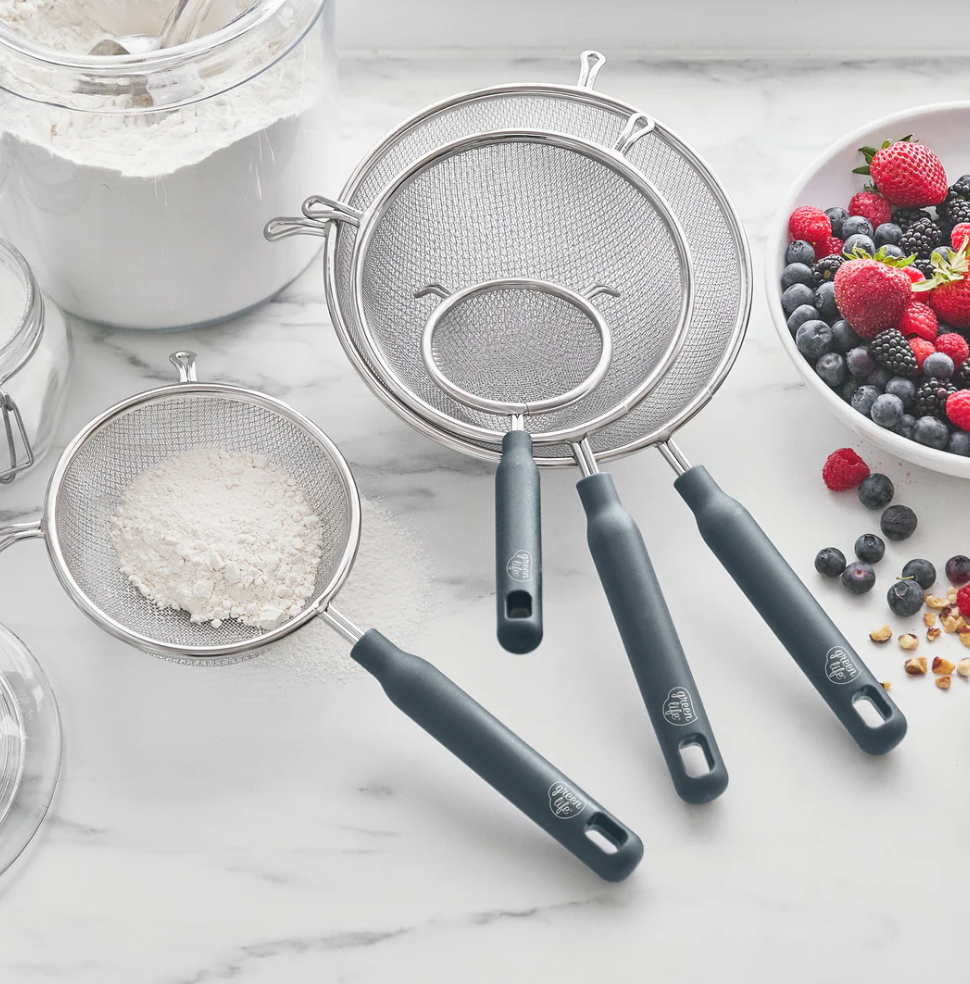
12. Colander/strainer.
This might not be an essential kitchen tool for you, but a colander or strainer can make life much easier. Depending on the types of dishes you cook, a pair of tongs might serve in the place of a strainer, eliminating the need for one more tool.
I don’t keep colanders. I have a three-piece set of strainers, and I use the biggest one in the place of a traditional colander.
Think about what tools you have in your kitchen that might already serve the purpose of a purchase you’re considering.
And that’s really all of the basics! If you cook a lot, here are a few other tools I find particularly useful, but may not have a place in every kitchen.
Useful kitchen tools for cooks.
These are some not-super-essential tools that I personally love and get a lot of use out of. Let me know your non-traditional kitchen essentials in the comments below!
1. Immersion blender.
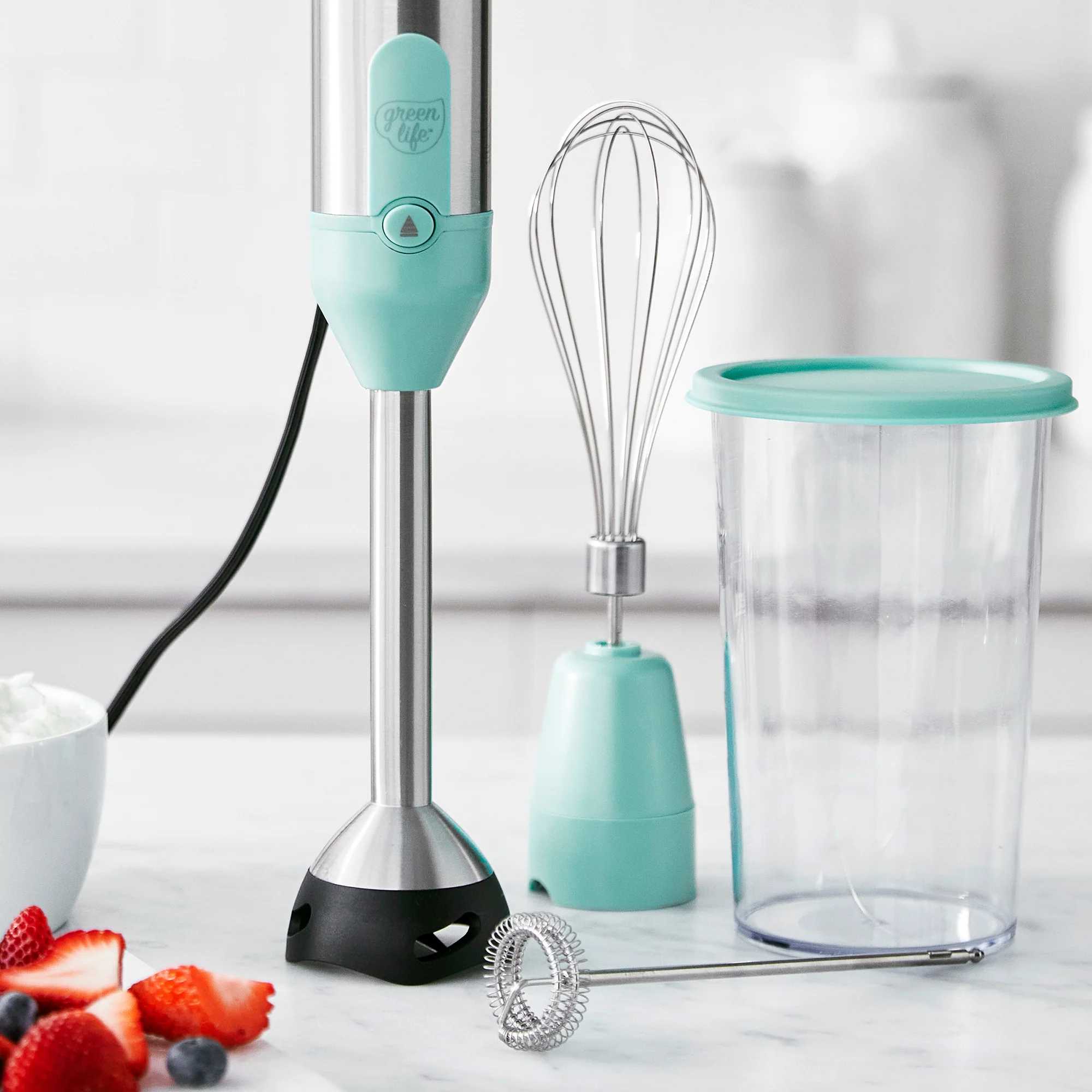
Like I said, I’m a big soup fan, so my immersion blender gets a lot of mileage. It can also double as a food processor! A spinning blade is a spinning blade.
For even more utility, you can try something like this three-in-one immersion blender for blending soups, chopping veggies, frothing milk, making salad dressings, and lots more!
2. Whisk.
For most purposes, you can use a fork instead of a whisk. For me, I can’t STAND the grating sound of fork tines, and I stiffen a lot of egg whites, so I like my whisk.
If you bought the three-in-one blender above, you don’t need one!
3. Salad spinner.
Salad spinners are GREAT for people who eat leafy greens. If you’re not eating leaves, watcha got a salad spinner for?
Honestly, my first recommendation for people with little-used salad spinners is to start using it! My second recommendation is to go ahead and get rid of it. Most people have an unused salad spinner somewhere in their kitchen cabinet.
If you have a colander or strainer, a salad spinner can be clocked as a luxury, and therefore, non-essential.
4. Food storage containers.
I’ve got food storage containers on the optional list because not everyone cooks enough for leftovers! Some people don’t even store their leftovers if they do end up with them.
Reusable bags.
Instead of buying one-use plastic bags to store your food in, try a reusable bag that you can just wash and use again. But beware–these can be pricy!
Reusable wraps.
Reusable food wraps are usually fabric coated with beeswax, making it malleable. You just use, rinse, and reuse! They’re incredibly cost-effective.
You can even make them yourself, if you’re feeling crafty: Homemade Beeswax Wraps.
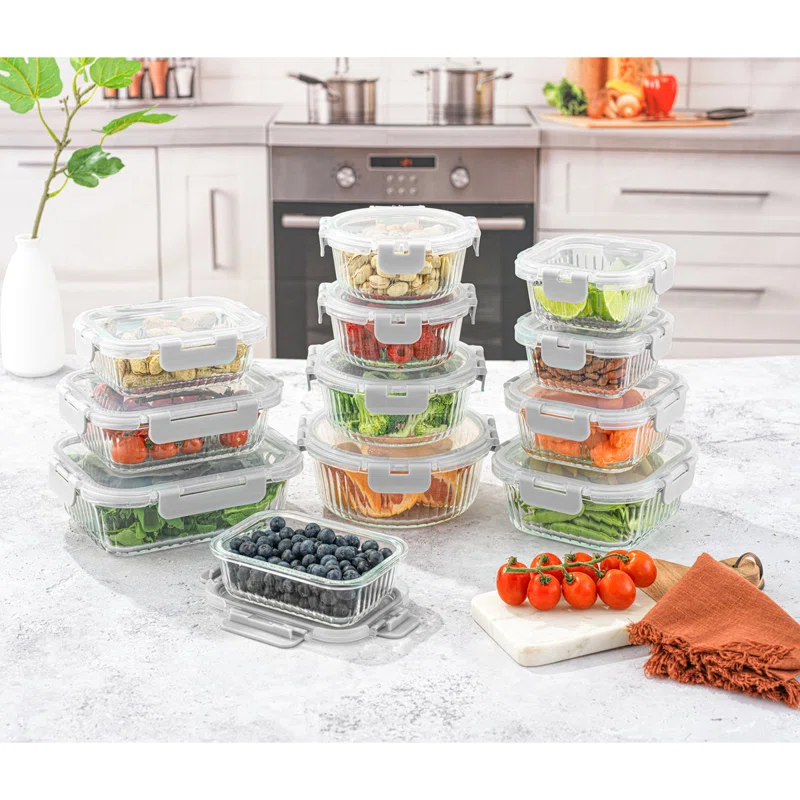
Glass containers with seal snap lids.
For stability, versatility, and durability, I love glass food storage containers with sealed lids that snap into place. As a bonus, they’re dishwasher safe, oven safe (minus lids), and won’t shed microplastics.
They’re great for liquids, freezer storage, and cabinet storage! When your containers are rigid and heavy, you’re forced to keep them neat in the cabinet. You can’t just toss a glass container into the cupboard and wish it the best. These types of bowls make every bit of the experience a little better.
5. Bench scraper.
Bench scrapers are helpful, but not necessary. They’re good for transferring chopped vegetables to another dish (which you can use your knife and chopping board for), for scraping dough together on a surface (which you can use your hands for), and in general anything that would benefit from you having a wieldable flat surface.
A bench scraper is so helpful for working with dough! If you bake a lot and already have a bench scraper on hand, it becomes quite helpful for things like scooping and moving chopped items.
If you don’t work with dough, I don’t think a bench scraper has enough uses to justify buying.
6. Cheesecloth.
Cheesecloths are quite versatile as well. I use mine for apple cider, soups, homemade cheese, infused oils, large volumes of tea, and broth. For many uses, you can get by with your fine-meshed strainer, so I don’t recommend cheesecloths for every kitchen–just if you have a particular need for it.
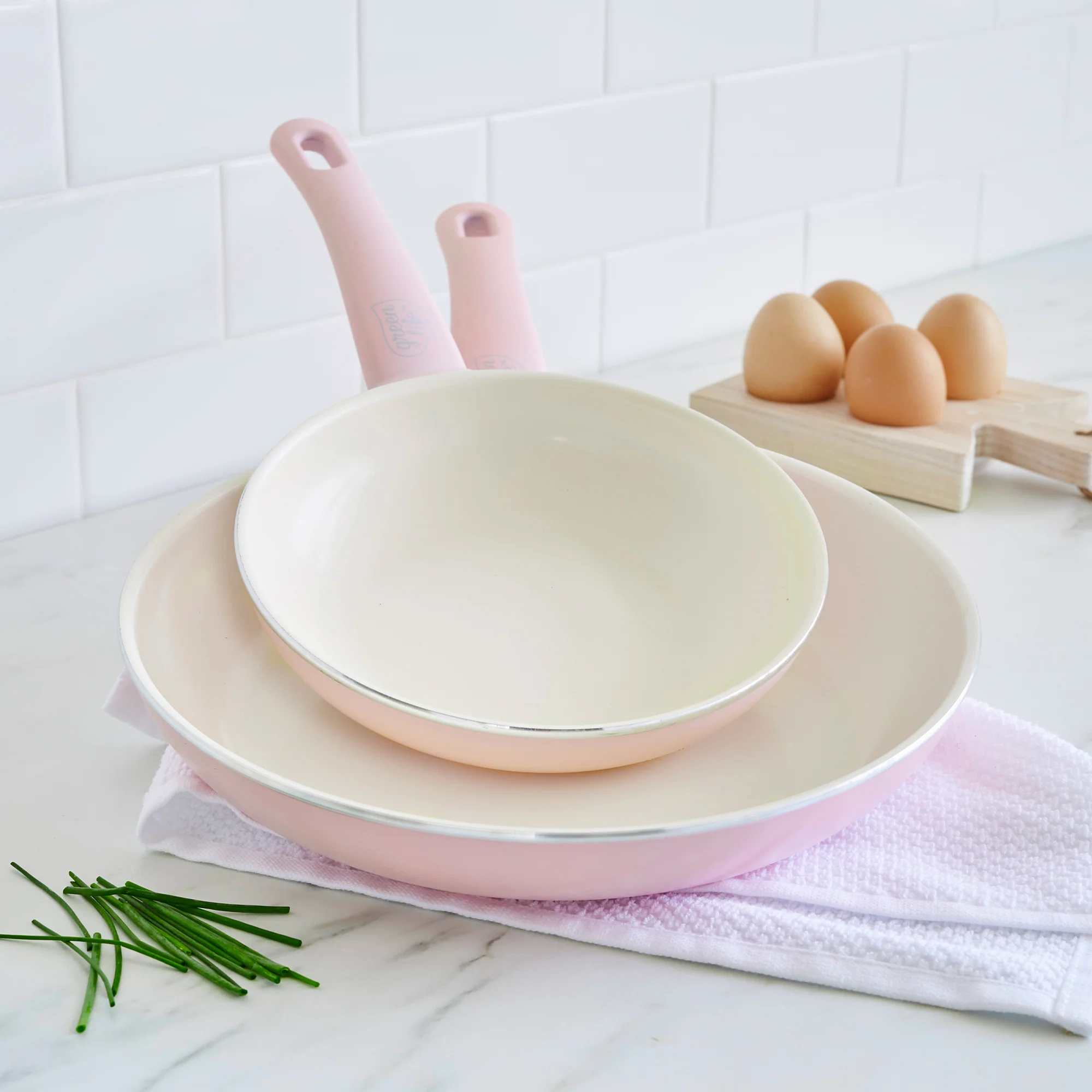
7. Non-stick skillet.
Non-stick skillets are either optional, or they’re the only one you need. If you’re going for a truly minimalist kitchen, you might go with either the non-stick, a cast iron, or a stainless steel skillet. Non-sticks are typically easier for people who aren’t too into cooking.
I don’t recommend buying non-stick skillets secondhand, as their surface is typically already damaged. If you want a non-stick, buy it new, and don’t use utensils that will scratch the surface. I recommend red rubber spatulas for your non-stick pans.
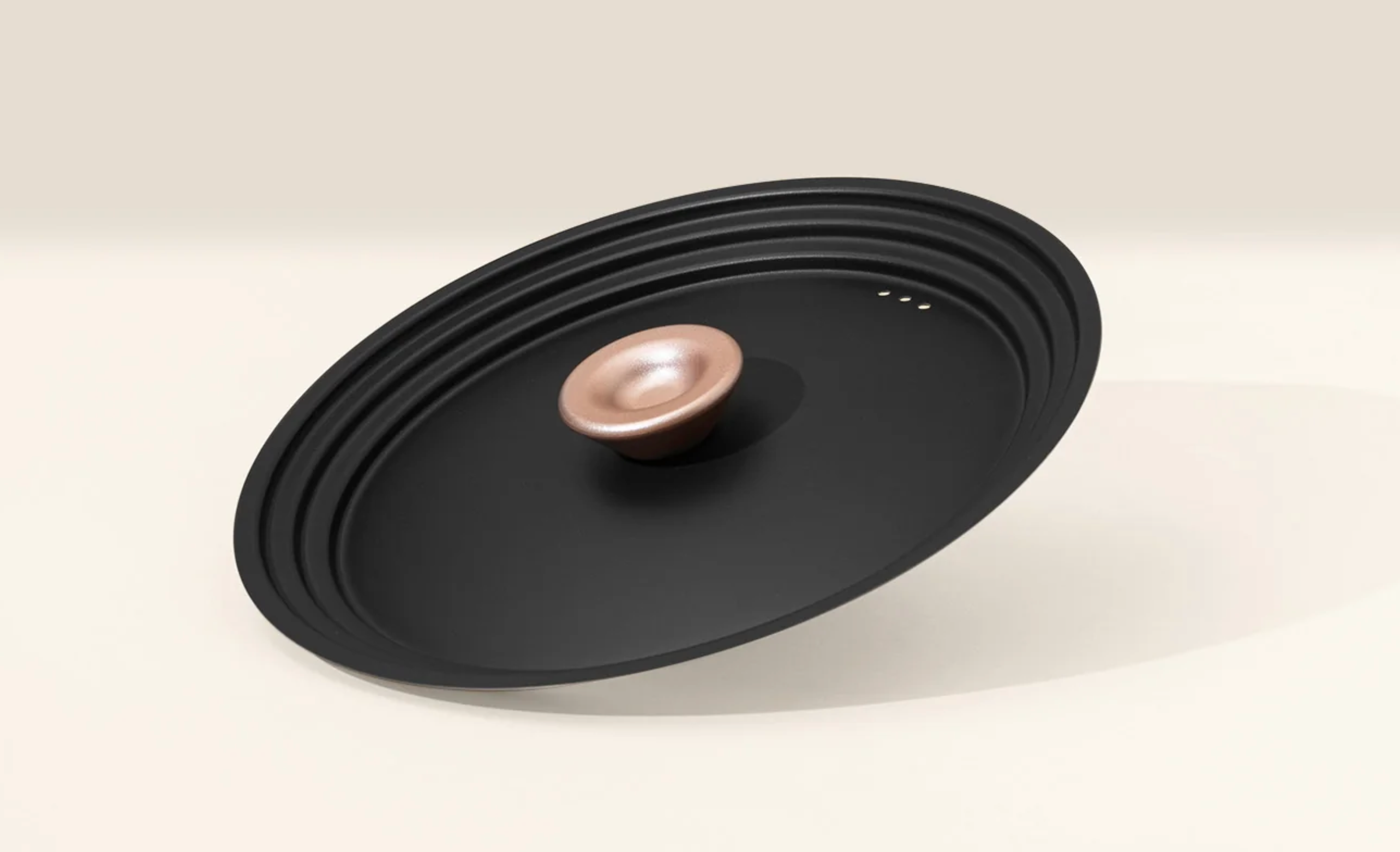
8. Universal lid.
Ditch every pot and pan lid in your house in exchange for one: The universal lid. You don’t even need to buy the matching pot and pan sets! The lid will work on the pots and pans you already own.
Kitchen items you don’t need.
Some specialty items have a place in very few kitchens. Those with coordination and hand strength complications, young children, new cooks, or that guy that eats nine apples a day might have a use for an apple corer, but most of us have no problem using a chef’s knife to slice up an apple.
The easy way to tell if you need a single-use or superfluously helpful item is to notice how often you use it. Use it every day? Love it? Great–it doesn’t matter how random it is, keep it.
Some examples of kitchen items that might be redundant to your collection include things like:
- rice cooker
- crock pot
- garlic press
- muffin pan
- excessive serving dishes
- coffee pot
- single-use items
- duplicates
- banana slicer
- apple corer
- avocado storage
- multiple sets of measuring spoons or measuring cups
- extra ice cube trays
- more grocery bags than you could ever use
- novelty cups, mugs, and bowls you don’t love
- gimmicky knife sharpeners that don’t actually work
- impulse-bought small appliances you never use
How to determine your essential kitchen tools.
An easy test to weed out the cooking utensils and gadgets you don’t need is to put everything away in the cabinets, then take items back out as you use them.
Keep them on the counter top or somewhere to the side.
At the end of the month, evaluate which tools you’ve actually used. You’ll probably be surprised at how little you need!
How to declutter your kitchen.
Armed with your list of minimalist kitchen essentials, you might be ready to start decluttering! I recommend starting with the kitchen cabinets, since that will free up space to get things off of the kitchen counters, which makes everything a bit easier.
Here’s your ultimate guide to decluttering kitchen cabinets!


I noticed that you didn’t include a citrus squeezer in your lists. What do you do to remove the juice from lemons, limes, etc? I’ve been using a fork to juice things, but my technique must not be very good, because it doesn’t work very well, and is pretty messy!
I use a pair of clean hands myself, but if you find a lot of use for a squeezer, you should have one! Everyone’s essentials will be unique to them, I think.