

Mentally exhausted people WANT a tidy space. And a tidy space can greatly contribute to our overall mental health. But we don’t always have the energy or focus to pursue decluttering the “normal” way.
If just looking at the mess in your house makes you want to crawl under a blanket and cry, know that you are NOT lazy. You’re tired. And that’s real.
Here are five gentle, low-pressure ways you can make real progress toward the home you’d like to live in–even on your worst days.

1. Pick a surface, not a room.
Typically, I recommend that people focus on one area at a time when they start decluttering, instead of the entire home.
But for ADHD-friendly decluttering, working with chronic fatigue, or any executive dysfunction struggles, I recommend picking a specific surface–not an entire area.
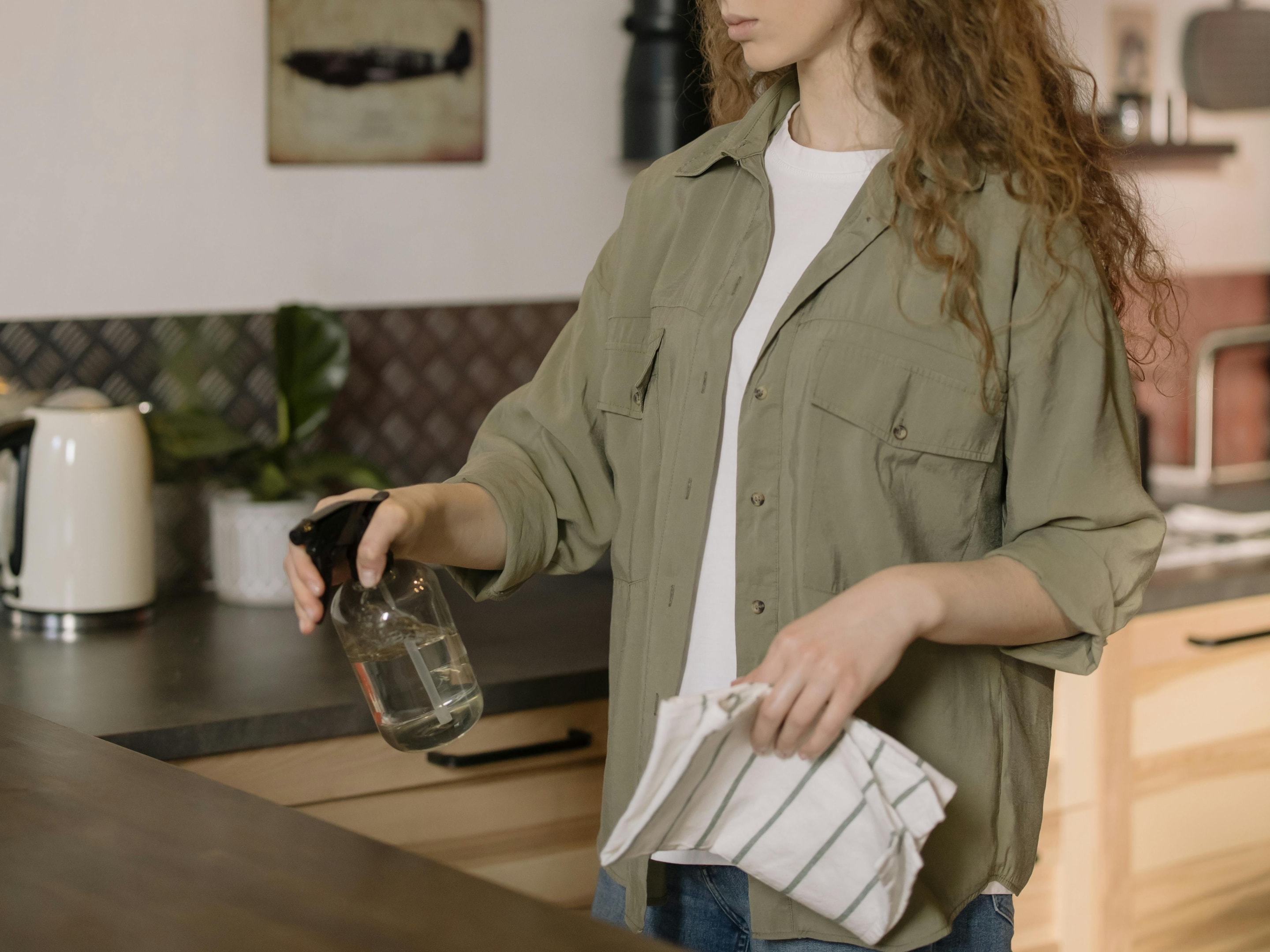
In the kitchen, this could be a single counter. The dining table. The sink.
In the bedroom, this could be your bedside table. Your desk. The floor space you use to get out of bed.
If you set up camp in the living room, try clearing the coffee table.
Now remember: You’re not cleaning the whole room. You’re just helping this one little spot breathe.
To make this even more achievable, don’t press yourself to finish decluttering the entire thing. Just set a timer for five or ten minutes and work until it goes off. You could also work on a surface during some natural pause in your day, like waiting for your kettle to boil, or while you’re taking a phone call.
You don’t even have to start right away. Choose a surface that you think would really help you to feel a little less stress in your day, then, when those natural pockets of time appear (like taking a phone call), you can chip away at it for however long you’d like to.
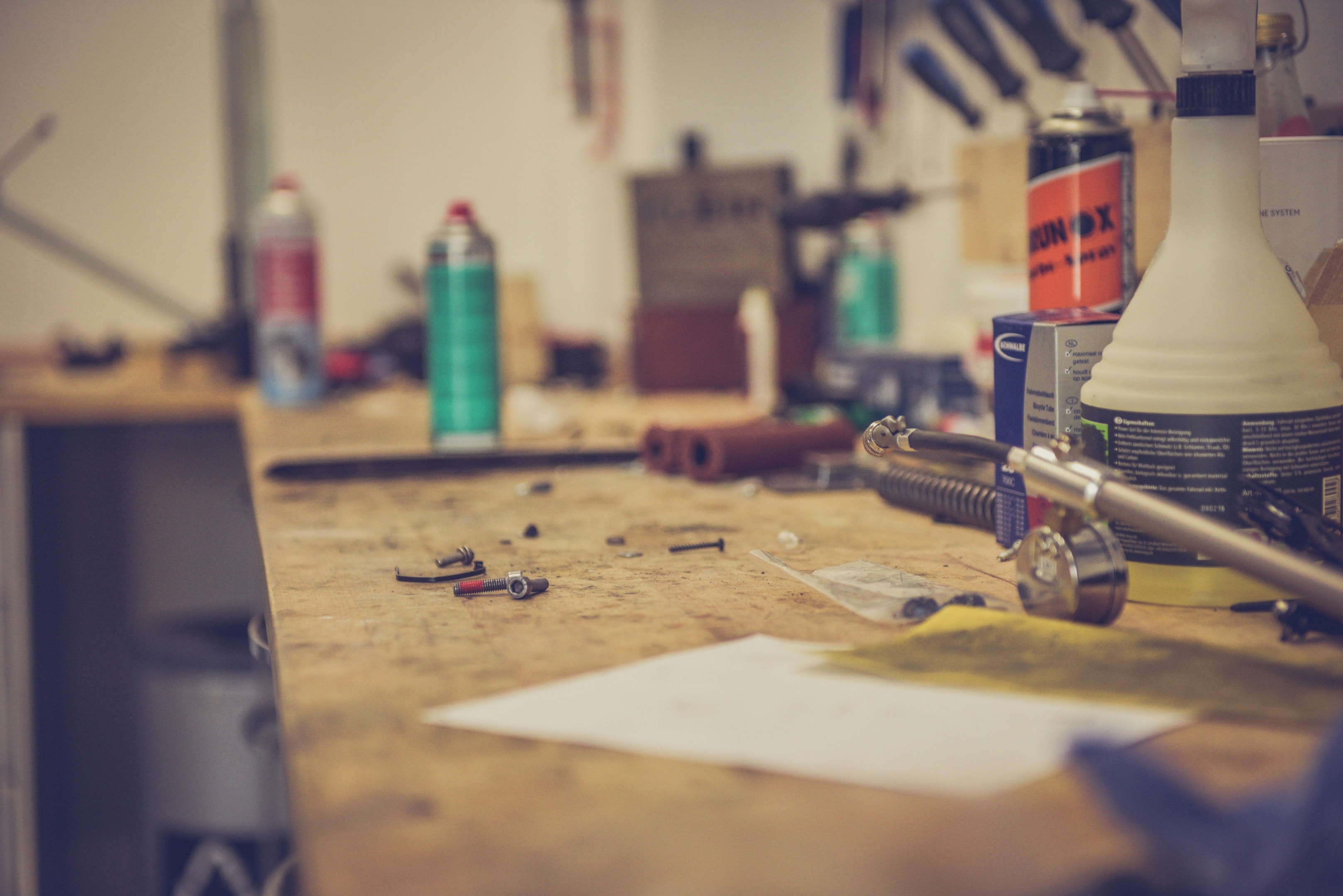
2. Use the “Toss 5 Things” method.
This is a super low-effort strategy. Just look around and find five things you can throw away, recycle, or relocate.
You might do this once a day, every other day, or every time you leave/enter a room. Maybe you do five things in each room of your house daily.
Or maybe you just do five items total. That’s perfectly okay.
You might frame it like a game or scavenger hunt. Try to find 5 of X item–broken things, expired products, empty soda cans, etc.
Tip: Keep a small box/bag somewhere visible for your “Toss 5 Things” sessions. This will give you somewhere to put your donations, plus work as a visual reminder when it’s time to do a little decluttering.

3. Declutter from your bed.
You don’t have to be upright to make progress. On low spoon days, I’ll bring my laptop to the couch and work from there with my pillows, blankets, and a dog to pet. You can do this with any type of work, including decluttering!
For example, you can roll over and spend a few minutes going through your bedside drawer.
You can bring in a stack of paperwork to sort.
You can do a digital declutter from your phone or laptop. Work through photos, apps, messages, etc. Maybe you can even work toward Inbox Zero.

4. Use a flowchart for easy decision making.
Mental exhaustion often comes with decision fatigue and executive dysfunction. I once heard executive dysfunction described as trying to force together like-sided magnets. They’re so close, and you can push them together as hard as you want, but there will always be an invisible resistance fighting against you.
To help move through that resistance, you can use a decluttering flowchart. All you have to do is follow it to your answer, cutting out the mental fatigue that often comes with decluttering.
Download one for free here:
5. Make visible progress.
When it comes to choosing a decluttering project, go for something obvious. Choose an area that makes an immediate visual impact: a cleared table, a made bed, an emptied trash can.
We can take hours sorting through all the stuff in a drawer, then at the end, our home feels just as chaotic. But just a little bit of effort and a few minutes of time on an obvious area can make you feel so much better about your environment.
Then celebrate that small win! Take a picture, text a friend, or drop a pretty vase of flowers on that newly cleared surface.
Remember: Even five minutes is enough to make progress. You don’t need to run a whole decluttering marathon to make a positive impact on your space.
Which one of these feels do-able right now? Let me know in a comment or the Facebook group–or just celebrate your progress with us! We’re all cheering you on.
Gentle reminders about decluttering with illness or disability.
Chronic illness and disabilities are not for the weak. If they’re something you struggle with, that means you are certifiably Not Weak. You just need to listen and respond to your body’s needs with more adeptness than the average joe.
Here are a few things I want you to remember.
You don’t need to be “better” before you start.
You can start messy. You can start tired. You can start overwhelmed. There is no magic pill that will fully fix you and suddenly make everything in life easy. We have to take those tiny steps toward creating an gentler life for ourselves.
The steps don’t have to be big! They don’t even have to be “steps,” plural–just take one tiny step today.
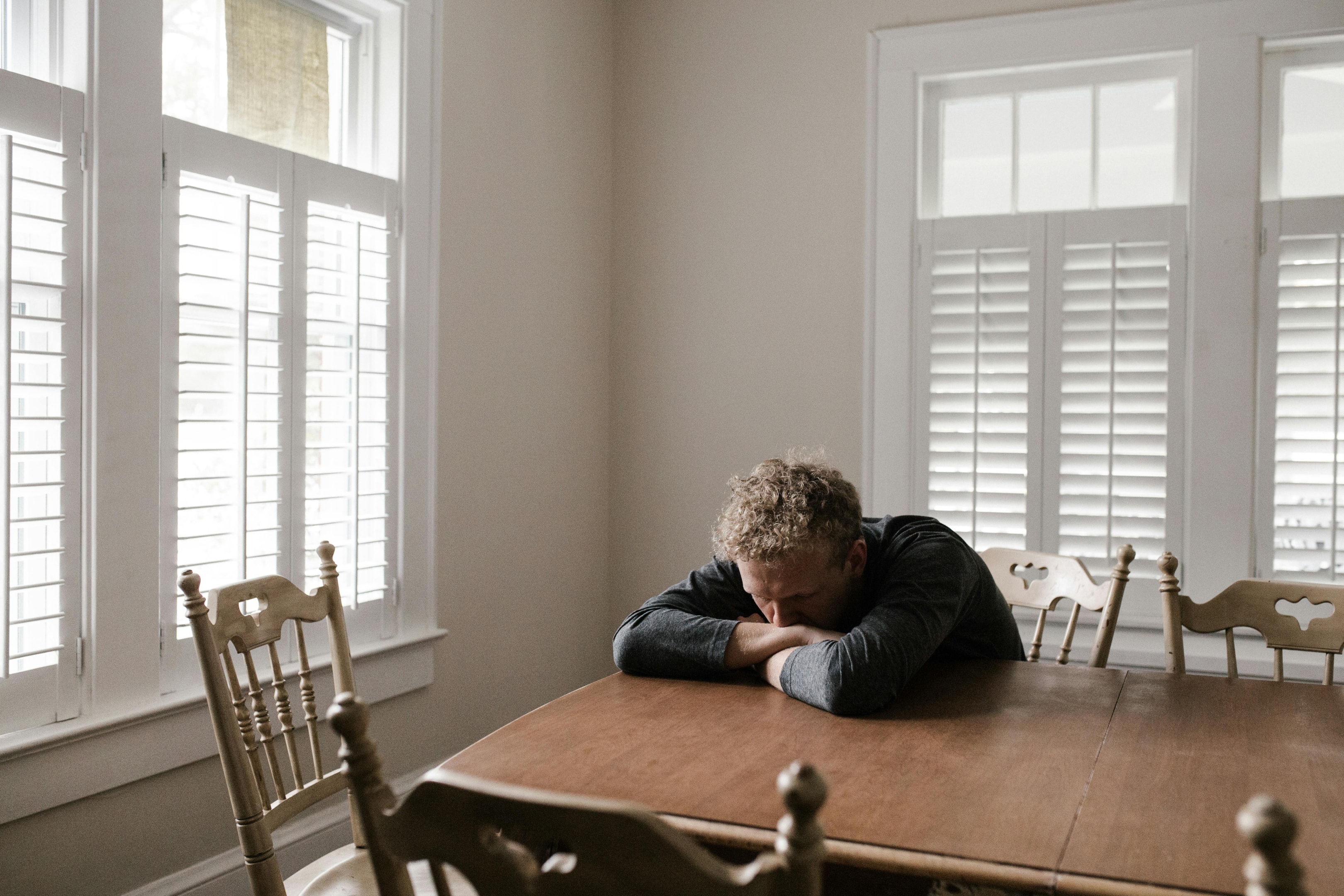
It’s okay to ask for help.
I don’t know about you, but it took me years to learn to ask for help. With anything. I started out life with a defiant independence, then my body humbled me, crazy style.
It can be uncomfortable–even painful–to admit that we need help. But wouldn’t you want your loved ones to reach out if they were struggling with something you could easily help them with?
And help looks different for everyone. Maybe you just need a friend to sit in the room and body double with you while you sort through piles. Maybe you need someone to physically assist you. Maybe you need to hire a professional organizer or buy a monthly deep-clean.
Take a look around and assess the resources–including friends–that you have access to. You don’t need to make things harder for yourself by being stubborn.

Healing isn’t linear.
Hearing this when I was at my worst was one of the more annoying things, for sure. But it’s true. With any kind of healing, we cannot expect to go from Point A to Point B in a straight line. There are twists, turns, and loop-dee-loops.
We’ll fall. But we can get back up. And overtime, we can get up quicker and with fewer bruises. Don’t expect that it will be nothing but wins. Know that you WILL fail–and know that that’s okay.
Especially with a permanent condition, our bad times can feel impossible. It feels endless. It makes us ask, “What’s the point?”
But there’s always something we can do to improve our circumstances. The simple act of having a goal, like decluttering your house, can give your day purpose and help you get out of bed again. Or, help you stay in bed and declutter your side table while you’re there.
Don’t forget your free flowchart to help breeze through those decluttering decisions without exhausting yourself. You’ve got this!
