

I remember as a kid grabbing up my mom’s copy of Clutter’s Last Stand and reading it through. I decluttered my toys, and my room would be okay for, oh a day. Then it would creep back in and my room would look pretty much exactly how it started out.
It continued on through my life as a young mom and even on my journey to minimalism–this was a constant battle. I would get a room the way I liked it and then a month later, I wouldn’t be able to tell a difference. My whole house looked like a junk drawer.
So many bags and boxes kept leaving my home. Why wasn’t it becoming what I wanted??

How to keep a clutter free home for good.
Decluttering is not the end result—it is merely the first step.
You don’t become instantly happy and content by just getting rid of your stuff—at least not in the long run. Decluttering doesn’t work like that.
If you simply embrace the what without the why, you’ll get nowhere (slowly and painfully, by the way, repeatedly making the same mistakes).
It is possible to get rid of everything you own and still be utterly miserable, to come home to your empty house and sulk after removing all your pacifiers.
So how do we make all of this work and effort we’re putting in last for the long run?
First off, you have to ask yourself some serious questions:
- Why do I want to simplify my life?
- What do I want my home to look like and feel like?
- How do I want to live my life?
- Why am I discontent?
- Why do I feel I need possessions?
Knowing where you want to go and what you want to accomplish with decluttering is very important.
Decluttering, in and of itself isn’t the goal. It’s a means to an end.
To what end are you working?
What do you want to do with your life when possessions aren’t taking up your time and energy? Create a vision for yourself. Imagine you home the way you want it.
Then imagine what you will be doing with your time.
What does your ideal home and life look like? How do you wake up? What do you do to fill your days? What does it look like when you have your dinner meal? How do you spend your evenings?
Having a clean picture of your ideal home and life is important to your decluttering journey. You need to have a goal to think about as you remove those bags and boxes from your home. Otherwise, what will prevent you from shopping at the thrift store when you drop those bags off?
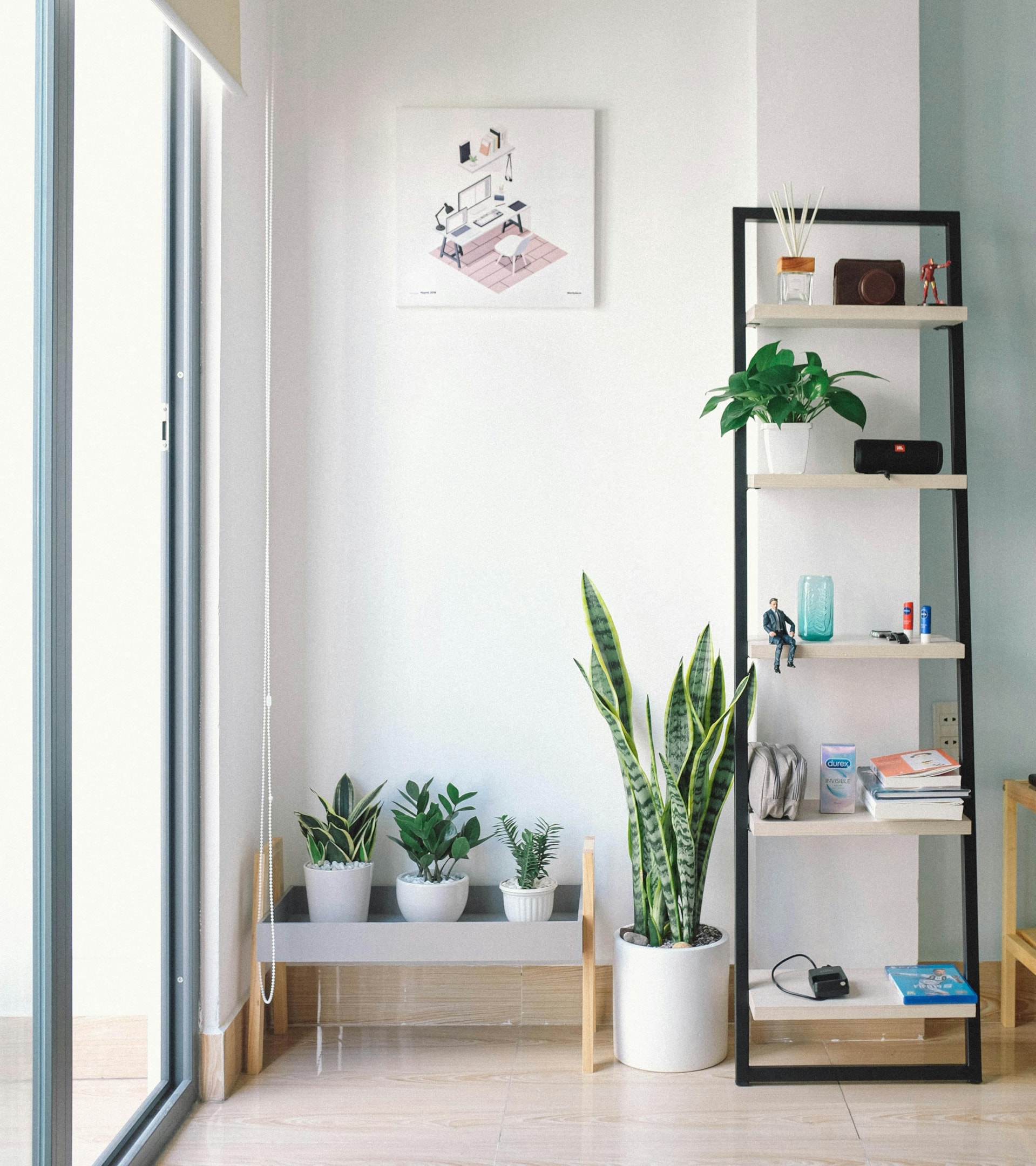
You don’t need more storage solutions. Your items need a home.
Decluttering is the important first step. You can’t give something a “home” if there is no space.
If you bring home a new shirt and don’t have an inch to spare in your dresser or closet, that shirt will be left out… it sits on the dresser top or chair, because it doesn’t have a home.
But you can’t very well give it a home until you let go of something else, can you?
So, spend some time decluttering. Let go of the excess and when you have only the things and that you love/use/need in that space, then you can take time to give each item a home of it’s own. There is no need to buy organizational tools. If you only keep the essentials, there will be plenty of space for them.
“If you have to buy stuff to store your stuff, you might have too much stuff.” Courtney Carver
When you declutter a space, spend some time there deciding how you want to use it.
Example: homing the entry way
Let’s start in your foyer slash garage slash whatever door you enter your house through.
First, sort through it all. Does everything in that area get used there? Do you actually need, use, or love every item?
If you have six jackets that pile up in the foyer closet, pull them all out and only put back the ones you really like wearing. We always have our favorites that we grab first. We really don’t need the rest.
With the items left over, ask yourself if they have a phone.
Do you need to install some hooks?
Put a few more hangers in the closet?
Find a place for those jackets to belong.
The first step is decluttering down to the things we really love. The second step is finding a home for everything left. And the third step is upkeep–when you bring in more stuff, find a home for it! That might mean evicting the last tenant.
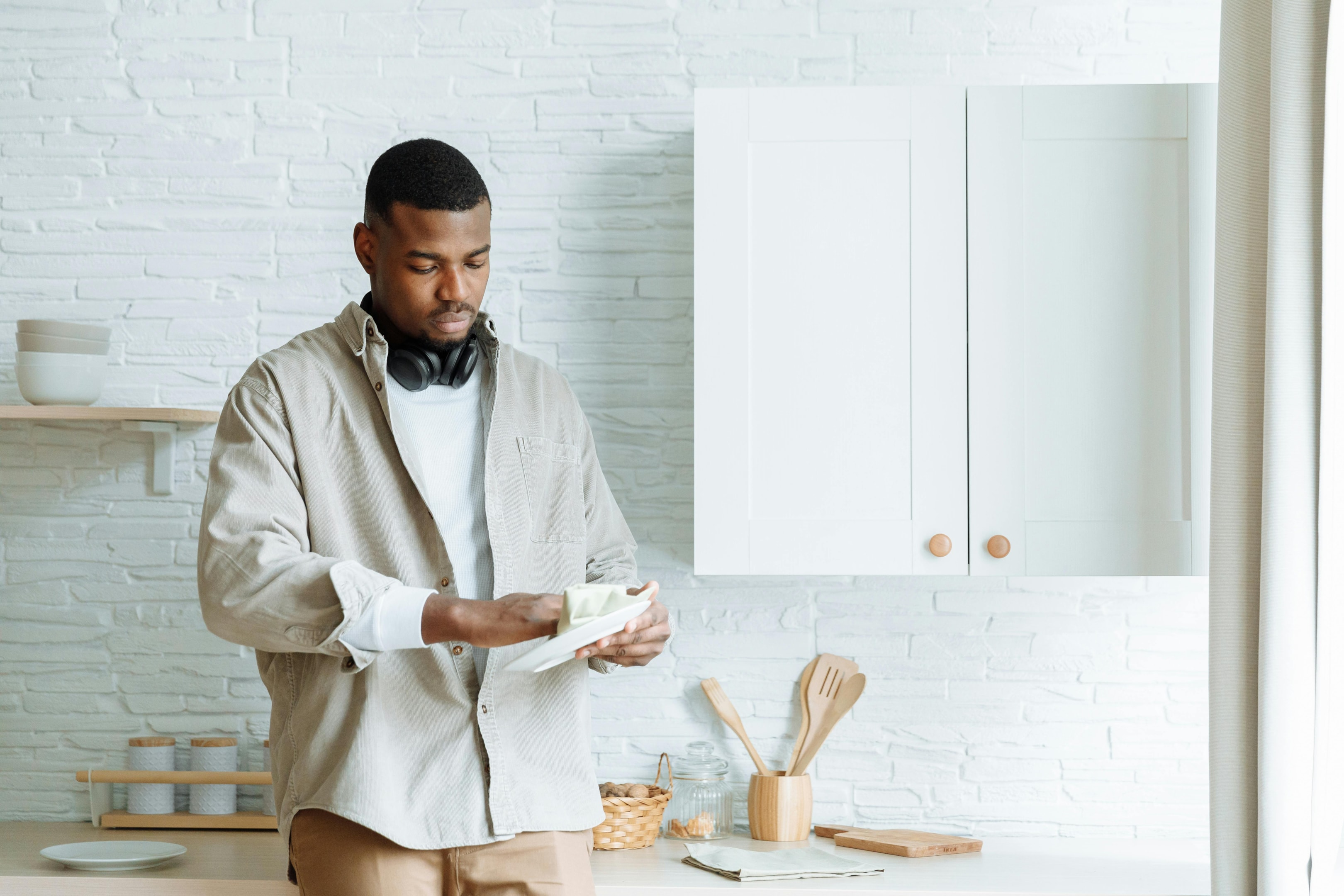
Routines: Take some time to change your habits.
When I teach decluttering, I start with routines.
If you don’t have some daily cleaning routines or rituals in place, you can be uber-minimalist and only own 100 items, but there will still be clothes on the floor, garbage on the counter and dirty dishes laying around the house.
Developing habits takes effort, but if can be done and it can become a joy. When you make tidying a regular part of each day, it begins to flow through your day without you having to decide to, and soon having those clear counters and clean dishes will be typical and effortless.
How to keep your home decluttered.
Unless we create new habits and routines, we will create mounds of household clutter again. It doesn’t matter how creatively you organize, how much money you spend on storage solutions, or how passionately you feel about living simply–if you don’t make active change in your daily life, your home will return to its old equilibrium.
So to summarize.
1. Declutter thoroughly.
To keep a house clutter free, we have to start clutter free. In whatever manner and method you prefer, declutter your home.
If you’d like some guidance, try out these clutter-busting charts for a room-by-room game plan.
2. Assign a home to EVERYTHING.
Every single thing you own should have its own home. To prevent clutter is as easy as assigning a spot for everything. If you don’t have enough homes to house your things, they’ll spill onto the floors and the surfaces all over your house, quickly leading you to feel overwhelmed.
3. Monitor incoming items.
As new stuff comes in, take the time to make space for it. That might mean letting go of something else.
If you acquire a new item and the logical place to put it is already filled with a similar item–make sure you prefer the new one. The solution might be to pass on the new thing and stick with your original.
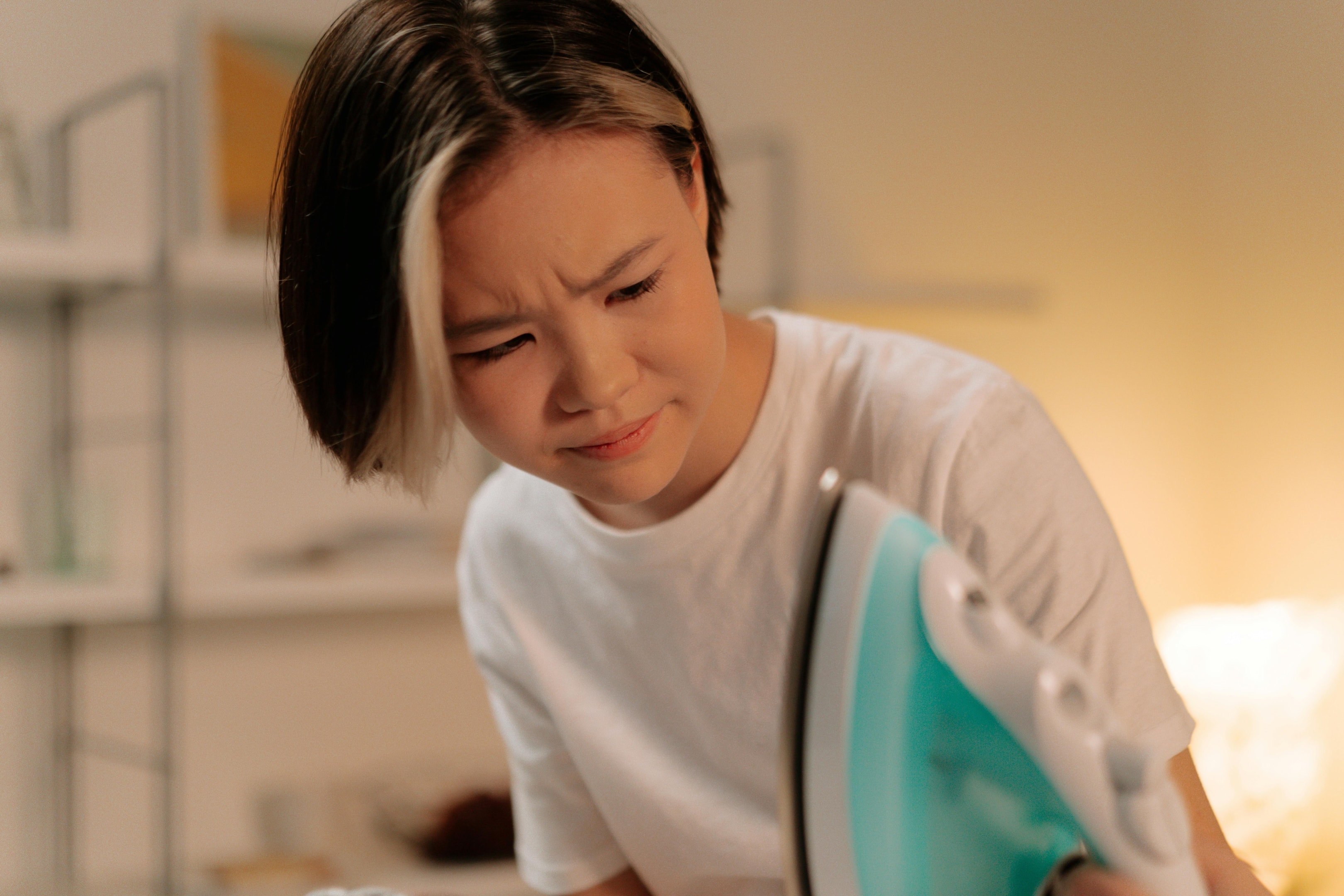
4. Establish routines.
Routines are how we keep up with our systems. Those daily habits are what makes a household function.
Your bare minimum daily tasks are probably doing the dishes, clearing the kitchen counter, collecting garbage, and maybe doing a load of laundry if you have a big family.
It’s also a great idea to get in the habit of a daily reset. Do a quick sweep of the kitchen, living room, dining room, bedrooms, and bathrooms to put things back where they belong.
Instead of piling junk mail by the door, make it a habit to deal with it as soon as you bring it inside.
A simple ten minutes per day can be enough to keep things livable.
5. Remember your “why”.
It’s easy to forget our original motivation for decluttering in the first place. Remember your answers to the questions above and keep them in mind as you move forward.
And don’t forget to check out these Clutter-Busting Charts to help you regain control of your space.


Thank you Rachael,
all of what you have written makes perfect sense.
I loved the line about what is going to keep me from shopping at the thrift store after i drop off the bags of stuff!
i will keep pressing on through the journey of minimalism with you. thank you for the inspiration and motivation.
tidying up,
Christina
I fully support the slogan: don’t declutter, de-own.
Nothing quite keeps a surface or room clean like less stuff to impede.
With that said, of course, I am not gandhi and i do indeed own more than 10 things. I also have two small, so there’s that.
Which brings me to my second favorite minimalost slogan: Everything has a place.
I routinely remind myself that before I toss a shirt to the fLoor, leave my keys onnthe counter, etc.
Also, keeping a clothes basket nearby in the same place to corral the kids’ toys is a plus.
*two small children
Excuse the typos
The comment field is doing strange things. I promise. I won every school spelling bee from Kindergarten to 12th grade.
Thanks Jeffrey. The comment field is a bit off, I’m waiting to hear back from the designer, but she just had a baby, so it might be a while. 🙂
This is just the post i needed to read right now! Just last week I began a “15 minute tidy time” for my son and i to specifically attack the areas that we pile things. it is helping so much to keep the feelings of overwhelm away and to keep those areas in better shape. still have a ways to go but it’s progress!
Good job Lisa!!
I hardly buy a thing other than food and yet my house is always a mess. I have 6 quite young children and keeping their stuff at bay is very difficult…also we live in a tiny house (not ‘cute’ tiny, but ‘legit, this house is too small’ tiny!) so things we actually do need don’t always have a proper place. I have been struggling to keep up due to having several babies and pregnancies basically in a row, I know there is much to improve and this year feels like the time to try and get it back under control!
…I enjoyed the aricle, ..however, I like having bins/ storage toes of all sizes and so forth, to organize and contain things. I have a personal preference for having things ” Not just sitting’ loose, on he shelf, etc…other than in my kitchen. I dont want to move things to find “something thats ‘ behind’ the one thing. ” I believe its about doing what works, in accordance to preferences. For me…I have everything , in my bathroom ..in labeled containers…appropriate sizes/ shapes and so forth. I also love trays and use them to corral “everyday use items.”..which to me, is aesthetically pleasing and functional. Same with my linen closet/ pantry/ .. I dont like things not having a home… and I tend to not agree with the statement that ” If you have to buy stuff to store your stuff, you might have too much stuff.” Not necessarily …; i want to have all my Christmas / other holiday decor in a container. I want to see everything neat and labeled…lol. ..I want to have things in containers, in case I should move….simple…: its in a home,..; put the container in a box, till box is ready..label and voila “. done. 🙂
Agreed
My proven way to keep clutter out of my house is to not let it come through the door in the first place. If I don’t bring it home it won’t exist in my house. Easy. I don’t stop at garage sales, flea markets, thrift stores, any place that I know holds nothing I need or can use. It’s just stuff other people are discarding. Yes, I used to do that years ago then I woke up and realized that the stuff I was impulsively buying at these places ended up in my garage sales!
When I shop for food, clothing, or just about anything, I have a list and stick to it. I don’t go down aisles that have things that aren’t on my list. I don’t “walk the mall” on Saturdays or do things like that. Luckily I wasn’t raised that way so it isn’t in my blood to begin with.
It’s easy to keep clutter from coming back if you don’t introduce it back into the house.
I really liked your comments, they make a lot of sense. Thank you.