

Many parents struggle with this transition—at what point can you fully reclaim your home? You’re technically an empty nester, but the nest is still full of boxes, trophies, furniture, and yearbooks. What should be a guest room, home gym, or art studio has turned into a storage unit. And you’re not even getting paid rent for it!
The situation gets murky these days: kids leave for college, come back home unexpectedly, or struggle financially. Most parents want to keep the door open for emergencies. And in many cases, multi-generational homes can be wonderful, supportive spaces.
But when your child has moved out and their belongings remain, where’s the line?
If you’re feeling frustrated, you’re not alone. Let’s talk about how to have the tough conversations, set boundaries, and follow through—without damaging your relationship.

My Adult Child Left Stuff in My House: What Do I Do?
Here are five steps you can take to stop being your adult child’s storage facility.
1. Be honest with yourself
The first conversation you need to have, is with yourself.
Ask: Is this clutter here because of me? If your child already said they don’t want the items, but you feel too sentimental or guilty to let them go, that’s something to work through. You can’t force them to care about belongings they’ve already released.
If they don’t want it, and you don’t want it: it needs to go.
Keeping a few sentimental items is fine—a baby blanket, a stuffed animal, a favorite trophy—but you don’t need the entire wardrobe, every toy, or all the school merch. Choose a few representative pieces or take photos to preserve the memory, then let the rest go.
You’re not throwing away the past. You’re making space for your future.
And this might not be a painless process. Holding onto physical items is often a sign that we haven’t properly grieved or moved on from something. So as you move through this decluttering project, leave space to feel your feelings.
2. Open up gentle communication
If you’ve never mentioned your frustration, your kids probably have no idea it bothers you. Let them know you’re working on clearing out space and would like them to pick up their things.
Offer support if they want help sorting or decluttering. If they say, “I don’t care—get rid of it,” take them at their word. Don’t push them to keep what they’ve already released. Express your needs, listen to their perspective, and create a plan together.

3. Give a clear deadline
If they want to keep the stuff but aren’t taking action, it’s time for a timeline.
This may feel firm, but it’s essential for accountability. Let them know what you’ll do if their things aren’t handled by a certain date.
Here’s a text you could send:
“Hey, I’ve been trying to get the garage more organized, but a lot of your boxes are still in there. Could you plan a time in the next few weeks to go through them? If you’d like, we can set aside a Saturday to tackle it together. If it’s not sorted by the end of the month, I’ll need to donate or store what’s left so we can have the space back.”
This message is compassionate, clear, and respectful. It communicates your needs, offers help, and clearly lays out the options.
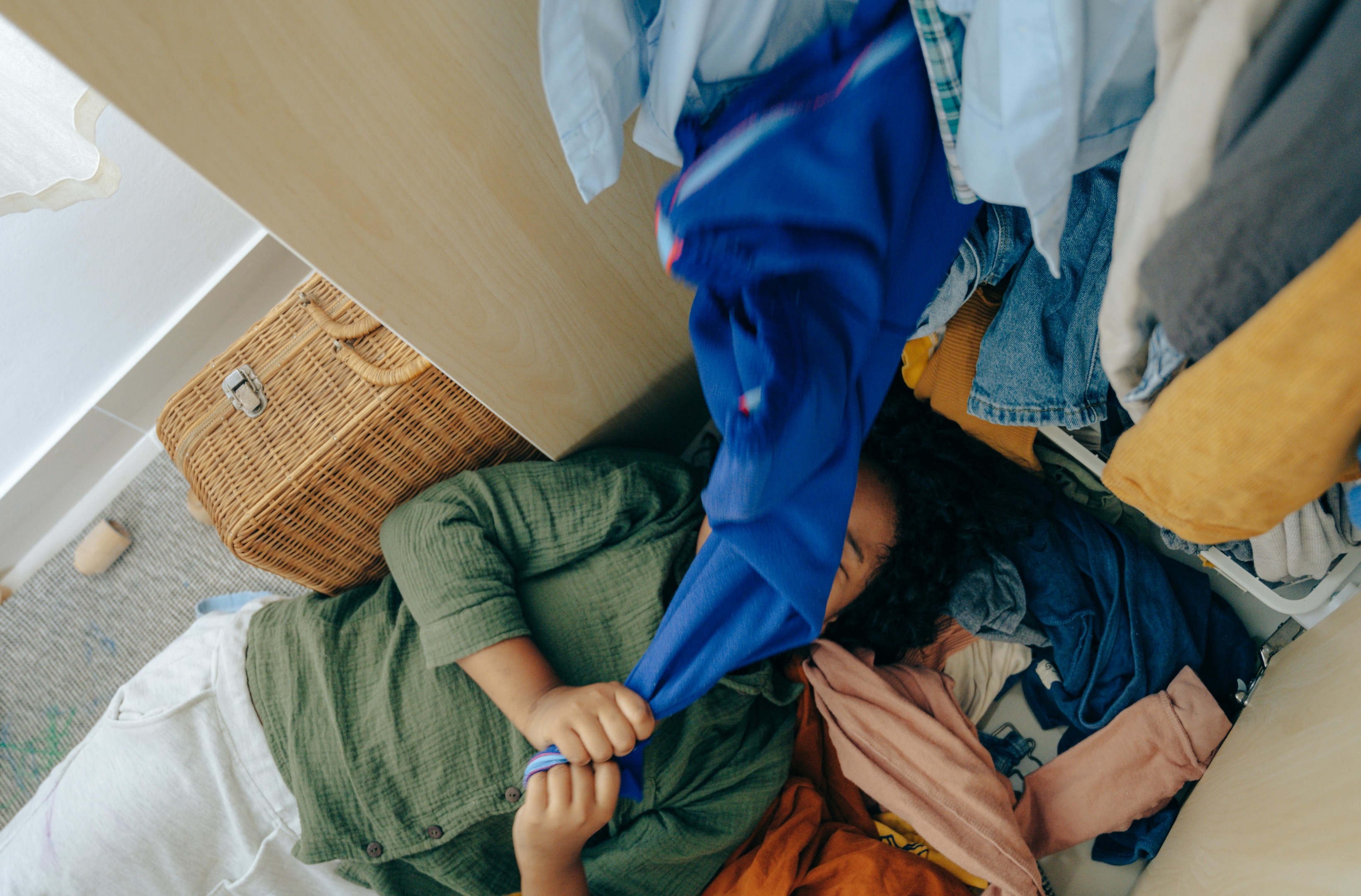
4. Decide what you’ll do if they don’t take action
If your kid doesn’t follow through, what will you do? Options include:
- Box it up and deliver it to them
- Store a single small box of essentials
- Donate what’s left
- Toss the true junk
You can’t control their actions, only your own. Setting a boundary means deciding how you’ll respond if nothing changes.
5. Take action
Once you’ve communicated expectations, given a clear timeline, and explained the outcome, the final step is simple: follow through.
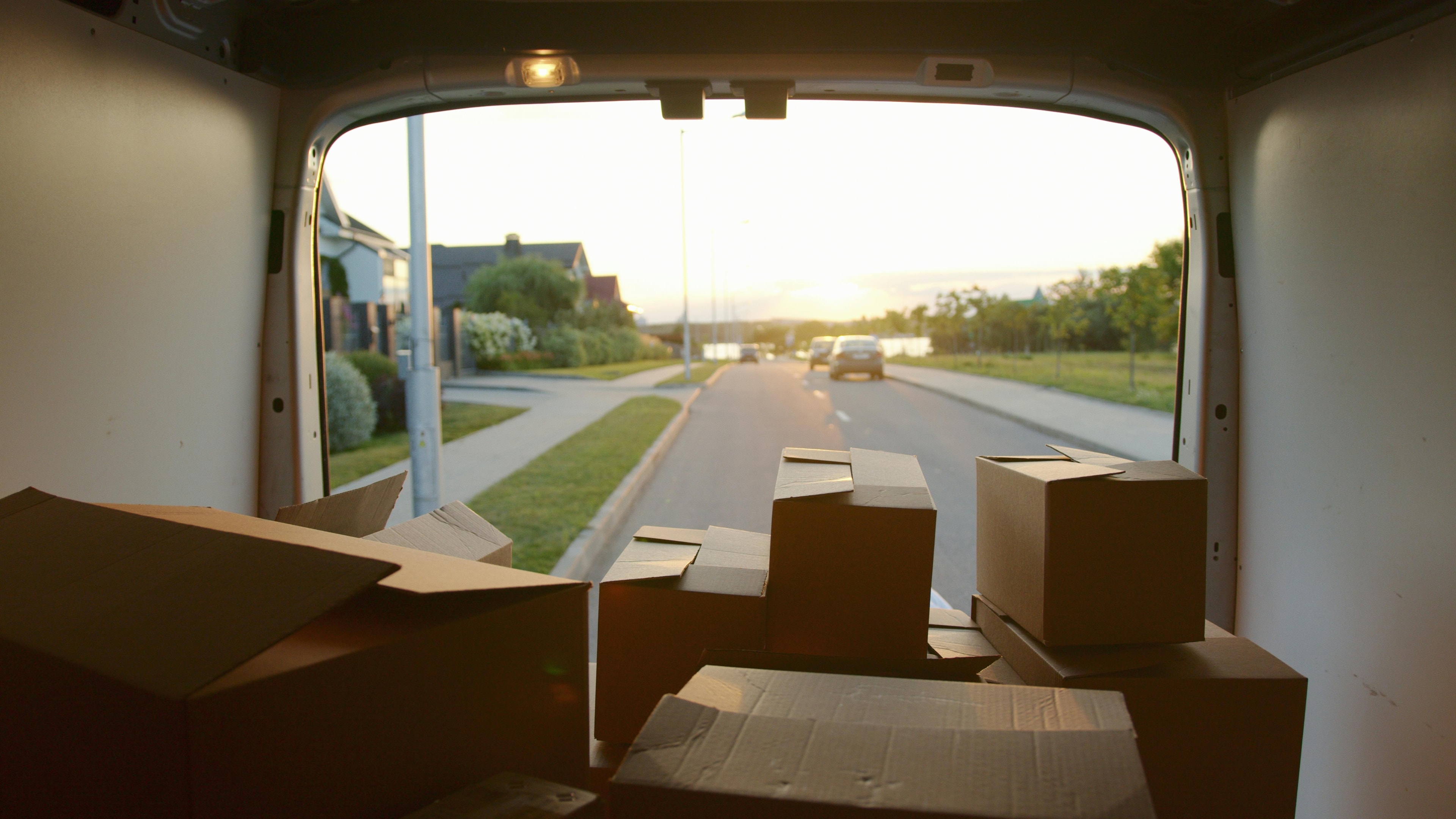
Box everything up, donate what you agreed on, or deliver it to them. By keeping your word, you reinforce your boundary while removing guilt: you gave them the chance to act, and then you did what you said you would.
Reclaiming your home isn’t selfish! It’s healthy! You’re allowed to move into the next stage of life with more space, freedom, and peace. By being honest, clear, and compassionate, you can set boundaries with your adult kids’ belongings without damaging your relationship.
So make sure you’re understanding your own feelings, communicating clearly, and leaving space for compassion while holding fast to your boundaries. You’ve got this!
100 Items You Can Declutter Today
While you wait on your adult children to come pick up their junk, here are 100 easy items you can declutter today:
