


New Year’s resolutions sound great in theory, but they often fail in practice. When it comes to making real, sustainable progress, resolutions are usually too vague, too rigid—or somehow both.
Take this example: you set a resolution to “save $20,000.” By April, you’re $10,000 in the hole, and the goal suddenly feels impossible. So, you give up on it entirely.
But what if instead of a resolution, you had a yearly theme: a single guiding word or phrase like Save, Reinforce, or Stability? That theme acts as a compass, helping you make better choices in everyday moments:
- Should you buy a gym membership, or start running for free?
- Order takeout, or make a sandwich?
- Pick up an expensive hobby, or use that time for a side gig?
A theme gives you direction without pressure. You’re not failing if you hit a setback, you’re just adjusting course. A theme isn’t about hitting a number. It’s about making decisions that consistently move you closer to your ideal life.
So there’s no failure. There’s just doing the next right thing.
What is the yearly theme system?
A yearly theme is simple. It’s a single word or phrase that acts as a guiding light for you throughout the year as you arrive at decision points.
Let’s say your theme is Learning, and you arrive at the decision of “What should I do tonight?” Your options are: go out, watch TV, or read a book. Obviously reading a book is most aligned with the theme of Learning, so you can make the decision that supports your goal.
Goalposts with the theme
While the theme is the main guide, you can also assign specific goalposts to keep you on track throughout the year. For the theme of Learning, those goalposts might look like:
- Read 10 fiction books
- Hit B1 proficiency in French
- Complete a course at your local community college
These are harder-lined goals within your greater theme. They’re optional, but great for an extra push.

Why themes are better than resolutions for minimalists.
I think themes are better for EVERYONE, but here are some minimalism-specific reasons.
1. A theme narrows your focus to ONE core tenant.
With minimalism, less is more. If you use resolutions, you can go on and on and on with goals and ideals, while a theme forces you to boil those ideals down to ONE idea that guides you. It’s much easier to remember one word or phrase than it is to keep track of a list of looser concepts.
2. They’re more effective.
Themes allow more flexibility and effectiveness. It’s not so rigid that you can quickly “fail” and then feel like the jig is up. And it’s not so vague that you don’t see real change and progress in your life.
3. A theme hones intentionality.
To create a theme requires a lot of thought. It forces you to confront yourself and really interrogate where you want to be this time next year. What is important to you? How do you want to invest your effort? What’s really worth the time?
How to create your yearly theme: Step-by-step.
1. Journal sesh
Crack out your notebook and have a deep conversation with yourself. I think this is where any good life decision starts. If you hate journaling, you might talk out loud to yourself in a voice memo.
Just cut out distractions for twenty or thirty minutes and give yourself the space and the silence to collaborate with YOU.
Here are a few prompts to get you started:
- How do I want to feel next year (emotionally, mentally, physically)?
- What would “a good year” look like to me, in simple, everyday ways?
- What do I want my days to look like, not just my achievements?
- What am I ready to release?
- What am I ready to invite in?
- What dissatisfies me about my life right now?
- What excites me?
- What am I embarrassed to tell people about myself/my life?
- What am I proud to tell people about myself/my life?
After you’ve thought-dumped on some (or all) of those topics, make a list of things you’d like to change about your life. Here’s a list someone might make:
- I want to get my house in order
- I want to feel less overwhelmed
- I want to feel more purposeful at work
- I want to give my kids more quality attention
- I want to fix my attention span
- I want to stick to a morning routine
- I want to be more involved in my local community
- I want to be a more intentional consumer
After we have our list of the things we’d like to change, look for some overarching idea amongst them. You might not perfectly fit everything in, and that’s okay. Let’s just look for a pattern.
Looking at that list, I see someone who craves intentionality and purpose. But “be more intentional” might not be specific enough. When you arrive at a choice, you can probably justify any option as being “intentional”.
So what’s something more defining?
Maybe “simplify”? Simplification can help address attention span, sticking with routines, easing overwhelm, AND increasing intentionality because it takes intentionality to simplify.
So let’s say our general idea for the theme is simplification.

2. Try out verbiage
Once you have the MEAT of your theme figured out, simplification, it’s time to come up with a word or phrase that encapsulates the idea AND resonates with you. Something that makes your ears perk up and gets you excited.
You might make another list here. Just word associate for your concept.
- simplify
- clear
- light
- order
- focus
- clarity
- balance
- north star
- breathe
- peace
- declutter
- spending time where it counts
- release
- edit
- clarify
- elucidate
- clarity
- practice intention
- refine
- define
- hone the process
- prioritize
- streamline
- boil down
- authenticate
- clean slate
- open sky
From that list, I’m liking simplify, clarify, refine. And when I say them out loud, “refine” is really resonating.
You might go a little more abstract or visual with your word or phrase, too! What does “refine” mean for you? You could go for words like:
- whittle
- prune
- winnow
- distill
It’s really up to you! Play with words and phrases until you find one that “rings”. This word will stick with you through the whole year, so take some time to find one that fits.
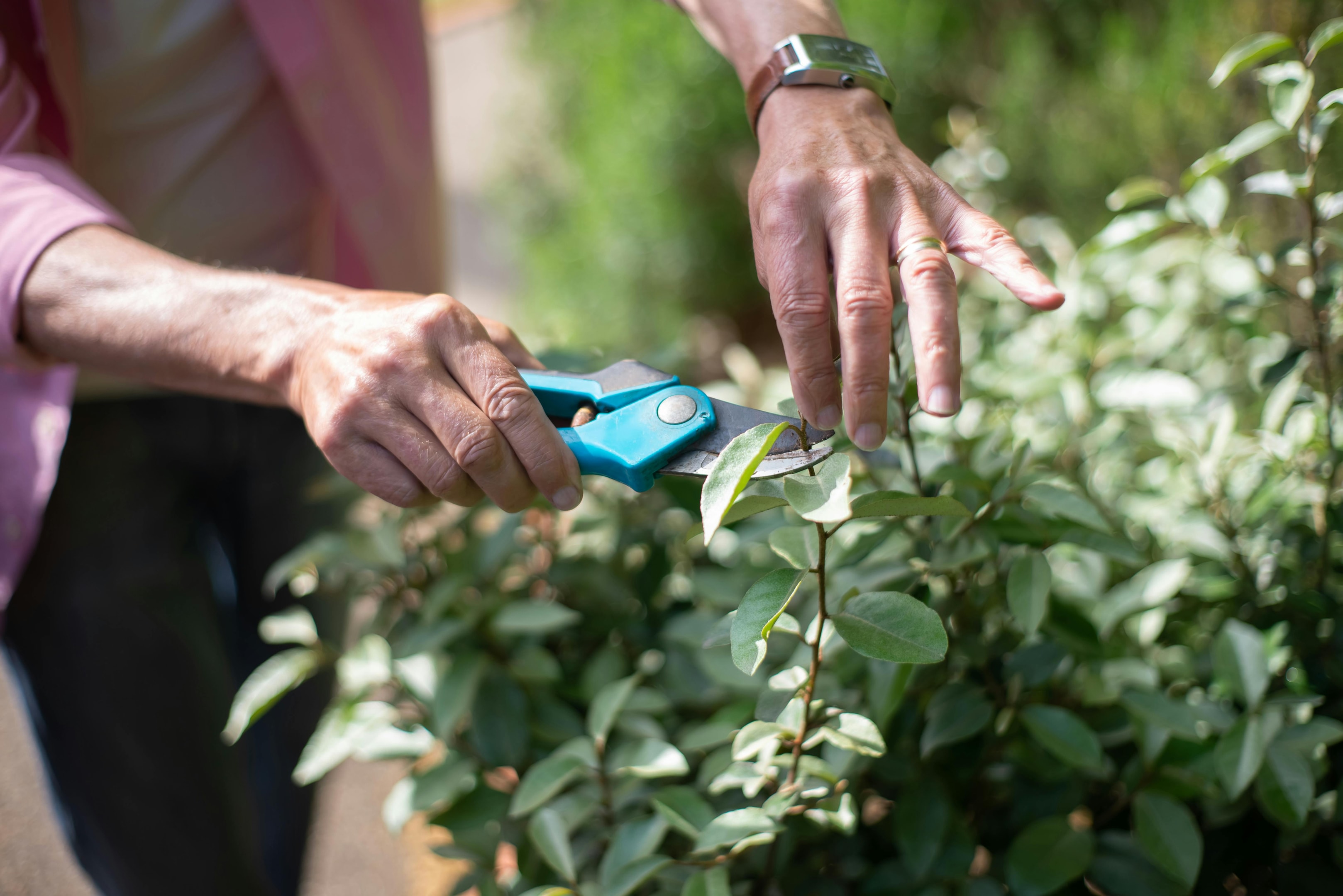
I’m picking “prune” for this example.
3. Establish goalposts
With our theme of “prune,” I’m focusing on things we can cut away to make room for that intentionality that we’re looking for. Growth through subtraction.
Let’s brainstorm goalposts for that.
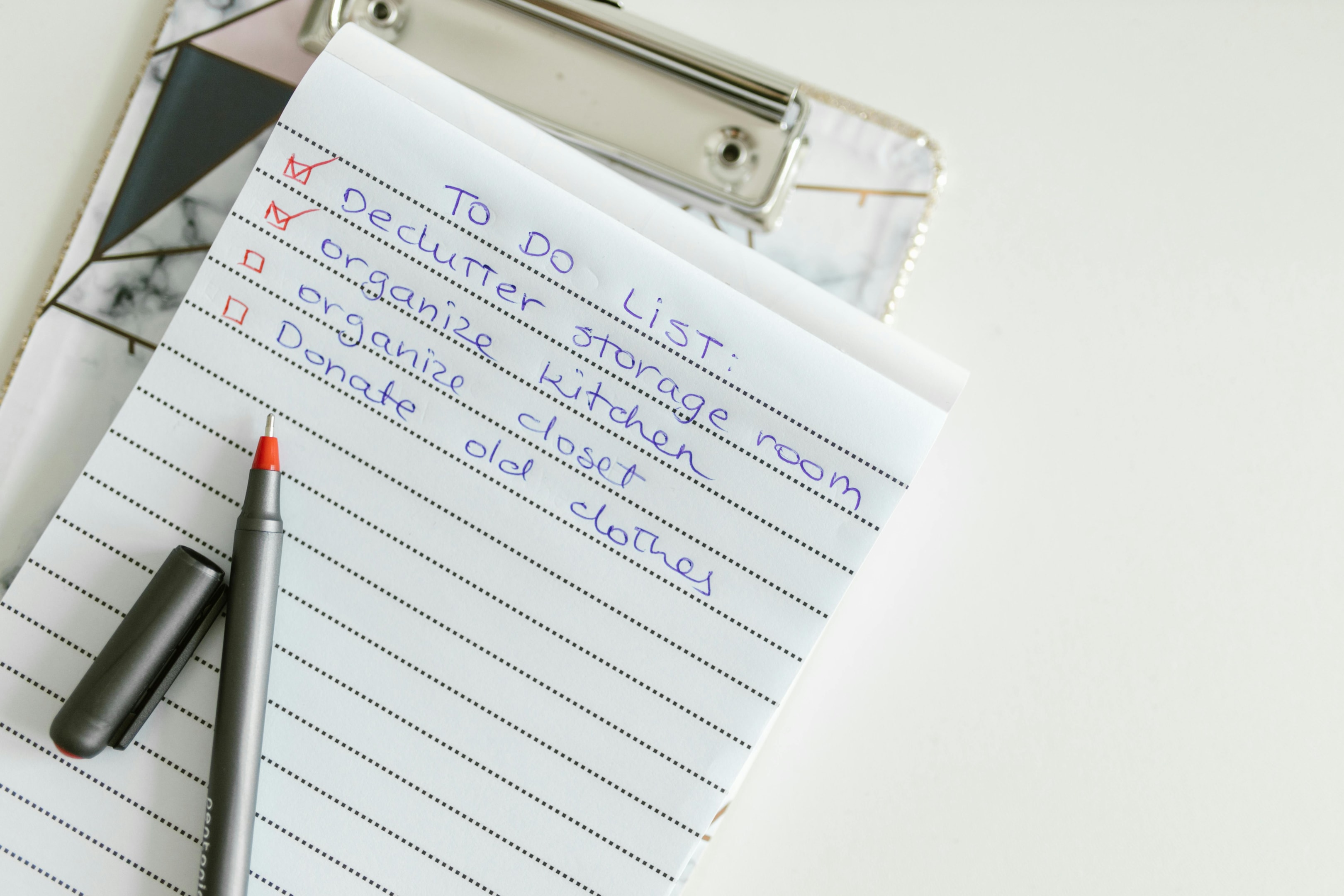
- Declutter my house
- Declutter my digital space
- Minimize my schedule to the bare minimum, then build intentionally from there
- Find a core focus for my work
- Create a concrete and simple morning routine that I can stick to
And you can work on those goalposts to make them even more specific and measurable, but the idea is to have a few specific things to work toward while keeping our “prune” theme in mind when we arrive at those decision forks.
4. Consider quarters
Along with (or instead of) goalposts, you can shrink your theme into quarterly themes. They might all fit in under a greater umbrella for the year, or you could just hone in on that quarter. It’s easier to stay focused on an intention for three months instead of twelve, obviously.
For an example of quarterly themes that fit under a yearly umbrella theme, mine for 2025 was Rebuild. I’d had a long stretch of illness that threw my life off track and had my head and schedule scrambled, so once I got my feet back under me, I felt like it was time to start rebuilding my life again.
My first quarter of Rebuild was focused on a Physical Rebuild. I worked on my physical health and strength, with simple goals like eating more calories, incorporating gentle movement that I could build upon, and getting more sun.
In my second quarter of Rebuild, I focused on rebuilding my Network. While I was sick, it was really difficult for me to keep up with things socially. So in the second quarter, I worked on strengthening communication channels, reintegrating myself in my local community, and making new connections and friendships.
But your quarters don’t have to be related to each other or connected through a bigger theme–you might just strategize your themes quarterly instead of annually! It’s whatever works for you.

Yearly theme ideas for 2026.
Here’s a biggo list of possible yearly themes to consider, though I really recommend you start with the journaling prompts above because the process of picking through your own thoughts will help you to settle on a theme that ACTUALLY suits the changes you need to make in your life.
Regardless, here’s a list!
Simplification
- Streamline
- Refine
- Prune
- Less is more
- Clear space, clear mind
- Edit
- Simplify
- Focus
- Essentials only
- Purge
Personal Development
- Evolve
- Flourish
- Bloom
- Expand
- Rise
- Progress
- Strengthen
- Thrive
- Awaken
- Level up
Mindfulness
- Be here
- Present
- Pause
- Stillness
- Savor
- Awareness
- Grounded
- Flow
- Balance
- Calm
Creativity
- Explore
- Imagine
- Play
- Wonder
- Spark
- Discover
- Create
- Experiment
- Adventure
- Curiosity
Joy
- Radiate
- Joy
- Gratitude
- Love
- Harmony
- Celebrate
- Warmth
- Generosity
- Together
Health
- Vitality
- Move
- Nourish
- Recharge
- Energy
- Wellness
- Strength
- Renew
- Resilience
- Bloom
Change
- Brave
- Bold
- Leap
- Fearless
- Shift
- Transform
- Reinvent
- Unfold
- Breakthrough
- Reshape
- Revolution
Financial
- Organize
- Structure
- Abundance
- Secure
- Build
- Invest
- Plan
- Streamline

Minimalism is all about intentionality and focus, which makes a yearly theme beat out a New Year’s resolution every time!
What do you think? Will you try a theme this year?
100 Items to Declutter
In the vein of clearing out the unwanted to make space for growth, you can start your decluttering journey here, with this free list of 100 items you can declutter today:

My word for the year is reduce