

With limited mobility, chronic pain, fatigue syndrome, and other obstacles, cleaning with a disability becomes a herculean task that can seem impossible. What might be a simple chore for most is an all-day affair for us.
Let’s look at ten of the best tools I’ve found to make cleaning easier for disabled people and those struggling with energy management, then my eight top tips for making your life…less hard.

Best tools to make cleaning easier for disabilities.
Home cleaning is one of those necessaries that we either have to do or pay someone else to do. If we don’t, quality of life will quickly spiral. And many of us have others in our home relying on us to keep a safe and hygienic environment for them to live in, too.
Here are my top tools to help you lessen the hard work and hours required to upkeep your home.
1. Grabber tool for back problems.
The more you can avoid bending and stretching to get to those hard to reach places, the better. A grabber and cleaning tools with extending arms are fabulous for this.
I won’t link you to a grabber, since they’re at thrift stores and everywhere else all the time.
2. Robotic cleaning devices for chronic fatigue.
Do you know those robot vacuums can now also mop your floors, as well as empty, charge, and wash themselves? And they’re way more affordable than you might be expecting!
And if you’ve got a cat or dog, bonus points, because they’ll be entertained for hours. This Shark vacuum is an excellent choice:
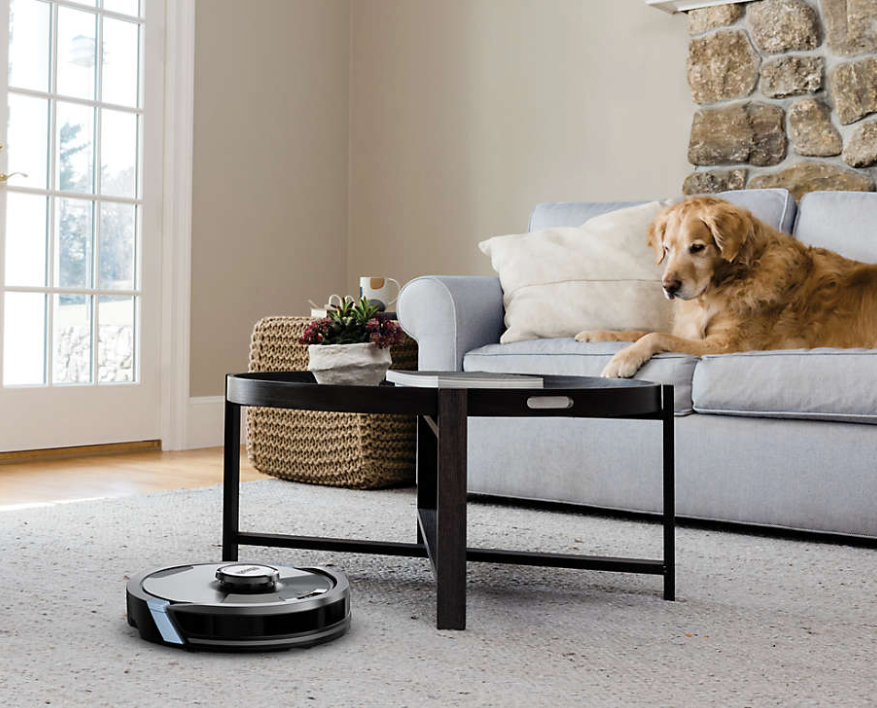
Sweeping and mopping are two of the most exhausting chores, but if you skip them, you’ll notice. I hate stepping on crumbs almost as much as I hate vacuuming my house.
This little guy does a fantastic job. All you have to do is occasionally empty the bucket and replace the clean water at the port. Tiny robot man takes care of the rest.
But the best part? No wringing out a mop head. 😅
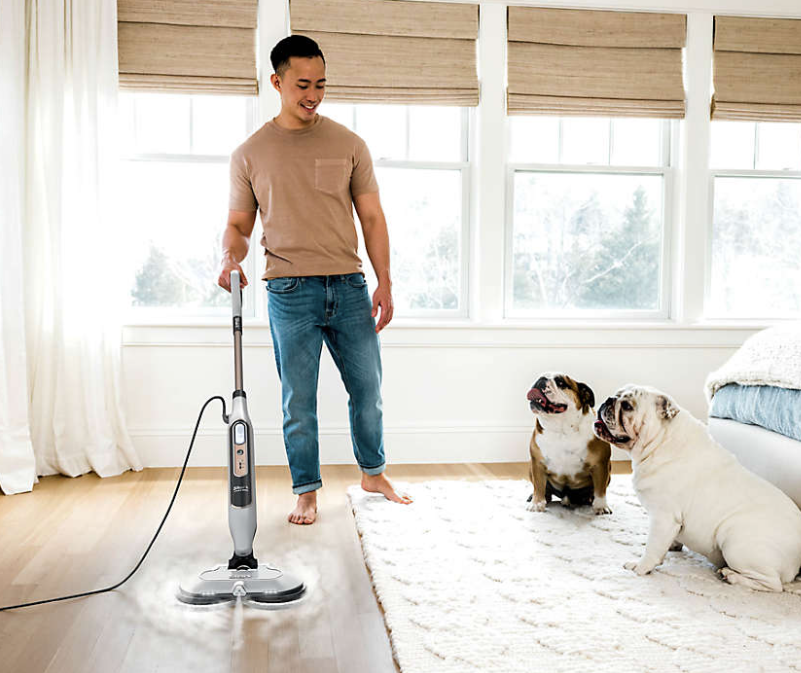
3. Self-scrubbing mop for weaker arms.
Sometimes we’ve got the strength and energy to clean for ourselves, but scrubbing at those stubborn spots on the kitchen floor will leave us reeling. This mop–also from Shark–does the scrubbing for you, so you can exert less energy and get more done.
4. A hand-held light weight vacuum.
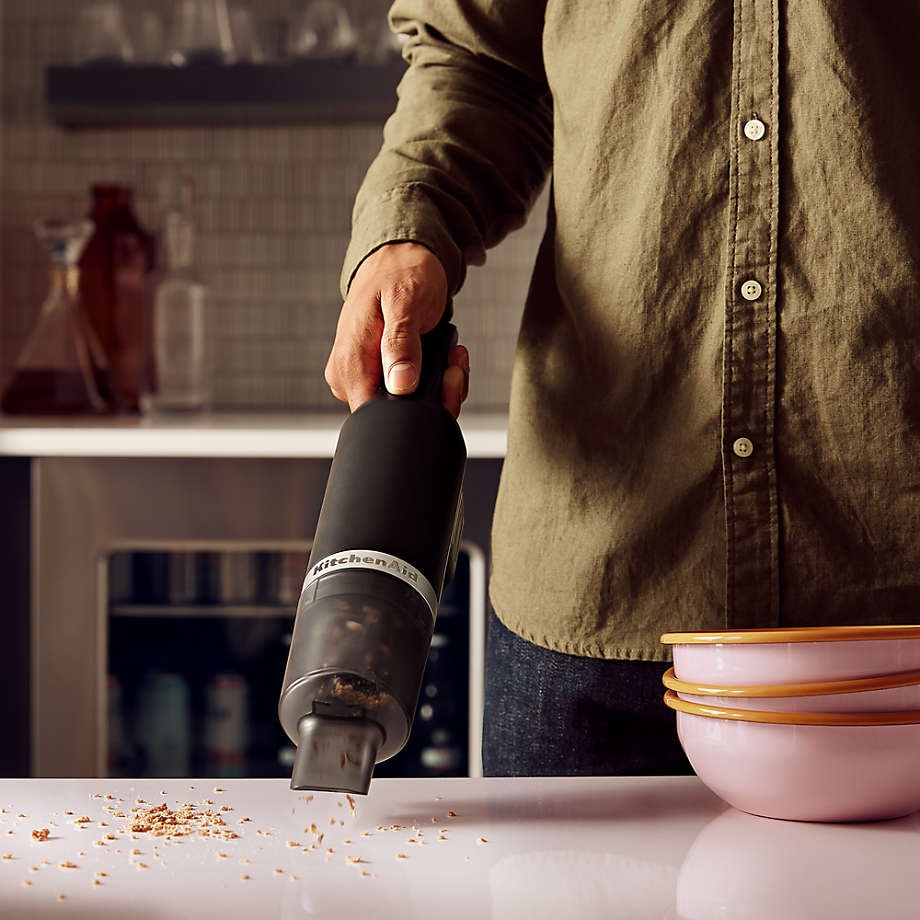
When it’s time to replace one of your tools, try to shop for lighter weight options. KitchenAid’s cordless vacuums are a great example. You can easily wield it with one hand, and you don’t have to worry about tracking and juggling a long cord.
5. Air purifiers.
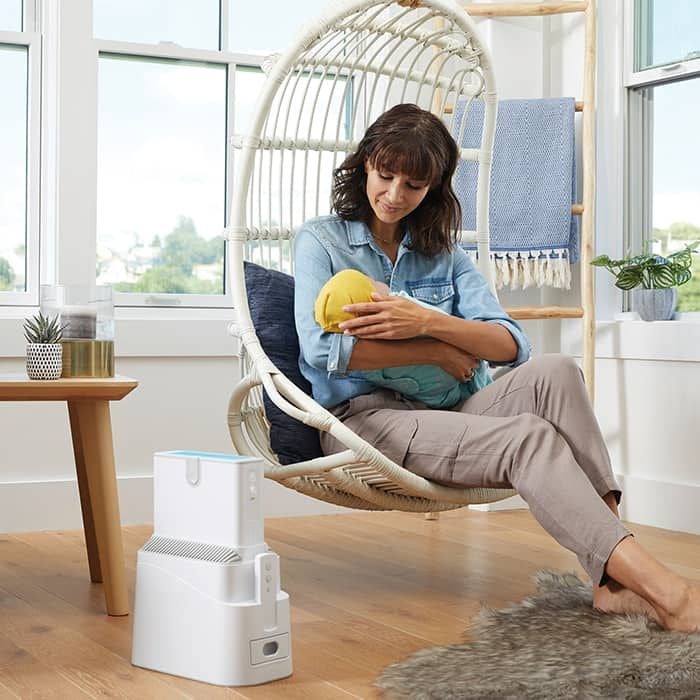
If you have to go a bit longer than you’d like between cleanings, don’t beat yourself up! It’s tough to keep up with, even without mental or physical barriers. Products like this air purifier are probably a good idea regardless, and they can keep your living space a bit fresher and healthier for longer.
It’s okay to use “cheat” items like this to improve your circumstances! Here’s a very affordable option:
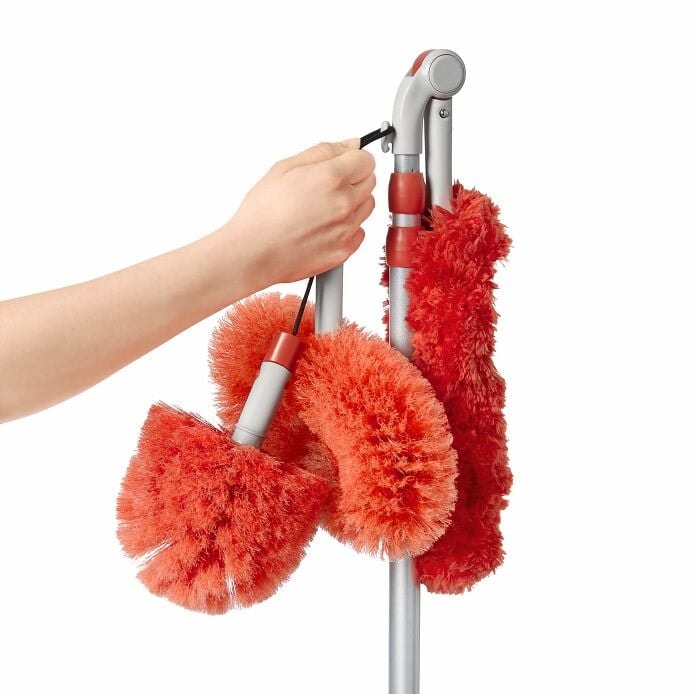
6. Long-reach dusters for mobility issues.
Negating the need to reach far above your head or bend over can make cleaning much easier and more comfortable. Look for cleaning devices with long handles, adjustability, and a light weight.
7. Wheeled cleaning caddy.
If you have a lot of products to heave around the house, give yourself (and your back) a break by storing your cleaning products and tools in something with wheels, like this rolling cart:
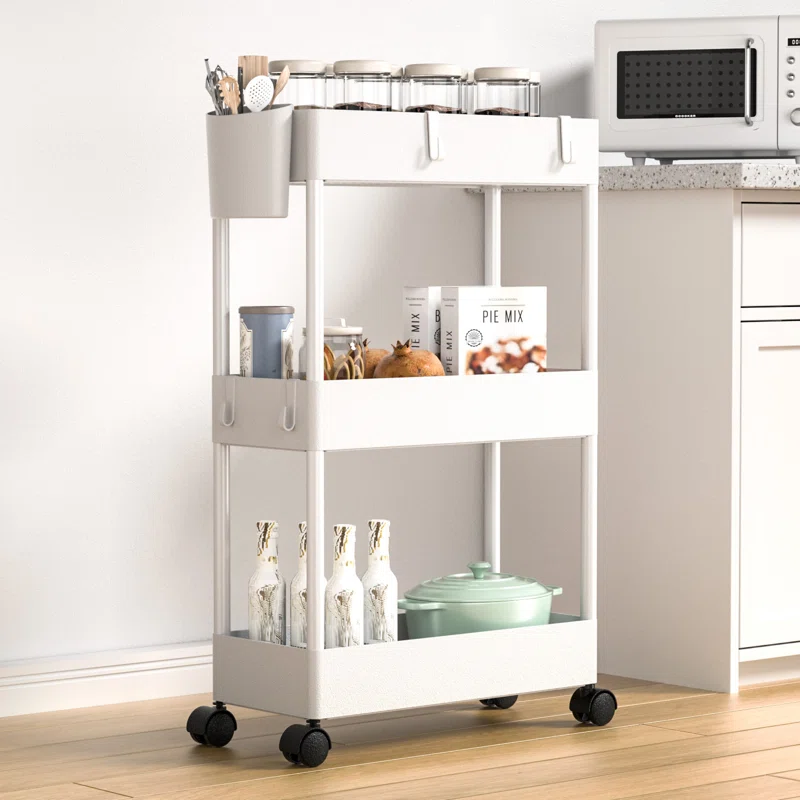
Things you already have around your house might work fine as a cleaning caddy! An old baby stroller or play wagon, for example. Anytime you can utilize something around your house instead of spending money and adding clutter, try it out and see how it goes! You can always buy something later.
8. Electric scrubbers for weaker arms.
I always prefer the lowest-tech option when I’m making a new purchase, just because there are fewer things to break, so it tends to last longer. So instead of this next product, I’d much rather have just a scrub brush. But I’d also need the stamina to go with that scrub brush…
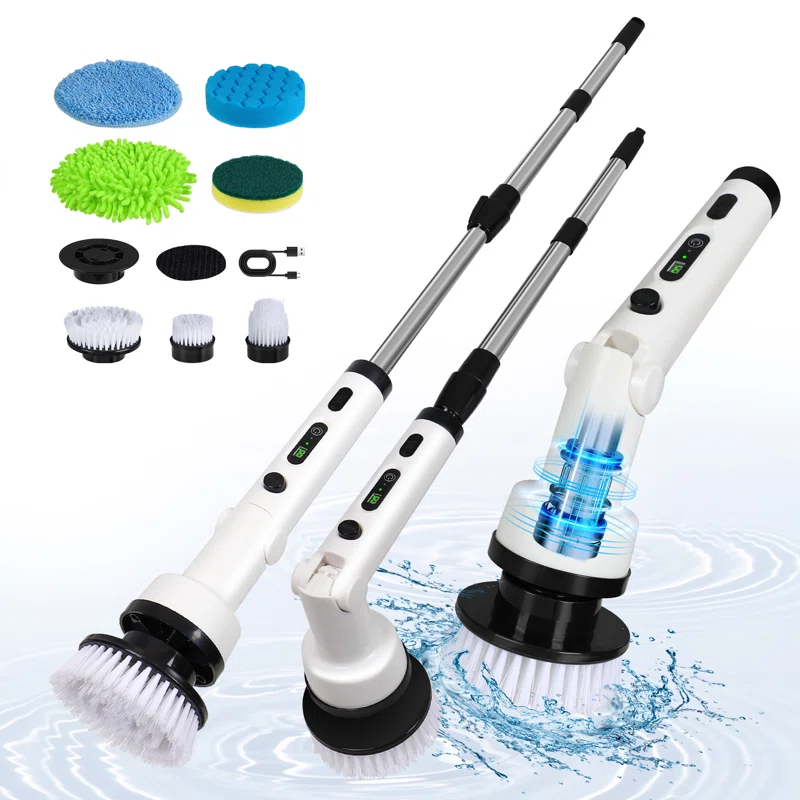
When we have particular needs, we should do what we can to meet them. Something like this electric scrubber takes most of the work out of cleaning. All you have to do is hold it, so forget about wasting elbow grease.
It also works on floors, so you could skip the scrubber mop listed above and use this as an all-in-one tool:
9. Comfort items for stress tolerance.
Think about what might make you more comfortable while cleaning. It could be a walking aid, a supportive wrap around your torso for posture, or a heating/cooling device to ease pain.
Here’s a long support wrap you can use with heating or cooling:
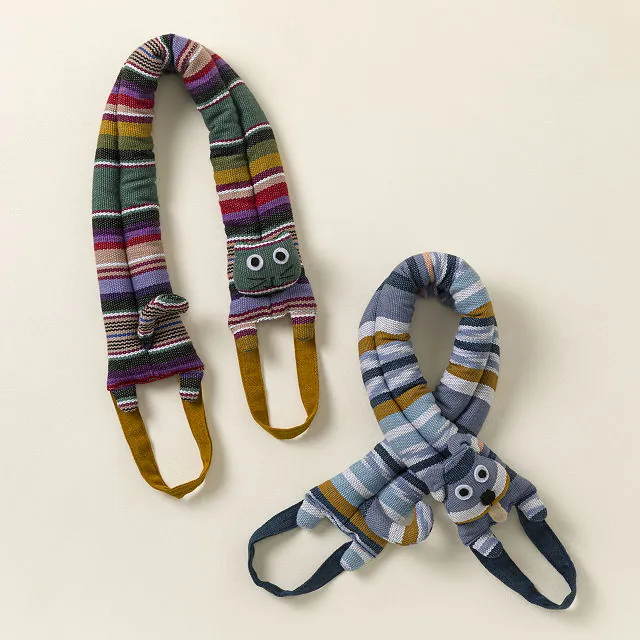
You could also make your own with old tube socks (or any other spare fabric) filled with rice.
I’ve used abdominal braces and binders to support my weight while doing chores. It saves a bit of energy and extends the time I can stay on my feet.
One more comfort item I use for cleaning is a good pair of soundproof headphones. I have sound sensitivity, so the clunky sounds and whining vacuum wear me down quicker, especially if I’m already doing manual work. Headphones block that out, and I have something fun to listen to to make the time pass quicker.
10. Support bars for mobility.
Support devices throughout your home could be a great idea, even outside of cleaning. If you find it difficult to straighten back up after scrubbing the tub, perhaps you install a bar in the bathroom, for example.
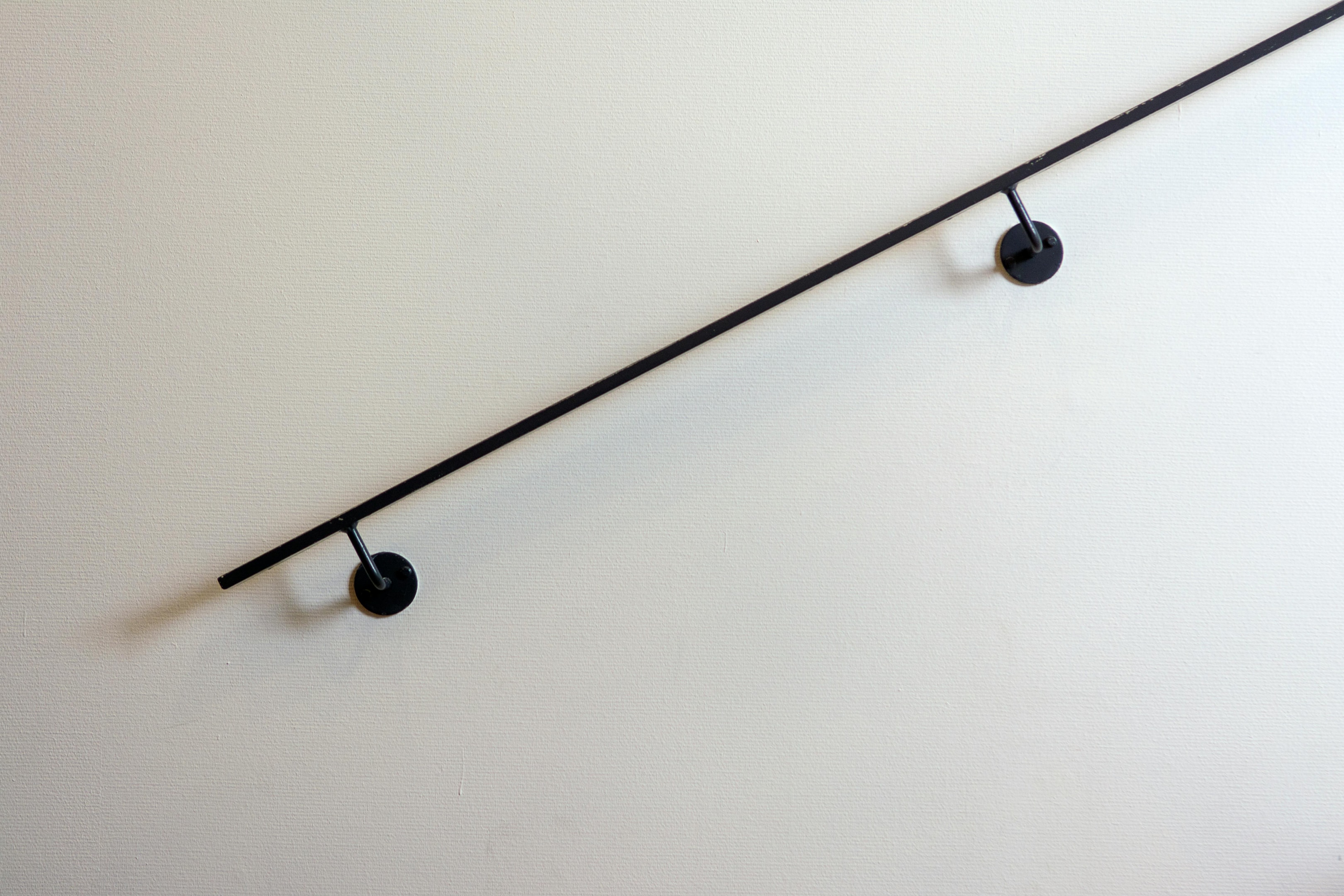
I find people are generally hesitant to use supportive devices at first, but they’re really a game changer. Something like a handle, cane, or chair can make your day so much easier.
Those are my best accessible cleaning tool recommendations! Now let’s talk general tips.
Tips for cleaning with a disability.
I’ve had long stretches of time where I couldn’t clean AT ALL. It’s a miserable feeling. When you’re already in a bad place, watching your house get grimier around you isn’t going to help.
(If that sounds familiar, read this post about the Clutter-Depression-Anxiety Cycle.)
That said, it’s SO important to be patient with yourself, look for help when you need it, and be content to do what you can. Here are a few tips to help you along.

1. Prioritize rest.
You are the most important thing here. And living in a clean space does contribute to overall wellbeing, but pushing yourself too far will set you back in your recovery. Take it slow, rest often, take a LOT of breaks, and listen to your body.
If you don’t have practice with this yet, it can be difficult to allow yourself rest. We’re socially programmed to believe that we have to “earn” a break. I think you should START with rest–in most cases, you’ll end up feeling so energized that you WANT to go get things done.
2. Ask for help.
When I first got sick, my Refusal To Ask For Help life philosophy was more than challenged. I had weeks at a time where I could barely get out of bed to use the bathroom. I’m also a pet owner, and they needed care and attention.
So I learned to ask for help.
If you’re at the beginning of your struggle with mobility, you might have to go through the same mindset shift that I did. Start by asking for little things and build up your tolerance to it. It gets easier.
3. Pace yourself.
It’s easier to do small tasks throughout the day (or week), rather than trying to clean the whole house at once in a few hours. Just make little moves. You don’t have to do it all at once.
It’s also helpful to think of things you can do lying down, sitting down, or using something to support yourself.
Take it easy, go slow, listen to your body, and use supportive tools.
4. Reconsider your standards.
Have you ever stopped to consider what “clean and comfortable” really means for you? Sometimes we just absorb social messaging or copy what we saw our parents do, parroting cleaning tasks that we haven’t really thought through.
If your home is comfortable, functional, and hygienic, you’re good. You don’t have to go above and beyond every time. Consider chilling out and letting a few more things slide.
5. Invest in the best cleaning tools.
I’m a bit stingy with money, so I understand if you don’t want to throw out the big bucks just for cleaning tools. But honestly, some investment here could save you a LOT of effort and energy in the long run.
When you’re short on energy or focus power, it SUCKS to spend so much of it on tasks like cleaning. You want to use that on things that are important to you. So if buying a robovac saves you significant time and energy, it’s probably worth buying the one that mops, too.
6. Hire out for deep cleans.
A professional monthly deep clean is usually well-worth the money. Even once or twice a year can make an enormous difference. What feels like climbing a mountain to you feels like stepping over an anthill to an able-bodied professional.
7. Put a trash can in each room.
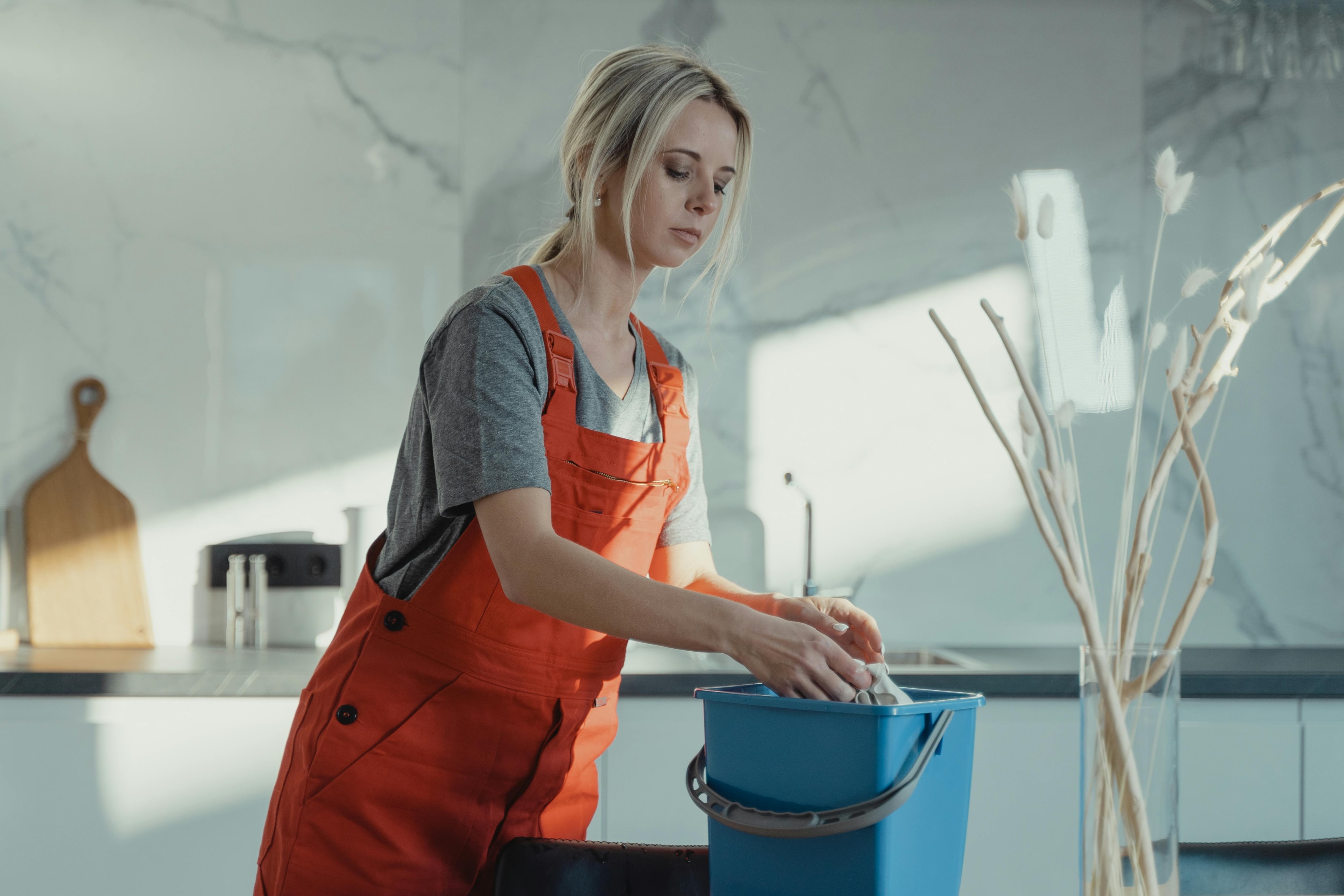
A trash can in each room makes keeping your house cleaner effortless. Toss garbage to the nearest bin without wasting steps moving around the house.
And once or twice a week, when you’ve got the energy or a friend around to help, you can empty them all in one go.
It’s also helpful to keep what I call an Action Basket accessible in each room or area. That way, you can just toss items that belong somewhere else into there. It allows you to tidy up quickly without committing to Ubering things around the house at that very moment.
8. Declutter your house.
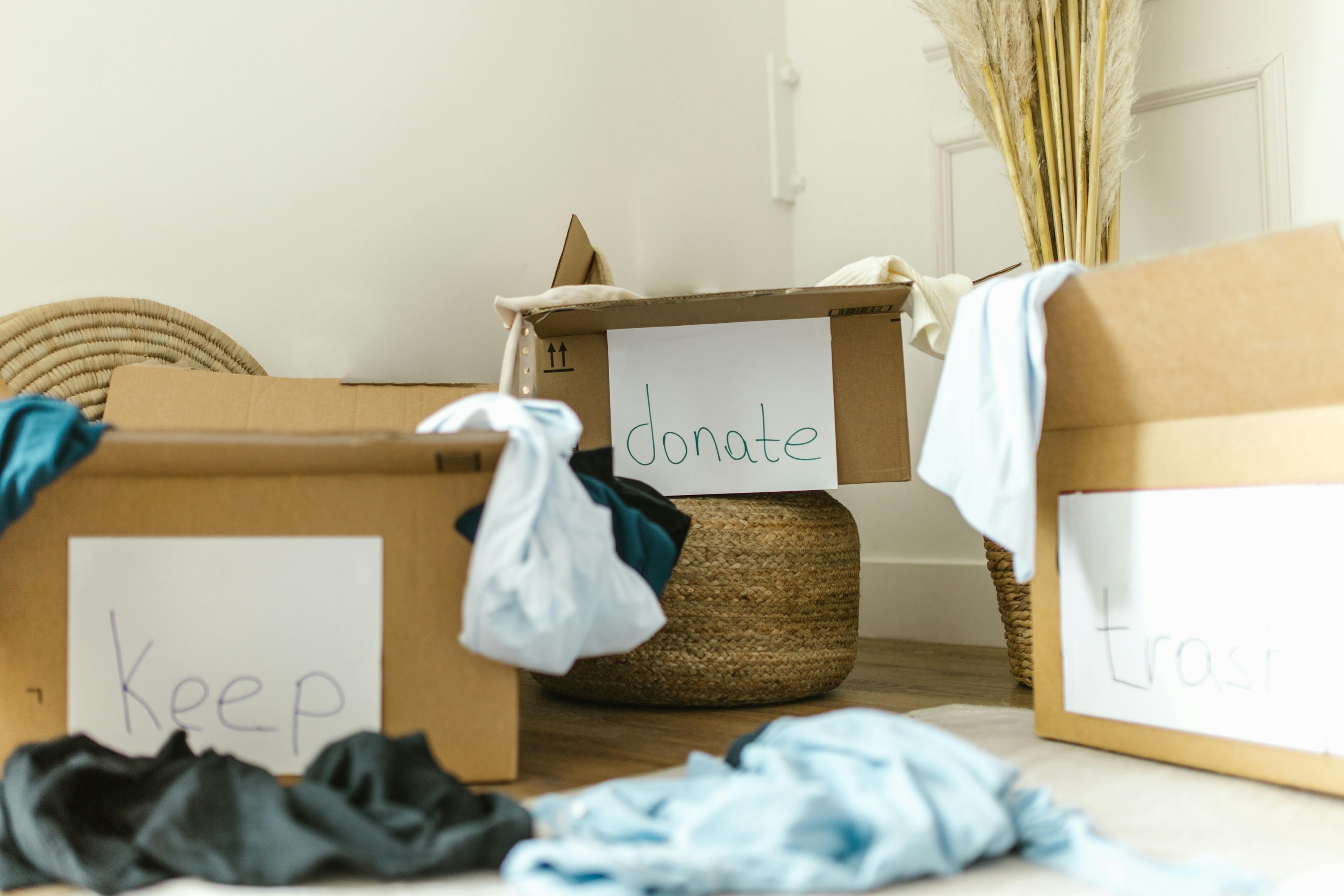
Decluttering is not an easy task, but it can make your life overall much simpler and lower effort. If you have lots of clutter, cleaning is infinitely harder.
Maybe you saw the robot vacuum I suggested and thought, “Sure, but I’d have to pick up all the shit on my floor first…” And yeah, you would.
But decluttering–or even fully committing to a more minimalist lifestyle–will make housekeeping so much easier in the long run. Get rid of anything you don’t need. It’s only holding you back and making your burden heavier.
The easiest way to declutter your house.
I understand how overwhelming the prospect of decluttering an entire house can be. That’s why we have Ten Minutes To Minimalism.
It’s a weekly publication that gives you 6 easy, ten-minute missions to declutter specific areas of your house, along with tips, insights, and guiding questions to help you through the process.
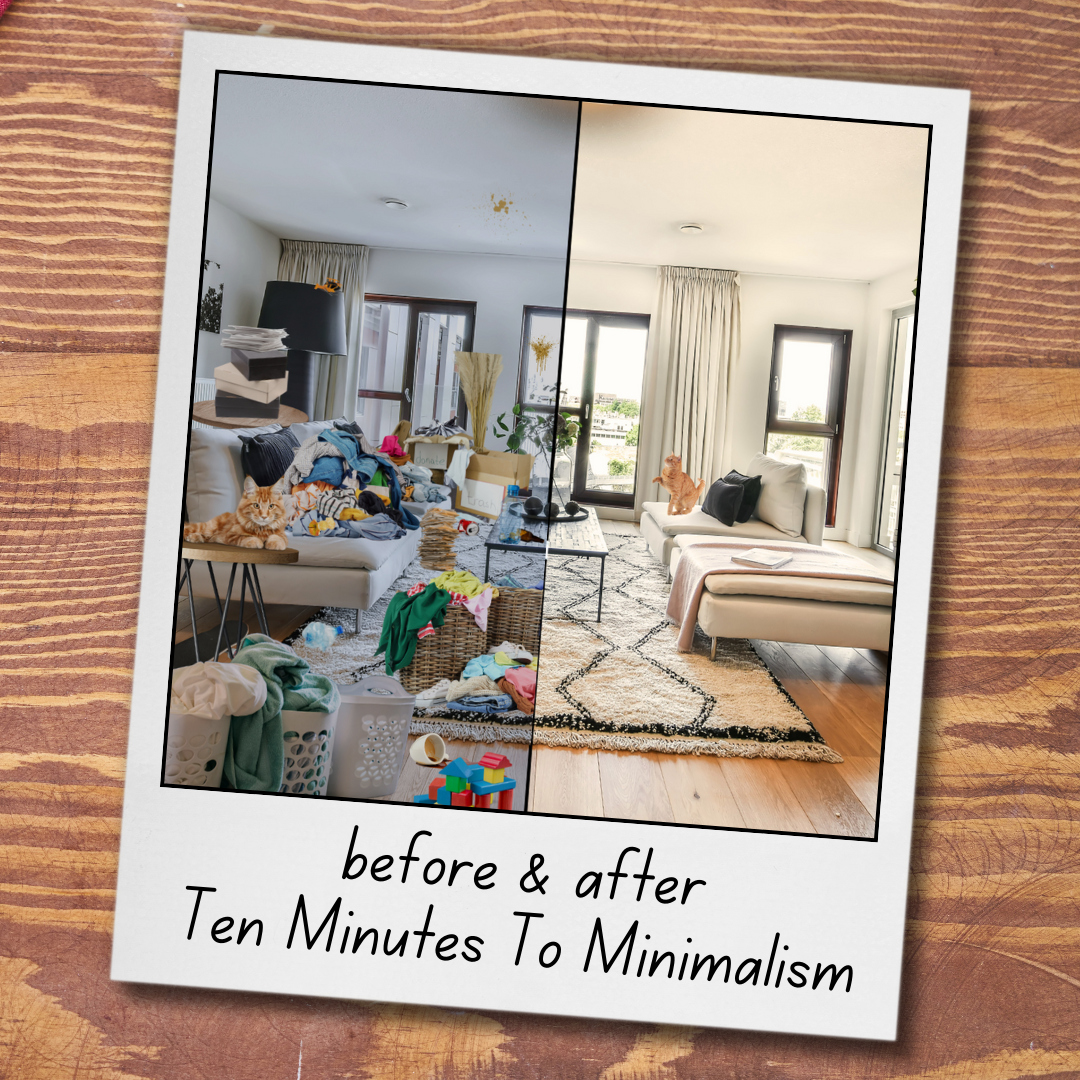
People like us can’t do those three-hour decluttering sessions often. But practically anyone can manage ten minutes, even if you have to sit down to do it. Give it a try, and let me know if it helps!
P.S.
This newsletter costs less than a carton of eggs. But some of us need that money for eggs! If you think Ten Minutes To Minimalism would be helpful for you, but you can’t afford it, email me at he***@******************sm.com so I can get you set up!
