

If you’re craving a calmer home and a lighter footprint, you’re not alone. Many families are turning to sustainable minimalism—a lifestyle that helps you live with less, reduce waste, and create more peace in your home and on the planet.
Unlike traditional minimalism, which often focuses on empty countertops and perfectly curated aesthetics, sustainable minimalism goes deeper. It asks not just how much you own, but where it came from, what it costs (mentally and environmentally), and whether it truly serves you.
It’s minimalism with a heart for the earth—and a whole lot more grace for real-life homes.

What is sustainable minimalism?
Sustainable minimalism is the practice of living intentionally with fewer possessions and more purpose–while making choices that are kinder to the planet. It blends the mindset of minimalism (less clutter, more clarity) with eco-conscious habits (reduce, reuse, recycle… and rethink).
You don’t need a perfect zero-waste kit or a minimalist capsule wardrobe to begin. You just need a willingness to pause and ask:
- Do I need this?
- Can I choose better, fewer, or secondhand?
- Is this supporting my life–or is it adding stress to it?
Sustainable minimalism is all about simplifying in a way that supports your mental health, your family rhythm, and the planet–without buying into hustle culture, aesthetic pressure, or eco-perfectionism.
If you’re interested in more intentional living, a tidy minimalist space, squirreling extra cash, and living a more eco friendly lifestyle, then read on to learn more about sustainable minimalism.
How is this different from mainstream minimalism or traditional sustainability?
Mainstream minimalism often focuses on appearances: decluttering, organizing, and creating a tidy, photogenic home. Minimalism CAN be eco-conscious, but often, it can unintentionally fuel overconsumption (“declutter everything, then buy better things!”) or pressure people to live with as little as possible–even when that doesn’t serve their lifestyle.
A traditional sustainable lifestyle, on the other hand, focuses on environmentalism: recycling, reducing carbon footprints, and making eco-conscious product swaps. While this is an important way of thinking, it can sometimes feel overwhelming, expensive, or inaccessible–especially for busy families.
When the “right thing” to do isn’t achievable or reasonable for the average person, something’s gotta give.
Sustainable minimalism lives in the overlap. It’s about owning less so you consume less. It’s about choosing intentional purchases that last longer and create less waste. And it’s about letting go of the idea that you need to do everything perfectly to make a positive difference.
Why it’s relevant for families.
If you’re a parent or caregiver, chances are you’re managing a lot. Stuff. Schedules. Meals. Emotions. Noise. Mess. The mental load.
Sustainable minimalism helps by reducing the number of things that need to be cleaned, managed, and organized.
- It teaches children values like gratitude, conservation, and simplicity.
- It creates a calmer, more functional home with fewer inputs and fewer breakdowns.
- It minimizes waste–of money, of resources, of time.
- It can also protect your time, energy, and the earth that your kids will inherit.
- It’s not about perfection. It’s about permission–to do less, own less, and be more present.
Core principles of sustainable minimalism.
Sustainable minimalism isn’t about getting rid of everything or never buying again. It’s about being thoughtful with what enters and leaves your home—and how it impacts your life, your family, and the planet.
Here are the five core principles that guide a sustainable minimalist lifestyle.
1. Buy less (but better)
Instead of constantly replacing cheap, poorly made items, focus on quality over quantity. Invest in fewer things that last longer–whether it’s clothing, cookware, or furniture. When you choose well, you consume less and save more in the long run.
💡 Example: Instead of a trendy $15 sweater that pills after one wash, save for a $60 one that lasts you years.
With traditional minimalism, this might be where we run into some expressions of classism–for example, assuming that everyone has the funds for these bigger, upfront investments. That can be difficult! In the long run, you may save money, but in the short-term–you have to have that money to begin with.
Here’s a quote from Terry Pratchett to illustrate.
Take boots, for example. He earned thirty-eight dollars a month plus allowances. A really good pair of leather boots cost fifty dollars. But an affordable pair of boots, which were sort of OK for a season or two and then leaked like hell when the cardboard gave out, cost about ten dollars. Those were the kind of boots Vimes always bought, and wore until the soles were so thin that he could tell where he was in Ankh-Morpork on a foggy night by the feel of the cobbles.
But the thing was that good boots lasted for years and years. A man who could afford fifty dollars had a pair of boots that’d still be keeping his feet dry in ten years’ time, while the poor man who could only afford cheap boots would have spent a hundred dollars on boots in the same time and would still have wet feet.

It’s obviously the economically sound choice to buy the better pair of boots. But that doesn’t mean everyone has the ability to make that choice.
I don’t say this to discourage you from saving up to buy more quality items. I just want to acknowledge that there are different levels of difficulty for different people, and it’s important to stay cognizant and empathetic about that.
2. Reuse, repurpose, and repair.
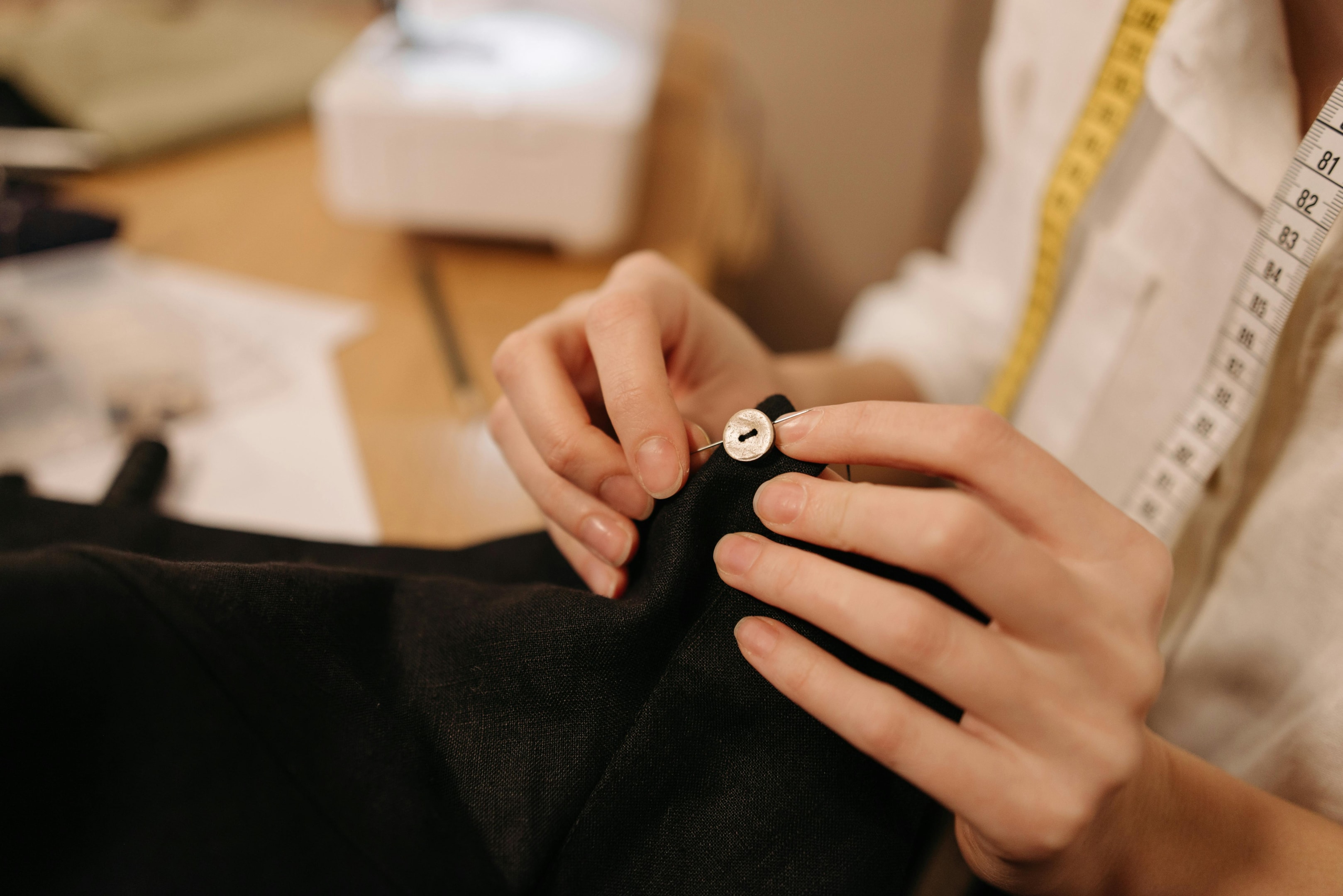
Extend the life of what you already own. Before tossing something, ask if it can be mended, repurposed, or reused. Teaching kids how to fix things or get creative with reuse is also a beautiful way to model sustainability in everyday life.
💡 Example: Turn old T-shirts into cleaning rags, or mend your favorite worn jeans instead of replacing them. Just the simple tool of a fabric shaver has saved countless articles of clothing, bedding, and furniture for me.
3. Reduce waste at the source.
The best way to manage waste is to not create it in the first place. That means avoiding unnecessary packaging, skipping impulse purchases, and thinking ahead. Every “no thank you” to a freebie or junk drawer trinket is a win.
💡 Example: Bring your own bags, buy in bulk where possible, and unsubscribe from marketing emails that tempt you to buy what you don’t need!
4. Shop intentionally.
When you do need to purchase, choose ethically made, sustainable, or secondhand products when possible. Supporting slow fashion, local makers, or thrift stores keeps your footprint smaller and your purchases more aligned with your values.
💡 Example: Need a winter coat? Check your local consignment store or search online for sustainable outerwear brands. I like to keep an ongoing list of purchases I need to make so I can be sure to check for them on every thrift trip–usually, I’ll find what I’m looking for in just two or three visits.
5. Mindful disposal.
When it’s time to part with something, do so responsibly. Donate, recycle, rehome, or upcycle whenever possible. Mindful decluttering ensures your things don’t end up in a landfill when they could serve someone else.
💡 Example: Use a neighborhood Buy Nothing group, offer on Facebook Marketplace, or find local textile recycling options.
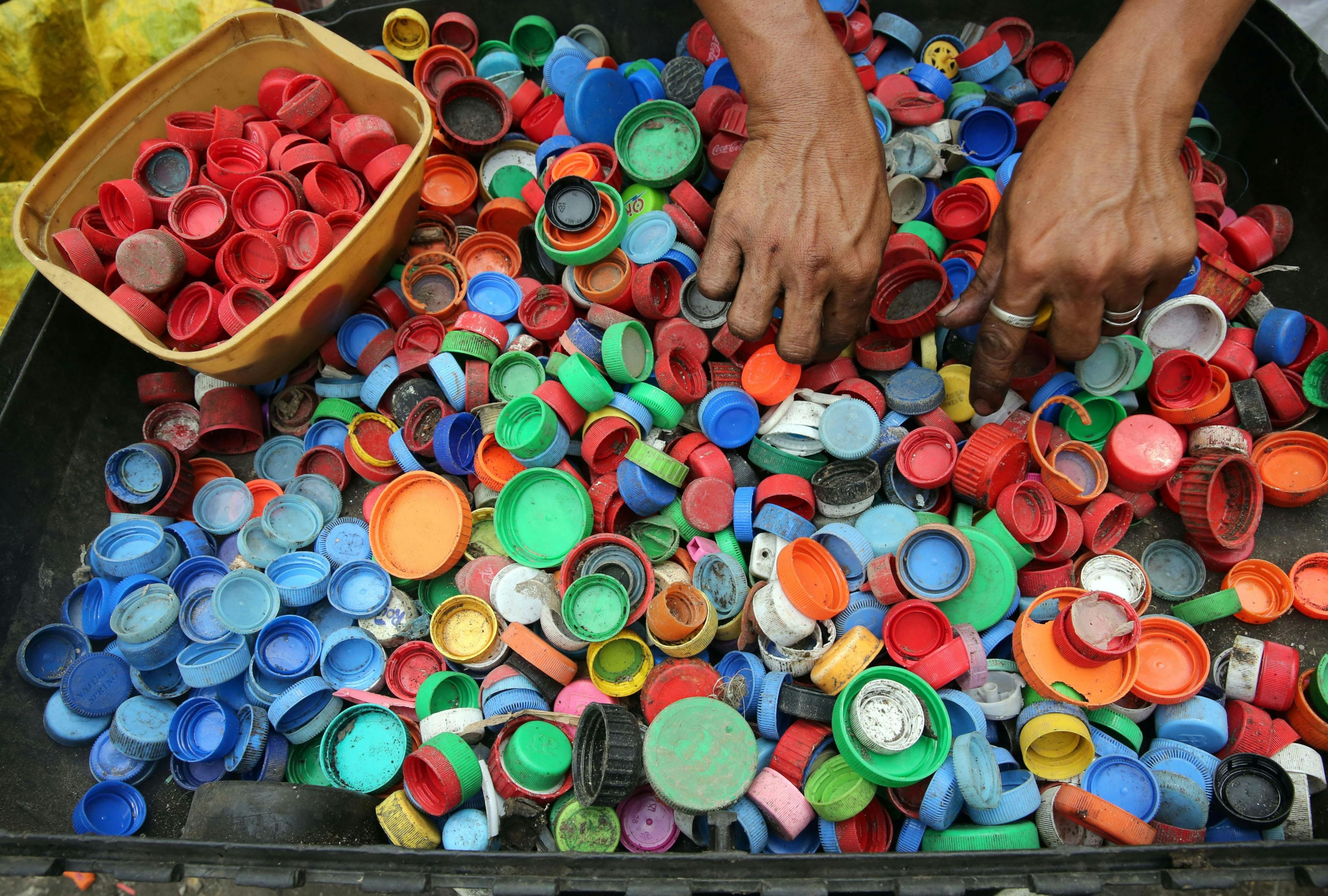
Each of these principles makes your home lighter, your shopping more intentional, and your impact more thoughtful. Sustainable minimalism isn’t about perfection–it’s about progress, and doing what you can with what you have.
How to declutter responsibly.
Decluttering feels amazing–until you’re staring at a giant pile of “stuff” and wondering what to do with it all. Tossing everything in the trash may be the easiest route, but it’s definitely not the most sustainable.
The good news? There are plenty of ways to responsibly rehome your belongings so they don’t end up in a landfill.
Here’s how to declutter with the planet (and your community) in mind. I’ve put them in what I find to be the best order of operations to reduce waste while still decluttering items.
1. Repurpose, repair, or upcycle
If you can give something a new lease on life elsewhere–either for yourself or to pass along–then that’s one more piece of trash that stays out of our ecosystem!
Mending items is an incredible skill to learn, and it doesn’t have to be difficult. Some super glue, a mending kit, and a fabric shaver will handle at least half of any household repair you could encounter.
Before you go to throw something out, take a moment to ask yourself: Do I have another use for this?
For example, I was going to donate some little outdoor solar lights that didn’t really fit in my yard anywhere. The lights were dim, and they weren’t particularly fetching to look at, so I worried they’d go right into the dumpster behind our thrift store.
Then I realized they were the PERFECT thing to protect my new raspberry plants–they could let in light while blocking out squirrels!
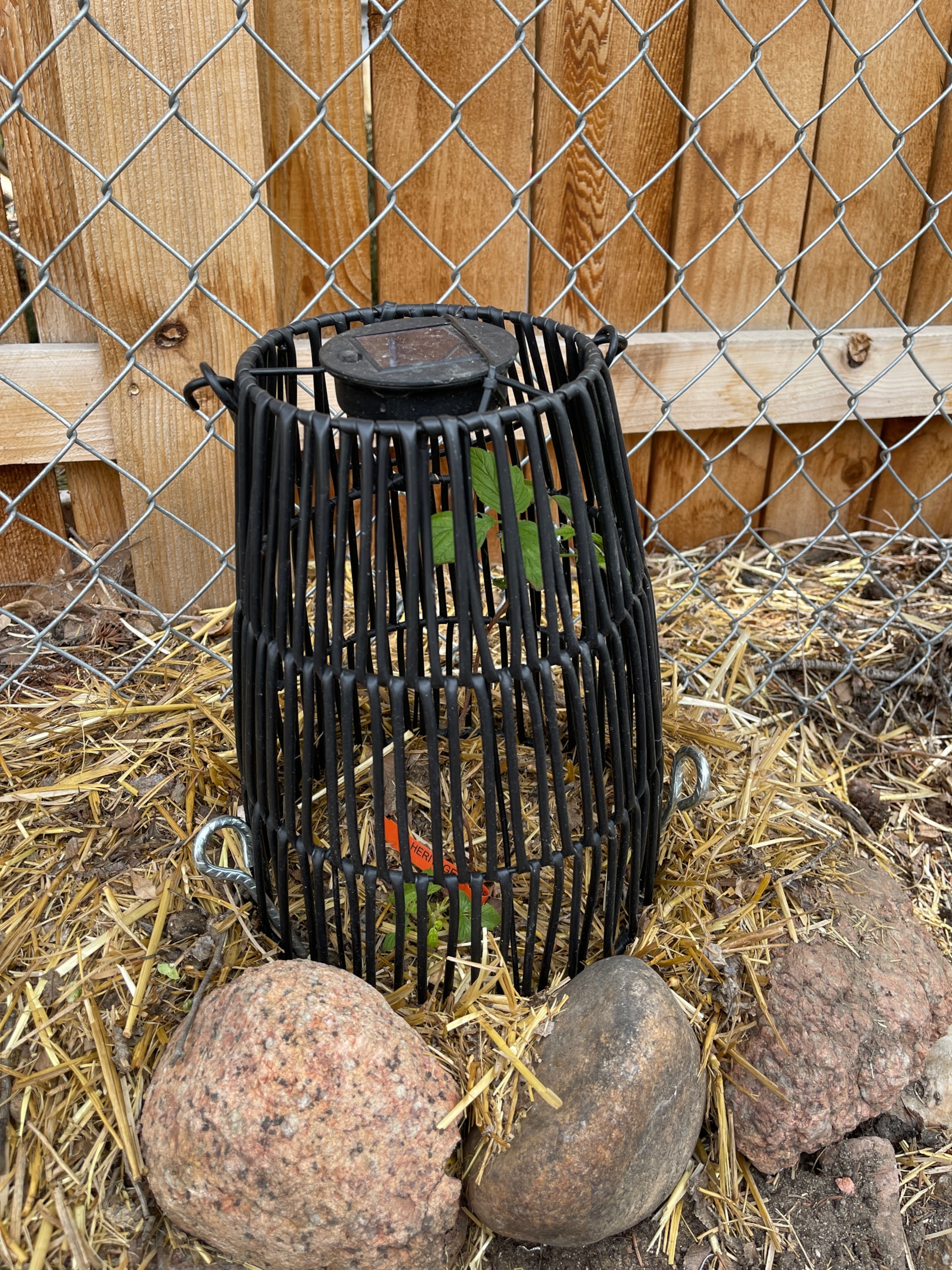
🚨 Notice: Please be careful here. There’s a thin line between being creative with upcycling and developing hoarder tendencies. Err on the side of getting rid of it, always.
2. Rehome within your community
I prefer to keep my donations as local as possible–meaning first I check with my household: Does anyone in my home need this item?
Then I expand to my next layer of community: Do any of my close friends or family members need this?
What about my neighbors?
What about my local Facebook friends?
What about a Buy Nothing group?
💡Idea: Have a clothing swap party, where you invite friends over to bring their unwanted clothes. Everyone can shop amongst the offerings. Maybe you don’t even take any yourself, if you’re in the middle of decluttering. This is a great way to have the excitement of shopping without the price tag or additional clutter in your home, and an easy way to get unwanted clothes out of your house while having a pleasant time with friends!
You can have a plan for the extra items that no one picks up, so no one has to think of where to bring the items next. Simply box them up and drop them off. 👚📦

3. Donation and selling options
If there’s no home for the item in your own house or community, then you could move on to trying to sell and donate.
Selling items can be a good use of time, if they’re bigger, pricier things that you can get some cash for. Often, it’s not worth the time investment to have a full-out garage sale or something like that, but you can pick and choose certain things to take the time to list. If you can list it quick to sell online, go for it.
When it comes to responsibly donating, the more specific you can get with it, typically the more effective. You COULD drop everything off at the closest thrift store. That’s a perfectly adequate option.
But unfortunately, MOST donations of this kind will end up in a landfill. There are just too many donations at mainstream locations.
A better option would be to get specific.
- Shelters always need toiletries, but a thrift store may toss them.
- Animal shelters would love to receive your old blankets and towels that a thrift store would likely throw out.
- Furniture and tools could go to Habitat For Humanity’s ReStores.
If you have the time and energy, a little research can go a long way to ensuring your belongings get a second life being useful for someone else.

4. Recycle or dispose of items responsibly
And lastly, sometimes there are just no good options! Composting and recycling can cut down on waste, but often, things just need to be thrown away.
- Textile recycling for worn-out clothes and linens
- E-waste recycling for electronics (Best Buy, Staples, or local collection days)
- Hazardous waste drop-offs for paint, batteries, lightbulbs, etc.
I especially want to mention that if you’re struggling with hoarding, a chaotic house, too many responsibilities, mental health issues or physical limitations, you can choose not to think so hard about this.
When you’re struggling to regain control of your life, overthinking every item like this won’t help you. You’ll become overwhelmed and give up before you’ve succeeded. And it’s important to remember the hidden costs of clutter in your life can have negative impacts on the world far greater than throwing something away.
Please find the balance for yourself.
10 Beginner-Friendly Ways to Live Clutter-Free
You don’t need to overhaul your entire life to start living with less. These gentle, beginner-friendly tips will help you create a calmer home and a clearer mind–one small, sustainable step at a time.
1. Declutter responsibly.
Let go of what you no longer need, but do it mindfully. Donate, sell, recycle, or rehome items to keep them out of the landfill whenever possible.
2. Opt out of fast fashion.
Fast fashion = fast clutter. Instead, choose quality, versatile pieces that last. Curate a wardrobe you actually wear and love, and that you don’t feel the need to constantly amend or add to.
3. Choose reusables.
Reusable water bottles, cloth napkins, and grocery bags help you cut down on waste and visual clutter.
One thing I’ll mention here is that the most sustainable option is ALWAYS to use what you have. Buying a new car before your old one is done with because you want to upgrade to a hybrid is bad for the environment. Chucking all of the plastic bags you’ve saved up and buying new canvas bags is bad for the environment.
The ideal way to upgrade to those products that are more sustainable is to use up what you have, then make a more informed purchase when it comes time to do so. Here’s a great video on the topic:
4. Do a 10-minute declutter daily.
Set a timer and tackle one small area, like a junk drawer, car, purse, or fridge. Consistency beats intensity every time.
If you’re the type of person that wants to fully complete what you start, try to focus and finish one area. I keep a list of each “station” in my house–e.g., drink cart, office desk, entertainment center, washing machine area–and I cycle through which one I work on. This could be every day, but I usually do two or three a week as the urge strikes. I simply check the list to see which one is next on the rotation–say it’s the drink cart–then I’ll spend however much time perfecting it–decluttering, cleaning, organizing.
This keeps my whole house decluttered and deep-cleaned, which I really enjoy!
🕒 Try: My Ten Minutes to Minimalism email series!
5. Unsubscribe from marketing emails.
Fewer sales in your inbox = fewer temptations in your cart. Unsubscribing also declutters your digital space and reduces decision fatigue.
Inbox Zero is an email box challenge where you immediately deal with all new messages by employing one of four options: Delete, Delegate, Defer, or Do.
Personally, I like to “snooze” emails that I’m not ready to deal with, because then my inbox is still successfully emptied, and I’ll get a reminder to deal with it later.
6. Create a donation station.
Keep a box or bag in your closet or mudroom for items to donate. Once it’s full, drop it off. No decision fatigue–just a smooth system.
7. Practice the “One In, One Out” rule.
Whenever something new comes into your home, let go of something else. It keeps your belongings in balance and encourages mindful consumption. Bonus points if the item you declutter is in the same category as the item you’ve acquired.
8. Stop “organizing” clutter
Bins and labels won’t solve the problem if you’re storing things you don’t need! Declutter first–organize what’s left.
9. Borrow, don’t buy.
Need a tool, fancy outfit, or cake stand for one-time use? Ask a neighbor, call the library, or check your local Buy Nothing group before spending (and storing) a one-use item.
If you can’t find it for free or for swap, check local hardware stores for rental prices!
15 Things You Can Check Out From A Library That Aren’t Books
10. Shift from impulse to intention.
Adopting mindful consumption practices can help you avoid the need for a Giant Declutter ever again.
Before buying anything, pause and ask:
- Do I truly need this?
- Will it improve my life—or become clutter in a week?
Just a brief little pause can help you kink the hose of clutter before it even flows into your house.
Resources and tools for becoming clutter free ethically.
First off, please remember that decluttering can be a life-saving practice, and how you do it might not matter at all. Prioritize your own health and safety, and that of your family. But if you’re in a solid, safe place with the time and resources to consider being more ecologically conscientious, here are a few places you might look at for more advice.
Eco friendly disposal methods.
Dealing with guilt.
Lifestyle tweaks.
- How To Be a Good Steward: Essential Principles for Responsible Living
- 10 Questions to Ask Before Making a New Purchase
What if I’m too overwhelmed to worry about the environment?
Life is a lot. Life right now, particularly, is a lot. Locally, nationally, globally, everything feels insane and out of control. We’re way too plugged in about every single bad thing that’s happening around the world. Expectations for performance and productivity rise while resources and energy dwindles. Just starting from there with 0 additional stressors can be enough to throw someone into a panic spiral.
And no one has 0 additional stressors!
Sometimes all we can do is buckle down and deal with what’s right in front of us. I want you to know that it’s completely valid to just want your home functional and your head above water.
If this resonates with you, I want to direct you to our most helpful resource: Home Heal. Home Heal is a 30-day guide designed to help overwhelmed folks turn their chaotic space into a logical, functional, more comfortable place to live.
So stop overthinking and stressing about it–I’ve already done the thinking and stressing for you. All you have to do is follow the instructions.

