

There was a time when I thought I just needed to get “more organized,” then my life would be easier.
Better planners, smarter storage, more bins and shelves, a new strategy…
But no matter how hard I tried, the clutter crept back in, and so did the stress. It wasn’t until I started letting go–of objects, commitments, and expectations–that something surprising happened: I found I could breathe again.
And it didn’t happen all at once. It took a lot of work. But when you know you’re moving in the right direction, the work doesn’t seem so hard.
Minimalism didn’t just clear my home. It cleared my mind. Slowly, the anxiety that constantly buzzed in the background began to quiet. My focus sharpened. I slept better. I started feeling like myself again.
If you’re carrying the invisible weight of too much–too much stuff, too many decisions, too many shoulds–minimalism might be the relief you’ve been looking for. In this post, we’ll dive into how simplifying your life can have a powerfully positive effect on your mental health.
How clutter affects your mental health.
Clutter can have a huge impact on mental health–often in ways people don’t even realize at first. Here’s a breakdown of how and why.

Cognitive overload.
If you’ve done a deep research project recently, do you remember that moment where you have a thousand tabs open and you’re not sure which ones you still need? It has a disorienting, paralyzing effect.
Every extra object you see in your space is like a tiny open tab. For each one you add, you get a little more stressed.
Clutter increases visual stimuli, which can make it harder for your brain to filter out irrelevant information. It’s like trying to work while a hundred people are whispering at you.
The result of clutter is overwhelm, difficulty concentrating, and mental fatigue.
Increased stress, anxiety, and irritability.
Studies have found that messy environments can trigger extra production of the stress hormone cortisol. Cortisol serves a purpose, of course–it’s an essential component of your sleep-wake rhythm, it helps maintain stable blood pressure and blood glucose levels, and it activates your body’s fight-or-flight response for emergency situations.
But a spike in cortisol, especially in a situation where a panic response is not necessary, has horrible effects on your body. It makes us feel tense, on edge, anxious, or guilty. You might grind your teeth, clench your muscles, snap at people with little reason, and have difficulty concentrating on the task at hand.
Even if you’re not consciously thinking about the clutter around you, your body still absorbs that tension subconsciously. It becomes a constant background stressor, like a low battery warning buzzing at you all day.

Poor sleep.
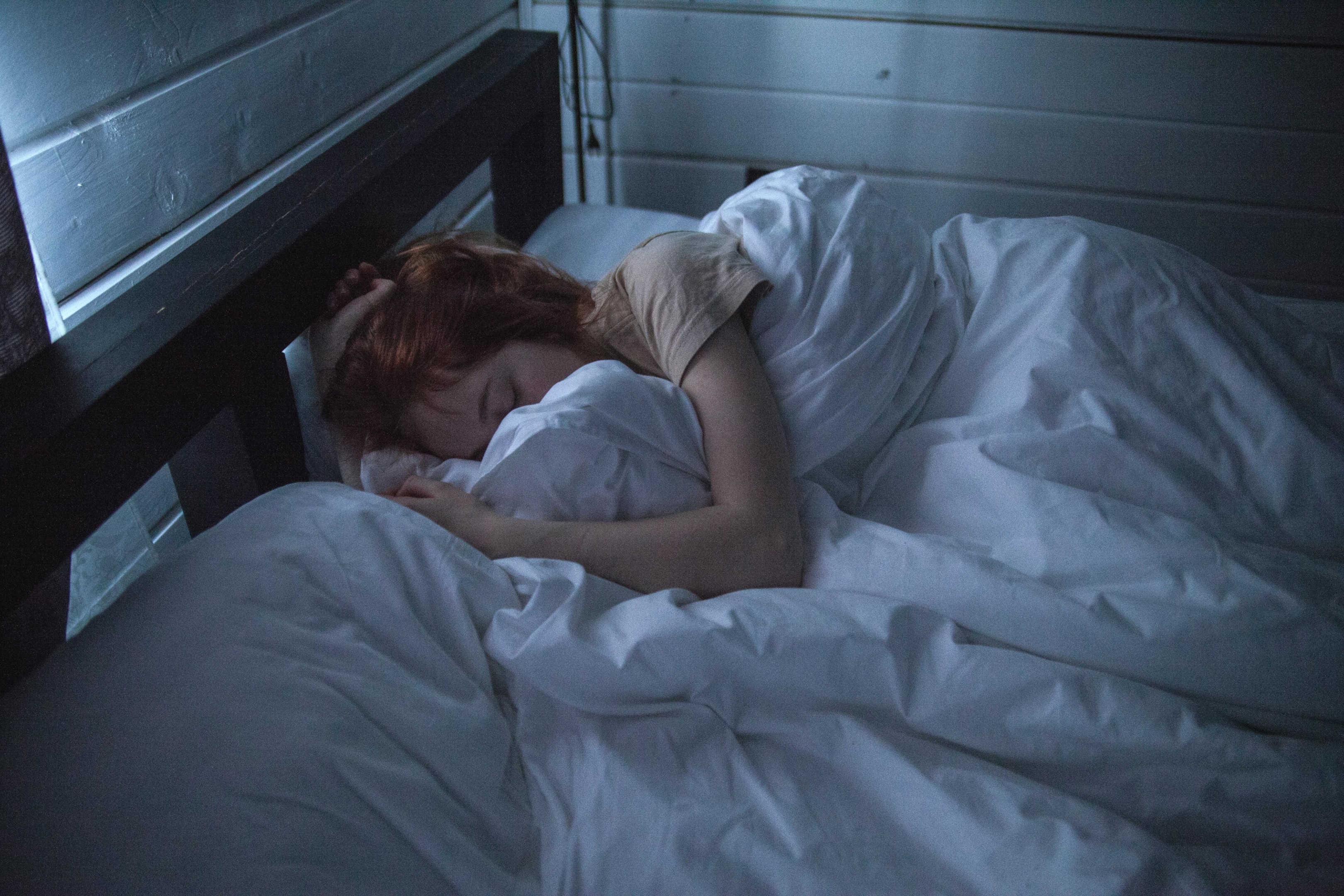
A cluttered bedroom has been shown to provide poorer sleep quality. Your brain sees all the “unfinished business” around you, making it harder to fully relax at bedtime. A chaotic environment makes a proper wind-down routine nearly impossible.
And sleep, I’m sure you know, is one of the most important aspects of your overall physical and mental wellbeing. Sleep is vital for memory consolidation, learning, and brain function–meaning a lack of sleep can impair memory, concentration, attention, and decision-making.
Sleep deprivation also makes us irritable, stressed, and increases the risk of mood disorders like depression and anxiety.
Your physical health also requires adequate sleep! Muscle repair, hormone regulation, and immune function all rely on getting enough rest. Chronic sleep deprivation greatly increases the risk of obesity, high blood pressure, and heart disease. Inadequate sleep also weakens the immune system, making you more susceptible to disease and infections.
Depression and hopelessness.
Chronic clutter can feed those feelings of helplessness–I’ll never get this under control–and low self-esteem–I’m a mess.
It creates a bit of a cycle, and that cycle can become vicious. Depression makes it hard to tidy. A messy space worsens depression. Repeat.
Read more on the Clutter-Depression-Anxiety Cycle.
Procrastination and paralysis.
One of the most common complications with clutter is decision fatigue. When there’s too much going on, your brain gets overwhelmed trying to prioritize what to deal with first, leading to procrastination or even complete shutdown.
We start avoiding spaces or tasks altogether. Do you have any rooms in your house that you try not to think about? Maybe a guest room whose door stays closed, or a laundry room you hurry in and out of only when necessary?

Social isolation.
Social isolation might be an unexpected side-effect of clutter, but think about it: If you feel embarrassed about the state of your home, how often are you inviting friends and family over?
It might start small, but eventually, this problem grows until a person is fully isolated. This is very common in cases of chronic hoarding.
Without regular socialization, we fuel our loneliness and feelings of disconnection. Humans have an actual biological need to socialize, and when we don’t, we suffer.

6 ways minimalism improves mental health.
Minimalism–when done with self-kindness, not harshness and self-loathing–can seriously help improve mental health problems. Here’s how:
1. Reduces overwhelm and decision fatigue.
Every object, task, or commitment you have takes up mental space, which costs mental energy to maintain.
Minimalism strips life down to what’s essential–that means making fewer choices and having less daily mental clutter.
This frees up brainpower for real priorities–or just easier breathing.
2. Creates a soothing space.
A clean, uncluttered environment affects your nervous system similarly to how bird song does–it signals safety. If the birds are chirping, there are no predators around, so our biological response is programmed to lower our guard and relax when we hear birds. An uncluttered environment is another safety signal.
Your brain isn’t constantly scanning for “threats” or unfinished tasks, which helps lower anxiety and cortisol levels naturally.
So if you need to calm down, declutter your area. And maybe play some bird sounds.
3. Improves sleep quality.
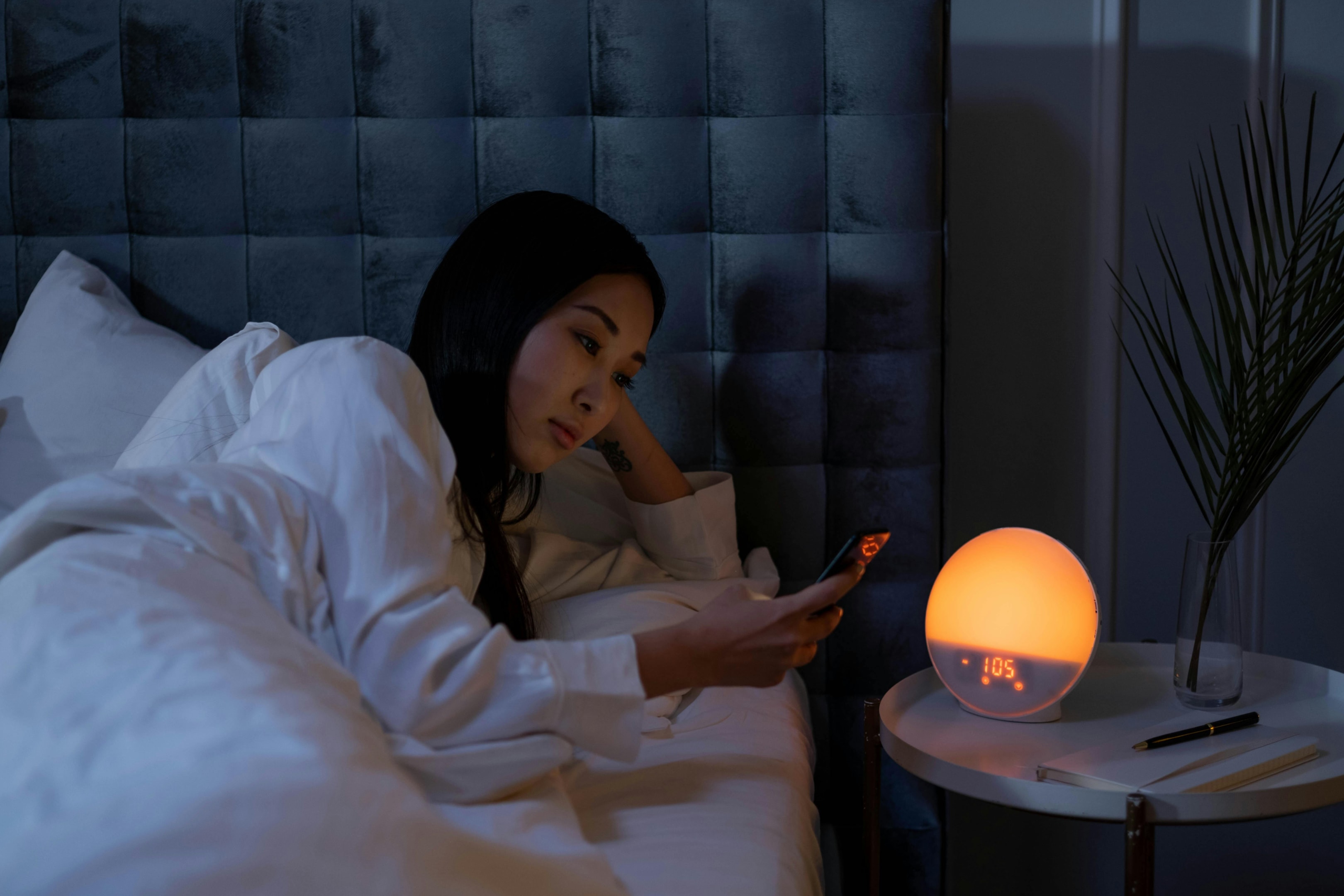
Minimalist bedrooms tend to be quieter, darker, and less mentally stimulating. With less distraction, we relax more effectively, giving us a deeper, more restorative sleep cycle.
Restorative sleep is crucial for basic mental and physical functions, and it’s particularly important for managing depression, anxiety, ADHD, PTSD, and more.
4. Boosts focus and motivation.
Without clutter pulling your attention in a thousand different directions, life gets easier. It becomes less of a challenge to start tasks, stay focused, and finish things.
Especially for individuals struggling with things like ADHD, depression, or executive dysfunction, a clutter-free, tidy home makes a world of difference for accomplishing tasks and sticking to routines.
5. Rebuilds a sense of agency.
Practicing minimalism teaches you to ask questions like, “Is this serving me?” and, “Is this worth my energy?”
Even just emotional minimalism can help individuals with people-pleasing tendencies, low self-esteem, or trauma histories to reclaim control over their lives. It helps them to stop and compare the situation and options with their own internal values.
Even decluttering small things, like a single drawer or shelf, feels like taking action against chaos. And that’s a powerful thing.
Every small win rebuilds that trust in yourself. You CAN change your environment. You’re NOT stuck like this.
This is a huge psychological shift for people recovering from burnout, trauma, chronic illness, or just a general stress-induced lack of direction.
6. Aligns values.
Minimalism (or any type of intentional living, really) invites you to live by what actually matters to you, not by what society or clever marketing campaigns tell you should matter.
Meaningful living is deeply protective against depression, hopelessness, and anxiety. It empowers YOU to decide how you want your life to go.

Minimalism reduces mental clutter, lowers stress, improves sleep, sharpens focus, strengthens boundaries, builds confidence, and reconnects you to what matters.
It’s not just about owning less–it’s about carrying less emotional weight.
How to get started with minimalism.
If minimalism sounds like it might be helpful for managing your mental illness or improving your overall mental health, I absolutely encourage you to try it out!
If you feel overwhelmed at the thought of pursuing a minimalist journey, let me help! I want to enable everyone to gain control of their life by having less stuff, less stress, and fewer distractions so they can focus on self-care, healing, and pursuing positive changes in all aspects of their life.
So let’s get started. Choose the description below that best suits your situation and start there.

A. I’m so overwhelmed with my deeply chaotic house, and I don’t know where to start.
Often, that first step is the toughest. It’s hard to know where to even begin, and with mental health issues, it can be SO difficult to mentally sort, prioritize, and decide where to start.
I recommend Home Heal: De-Stress Your Space. This is a 30-day course to help you tame the chaos, establish home routines that work, and get control of your life without guilt.
B. I don’t have the time, motivation, and/or energy to declutter.
If you don’t feel you have the time or energy to declutter, I have the perfect solution for you. 10 Minutes To Minimalism gives you a weekly assignment with easy, 10-minute decluttering tasks.
It includes simple assignments, helpful tips and insights, and guiding questions to help you make informed and easy decisions.
C. Decisions feel impossible for me.
If you’ve experienced depression, you know how hard decision-making can be. And decluttering is basically 100% decision-making. It’s exhausting for anyone–especially those struggling with mental health complications.
To help you avoid decision-fatigue and save you some brain power, here’s a free gift: The decluttering flow chart. Simply follow the prompts to have those sorting decisions made for you.
Mental illness is a tough battle. Embracing minimalism can truly help in so many ways. If you need professional support during this process, I highly encourage you to get in contact with a therapist. If there’s anything I can do to support you, please don’t hesitate to reach out: he***@******************sm.com
