

I think we all want to be good stewards, whether we grew up familiar with that term or not.
A “good steward” is simply a person who is cognizant and intentional about using their time, resources, and energy in a way that brings joy and progress to their life and the world at large.
Let’s talk about how to truly be a good steward.
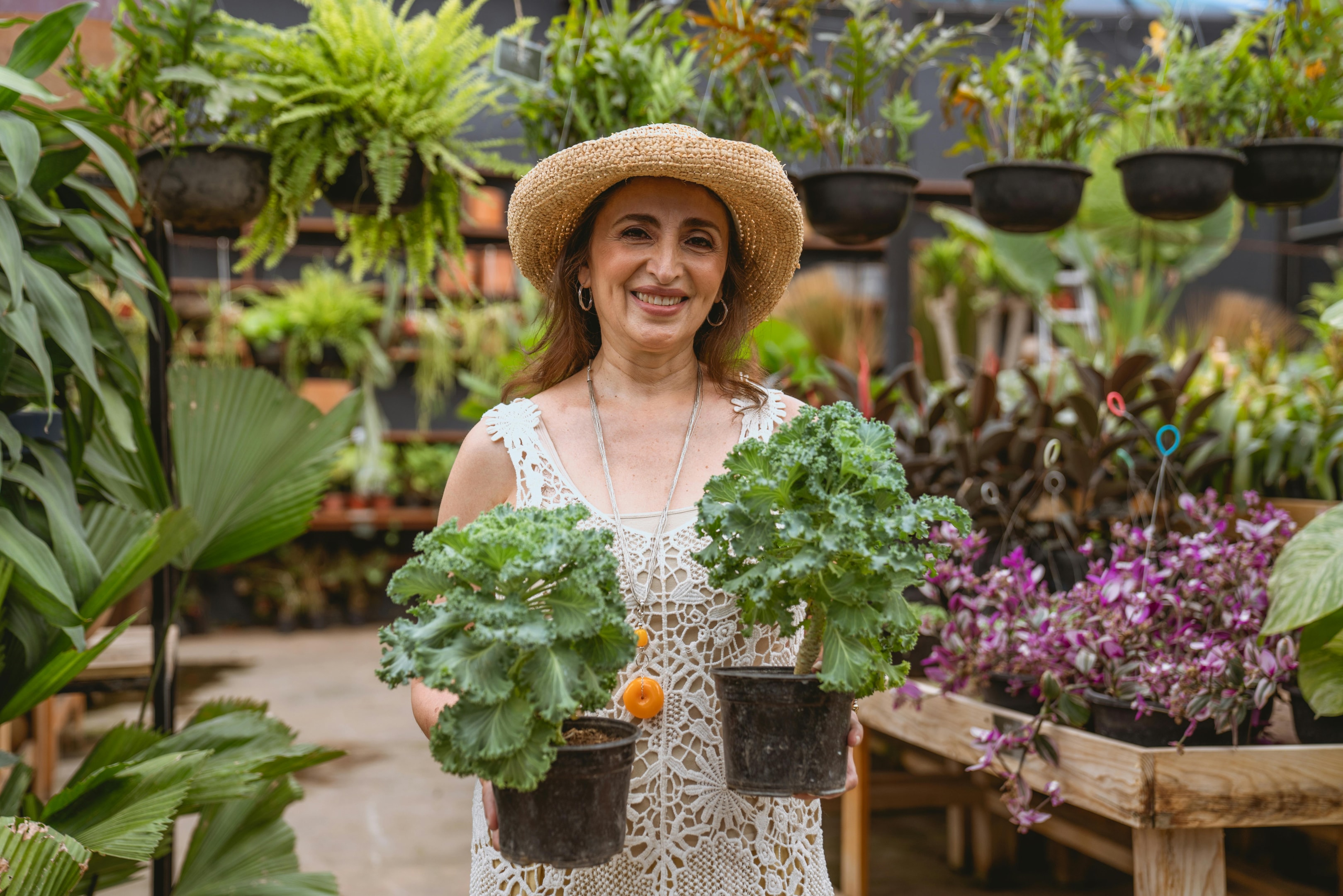
What is a “good steward”?
The Christian Bible makes several references to good stewardship. Here’s the most popular:
“Each of you should use whatever gift you have received to serve others, as faithful stewards of God’s grace in its various forms.” – 1 Peter 4:10
That is interpreted to mean, as a follower of Christ, you’re expected to act as a faithful steward with what God blessed you with on this earth.
BUT,
Even if you’re not a Christian, following these principles will enrich your life and the lives of those around you. You don’t have to believe that your skills, talents, time, and material goods are a gift from an omniscient being to believe that you should spend them wisely.
Being a “good steward” just means responsibly managing and caring for resources, people, or things entrusted to you.
But what does that really look like in practice? Let’s look at some strategies for how to be a good steward.

How to be a good and faithful steward.
Let’s explore some categories of stewardship and ways in which we can use our time, energy, and resources to serve others and have a positive impact on our environment.
Environmental stewardship.
“The highest heavens belong to the Lord, but the earth he has given to mankind.” – Psalm 115:16
The above verse says that God has given humans dominion of the earth, suggesting it is our responsibility to care for it. Here are a few ways we can consider doing that!
1. Reduce waste and recycle
“Do not pollute the land where you are… Do not defile the land where you live and where I dwell.” – Numbers 35:33-34
If you like to hike or camp, you should be familiar with “leave no trace” rules. That’s a good principle to apply in other areas of life, like littering, recycling, and doing what we can to stop our garbage from adding to landfills.
Of course, with our current systems, it can be quite difficult to successfully recycle everything. Just become aware of how you can reduce, reuse, and recycle different products, gradually make changes to recyclable or biodegradable containers, and do what you can where you can.

2. Conserve water and energy
Many of our natural resources aren’t as renewable or readily available as people believe. The drilling and usage of fossil fuels damage the earth in many ways–weakening fault lines, causing devastating earthquakes and tsunamis, and releasing harmful emissions into the air we breathe.
Do what you can to conserve water and energy, and do what you can to influence that those resources are gathered responsibly.
3. Choose sustainable products
Think about the things that you buy! Are the products, and the packaging of them, sustainable? A few ways to shop more sustainably include:
- Shopping locally (avoid the energy waste and emissions from shipping)
- Buy things whole, when possible (such as raw ingredients over processed foods)
- When you can, opt to cook at home instead of eating out
Sustainable decisions lead to improved mental and physical health, which is a nice bonus.
4. Support environmental conservation efforts

“The Lord God took the man and put him in the Garden of Eden to work it and take care of it.” – Genesis 2:15
It is each of our responsibilities to support environmental conservation. According to Genesis, God has directly asked us to do so. If we aren’t taking care of the land that was “loaned” to us, what does that say about our stewardship?
You might consider volunteering for an organization to clean up your town’s waterways, or do some canvasing for a local politician who acknowledges the importance of conservation. There are many ways to get involved, from avoiding pesticides in your own yard to running for local office yourself.
5. Maintain and protect natural spaces
We humans do many, many harmful things to natural spaces. Drilling, logging, over-developing… Our wild spaces are disappearing rapidly.
The Louisiana wetlands are lost by miles each year, and each year, that number grows. In 2023 alone, we lost 3.7 million hectares of rain forest, which is equivalent to 10 football fields per minute.
It’s a huge, global problem, and no one can fix it on their own.
But, we can all try to do our part to protect the land we live on. Protect it with how you vote, with how you spend your money, and by becoming more aware of local efforts, issues, and causes for protecting natural spaces.
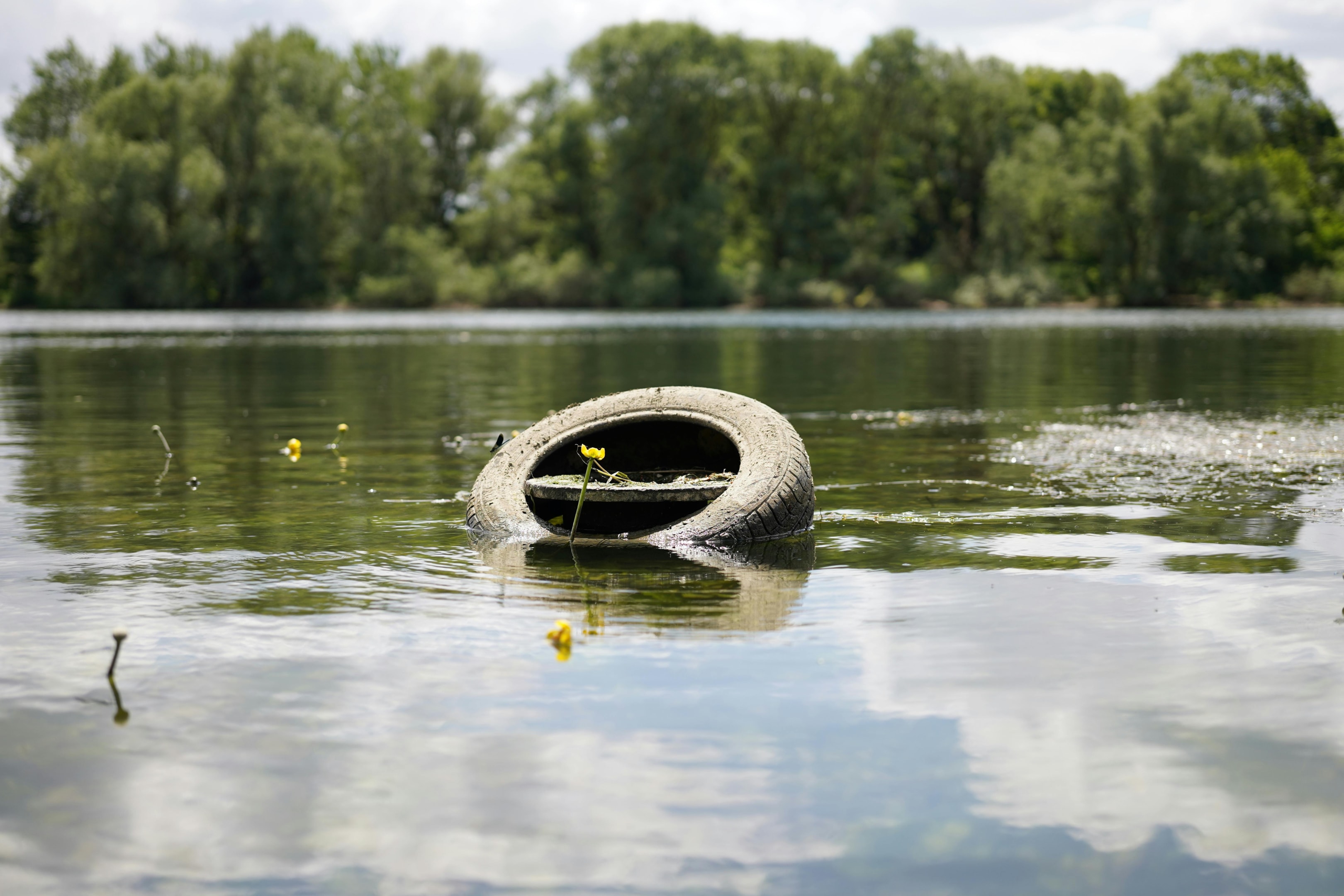
6. Compost
If you have the means and space, composting is a great way to lower carbon emissions and reduce the effect of greenhouse gases on our environment.
An alternative is backyard chickens! They’ll eat up your kitchen scraps and give you delicious eggs in return.
But if you have a garden or flower bed, or if you would just like to enrich the soil you live on, I recommend composting and spreading that rich, nutrient-dense fertilizer in your yard for the benefit of countless beings.
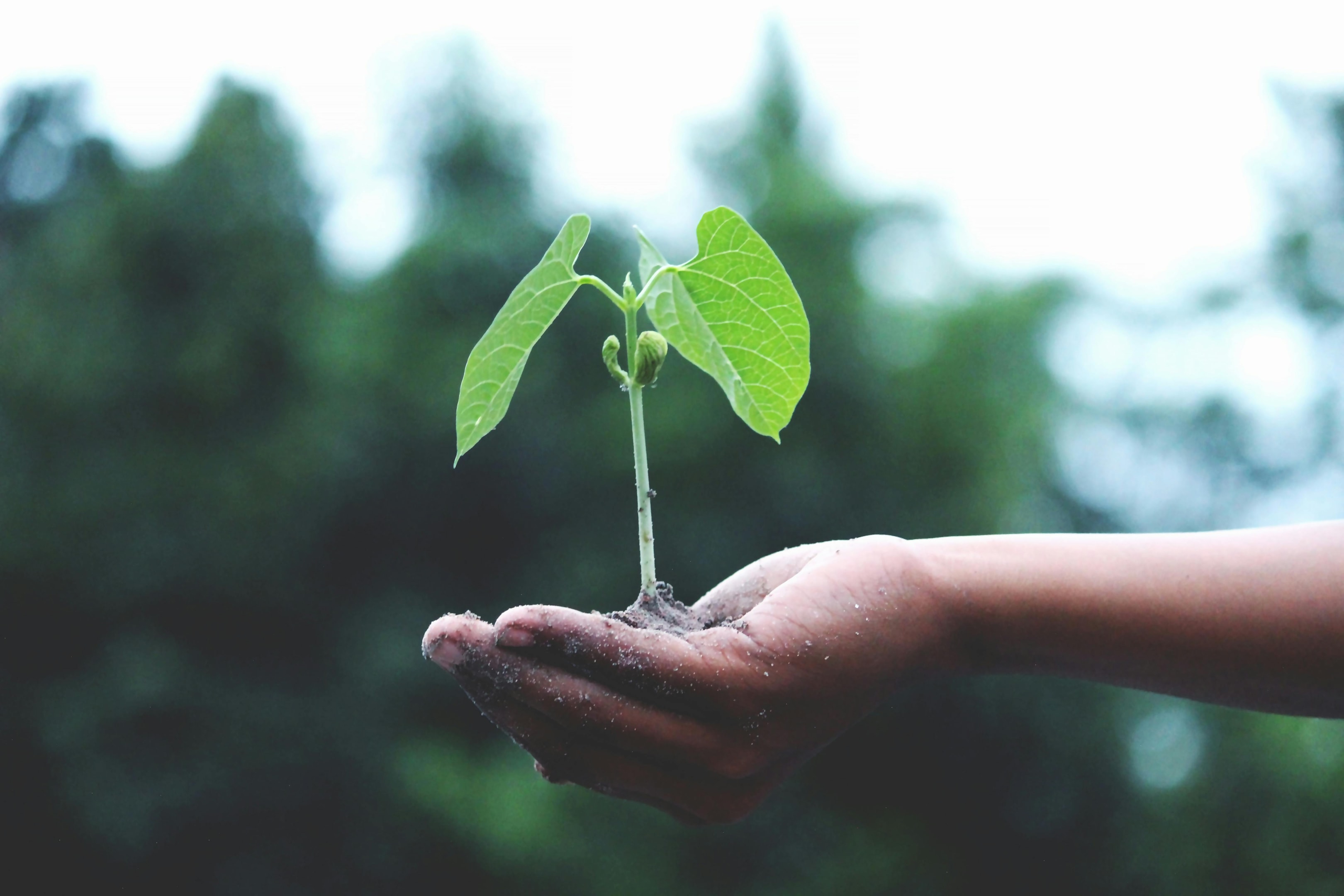
7. Plant trees and native plants
Replacing native plants can support animal and insect populations. It also helps prevent disasters like wildfires, droughts, and landslides.
Do a little research on your local area and plant a couple of trees, plants, and wildflowers in your yard!
8. Share space and resources
“The land must not be sold permanently, because the land is mine and you reside in my land as foreigners.” – Leviticus 25:23-24
If no one can own land, how can we have the audacity to hoard it and exclude others? Humans are collaborative creatures by nature–selfishness goes against our DNA. It’s something we learned. And it’s something we can unlearn by intentionally sharing our space and resources with each other.
And a final note on the topic of environmental stewardship from Jeremiah 2:7 and Revelation 11:18–
“And I brought you plentiful land to enjoy its fruits and its good things. But when you came in, you defiled my land and made my heritage an abomination.”
“The time has come…for destroying those who destroy the earth.”
Not to get too heated about it.
Financial stewardship.
To be good stewards financially means to live within your means, be intentional and wise with your saving and investing, give to charitable causes, and use your buying power to support what you believe in.

1. Saving
“The wise one saves for the future, but the foolish one spends whatever they get.” – Proverbs 21:20
Saving money is biblical, blatantly put. And saving money can be HARD, especially today. Don’t beat yourself up about not having the full 3-6 month emergency fund, or the recommended retirement put aside for your age, or whatever other metric we’re using to determine financial success…
But you can make an effort to set SOMETHING aside. For your safety, your family’s safety, and the wellbeing of your community.
2. Spending intentionally
In a capitalist-centric society, dollars speak far louder than words. How we spend our money directly affects how the world changes.
So spend your money in a way that supports what you believe in. Usually, this means spending locally, as an investment in your community. It can also mean not shopping at big chains, as monopolies and oligarchies are neither biblical, ethical, nor conducive to improving our society.
Take the time to learn about where your money is going, then make small, sustainable tweaks to your lifestyle to allow your spending to support your convictions.
3. Giving back
“If anyone has material possessions and sees a brother or sister in need but has no pity on them, how can the love of God be in that person?” – 1 John 3:17
4. Planning for your progeny
“A good parent leaves an inheritance to their children’s children…” – Proverbs 13:22
If you have children, you probably worry about their future. You might set aside money for their education or early adulthood. You might invest in a way that ensures they inherit some amount of money.
And there are ways to bless your children’s future without directly donating monetarily. For example, you might prepare to let them stay with you into their early adulthood, so they might get ahead in life by way of not needing to pay rent and bills. If you don’t have literal generational wealth to pass down, you can pass it down via housing them for longer to give them a little headstart.
5. De-centering money
This might sound a little contrary to the suggestions above, but it really isn’t. There’s a difference between handling your resources (i.e., money) wisely and intentionally versus making money your sole focus in life.
Prioritize your mental health and peace, your family’s wellness, and spending your time in a way that makes you happy and content. Money makes all of these things easier, but it’s important we don’t conflate money into being the important part.
“For the love of money is a root of all kinds of evil.” – 1 Timothy 6:10
Property & resource stewardship.
We’ve already touched on using land we own as a starting point to improving the environment. There are other ways we can use property and resources to be responsible stewards.
1. Maintain and repair rather than replace
Instead of running out to buy a brand new something-or-other, see if your old one can be mended or repaired.
Be sure to perform maintenance on your property to prevent the need for repair in the first place.
Taking care of what we own is a cornerstone of biblical stewardship.
2. Keep spaces clean and organized
Keeping things clean and organized is another facet of being a responsible owner. We should take care of what has been entrusted to us.
And the best way to keep things organized is to keep them minimal. Check out our beginner’s guide to minimalism to determine if that type of lifestyle might best suit your stewardship.
3. Share resources when appropriate
It is also our duty to support others with our resources. I’m not saying you should completely bleed yourself dry to blindly give things away, but be thoughtful and open to opportunities where you might be able to bless a fellow person.
Talent & skill stewardship.
We all have various gifts, whether natural or acquired, and they can be used positively or negatively. Here are a few ways you might utilize talents and skills for your betterment, as well as the betterment of the people and world around you.
1. Develop and improve your skills
“God expects us to grow and multiply what He has entrusted to us.” – Matthew 25:14-30
Invest time in learning, practicing, and honing your abilities. Similarly, spend the time to notice your skills. If you find you have a particular pull toward some skill or activity, follow that inclination. Develop it into something that you can use as a tool.
2. Use your talents to serve others
“Each of you should use whatever gift you have received to serve others, as faithful stewards of God’s grace.” – 1 Peter 4:10
Find ways to use your skills to support your community. If we all used what we have to support each other, all of our needs could be met with ease.
3. Stay humble
Recognize that your talents don’t make you better than others, but that they are an opportunity to improve lives, including your own.
Become skilled in recognizing the talents of others, and what they might bring to the table.
Stay open and receptive to learning and improving upon your talents.
Find ways you can collaborate with others to combine your skills for the greater good.
4. Be generous with your talents
“Give, and it will be given to you.” – Luke 6:38
Share your skills through mentoring, teaching, or volunteering. Some of us have gifts that are harder to notice, like patience and empathy. You might share skills through mentoring, teaching, volunteering, or just by being there for someone through a tough time.
Community stewardship.
We are absolutely blessed in the simple fact that there are other people here with us, living in the same world at the same time as we are.
It’s not something to take for granted. And if you feel like you don’t appreciate it deeply enough, your homework is to watch I Am Legend. Or the first fifteen minutes of Wall-E.
Anyway, here are ways you might be a good steward with your community.
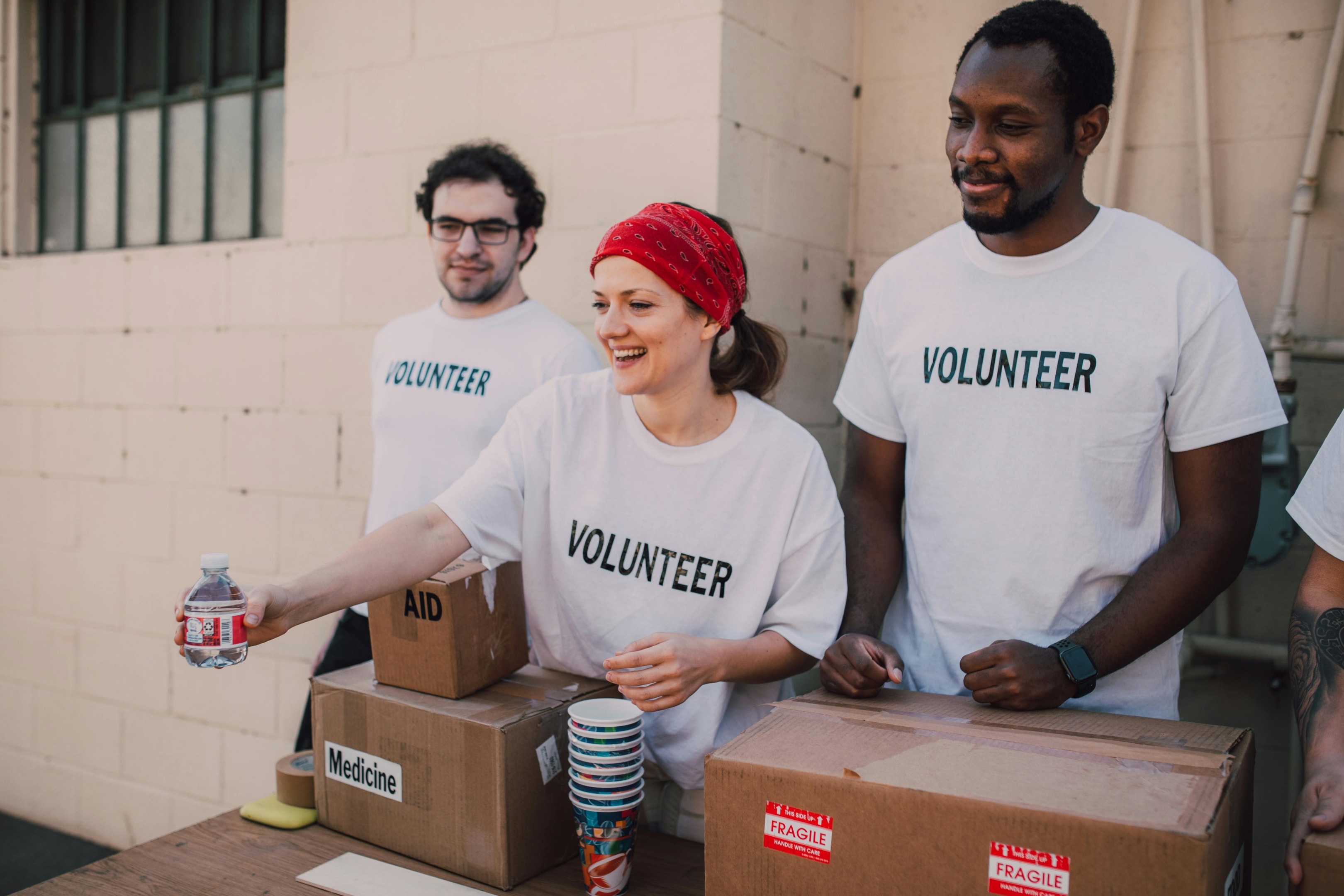
1. Volunteer your time and skills
You don’t have to give money to your community to improve it. Of course, that’s a nice thing to do, if you have the means and the proclivity, but donating your time is an even more incredible way to give back.
Maybe you could stop and make a list right now–what are your skills, talents, and areas of expertise? How could you utilize those things to serve your community? Give it some thought! You may find you feel called to contribute in a particular type of way.
2. Support local businesses
Shopping local puts that money right back into your community. Instead of shipping your resources off to some random place to line the pockets of (likely) a billionaire, insert it back into your local economy and support small businesses.
3. Participate in community events
Show up! You don’t have to volunteer, donate, or support causes, if you don’t want to. You can simply be there. Become a familiar face in your community. Get plugged in.
4. Help neighbors in need
When you are plugged in, you can know when your fellow people need help. Extend graciousness and love to your neighbors. If you see a need that you can meet, why not meet it?
5. Share knowledge and expertise
Eventually, we all run into the opportunity to mentor others. We always know SOMETHING a little better than someone else might. Especially if you’re an older and wiser person, look around for opportunities to help someone with your expertise.
We might not know everything individually, but combining your knowledge and expertise creates a strong network of information and capabilities.
6. Engage in local governance
Running for office yourself is a big task, but being involved doesn’t have to be such a commitment. The issue with local politics, in my observation, is that the average citizen really doesn’t realize how much of an impact they can have.
Volunteer, vote, and have hope that things can change. And if you feel inspired to take office or join a committee, by all means, do so!
Personal health and wellness stewardship.
One of our dearest resources is our corporal form. Our mind and body are capable of amazing things–they’re also capable of unique types of horror.
We must do our part to take care of ourselves, because you have to affix your own oxygen mask before helping others. See to your own well being and take the time to fulfill your own needs. Here are some ideas.
1. Take care of your body
Neglecting our health is, in a way, being ungrateful. If God blessed us with a body, why do we feel okay neglecting it–or even abusing it?
Prioritize your health. Strive to get enough rest, hydration, nutrition, and movement in your day.
2. Take care of your mind
Similarly, your mind is a powerful, wonderful gift. Give it what it needs. I think the most neglected need our mind has is rest. We are under constant stimulation with everything going on in our lives, plus filling every quiet moment with scrolling through useless and/or upsetting content on our phone.
I remember my mom used to tell me that God wouldn’t be able to speak to me if I was always busy, because he speaks in the silence.
And whether you believe wisdom granted in silence comes from a higher power or from your own subconscious–it comes in silence regardless.
If you struggle to break free from something like a digital addiction, I really encourage you to start taking steps toward carving out moments of peace for yourself. Take some quiet moments each morning and evening. Use a meditation app or a guided meditation session on YouTube. You might try journaling. Maybe you can get back into reading and swap your nighttime scrolling with a good book.
3. Pursue creativity
One of the great tragedies of the digital overload is that we consume more than we create. And if you’ve had times of high creativity, as well as times of no creativity, you know how that makes you feel. Bad! It feels bad!
Take the time to pursue your creative endeavors, whether it’s gardening, sketching, dancing, writing, piano, scrapbooking, or anything else! Do what fills your cup, and do it often.
4. Further your learning
We don’t age out of learning. Sometimes it can be a comforting lie to say, well, you can’t teach an old dog new tricks.
We don’t expire at 35!
In fact, studies show that between the ages of 20 and 60, there is nearly no natural cognitive decline. If we decline, it is because of our habits and mindset.
And the best way to keep a sharp mind is to keep it learning. So read books! Study a language. Learn a new craft. Teach yourself to forage. Expose yourself to new ideas and allow yourself to keep growing.
5. Keep an open dialogue with yourself
So many of us have closed off that inner voice. We get tired of hearing from it. It tells us to do things that are boring, hard, or that we just don’t want to do. We quiet it so we can ignore our true needs and numb or distract ourselves.
Hitting snooze doesn’t turn off the alarm. We’ve gotta get out of bed.
To keep an open dialogue with yourself, seek those moments of silence. Allow yourself to be bored, even for a few minutes each day. Practice meditation. Start a journal. Talk out loud to yourself, if that’s what it takes. Listen to yourself! You know a lot more than you might think!

Parental stewardship.
And what could be more important than doing right by the little people entrusted to us?

1. Patience
It is our duty to be patient with children. They are brand new to earth, and they don’t know anything yet. A kind word and soft hand is enough to guide a child as it grows into another good steward.
“See that you do not despise one of these little ones. For I tell you that their angels in heaven always see the face of my Father in heaven.” – Matthew 18:10
2. Prioritize their development over your ego
“Children are a heritage from the Lord, offspring a reward from him.” – Psalm 127:3
Unfortunately, our biological need for acceptance and respect of our peers can trump our biological need to raise the next generation with care.
Learn not to care if they hurt your ego. They will remember the moment you hit them far clearer than you will remember the moment they lost control of their baby emotions in front of your friends.
3. Do your research
We’ve learned so much about the psychological and physiological development of people in recent years. Mainly, how much growth happens in such a small time frame in early life. What we do to our children will affect who they are for the rest of their lives.
To do our best to ensure that they grow into healthy, balanced adults who can help to build a better world instead of helping to destroy it, we should use all of the resources at our disposal.
That means reading.
Even while studying the bible and adhering to your interpretation of it, keep an open mind and use the reliable, present-day resources that God has allowed you to access.
Learn how easy it is to unbalance a child. To change the physiological makeup of their brain. To lead them to addiction, to anxiety disorders, to depression. Use the resources available to you to do the best job that you can.
4. Be the village
“Whoever welcomes one of these little children in my name welcomes me.” – Mark 9:37
If you’re someone without your own children–maybe you never intend to have them–I don’t believe that absolves you of the responsibility of crafting a stronger generation than ours.
It takes a village to raise a child–so be that village. Provide support for the parents and children in your life. Be an amazing aunt or uncle. Put in the effort to make connections with them. Let them know that you’re a safe place if they ever need one.
The science clearly shows that the more healthy connections to caretakers a child has, the happier and more successful they are as adults. You can be a part of that network that positively influences children in your family and community–without ever taking on parenthood yourself.
Is minimalism good stewardship?
Minimalism isn’t inherently good stewardship. As you see from only what I’ve listed above, stewardship encompasses quite a large range of areas.
But, minimalism CAN be connected to good stewardship. It helps people to become more aware of the world, more intentional with their spending, more appreciative of their blessings, and more able to be helpful and act with love for others.
Even the simple act of decluttering can be an act of intentional good stewardship–you’re caring for your immediate environment (your home) and creating the opportunity to pass along some of your blessings to others.

If you’re ready to get started with minimalism, here are some good places to dig in!
What do you do to be a good steward? Share your suggestions in the comments below!

This article is so good. I shared it with my older teens and my husband. I love the biblical truth presented so gracefully. It is inspiring in many ways, but increasing my creative output and putting my phone down and picking up a book are two I’m currently working on. Thank you for writing this!