

Are you an emotional cleaner? Many people clean, declutter, and organize their space to soothe feelings of discomfort, anger, sadness, or anxiety. It can give you something to control in an otherwise uncontrollable situation.
While cleaning is a healthier coping mechanism than many, it’s not always the healthiest habit! Let’s talk about cleaning rage, the pros and cons, how it affects your relationships, and practical steps you can implement to improve your habits.
What is cleaning rage?
Rage cleaning is a colloquial term that describes an intense, sudden emotional state where you need to clean the house RIGHT NOW. You’re organizing, you’re decluttering, you’re suddenly going full minimalist, you’re moving the giant armoire across the house. For some reason, it feels like the correct thing to do. The way to fix your whole life is to get rid of your single socks, throw away half your pans, and rearrange the living room furniture.
We have a lot of moms in our reader base here at Nourishing Minimalism, and moms in particular are often the ones bit by the rage cleaning bug.
If you find yourself suddenly deep cleaning entire rooms, reorganizing big spaces, throwing out items left and right, intensely scrubbing something–you might be rage cleaning.
There are two main types of rage cleaning that I have observed.
Type 1: A Fresh Start
This type of rage cleaning is helpful and usually positively productive. It’s a burst of energy where we feel compelled to declutter, Spring Clean, or “nest”.
It might be triggered by something negative, like stress or loss, but the overall activity and outcome of Type 1 rage are typically positive.
It usually results in a cathartic, therapeutic sense of satisfaction. The physical activity releases endorphins that enhance your mood and reduce stress, while focusing on the activity helps alleviate symptoms of depression, and the ultimate result of it (a clean and organized home) does all of the above.
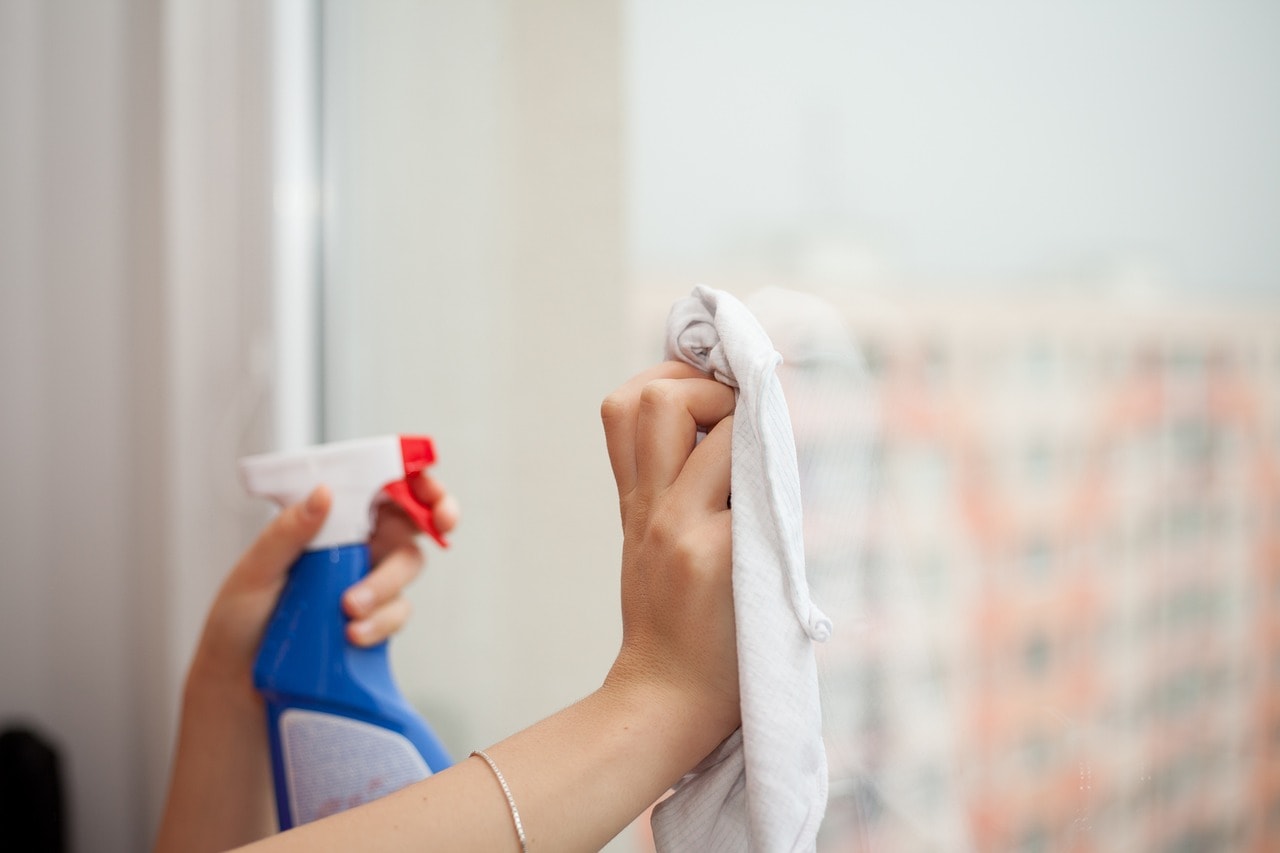
Type 2: I’m The Only One That Does ANYTHING Around Here!
Type 2 is usually triggered by stress, emotional buildup, feelings of loss, or Braden leaving his dino Transformers in the middle of the living room for the ninth day in a row.
This type of rage cleaning serves multiple purposes:
- Stress relief
- A feeling of control
- An excuse to slam stuff around
- A way to make your lazy unhelpful family feel guilty
Sounds pretty toxic, right?
Well, yeah, it is.
But a lot of toxic things feel reeeeeal right in the moment, so no judgment if this sounds like you.
If you find yourself participating in this type of rage cleaning, you might need to evaluate and adjust your behavior. Indulging in the rage likely makes you more angry and stressed, and it’s not an effective way to communicate to your housemates that you want them to pick up some slack.
Now, if you’ve had that discussion over and over again (definitely a conversation that triggers the rage), it might be time to consider more serious solutions. Are you able to live a happy life in this space with these people? Is it time to look for new roommates? Or file for divorce? Or list those gross kids for adoption?
Just kidding. Sort of.
Anyway, it’s easy to harness Type 1 rage into positive productivity. Type 2 is almost always just passive aggression that results in a clean house, so…you win some, you lose some.

Is it bad for mental health to rage clean?
If you’re Type 2 rage cleaning, that’s not the best coping mechanism for whatever stressors you’re experiencing. You can certainly harness rage cleaning to get some positivity out of it, but ideally, you don’t have to resort to that.
But on the other side of the coin, a dirty or cluttered home has a significant impact on mental health. It can contribute to anxiety, depression, and overwhelm.
Imagine walking into the most cluttered room where every surface is covered with stuff—papers, clothes, garbage, random knick-knacks. A cluttered living environment can be a visual representation of a cluttered mind, making it difficult to focus and relax. It’s like your brain can’t find a place to rest.
Research has shown that individuals who live in cluttered environments are more likely to experience stress, fatigue, and decreased productivity. Clutter can also affect our emotional well-being, leading to negative feelings such as guilt, shame, and frustration. So, while it might seem like just a mess, it’s actually a mental health issue that can’t be ignored.
So, yes and no. Rage cleaning can be okay or positive if handled mindfully. It can also be detrimental to your health and relationships.
Rage cleaning and relationships.
If you’ve rage cleaned before, you almost definitely don’t live alone.
Whether you’re living with parents, a long-term partner, kids, or roommates, it can be tough to share an intimate space with people.
Rage cleaning can be triggered by feeling that others don’t do their fair share, squabbles, and household disagreements. And those situations heighten tension, which makes cleaning feel even MORE overwhelming.

The positives of rage cleaning on relationships.
It’s not all bad–nothing is. The potential benefits of rage cleaning include:
Productivity. How you felt while cleaning doesn’t make anything less clean by the end of it. A clean house can significantly improve your mood and reduce anxiety.
Stress management. Rage cleaning can be a stress-relief mechanism for the person experiencing it (often not for the people witnessing it…). There are also the additional benefits of a clean space–e.g., having clean sheets can contribute to a better night’s sleep and improved mood.
If everyone in the home understands and supports the person experiencing cleaning rage, it can be a positive activity that helps reduce stress and anxiety.
So if you have a loved one who goes into “cleaning fits,” where they spend a few hours deep cleaning because they got stressed out at work, that’s probably a productive activity for them to work through those feelings and create a sense of control.
The negative effects of cleaning rage.
If you have a loved one who starts rage cleaning because they saw that you STILL have not unloaded the dishwasher, and they’re slamming things around with their little eyebrows pinched together, that’s a bit less productive.
Conflict and tension. Rage cleaning can create resentment if one partner feels they’re being criticized about their cleaning standards or skills. Resentment on the cleaner’s end is also common, due to feeling like they’re doing an unfair amount of work.
This leads to arguments and tension, reasonably.
It can also trigger feelings of shame or inadequacy in the partner who isn’t meeting those cleaning standards. More often than not, rage cleaning stems from deeper communication issues and unresolved relationship tension.
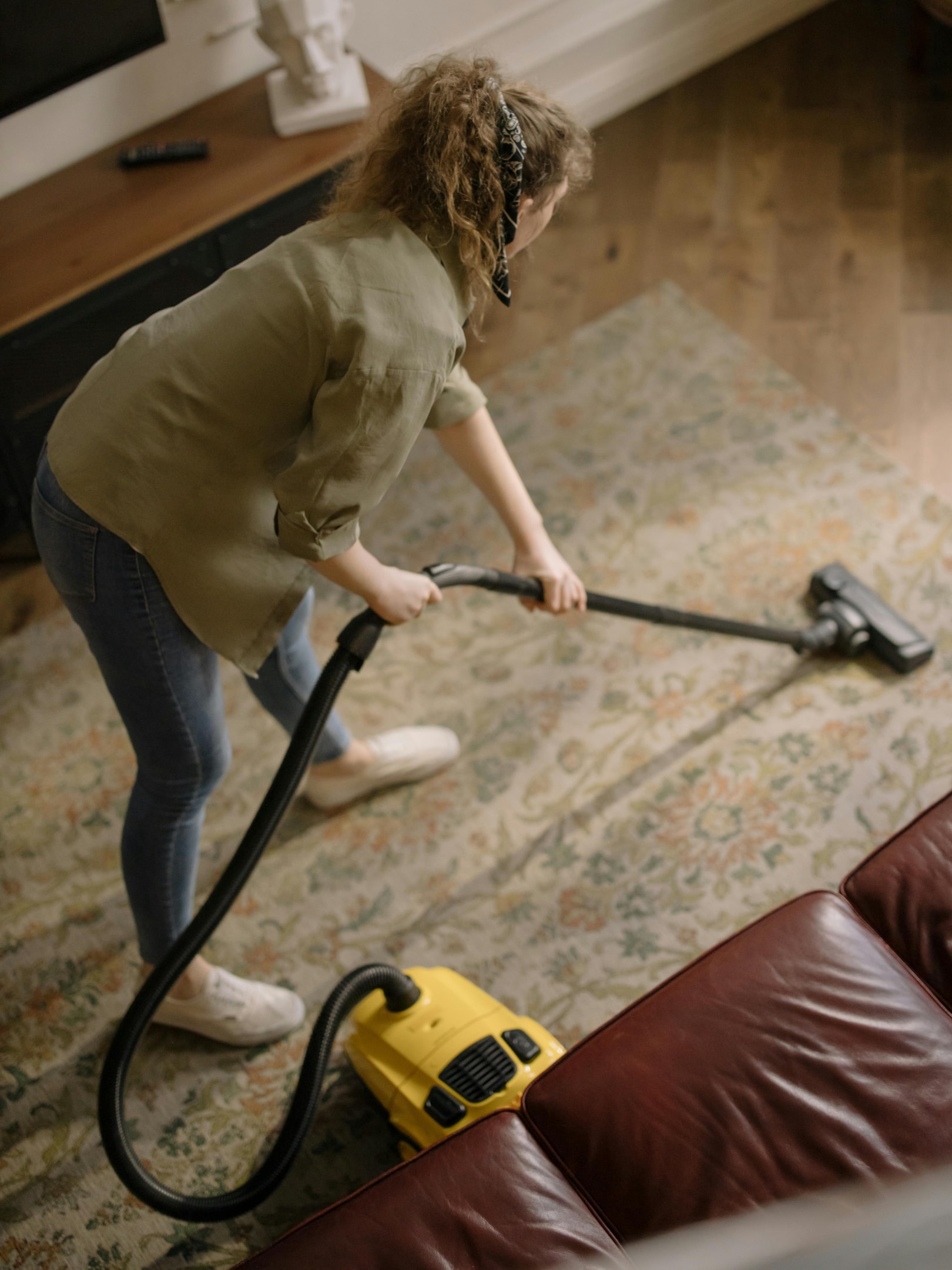
Should you stop rage cleaning?
Cleaning and decluttering can be a powerful tool for managing stress and increasing productivity. When your living space is clean and organized, it’s like a weight has been lifted off your shoulders. You feel more in control of your environment and better equipped to tackle tasks and responsibilities.
Plus, the physical act of cleaning is a form of exercise, releasing endorphins, improving mood, and contributing positively to your overall health. By incorporating cleaning into daily routines, you can experience a sense of accomplishment and motivation.
So living in a clean, tidy space, along with the act of cleaning itself, is almost always positive.
But if you feel tense, angry, or upset while cleaning because of a communication or interpersonal issue amongst your household, rage cleaning will often worsen your mental and emotional state while further straining those relationships.
Whether or not you should stop rage cleaning depends on you, your circumstances, and how the activity ultimately makes you feel.

How to stop rage cleaning for better stress management.
Does it feel good for you to rage clean? Are you more relaxed afterward, or do you just work yourself up even more? Do you feel you’ve resolved the negative emotions you began with, or have they grown?
As we’ve discussed, cleaning fits can be positive or negative for your mental health. It depends on why you’re doing it, how you feeling during, and how you feel afterwards. Also take into account how it makes the people around you feel.
For your well being and the health of close relationships, you might feel the need to get a hold of this habit.
Step 1: Communicate
Foster open communication with your living partners. Lay out clear expectations for how you’ll split the household chores. If need be, whip out that whiteboard and make yourself a chore chart.
Establish what responsibilities belong to whom, which are shared, when they are to be performed, and the quality standard expected.

Step 2: Observe
Try to learn more about this habit. Understand the emotional roots, note down triggers, and make reasonable lifestyle tweaks. Seek professional help if necessary.
Step 3: Routine
Incorporate cleaning into your daily routine as a way to manage stress and improve mental well-being. Doing it a little bit more regularly can be much less stressful and intimidating than letting it pile up, then depleting all of your energy and burning an entire weekend to clean it all at once.
You might create a realistic to-do list for yourself (and for your living partners, if relevant). This can help you manage daily tasks and reduce the overwhelming feeling and mental fatigue that comes from trying to tackle the whole thing from scratch.
Moving Forward
Clutter can cause many negative emotions and mental health problems along with putting undue stress on your close relationships. If you feel clutter is affecting your mental health, please read about the Clutter-Depression-Anxiety Cycle to learn how to stop it.
If you’d like even more information and actionable steps forward, check out our guide below:

