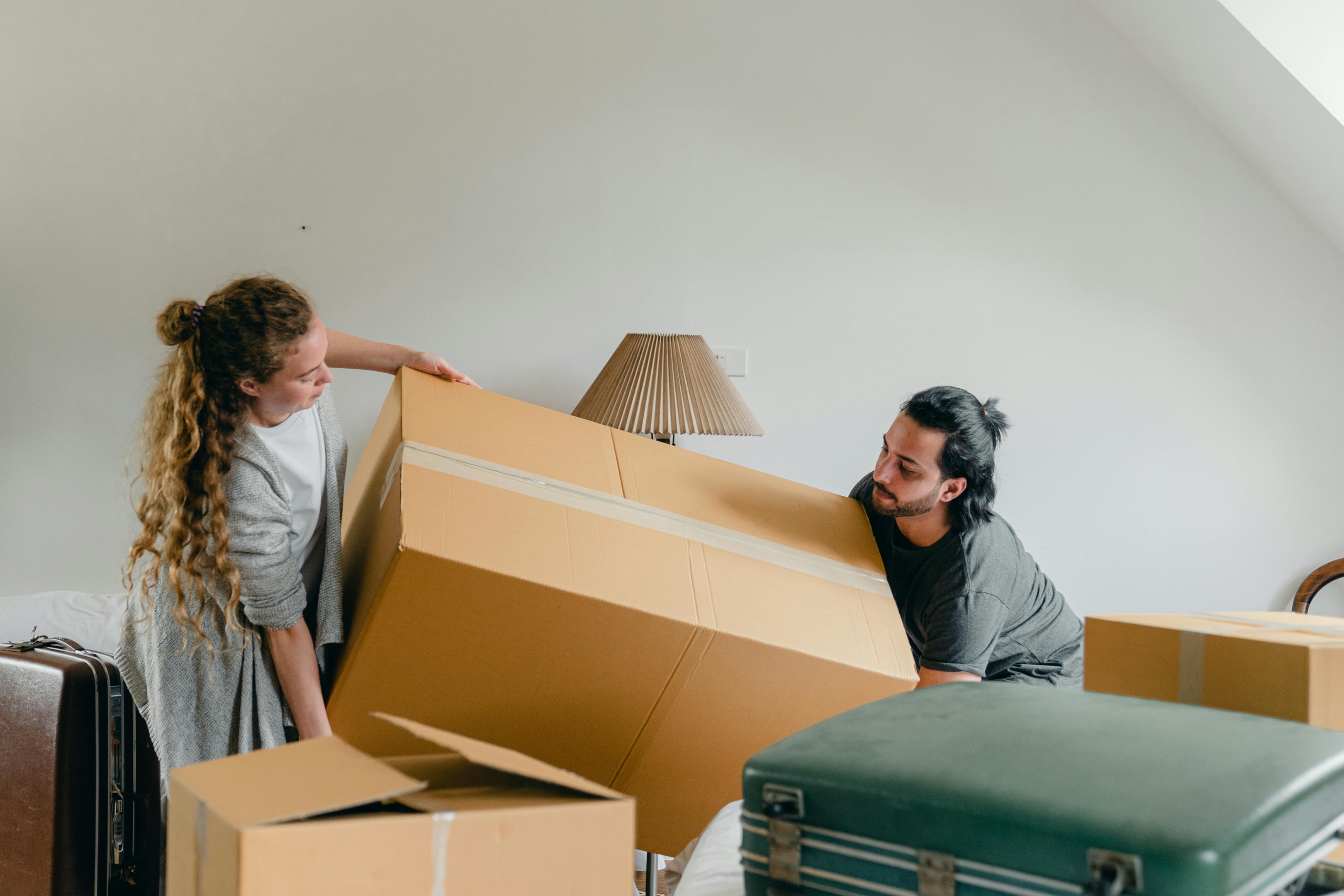
Congrats on the new digs, you first-time-apartment-owning rockstar! Having your own space is SO exciting, but it can also bring confusing problems, like… What do you even bring into your first apartment?
This is your complete apartment checklist, plus a special studio apartment list, tips for moving in, and a printable list to take with you!

Apartment essentials: Comprehensive packing list for first apartment.
If you’re moving into a small space, your first apartment, or if you’re transitioning into a minimalist lifestyle and moving is an easy time to do it, here are your apartment essentials by room to consider.
Here’s your ultimate first apartment checklist to make sure you don’t miss anything! Download your free printable checklist at the end of this post!

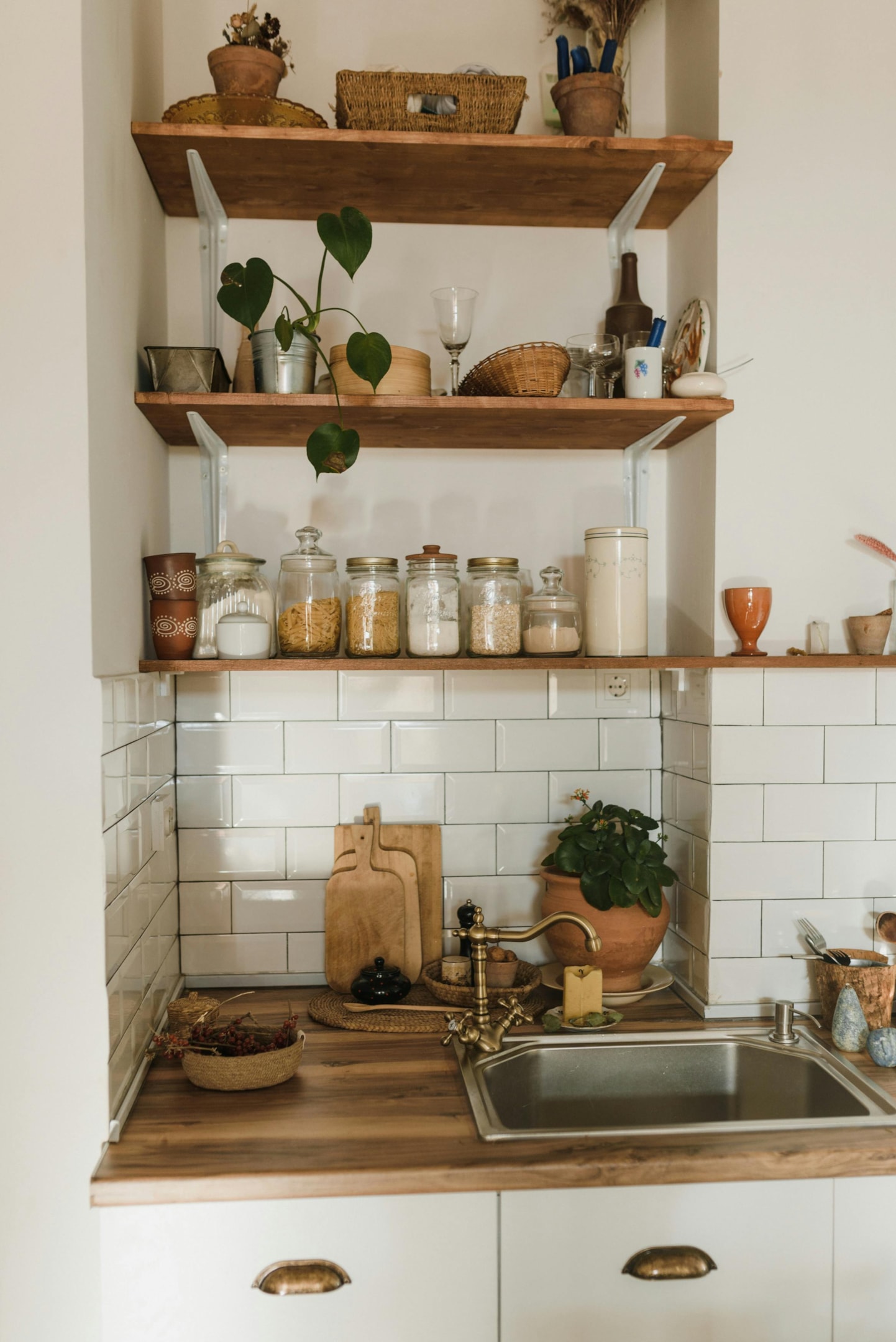
First apartment kitchen essentials
The kitchen essentials can vary WILDLY between people. Are you a microwave burrito kinda person, or are you a Chef?
Customize this list as it makes sense for your lifestyle. Try to avoid “just in case” items. If the case occurs, get it at that point.
Cookware:
- Set of pots and pans (various sizes)
- Baking sheet
- Casserole dish
- Cutting board
Utensils and Tools:
- Cutlery set (forks, knives, spoons, chopsticks)
- Cooking utensils
- Spatula
- Wooden spoons
- Tongs
- Whisk
- Chef’s knife
- Paring knife (you could get away with only one chef’s knife)
- Can opener
- Bottle opener/corkscrew
- Measuring cups and spoons
Dishware:
- Plates (dinner and salad size)
- Bowls
- Mugs
- Glasses
Appliances:
- Microwave
- Coffee maker, French press, or pour over
- Toaster or toaster oven
- Blender
- Kettle
Storage and Organization:
- Food storage containers
- Plastic wrap, aluminum foil, zip-top bags
- Dish drying rack
- Trash can and recycling bin
Cleaning Supplies:
- Dish soap and sponges
- Dish towels and paper towels
- All-purpose cleaner
- Broom and dustpan
- Mop and bucket
- Razor scraper
Miscellaneous:
- Oven mitts
- Apron
- Trivets or hot pads
- Kitchen timer
- Meat thermometer
- Fire extinguisher
- Table and chairs (if room permits)
First apartment bedroom essentials
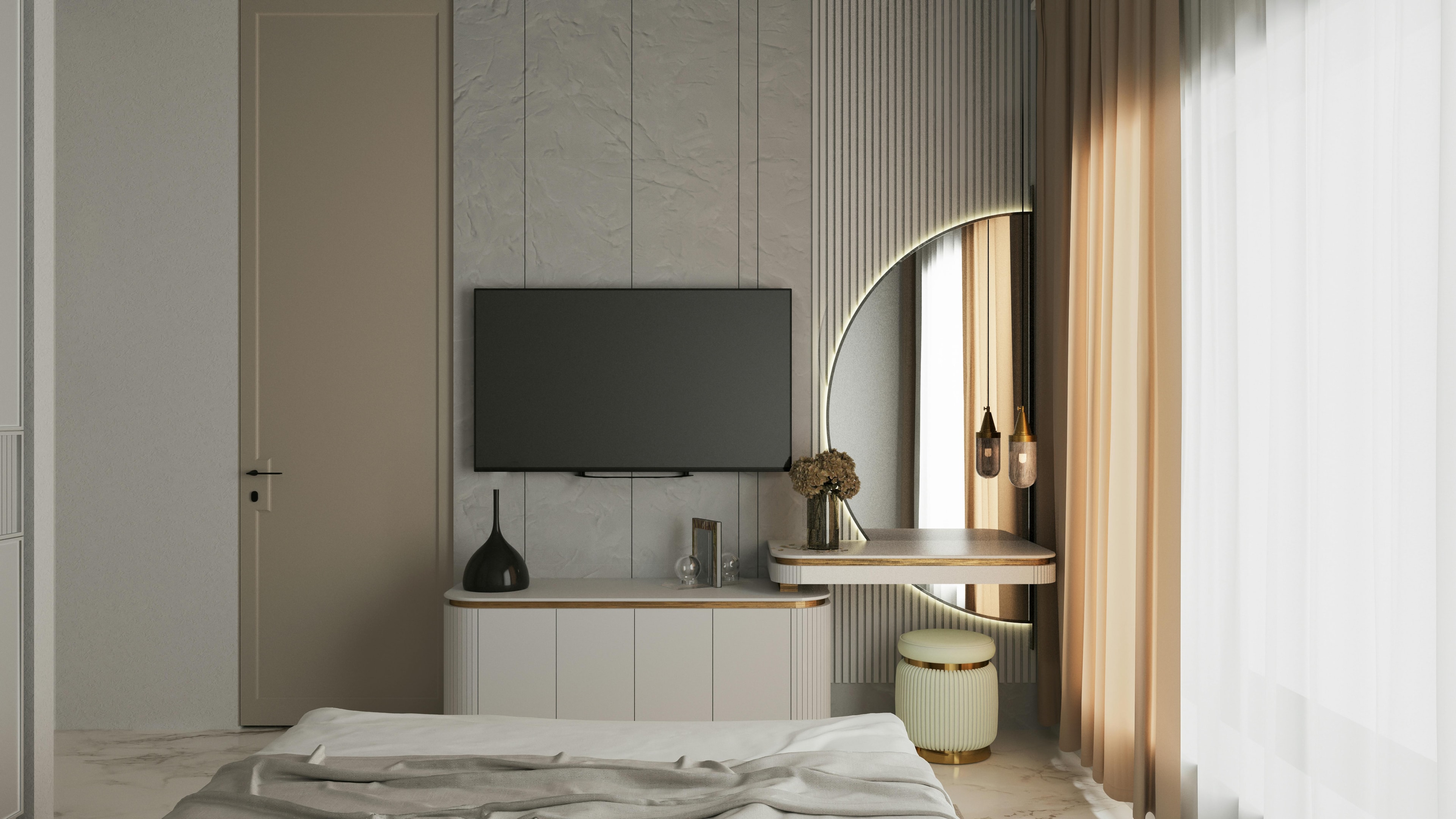
Here’s what you’ll need for every bedroom of your first apartment, which will probably be…roughly one room? Approximately?
Furniture:
- Bed frame
- Mattress
- Dresser or chest of drawers
- Bedside table
Bedding:
- Sheets (fitted and flat)
- Pillows and pillowcases
- Comforter or duvet with cover
- Mattress protector
- Extra blanket
- Ladybug Squishmallow (optional but recommend)
Storage and Organization:
- Clothes hangers
- Laundry basket or hamper
- Under-bed storage containers
- Book shelf
- Closet organizers (if needed)
Lighting:
- Bedside lamp
- Desk lamp (if you have a desk)
Window coverings:
- Curtains or blinds
- Curtain rod
Miscellaneous:
- Alarm clock or phone charger
- Full-length mirror
- Small trash can
First apartment bathroom essentials
If your “first apartment” is actually a dorm room, this list may not apply, as many have communal bathrooms.
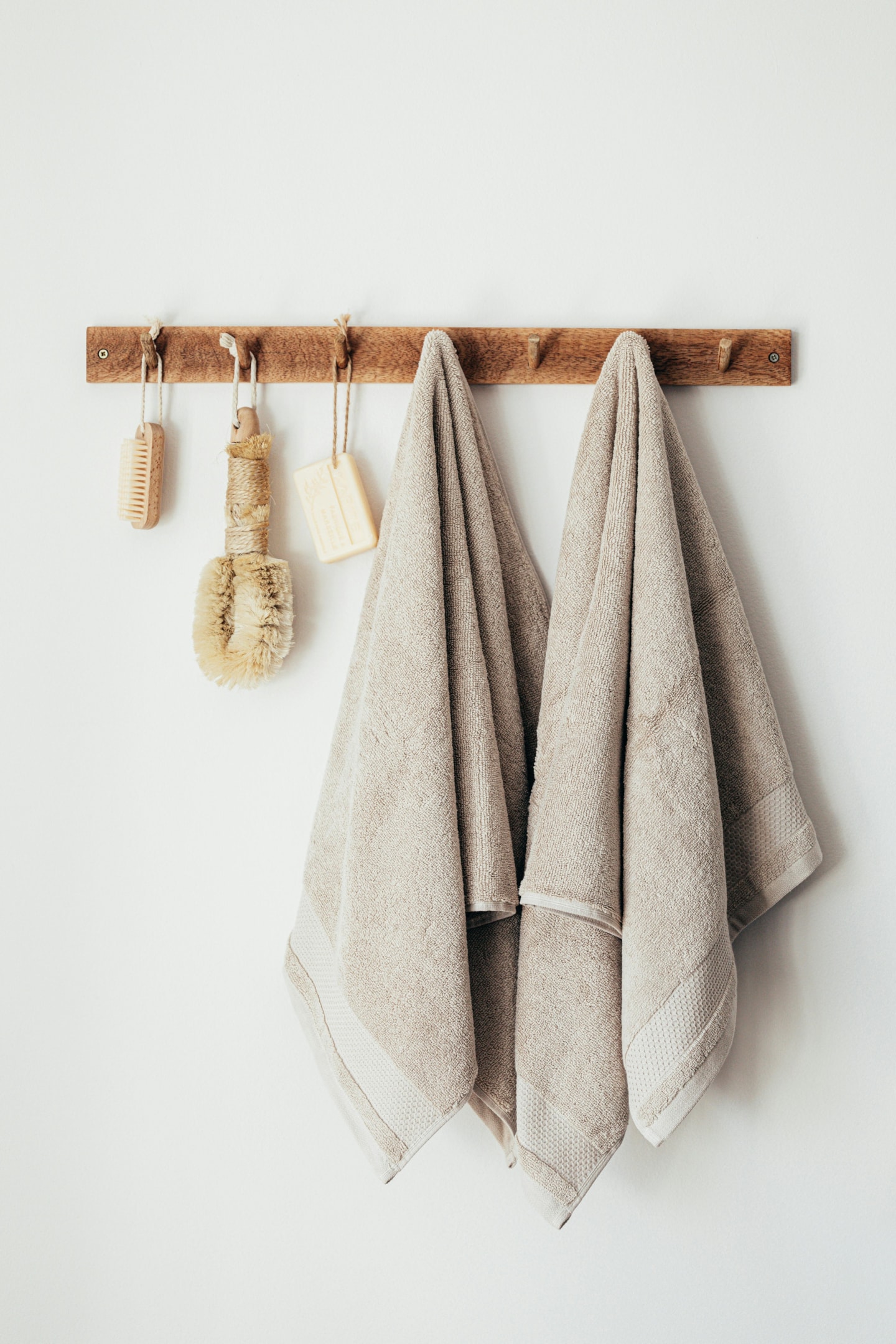
Linens:
- Bath towel (2-3 per person)
- Hand towels
- Washcloths
- Bath mat
Shower:
- Shower curtain and liner
- Shower curtain rings
- Shower caddy or organizer
Toiletries:
- Toilet paper
- Hand soap
- Toothbrush holder
- Cotton swabs and cotton balls
Cleaning Supplies:
- Toilet brush and plunger
- Bathroom cleaner
- Glass cleaner for mirror
Storage and Organization:
- Over-the-toilet storage or shelving unit
- Toiletry organizer
- Hooks for towels or robes
Miscellaneous:
- Small trash can
- Air freshener
- First aid kit
First apartment living room essentials
Does your apartment come with a living room? Slay! You might be a non-TV person who just wants a couch and coffee table, which is a great vibe, but here are some more suggestions.
Furniture:
- Couch or futon
- Coffee table
- TV stand or media console
- Bookshelf
- Side tables
Electronics:
- Television
- Surge protector/power strip
- Sound system
- Nintendo 64
Lighting:
- Floor lamp
- Table lamp
Window Coverings:
- Curtains or blinds
- Curtain rods
Decor:
- Area rug
- Decorative pillows
- Wall art or posters
- Picture frames
Storage and Organization:
- Storage ottoman or trunk
- Baskets or bins for organizing
Miscellaneous:
- Throw blanket
- Plants (real or artificial)
- Coasters
- Small trash can
Entertainment:
- Board games or card games
- Books
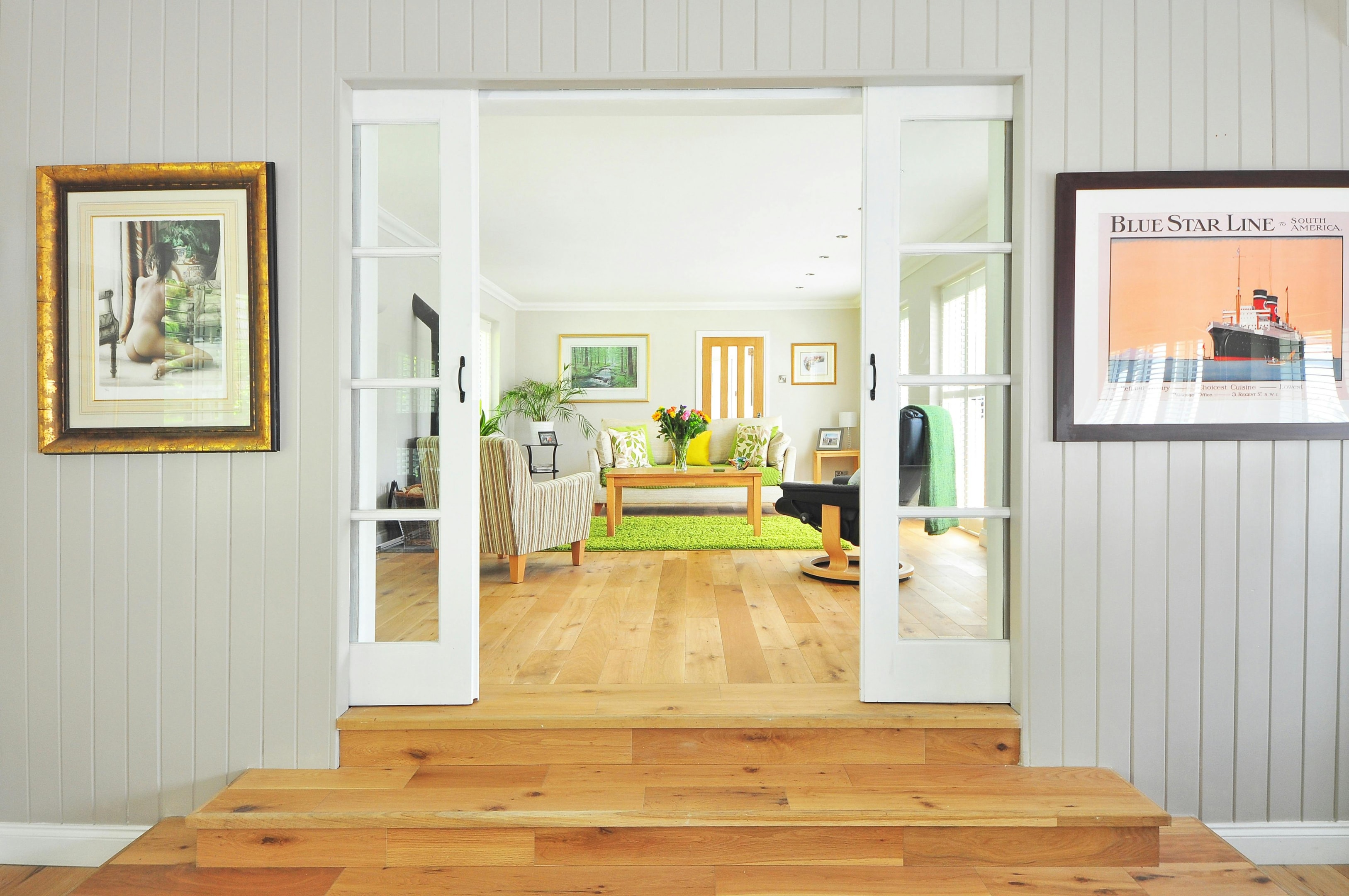
How to save money furnishing new apartment
Moving into your first apartment can be expensive, because you’re usually starting from scratch. Here are some ways to save a little money when furnishing your new space.
Secondhand
Secondhand furniture and decor is a great way to find good deals. Garage sales, thrift stores, your mom’s house, the side of the road, an unlocked door in a rich neighborhood–all ripe with possibilities.
Secondhand is good for kitchen tools and decor as well!
Shop seasonally
Knowing the right time to shop for items can save you tons. For example, buying patio furniture in the fall (when “patio season” is ending), or looking for sales on Facebook marketplace at the end of the month when leases are expiring.
Display pieces
Hardware and furniture stores often sell their floor pieces for a big discount when they’re finished. Don’t be afraid to ask an employee if/when you’d be able to buy a floor piece.
Multifunctional furniture
Grabbing a piece that functions for multiple uses can save money and space. A pool table with a cover to function as a dining room table, furniture with storage, a sleeper sofa, etc.
Upcycle and DIY
Try to repurpose pieces you already have by moving them to a different room, giving it some fresh paint, sawing the legs off a tall table (shoutout to my old roommate who didn’t believe in chairs), or even building something from scratch with recycled or affordable materials.
New Apartment Tips

Before Moving In
Read your lease carefully. Understand all terms, conditions, and rules before signing. Be sure to keep a copy of it for reference.
Schedule utilities. Set up electricity, water, gas, internet, etc., before your move-in date. You should also look into renter’s insurance, even if the building owner doesn’t require it. It’s cheaper than you’d expect.
Measure your space. Get accurate measurements of rooms and doorways to ensure your furniture will fit.
Create a moving checklist. List all tasks and items to keep your move organized, or just download the free checklist at the end of this post!
Declutter: Sell, donate, or discard items you don’t need before packing. Moving is a great excuse to do a purge.
Moving Day
Document existing damage. Take photos of any pre-existing damage to avoid issues with your security deposit later. This includes scuffs, broken switches, dents, chips in the floor, mold–everything you see. Better safe than sorry, so don’t be afraid to over-document.
Change locks. If allowed, change the locks for security (always check with your landlord first). They may change them for you.
Clean before unpacking. It’s easier to deep clean an empty apartment, so go ahead and give it a scrub before you start loading in your boxes.
Locate important features. Find the circuit breaker, water shut-off valve, and thermostat. Ensure you understand how they function.
Unpack essentials first. Start with necessities like toiletries, bedding, and basic kitchen items. As you pack, it’s helpful to label the box with which room it goes in, especially if you have help moving, so everyone knows what goes where and you don’t have to spend a ton of time shuffling boxes around.
Setting Up Your Space
Optimize storage. Use vertical space with shelving units, wall hooks, and over-door organizers to save space.
Create zones. Designate areas for specific activities (work, relaxation, dining) to maximize space and organize more intentionally for functionality.
Invest in multi-functional furniture. Choose pieces that offer storage or serve multiple purposes.
Use area rugs. Define spaces and add warmth and texture with rugs, especially if you have hard flooring.
Add personal touches. Hang artwork, display photos, or add plants to make the space feel like home.
Practical Tips
Meet your neighbors. Introduce yourself to build a sense of community and have a support system in your new place.
Locate emergency services. Find the nearest hospital, police station, and fire department.
Create an emergency kit. Include first aid supplies, flashlights, and important documents. If you’re in an evacuation zone (in a hurricane area, for example), you might prepare a two-day evacuation kit in a backpack or duffel with what you’d need in an emergency evacuation (e.g., clothes, security light/flare, MREs, mini toiletries).
When I lived in a hurricane zone with frequent evacuations, I kept one in my car trunk and one in my house, but that might be overkill for most people.
Test smoke detectors. Ensure all smoke and carbon monoxide detectors are working properly.
Learn about parking. Understand parking rules and get necessary permits.
Money-Saving Tips
Use energy-efficient light bulbs. LED bulbs can significantly reduce electricity costs. You could also consider smart outlets with timer shut-offs for things like kitchen appliances.
Install window treatments. Curtains or blinds can help with temperature control.
Make a budget. Factor in all new expenses associated with your apartment.
Cook at home. Set up your kitchen early to avoid excessive spending on takeout.
Building Good Landlord Relations
Communicate clearly. Report any issues promptly and in writing. If an interaction happens face-to-face or over the phone, send a follow-up email summarizing the conversations to have a paper trail if you need it later.
Keep these emails organized in a separate “If I Have Landlord Beef” folder for easy access. 🙂
Pay rent on time. Set up automatic payments for rent and utilities if possible.
Follow apartment rules. Adhere to guidelines about noise, guests, and common areas.
Maintain cleanliness. Keep your apartment in good condition to avoid issues at move-out, and don’t be surprised if they try to accuse you of damaging something to withhold some or all of your security deposit. This is why taking photos of existing damage ahead of time is important.
Know your rights. Every place is different, so look up your region’s rental codes and laws to know your rights and avoid being taken advantage of (or accidentally causing trouble).
Studio Apartment Checklist
For my tiny apartment pals, here’s YOUR first apartment checklist.
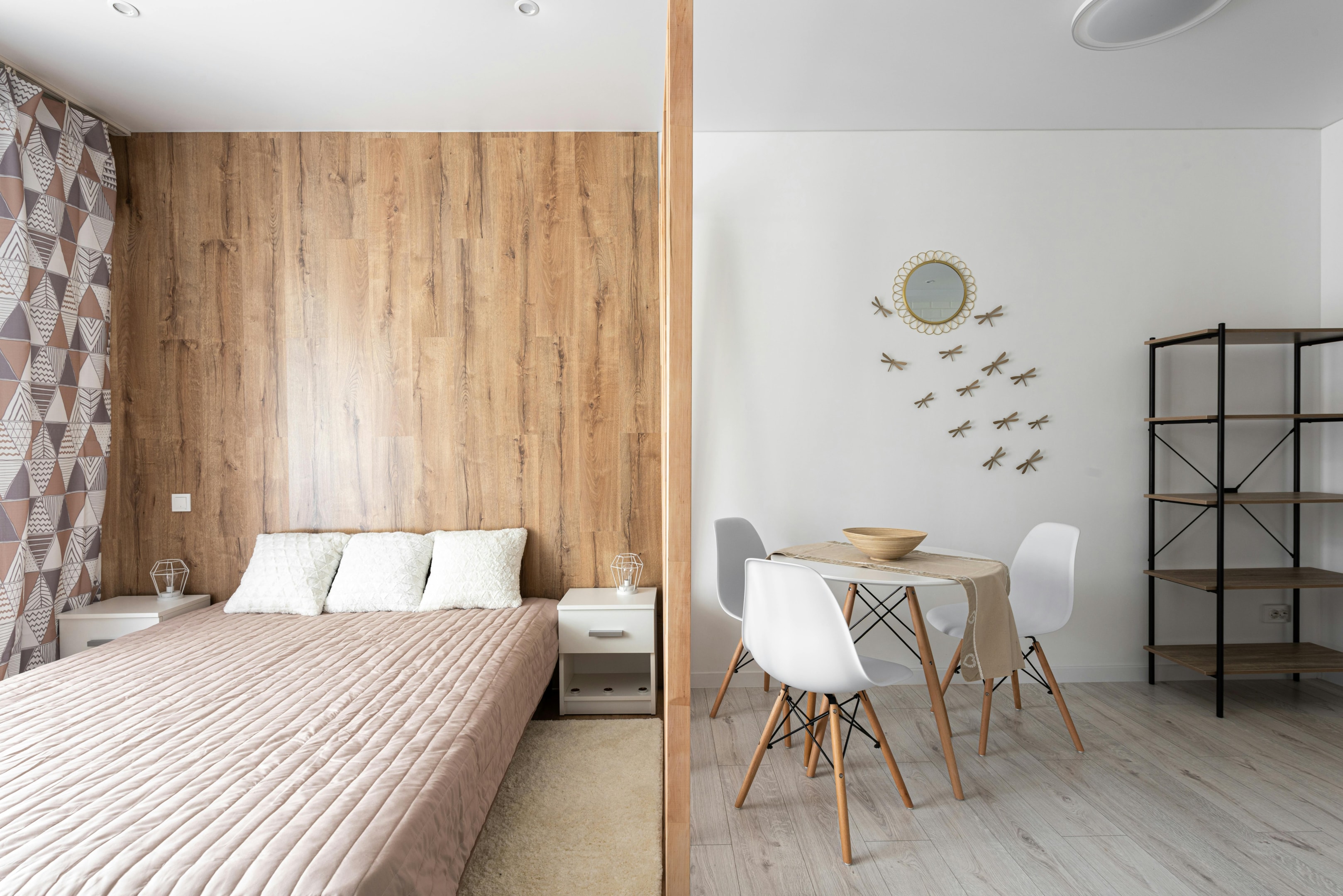
Multi-functional Living/Sleeping Area
In a studio, your apartment essentials might need to be a bit more multi-purposed. Your bedroom essentials and living room essentials are holding hands.
Furniture:
- Sofa bed or murphy bed
- Small dining table with 2-4 chairs (or folding chairs for space-saving)
- Coffee table with storage
- TV stand with drawers or shelves
- Bookshelf or floating shelves
- Room divider or folding screen (for privacy)
Bedding:
- Mattress (if not using a sofa bed)
- Sheets, pillows, and comforter
- Mattress topper (for sofa bed comfort)
Storage:
- Under-bed storage containers
- Closet organizers
- Multi-purpose ottoman with storage
- Wall-mounted coat rack and shoe rack
Electronics:
- TV or computer monitor
- Laptop
- Multi-functional printer (if needed)
- Surge protector/power strip
- Extension cords
Lighting:
- Floor lamp
- Table lamp
- String lights (for ambiance)

Kitchen Area
You might have a small kitchenette–I LOVED my one-bedroom apartment with its kitchenette. I could reach everything from the stove!
But small kitchens can be tricky to navigate if you’ve never used one before, so acquire appliances and tools mindfully–it fills up fast.
Appliances:
- Microwave
- Mini-fridge (if not provided)
- Coffee maker
- Electric kettle
- Toaster oven or hot plate (check lease agreement)
Cookware and Utensils:
- One medium pot and one pan
- Baking sheet
- Cutting board
- Basic utensil set (spatula, wooden spoon, tongs)
- Knife set (chef’s knife, paring knife, maybe a serrated knife if you like to bake bread)
- Can opener and bottle opener
Dishware:
- 2-4 place settings (plates, bowls, mugs, glasses)
- Cutlery set
Storage and Organization:
- Over-the-sink dish drying rack
- Stackable food storage containers
- Magnetic knife strip or utensil holder
- Wall-mounted spice rack (or the ones that hang on the side of the fridge)
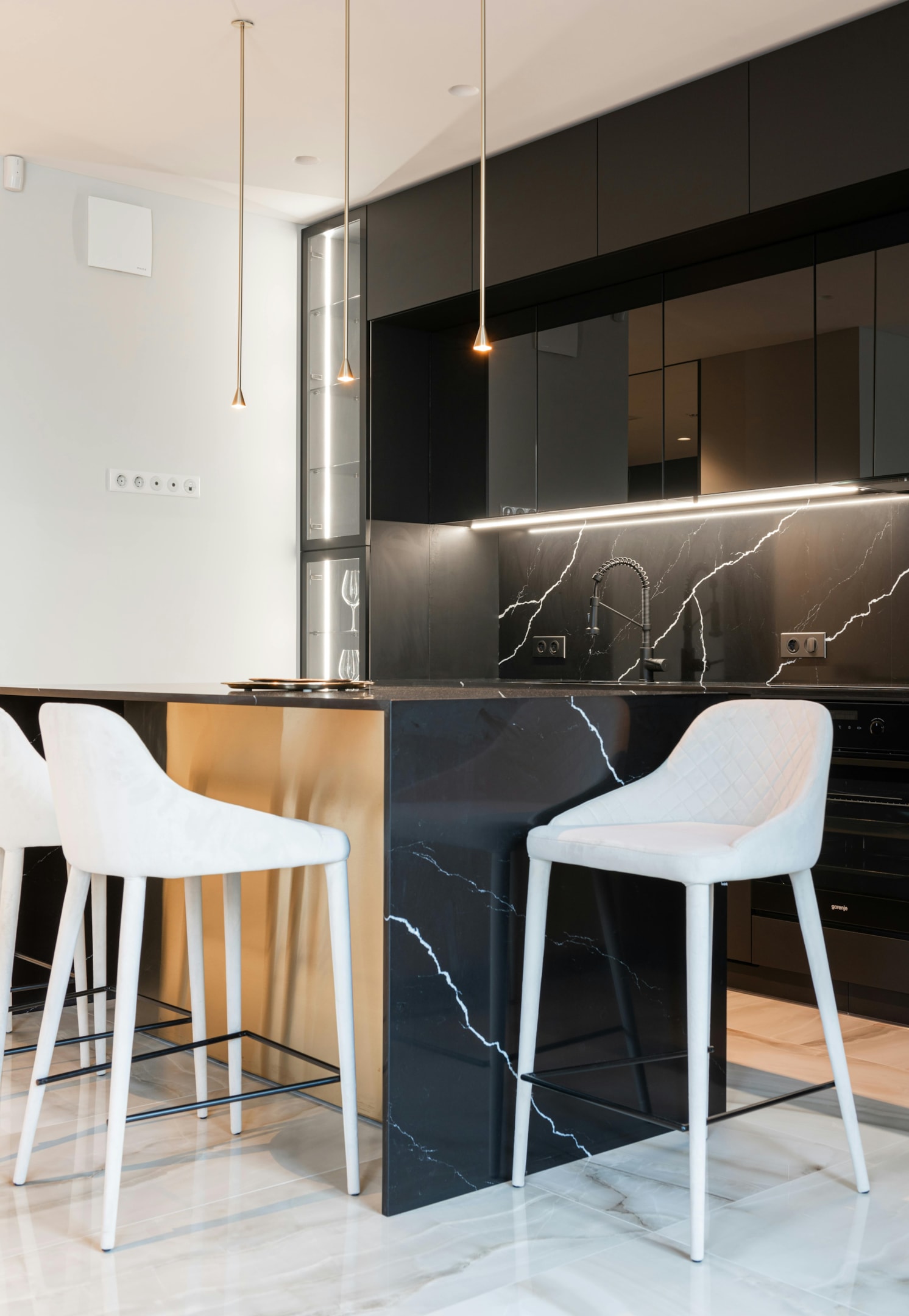
Bathroom
Essentials:
- Shower curtain and rings
- Bath mat
- Two sets of towels (2 bath towels, 2 hand towels, 2 washcloths)
- Over-the-toilet storage or small shelving unit
- Toilet brush and plunger
Basic toiletries:
- Hand soap
- Toothbrush holder
- Shower caddy
Cleaning Supplies
Basic cleaning kit:
- All-purpose cleaner
- Glass cleaner
- Dish soap
- Sponges and brush for washing dishes
- Microfiber cloths
- Broom and dustpan
- Compact vacuum or stick vacuum
- Mop
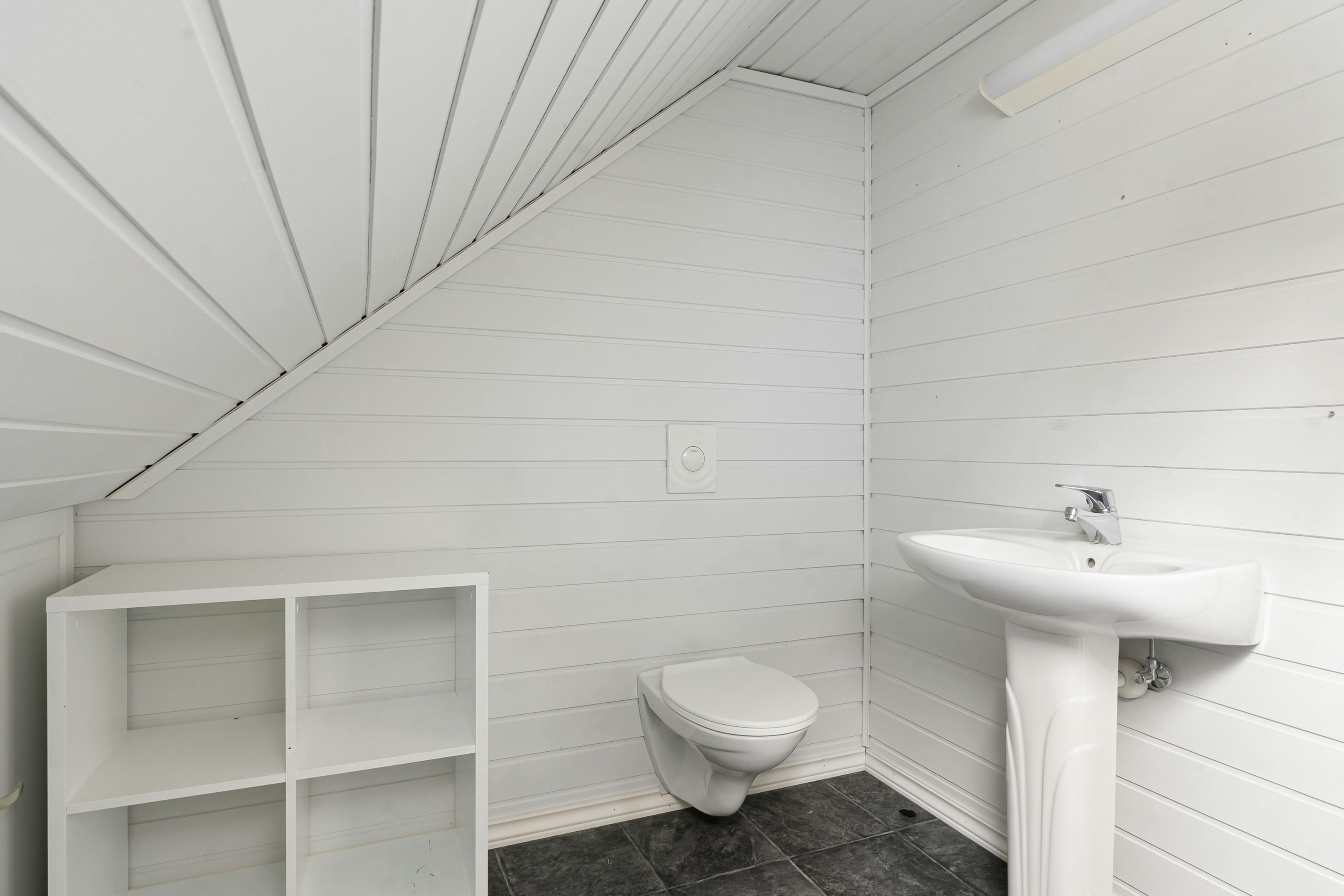
Miscellaneous
General items:
- Trash cans (one for main area, one for bathroom)
- Full-length mirror (can be door-mounted to save space)
- Compact laundry hamper
- Basic tool kit
- First aid kit
- Small fire extinguisher
Decor (minimal):
- Area rug
- Throw pillows
- Wall art or posters
- Plants (real or artificial)

Remember to measure your space carefully before purchasing furniture, and look for items that serve multiple purposes or can be easily stored when not in use. Prioritize essentials first, then add comfort and decor items as your budget and space allows.
Apartment Minimalism
Here’s how to live a minimalist lifestyle in an apartment.
Core Principles of Minimalism
- Less is more: Focus on quality over quantity. After providing all the essentials for yourself, be sure that anything you add after that truly brings you joy and utility.
- Functionality: Every item should serve a purpose.
- Simplicity: Opt for clean lines and uncluttered spaces.
Storage Solutions
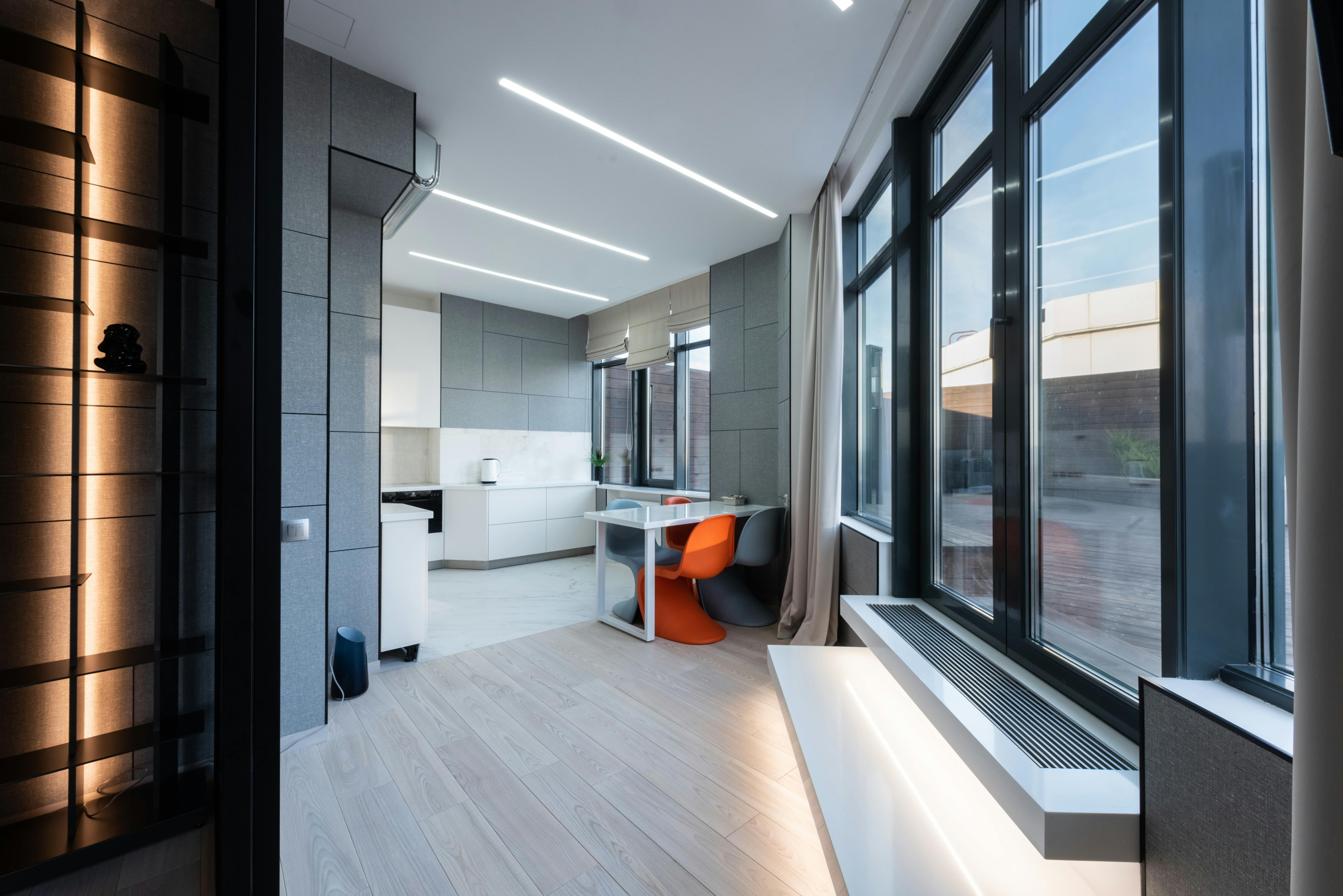
- Hidden storage: Use furniture with built-in storage.
- Vertical storage: Utilize wall space with floating shelves.
- Minimal open shelving: Display only essential or beautiful items. Everything else should be stored out of sight to maintain the minimalist look.
- Drawer organizers: Keep drawers tidy and maximize space.
- Under-bed storage: Use this space for out-of-season items.
Minimalist Living Room
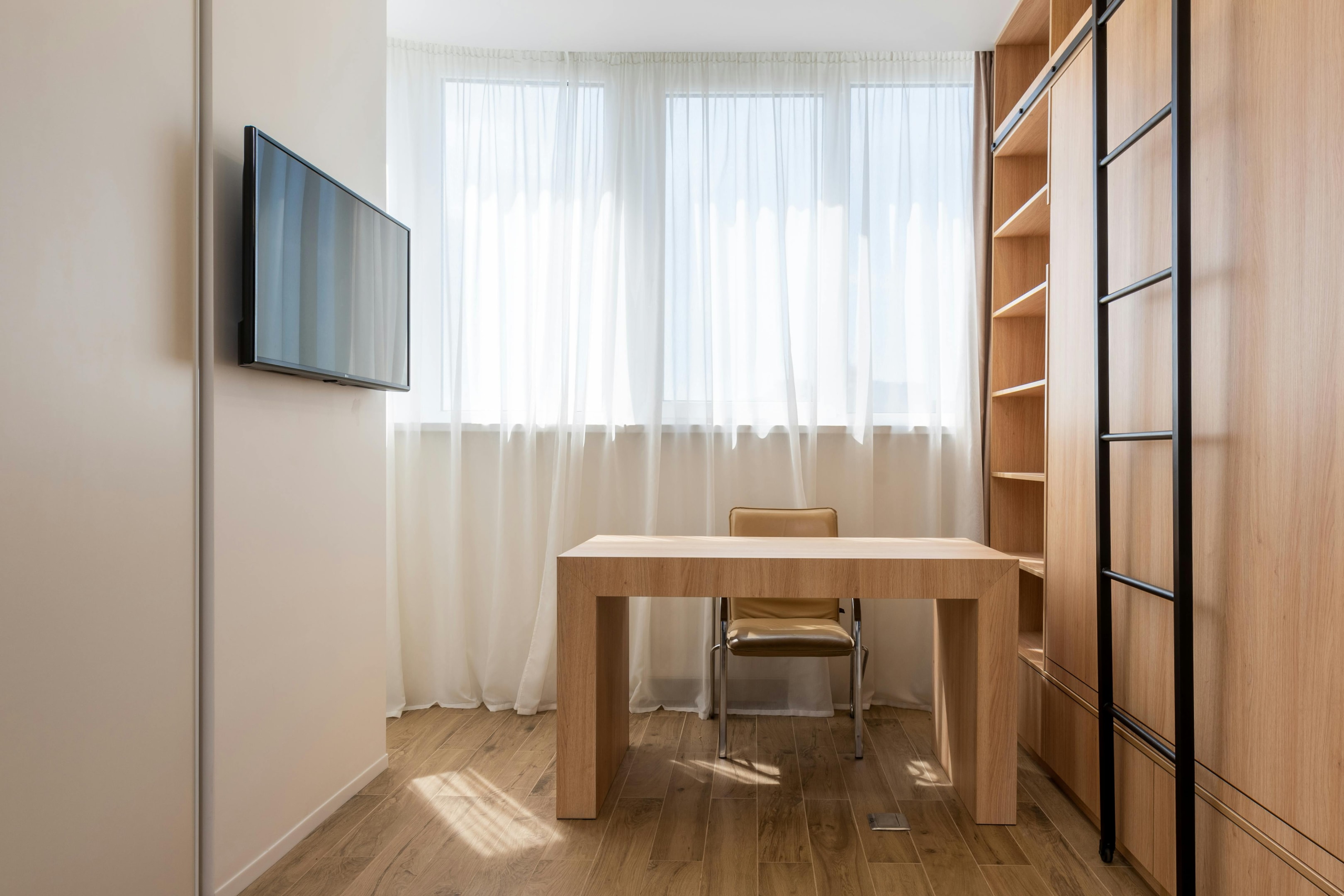
- Seating: Choose a simple, comfortable couch or loveseat.
- Coffee table: Opt for a sleek design with storage.
- Entertainment center: Use a wall-mounted TV to save floor space.
- Lighting: Incorporate floor or table lamps with clean lines.
Minimalist Bedroom
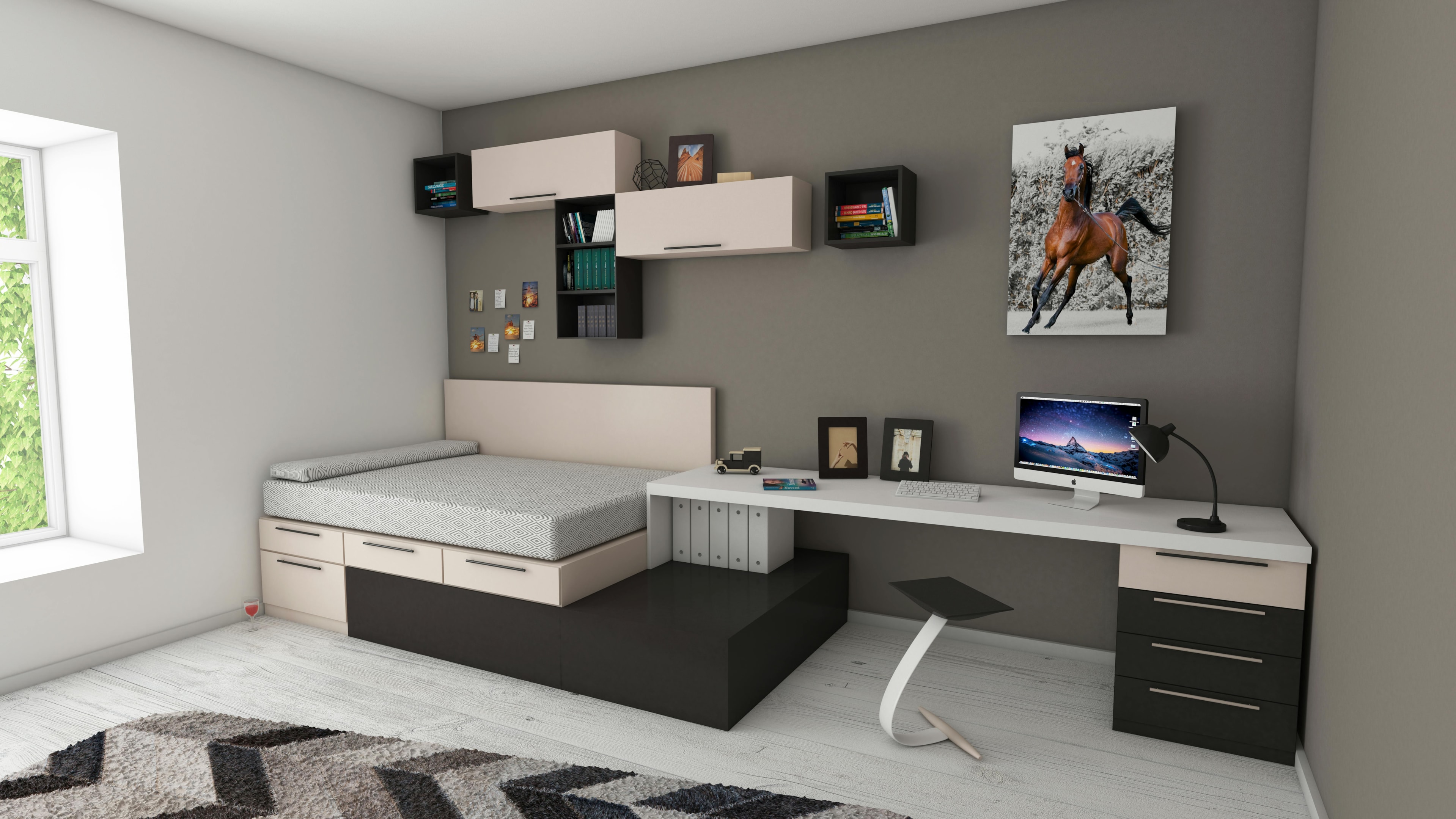
- Bed frame: Select a simple platform bed.
- Bedding: Choose solid colors or subtle patterns.
- Nightstand: Use a small, functional bedside table.
- Closet: Implement a capsule wardrobe to minimize clothing storage.
Minimalist Kitchen
- Countertops: Keep them clear of appliances and clutter.
- Dishes: Have only the number of place settings you regularly use. Clean dishes as you use them.
- Appliances: Keep only multi-functional or frequently used items.
- Pantry: Use clear containers for a uniform, organized look that is easy to navigate.
Minimalist Bathroom
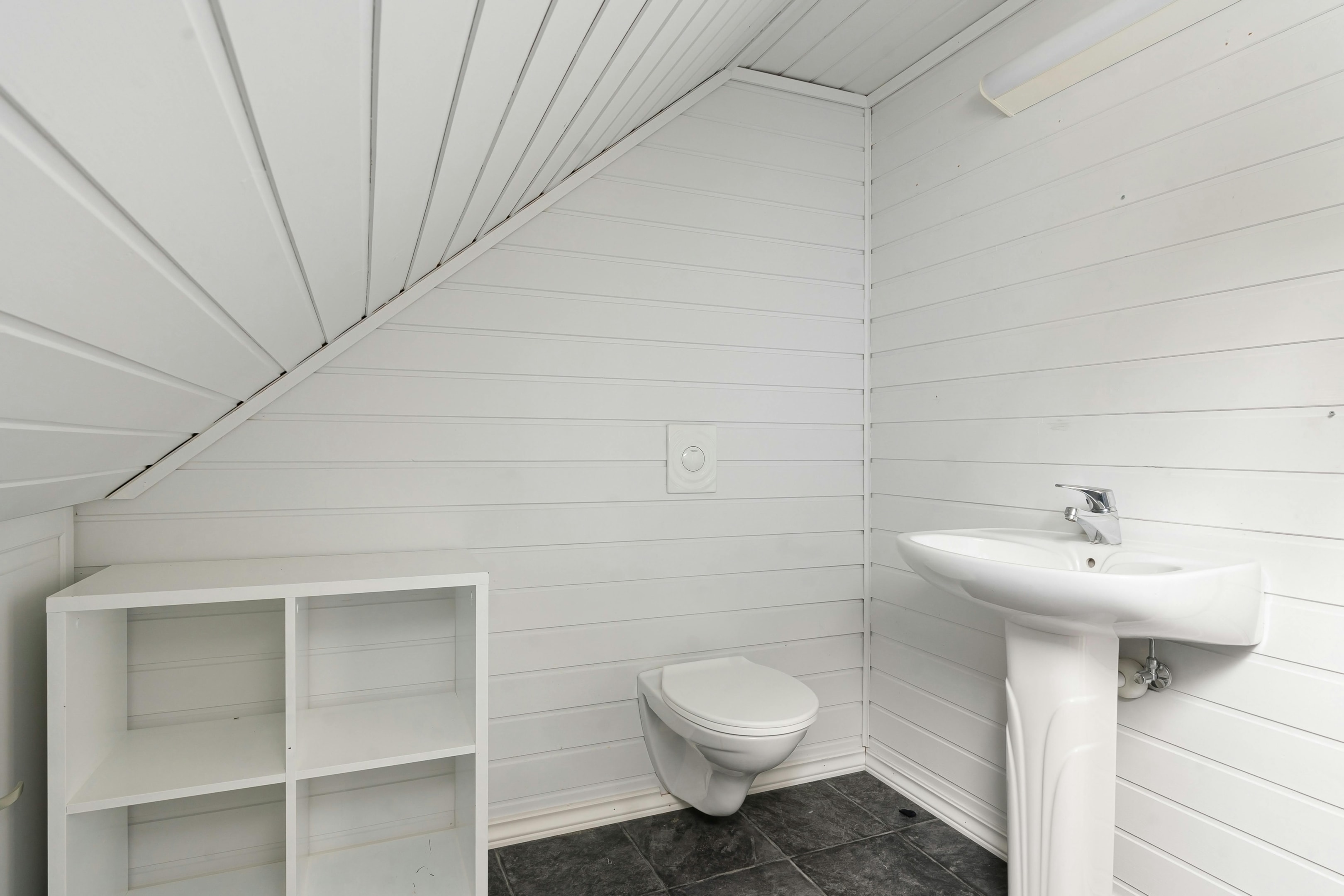
- Toiletries: Keep only essential items, decant into matching containers.
- Towels: Stick to a set of high-quality towels in a single color scheme.
- Shower: Use a sleek caddy or built-in storage for necessities. (Bonus tip: Remove labels for a clean look.)
- Decor: Incorporate a single plant or piece of art for interest. You might use artwork as cabinet covers for discreet storage.
Apartment checklist PDF
Grab this checklist for your Target trip! Or your Raiding-Parent’s-House trip.
Apartment checklist PDF download:
Congratulations on your new home! This list of first apartment essentials will guide you through the beginning of your adventure.