

How many aura points did you just lose when you opened your kitchen cabinet and everything spilled out on top of you?
Does your “quick cleanup” before guests arrive means shoving everything you own into that hallway closet you close your eyes to enter?
How much time do you spend looking for your lost keys? Wallet? Purse? Phone? Tamagotchi? (I already know–on average, people spend one year of their lives looking for lost items.)
Here’s the truth: You’re not lazy or disorganized. You’re just living in a world designed to fill our spaces with stuff we’re convinced we need, while juggling a schedule that barely leaves time to breathe, let alone organize.
My own decluttering journey started when I tripped FOUR TIMES walking through my living room. We all get a wake-up call sometime. Maybe that’s why you’re here. Everyone say, “Thank you, wake-up call.”
Decluttering is about creating a space that works for you, not against you. Minimalism isn’t about deprivation, it’s about living intentionally and making life easier.
This guide isn’t about shaming you into a perfect home. It’s about finding your keys in under 10 seconds. It’s about opening any cabinet without fear. It’s about transforming your space from a source of stress into a sanctuary of calm. And yes, it’s even about finally matching all those food containers with their lids.
Whether you’re drowning in paperwork, buried under toys, or just tired of spending your weekends searching for things you know you own (somewhere), this room-by-room guide will help you reclaim your space, your time, and your sanity. No judgment, no impossible standards–just practical, proven strategies that actually work in real homes with real people.
Ready to transform chaos into calm? Let’s dive in on how to declutter your home.
Is it worth the time to declutter?
In short, yes! Here’s why.
The mental and physical benefits of decluttering are well documented. A clutter free home can improve symptoms of depression and anxiety, promote calmness and focus, and increase happiness and contentment.
Less clutter also helps you to streamline your day, make fewer decisions, and end up having more energy.
Where does all the clutter come from?
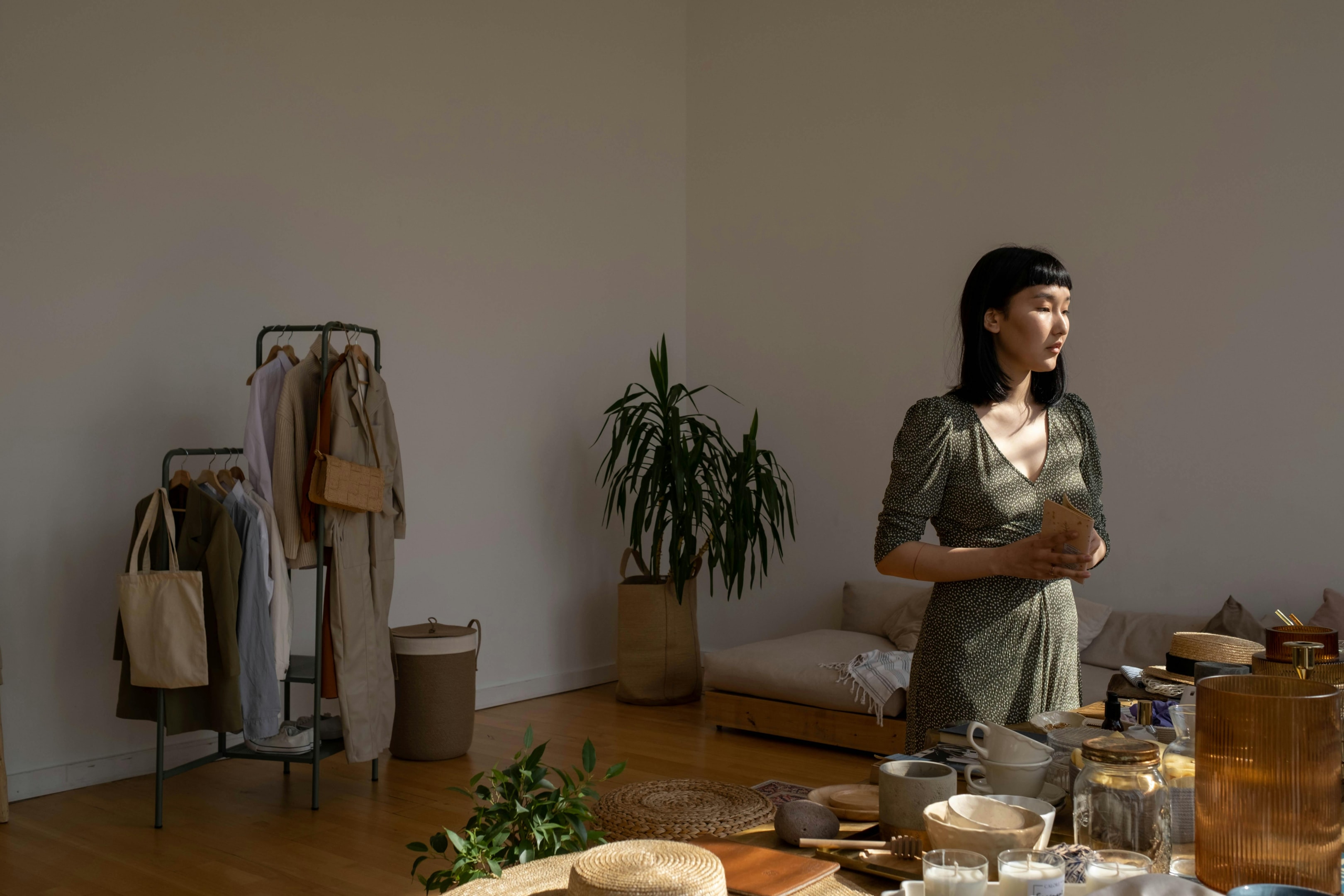
Clutter occurs for many reasons. The biggest reason is that it happens slowly. We don’t one day decide to fill every inch of our house with stuff we don’t even like. It happens one piece at a time–a Christmas gift you hate but feel obligated to keep, your kids’ school papers you feel bad throwing out, your piles of just-in-case items that all feel important when you consider throwing one out.
Household clutter can have a lot to do with mental health. And while chronic hoarding is included in this, I’m speaking much more broadly. There are various mental and emotional issues that leads someone to have hoarder-like behavior. It’s incredibly common.
Further, we live in a consumerist society. Trends come faster than we can comprehend them, digital marketing has reached such efficiency that it feels illegal, and most of the media we create and consume in the US is in some way centered around money and belongings.
We’re basically brainwashed into it.
Who should declutter?
Pretty much anyone! Here are a few specific scenarios that might trigger a mass declutter.
Moving
Moving house is a great time to declutter, since you’re already going through everything you own. Plus, some moves involve downsizing, so you don’t have much choice.
After Loss
After a loss, you may be left with a house full of your loved one’s belongings. This is the toughest declutter, but is usually necessary.
Combining Households
If someone is moving into a house where others already live, it’s necessary for both parties to reduce their belongings to fit everyone in comfortably.
New Baby
Adding someone to the household–even a tiny one–can also require downsizing to make room.
Empty Nest
When the kids move out, they usually leave a LOT of stuff. You might feel inclined to hang on to all of it, but someday you might be ready to purge their old things and make room for this new phase of life.
Health Changes
A change in mobility or ability can make decluttering necessary. Less stuff around aids in moving around, makes your house easier to clean, plus you might need significantly less of those items. It can be a bummer to look at a hobby or activity that you used to enjoy that you can no longer participate in–it’s usually best to pass those on.
The warm-up.
If you’re ready to do a whole house sweep and you don’t have any mental or physical issues holding you back, you probably want to get it done as quickly as possible. Decluttering is often a long process, and it’s important to conserve your energy. So take a moment to get yourself situated before you dig in.
Gather supplies.
What will you need for a declutter? Here are my suggestions:
- 3 boxes–one for trash, one for donations, one for action.
- You’ll notice there’s no “keep” box. That’s because I recommend setting aside the items you’d like to keep. After you’ve done all your sorting, you can sort through the keep pile again, distributing items to one of the boxes, or organizing it in its place.
- Use a trash bag if you prefer! That can help you quickly identify what is heading where.
- A label maker, if you’re that type of girlie (gender neutral).
- Baskets and storage boxes. If you have some empty ones on hand, go ahead and collect them. Don’t buy new storage containers until AFTER the declutter. You might not need them, and you probably have something around your house already that would suit just fine.
- Tasty beverage of choice.
- A banging playlist.
Set realistic timeframes.
Don’t expect to get through this whole shebang in a day–or a week, or possibly even a month. Everyone is starting from a different spot, so be realistic with what you expect from yourself.
Decluttering can be EXHAUSTING, especially if you have trouble letting things go, struggle with hoarding, or if you’re dealing with sentimental items. So prepare to cut yourself some slack.
I recommend you don’t declutter for more than three hours a day. You should also quit before you’re wiped out, so you have some energy left to reset the room, take out the trash, haul the donations, etc.
Create a schedule.
A schedule can help keep you on track and stop you from overdoing it. An easy solution is to reference the room-by-room decluttering list in this article, tackling ONE section per day. Not the whole room–a single section/category.
Common roadblocks and solutions.
Expect to hit some speed bumps and other transportation metaphors in this process. It can be tough, so learn to roll with the punches.
If you find yourself emotionally or physically exhausted, tap out early. Skip the next day or couple of days to recover. It’s a marathon, stop sprinting.
If you get hung up on sentimental items, set them aside for now, and deal with those last.
If you’re too worried to get rid of something because you think you might need it, box it up, label it with today’s date, and if you don’t retrieve it in the next six months (or your allotted time of choice), you can feel better about letting it go.
If you live with others, you might be met with resistance to decluttering. Try not to force anyone into it, but start decluttering your own items and see if they jump on board. Fingers crossed.
How to use this guide.
Don’t declutter for more than three hours a day. Take it slowly. I have put the tasks in an intentional order that should make it easy and logical, but if you want to skip around to whatever decluttering task sounds fun right now, I’m not a snitch.
It’s reasonable to work on one section for a day or two. If you’re so so speedy and have lots of your three hours left, feel free to start the next challenge.
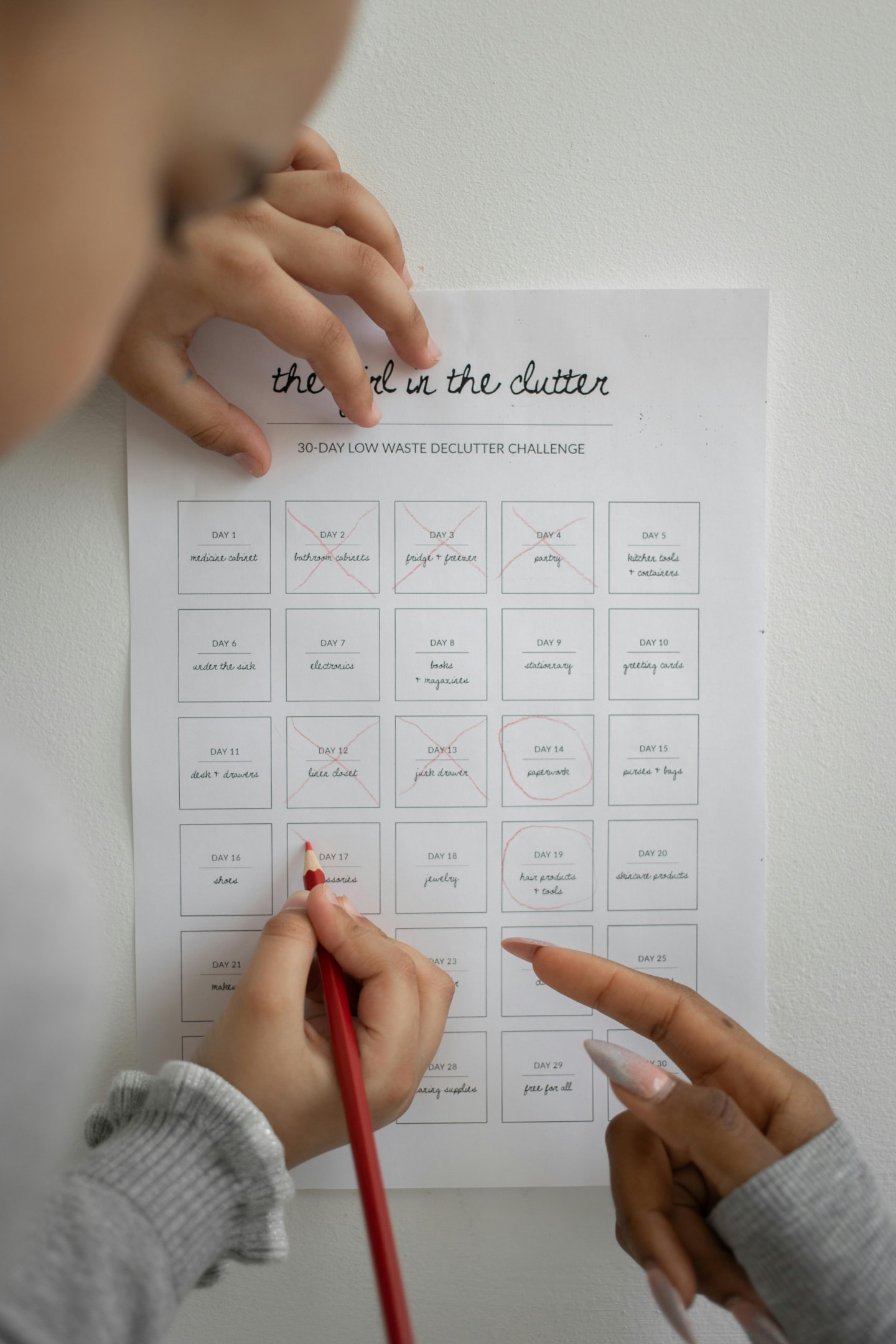
Download this checklist to keep you on track (and to make little checks on. everyone loves little checks).
Core decluttering principles and rules.
Here are some terms you might want to familiarize yourself with and learn to apply.
The 90/90 rule
If you haven’t used it in 90 days and don’t see yourself using it in the next 90, consider letting it go.
The 20/20 rule
If you’re on the fence with a what-if-I-need-it item, ask yourself if you can replace it for under $20 within 20 minutes (like an Amazon order). If so, feel comfy dumping it. You will probably never need it.
One-In-One-Out
The OIOO rule is simple: Anytime you bring in a new item, another must leave. I like to suggest the One-In-Two-Out rule, which is what it sounds like. This is a good way to passively declutter a little at a time instead of tackling things head on.
Categories vs Locations
Sorting and decluttering by location can be a little dicey, as you might decide to keep one tool without realizing you have four others spread throughout the house.
So decluttering experts, like Marie Kondo, suggest you declutter by category. This means you’d gather ALL you have of one category and bring it into the same spot to evaluate it all at once.
Digital photos of sentimental items
Taking photos of sentimental items before you let them go can soothe that ache.
Questions to ask while sorting
- Have I used this in the last few months?
- Do I like it?
- Does it justify the amount of space it takes up?
- Would I buy this item again?
One Room At a Time: Your Room-by-Room Guide
Let’s take this all one step at a time.
Decluttering the kitchen
I recommend you start with the kitchen, because it tends to be the central heart of the home. Getting it under control makes it easier to spread your efforts afterward. It’s also usually the most impactful place to do, so it can give you momentum.
Appliance audit
We’re starting with appliances because they’re often bulky items that are hard to work around. Make an assessment of what you have and what you actually use. Appliances with only one purpose should be particularly scrutinized. Examples are a panini press, waffle iron, electric kettle.
Sometimes it makes sense for your lifestyle to have a single-use appliance–I have an electric kettle because I boil water every single day, and I’d rather use it than have to watch a pot.
But in most cases, sing-uses can go. Be honest about what you need and get rid of the rest.
Counter tops
Hopefully your appliance clear out gave you a head start on decluttering the counters.
Ideally, your kitchen counters stay cleared. When possible, avoid using them as storage space. If you still have appliances on it, try stowing them in a convenient cabinet or drawer.
Action basket
To help you keep counters clear, you might try assigning a box or basket as the place you toss things to put away later. Sometimes we’re too burnt out to bring something to the room it belongs to, so instead of putting it somewhere random, you can leave it in the action basket to deal with later.
It’s a practical and tidy little loophole.
Kitchen cabinets
Time for the cabinets! Take everything out and lay it on your clear, clear counters. Seeing it all at once will help you make a more accurate assessment of what you should keep.
Wipe off the shelves and tighten any loose screws while the cabinets are empty, then back to the clutter pile.
Go one category at a time–plates and bowls, mugs and glasses, storage containers, etc.
Pick out only the ones you use regularly, and put those back into the cabinet.
Here’s an in-depth guide to decluttering and organizing kitchen cabinets.
Junk drawer
The best way to deal with a junk drawer is to pull it out and dump it all in the trash can.
If this is terrifying to you, fair enough–option two is to box it all up, label it with today’s date, and put it away somewhere for a few months. If you don’t need anything from it, throw the box away.
Kitchen drawers
You’ve already tackled the kitchen cabinets and the junk drawer, so this is old news to you!
Start by emptying all of your kitchen drawers onto the counter. Wipe them out, grease wheels, tighten screws.
Then go category by category, choosing the tools you actually use regularly. Replace them in the drawers and get rid of the rest.
Here’s an in-depth guide to decluttering and organizing kitchen drawers.
Pots and pans and serving dishes
Most of us have around a dozen pots and pans, at least. And how many do we use? TWO! ALWAYS! It’s always two!
Keep the ones you use regularly and toss the rest.
For serving dishes, you probably don’t need any of them–ask yourself if you’ve used each in the last year. If no, ditch.
Linens
Sort your cleaning rags, hand towels, pot holders, aprons, oven mitts, etc., keeping only what you use and love. Donate the remainder.
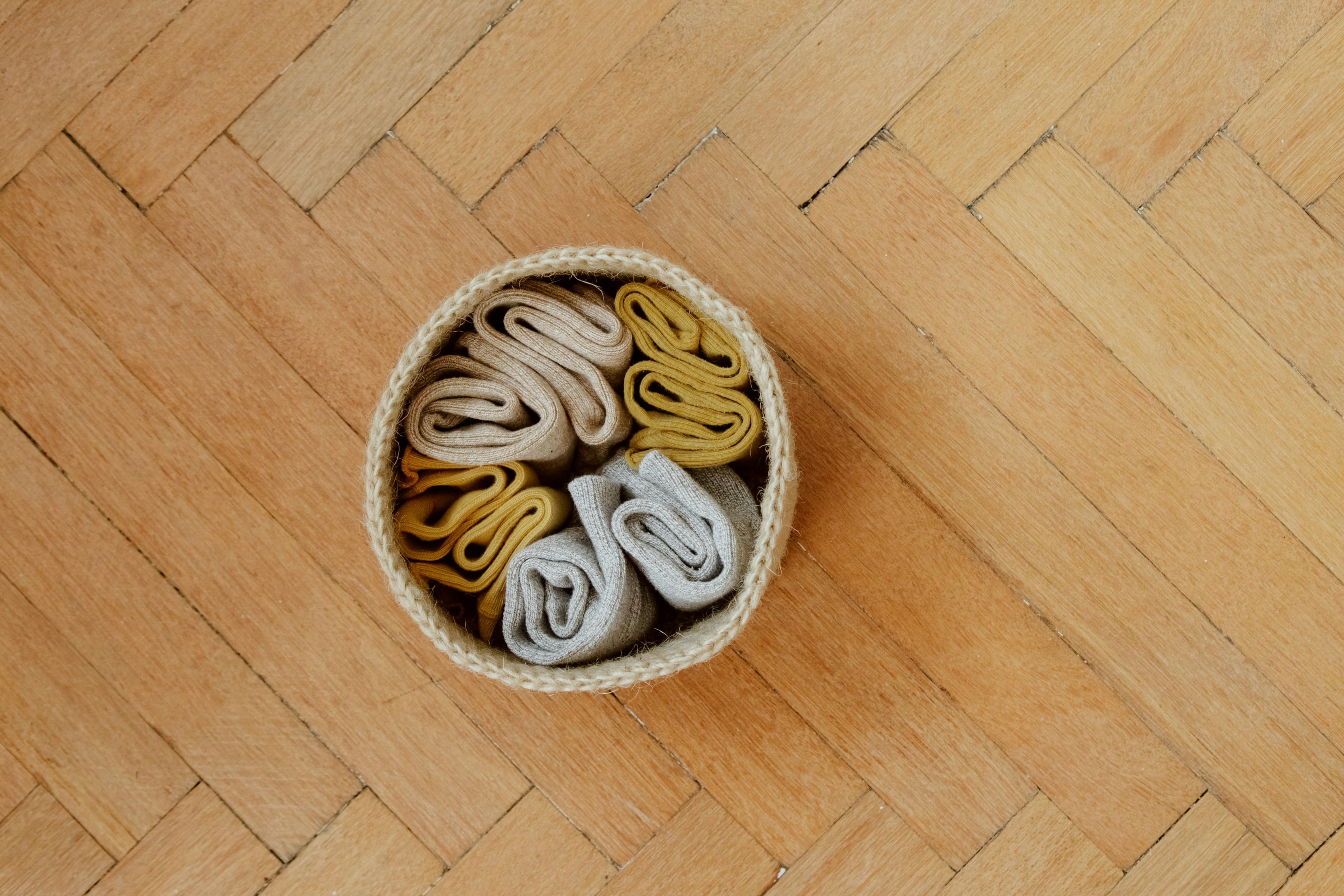
Seasonings and spices
Now let’s address the seasonings. Most of us end up collecting random spices we only used once for a particular recipe, or they were gifted to us, or maybe we bought them aspirationally when we had a vivid dream that we were Emeril Lagasse–
Stopped being relatable? Okay.
Anyway, be honest with yourself and keep only what you use! The rest is probably expired and stale anyway.
CHICKEN TIP: If you have chickens, they can eat most herbs. Peck peck yum yum.
Pantry
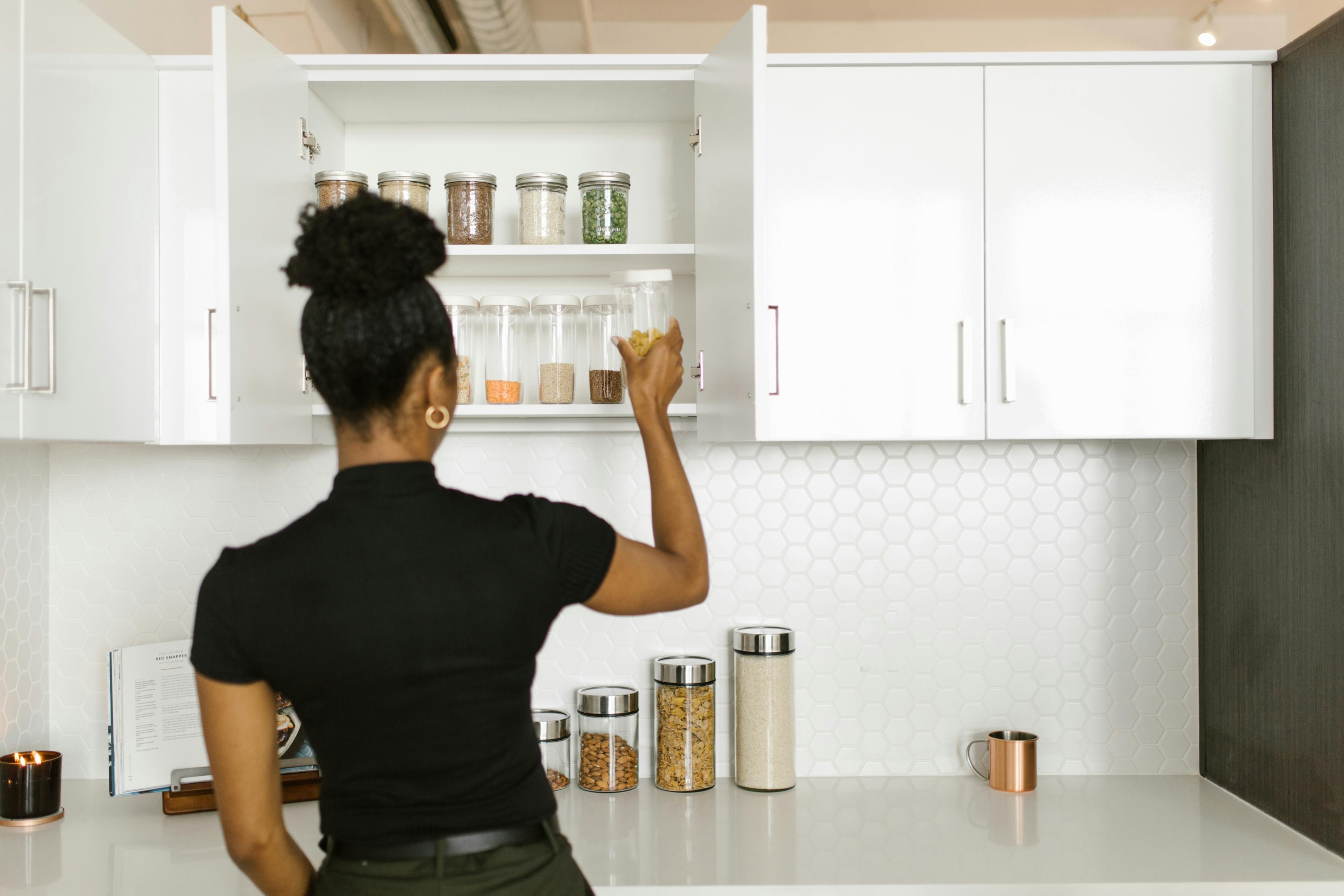
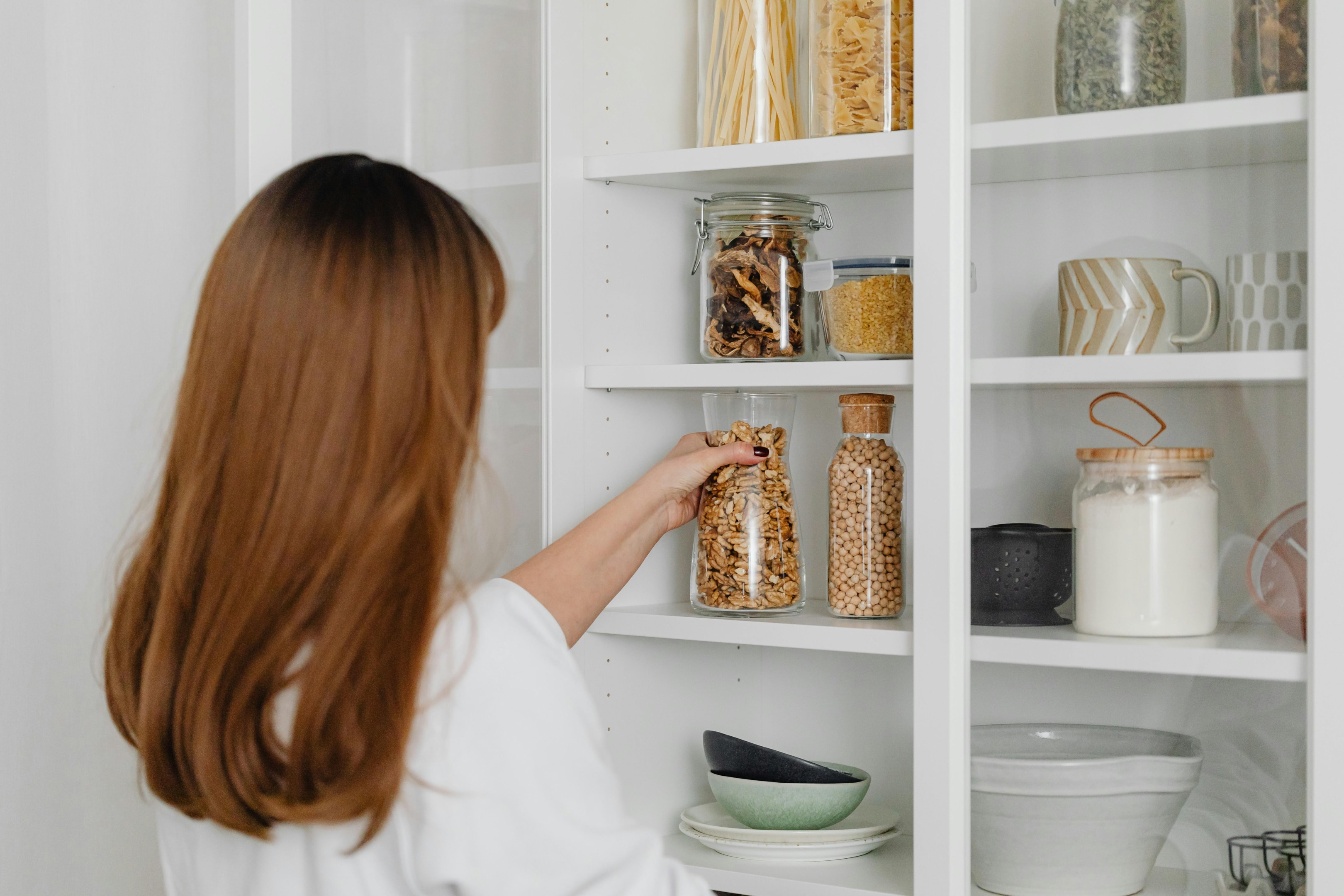
The pantry can be a huge undertaking. It’s the same deal in here–remove it all, clean the surfaces, then replace only what you know you will use. Donate or throw out the rest.
Here’s an in-depth guide to organizing a cute pantry.
Decor
Here’s our last task in the kitchen–assess your decor. The best way to do this is to take EVERYTHING down and put it in another room. Bring pieces back one at a time–you can put it back where it was, or find a new spot. Evaluate the vibes after each item, and you’ll eventually find that sweet spot where you have the perfect amount. Get rid of or rehome the rest.
Don’t keep and display items just because they were a gift and you feel like you should. Your house is for YOU. Make it a place you’re happy to be.
Tackling the bedroom
Moving on to the bedroom! This is a good room to get under control because a cluttered room can actually affect your sleep. And sleeping rocks, so let’s get into it.
Clothes
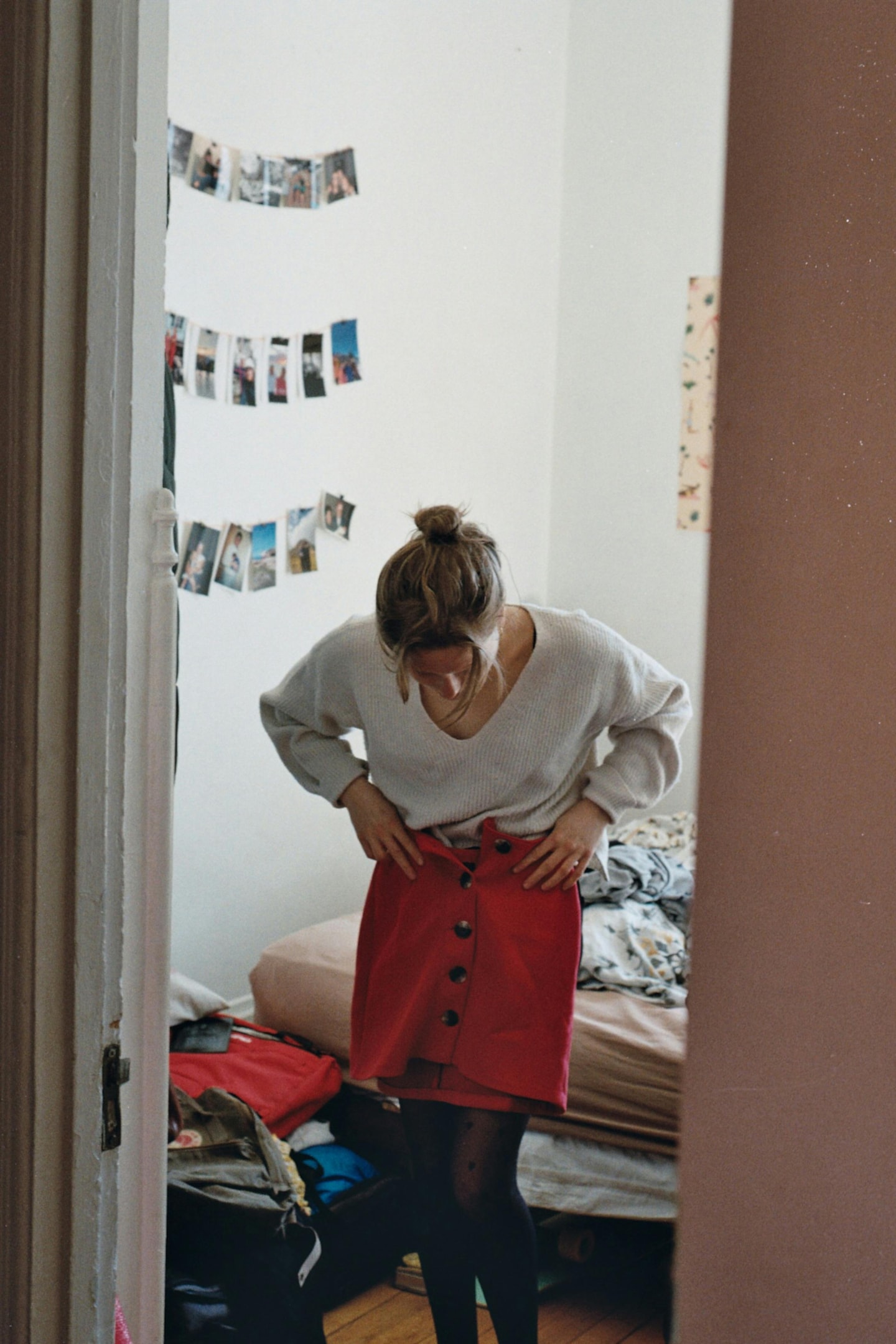
The category most often cluttering bedrooms is clothing. So let’s start there!
Pull out ALL of your clothes–from the closet, the dresser, the dryer, all of it. Handle each item one at a time and ask yourself: Do I want this?
It could be that simple, and you’ll greatly narrow down the items to try on. When you have a pile of the clothes you think you want to keep, try them all on.
Do they fit?
Are they comfy?
Do you feel good in them?
Do they go with the general vibe of the rest of your wardrobe so you can make outfits with it?
Now you have a new, smaller pile to go through. Consider how many pieces you want to keep–how many jeans, how many shirts, how many pairs of shoes. You might make a specific list of your ideal amount of clothes to own.
Suggested capsule wardrobe you can riff off of:
- 7 days worth of daytime outfits (ideally that mix and match well)
- 5 sets of pajamas
- 10 sets of underwear and socks
- 1 casual shoe, 1 dress shoe, 1 Playing Outside shoe
- 1 cute jacket, 1 weather-appropriate jacket
- Limited accessories
If you end up with pieces you aren’t sure of parting with, you can try the backwards hanger trick. Put away the clothes you aren’t getting rid of, storing them on backwards hangers. As you wear and replace them, flip the hanger the right away. After the season or year, see which ones are still backwards and consider getting rid of them.
Closet
Hopefully the clothing declutter has given you a mostly clear closet, but a lot of us store a TON of random stuff in the bedroom closet. So pull all of your non-clothing items out so you can see what you’re working with.
Declutter or rehome relevant pieces.
Organize what you want to keep in your closet.
If this is a particularly hard room for you, here’s your ultimate guide to closet clean outs.
Dresser
You should have already cleared out any drawers in the clothing step, but address any other items you might have in the drawers, then clear off the surface. Declutter and rehome those items.
Try to keep your dresser top clear or mostly clear–it’s not a temporary storage area. This isn’t where you toss clean clothes to deal with later (that you never actually deal with).
If you want a picture frame, a jewelry box, or some kind of decor, rock out, but keep your bedroom surfaces intentional.
Under-bed storage
“Under-bed storage” for you might mean all of the things that have gotten accidentally kicked under there. Or maybe you’ve got containers or drawers! Either way, pull everything out. Declutter, rehome, and organize what’s left.
Nightstand essentials
Is your nightstand struggling under the weight of empty and full water bottles, a lamp, four books you’re not reading, two books you are reading, electronics, lotions, and other random items? Probably! You’re not alone–this is what a lot of nightstands look like.
Clear the top, empty any drawers, and declutter what doesn’t belong.
The surface of your nightstand should be kept relatively clear. You might have a lamp, a tissue box, ONE bottle of lotion, and maybe a book or two that you’re actively reading.
Preferably, you keep your phone in another room–even charging in an adjacent bathroom.
Organizing the bathroom
Let’s tackle the bathroom(s) next.
Medicine cabinet
Throw out any expired medication, combine duplicates (check the dates first), and pass on anything you don’t use.
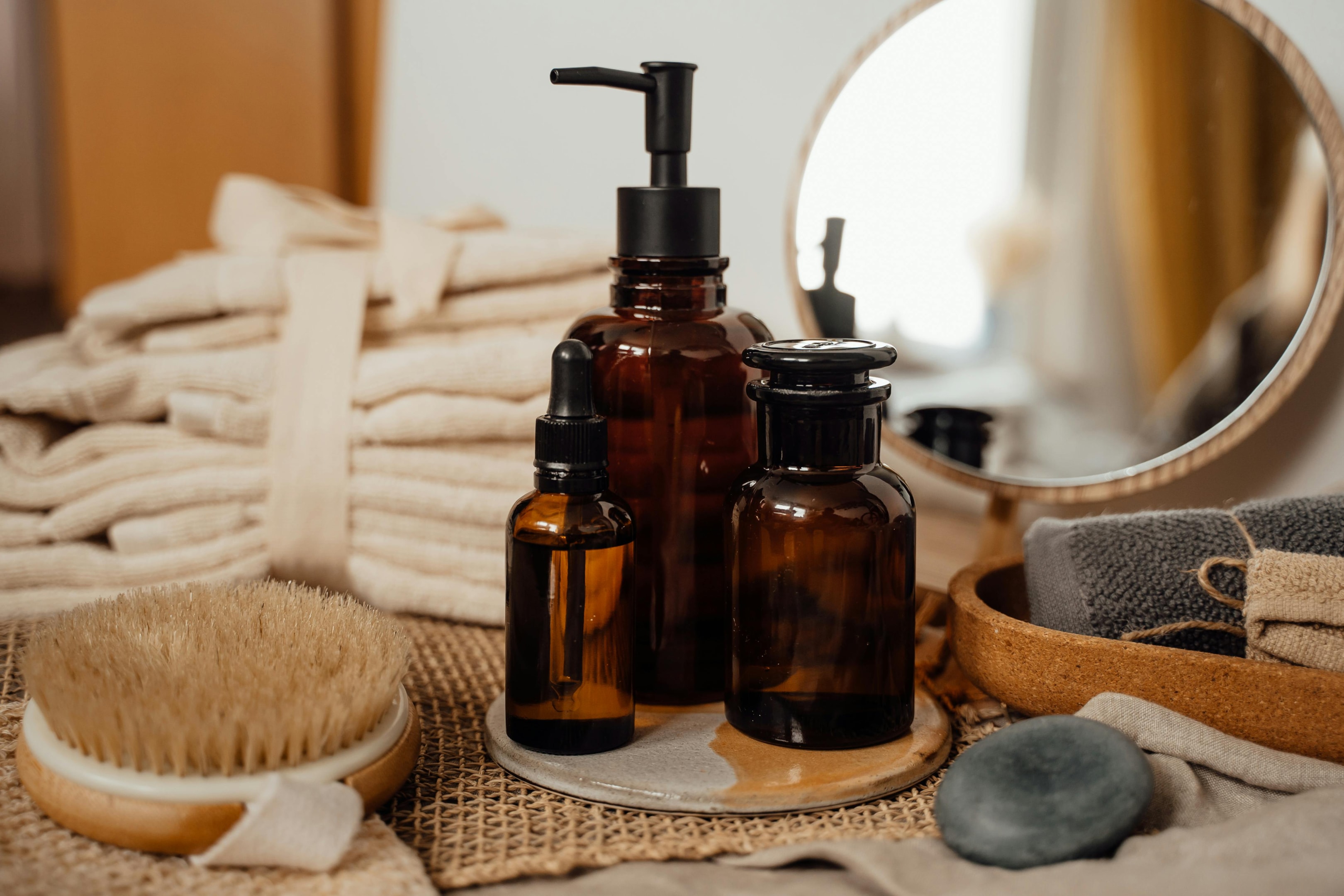
Toiletries
The simple answer to toiletries is: Get rid of everything you don’t use.
Maybe you like to keep a few replacements in stock of your regular products, but there’s no reason to hold onto things you Might use Someday. Go ahead and pass those extras on to your friends or a local homeless shelter.
Linens
A good rule of thumb for how many bath towels to keep is 1-2 per person. If you only have one per person, go ahead and keep a couple extras for guests.
I’d go for 3-5 washrags per person.
And at least two hand towels, so you can swap them out while one is in the wash.
If you have pets that bathe, you might keep one or two old bath towels on hand for them.
Makeup
Pull out all of your makeup and put it in front of you to see what you’ve got. Now pull out your favorites. For most of us, this will be about five products.
If you’re a makeup guru, by all means, keep what you like! I’d say just be honest about what you actually use.
Shower shelves
A cluttered shower or bath area sucks all of the enjoyment and relaxation from the activity. If you don’t have an organization system of some sort–like a corner caddy–get one! Then limit the items you keep in the shower to those that can comfortably fit in that system.
Avoid clutter around the sides of the tub–everything should have a home.
If you have too much, scale back the products you use. Razors and shaving accessories can be stored in a drawer or cabinet outside of the shower–it’s not good for the blades to be wet all the time anyway.
BONUS TIP: If you have only a few products, remove the labels! If you think you’ll forget what everything is, maybe don’t do this, but if you just have a bottle of shampoo, conditioner, and soap? You can keep those in order, and it will make your shower look SO much better.
Making the living room livable
Let’s swap our attention to the living room, den, family room, or Couch Area of your home.
Entertainment center
If you keep physical media, consider downsizing your collection to the ones you really enjoy. After you’ve decluttered the unwanted items, check out this guide for minimizing and organizing your DVDs and other discs.
Books
Many people love to keep books as decor items, but they can give their books a once over anyway. Pull books you know you aren’t interested in reading (or ones you aren’t interested in reading + aren’t cute, if used as decoration).

Surfaces
As a general rule, try to keep surfaces clear. A quick five or ten minute run through your house to put things back in their place can make this very easy to keep up with.
So do your initial declutter of that surface, then add a daily tidying up habit to your routine.
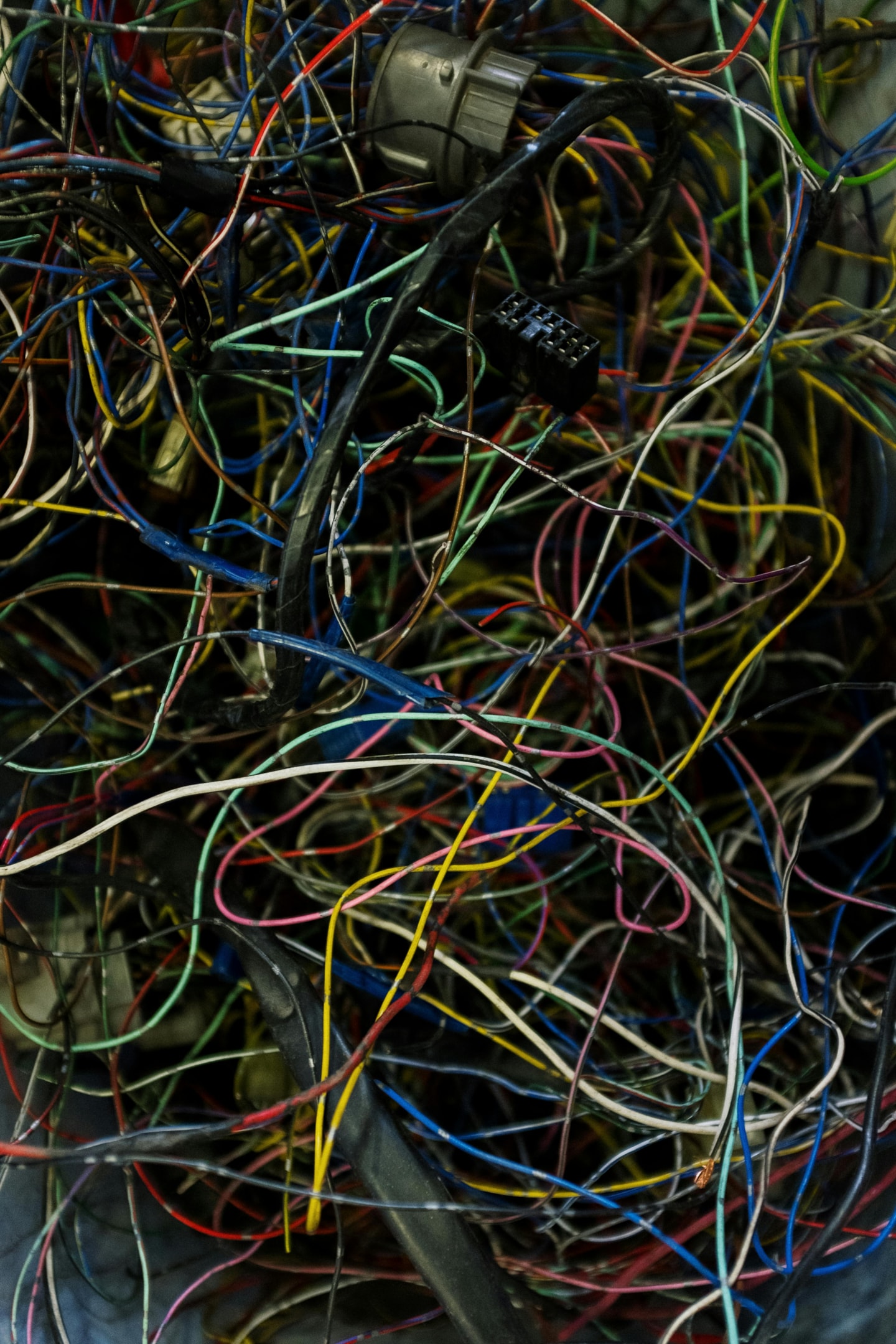
Wire management
A little wire management can be a major makeover for your living room. Use some wire clips to get them hidden and out of the way.
Decor
For living room decor, we’re doing the same thing we did in the kitchen–remove it all and replace one piece at a time until it feels right. Rehome or declutter the remaining decor.
Furniture
I find the living room is where we collect most of our unwanted furniture. Evaluate all of your pieces–do you like them? Are they functional? Do they look nice where they’re at? Do they disrupt foot traffic?
Optimize your home office
Do you have a home office? Or maybe a desk in a corner? Let’s get to it.
Paper management
If you have a significant amount of paper to deal with, you’ll want to collect it from all around the house and spend a day or two sorting it.
Here’s your full guide to dealing with paper clutter, as well as 9 ways to avoid the paper piling up again.

Supply organization
It’s rare for a home office to need much organization for supplies, but you probably at least have a few pens and maybe a notepad. Reel it back to exactly what you use regularly–donate the rest.
Clear desk
A decluttered and organized desk can majorly up your productivity (so can minimalism). Try to only keep what is absolutely necessary for your job and maybe one fun goofy thing or a plant.

Cable management
Cable management is important in an office, too! It not only looks better, but it keeps your wires organized so you always know what goes where, and it removes tripping hazards.
Reference materials
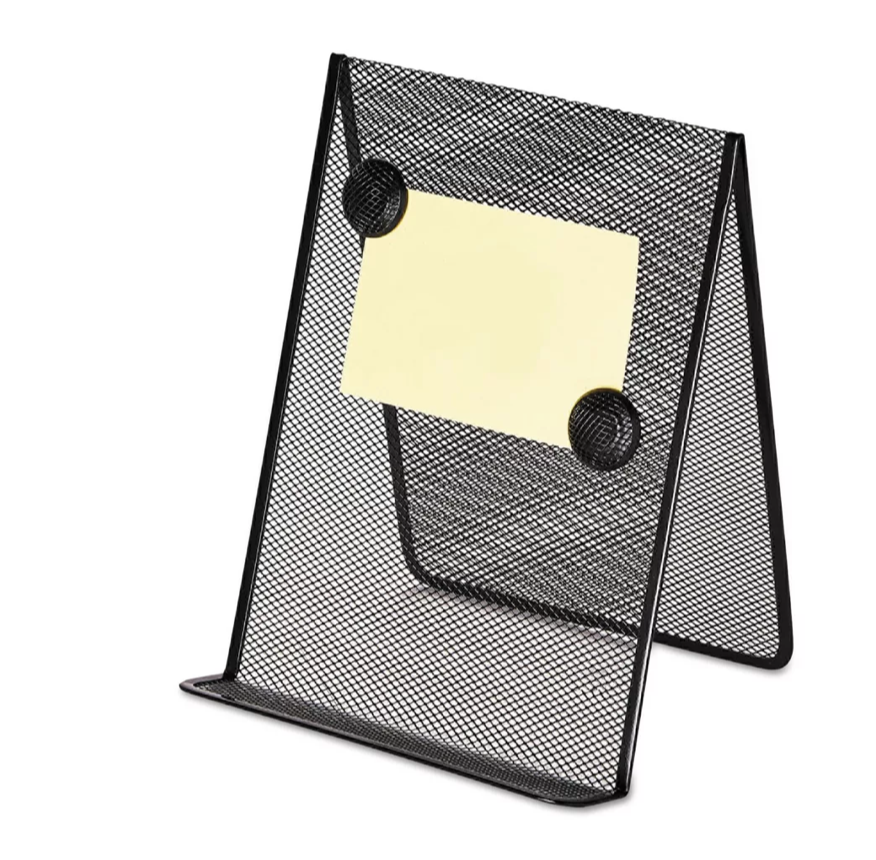
Again, this will only apply to you if you have a very particular kind of job, but if you need to reference materials for work, keep those materials to a minimum and establish a filing system.
For an ergonomic approach, try this document holder to save yourself the neck strain.
File system
For your filing system itself, it depends on your materials. Books should go on a shelf with spines out. Papers should go in a file box or drawer, organized by category, then alphabetically.
If you don’t have physical reference materials to worry about, keep a tidy filing system on your computer! Use a folder hierarchy, write accurate document names, and don’t forget a regular declutter.
Clear out the laundry room
The laundry room is a pretty good Dump Spot in most households. You usually don’t look in it very much–just to do laundry and dump stuff–and it tends to be tucked away in a little dark corner of the household.
So let’s clear out the visual clutter and give ourselves more space to function in there.
Laundry
This is probably your biggest clutter category. Pull out ALL clothes from in there. It really tends to turn into a closet we forget about.
Put the dirty stuff washing, put away clean clothes, declutter the stuff that hasn’t been touched in two years.
Flat surfaces
Shelves, the tops of the washer/dryer, and any other surfaces collect clutter. Clear those out. Get anything that isn’t NEEDED in the laundry room out of it.
TIP: If you can’t find a “home” for an item, that’s probably because it doesn’t belong in your house anymore.
Cleaning supplies
If you store cleaning supplies in here, pull it all out at once, and collect any other supplies from around the house. Take a look at what you’ve got–combine duplicates, throw out or donate the ones you don’t use, and only keep your absolute frequent favorites.
Other categories
Laundry rooms are a black hole, and the other categories of items you keep in there are ANYBODY’S guess. So I’ll leave these next steps in your hands. Go through the laundry room one category at a time, keeping only the essentials and getting rid of everything else.
Possible categories include but are in no way limited to:
- hobby supplies
- sport equipment
- board games
- pet stuff
- pets
- items set aside for donation that have sat there for 8 months from your last declutter attempt
- tools
- random storage items
- empty containers and bags
And on and on! So tackle one category at a time, and remember not to exceed three hours in a day. You might do one category in a day (or in several days), and that’s fine!
The hardest things to declutter.
Here are some categories you might keep an eye out for and do a little extra mental and emotional preparation before tackling.
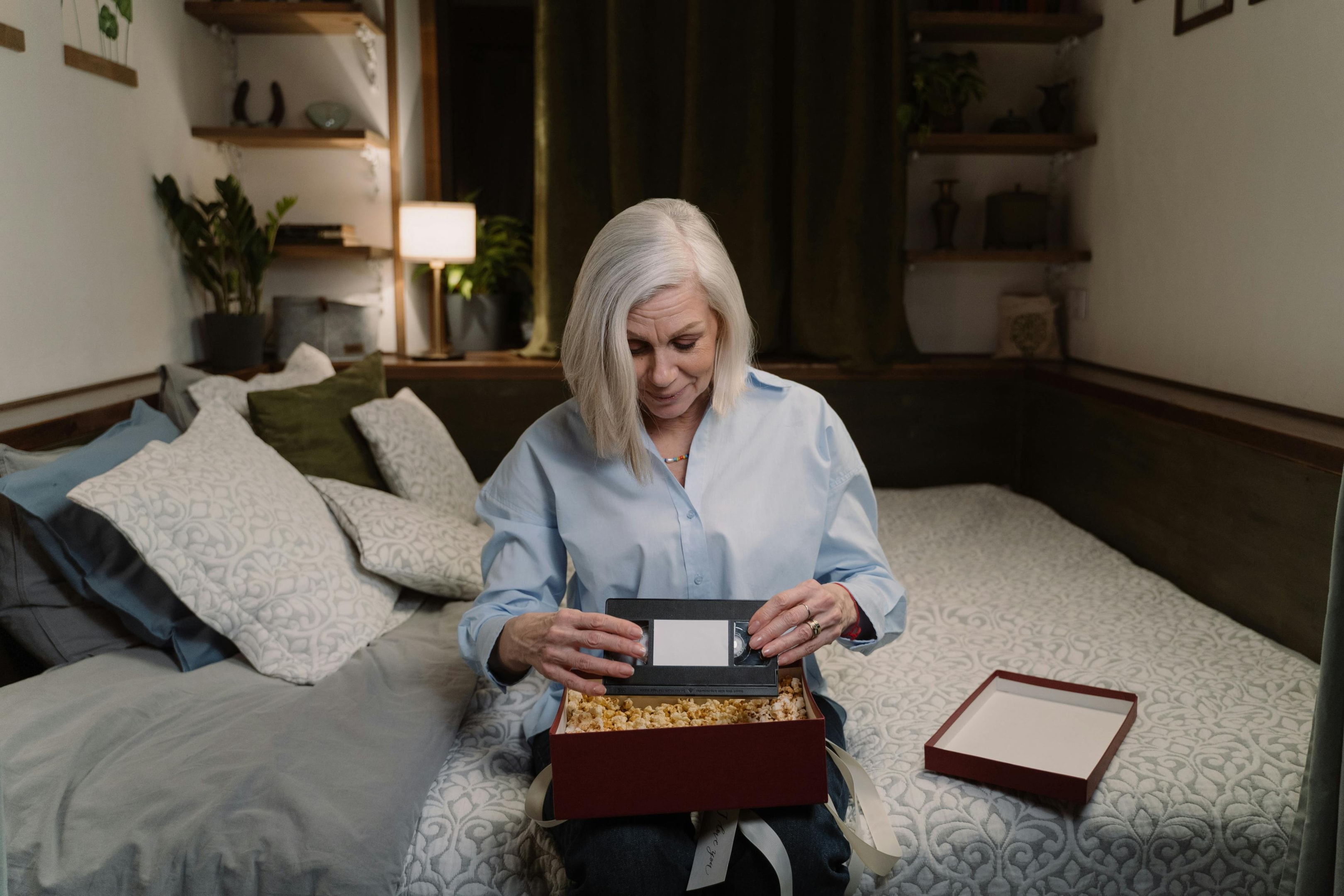
Sentimental items
Sentimental items are difficult for obvious reasons. Save these for last when you’ve gotten some experience and practice with decluttering items.
It can also take a little bit of processing from when the thought of passing it on occurs to us to the time that we actually get rid of it.
Important(?) documents
It can feel so scary to declutter papers. What if you need it??
You probably don’t.
Keep those irreplaceables/difficult-to-replaceables in a neat filing system, take care of your action items like bills and thank you notes, and ditch the rest. You can access important documents like doctor’s notes and banking statements online now–there’s really no reason to let paper junk up your space.
If you’re saving something to do your taxes, can you digitize it, or access it online?
If you’re saving papers from previous tax years, ask your accountant how many years you need to keep.
Start small if you’re anxious about this. Challenge yourself to get rid of a category of paper once a week.
Children’s items
It’s difficult to declutter children’s items because it can be sentimental–remember when they were so so tiny? Look at these little socks!!
Another reason is that they’re your children’s things! Maybe you feel weird making calls on their behalf about what to keep and what to toss.
If it’s reasonable, try to get them involved. Building the confidence and autonomy to make decisions like that is good for them, it will prevent feelings of betrayal when they find out you threw away Optimus Prime #8 who’s missing both arms, and it’s a bonding and learning opportunity for you both.
But you know your kid, so use your best judgment here.
Hobby supplies
Hobby supplies can be a sensitive subject, because we WANT hobbies. But a lot of the time, we collect the materials then lose interest. That’s okay–but we have to declutter and shop more mindfully in the future.
Unused hobby supplies usually belong to the fantasy self: An invented version of you that only lives in your head. Learn the distinction between your interests and their interests.
Read more about decluttering hobby supplies.
Gifts and heirlooms
We feel an obligation to hold on to things that were gifted to us, particularly if the gifter has since passed on.
I understand that. It can be really tough.
But here’s the truth: They wouldn’t want you to keep it out of guilt. They wouldn’t want it to weigh on you and give you negative feelings. They want you happy.
If you’re keeping items in memoriam, consider choosing your favorite thing from that person and letting the rest go.
Maintenance plan.
Now you know how to declutter your home like a pro! Here’s how to keep up with it so we don’t have to do it all over again next year.
Daily habits
First off, our shopping habits need to change. We need to address whatever the underlying issue is that got the house so cluttered.
Shopping addiction? Buying things for easy dopamine? Garage sale and thrifting hobby? Saving too many items for your fantasy self?
Figure it out and address that problem at the root to keep yourself and your home clutter free.
Another good habit is the daily reset. Choose a time–I do it in the evenings–to spend just 20 or 30 minutes on chores. Return things to their homes, do the dishes, wipe the counters. You might prepare for tomorrow by filling the coffee maker, laying out your clothes, or planning breakfast.
Taking just a little time to reset every evening has a BIG effect on your home’s cleanliness and your mental health.
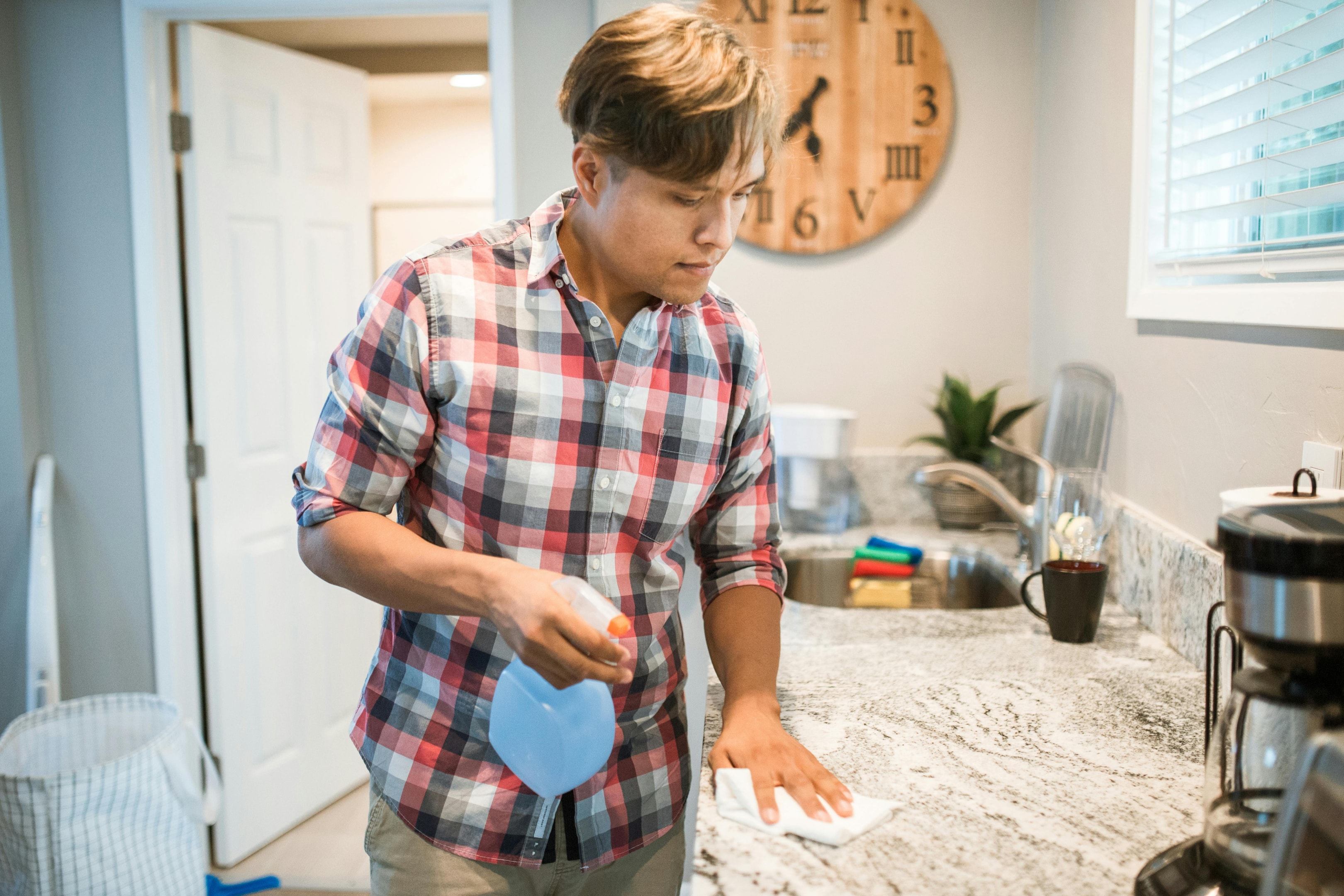
Weekly routines
Weekly routines could include things like sweeping, mopping, dusting, or meal prepping.
Whatever your standards and preferences are, choose the activities that are important to you so that you’ll stick with the routine to keep your home clean and lovely.
Monthly check-ins
At the end of the month, make an assessment. You can keep it as simple as: Is my home still decluttered?
If the answer is “no,” spend an afternoon decluttering.
A monthly check-in can cover more than that, too. Here are some journaling prompts I’ve used in the past:
- What did I accomplish this month?
- What problems did I encounter?
- How did I deal with those problems?
- How will I avoid them in the future?
- What are my goals for the coming month?
These check-ins aren’t so frequent that they’re a drag to keep up with, but they’re frequent enough to keep you on track toward your long-term goals and ensure you’re living the life you intend to live.

Seasonal tasks
Don’t forget those seasonal tasks! You might go as far as writing them out on the calendar at the beginning of the year or setting reminders in your phone.
Seasonal tasks include decorating for holidays (if you’re into it), putting away those decorations, winterizing the house, spring cleaning, raking leaves, trimming bushes, etc.
Annual deep cleans
And a good spring cleaning is the perfect home refresh. You don’t necessarily have to do it in spring–I usually deep clean the entire house in early autumn.
But address those overlooked things, like changing filters, washing walls, and Shop Vac-ing the basement.
What if my family members don’t want to declutter?
This is a toughie. If your housemates aren’t on board with the minimalism journey, they’ll be a major obstacle to get around. There are a few ways to deal with it, none of them fabulous.

- Have an open and frank discussion. This is always a good place to start. Express the reasons you have for wanting to declutter. Explain how it will benefit the household. Ensure them you’re not trying to throw away everything they own.
- Declutter around them. Attend to your own belongings, then start inching yourself into communal spaces and see how they take it. They might see how care-free you are, the shine in your hair, and how dewy your skin is and decide they want that life, too.
- Compromise. There might be a meeting place between what kind of house you want to live in and what kind of house they want to live in. Half decluttered is better than not decluttered at all.
- MOVE OUT! Just kidding. Unless… 👀
Next steps in your simplifying journey.

Organization systems
A good system is the only way to maintain a lifestyle or routine. So make your systems easy for you to stick with!
Every item should have a home. If there’s not a designated spot for something, make one, or declutter it.
Storage solutions
Storage boxes and organization systems aren’t enough to take a house from cluttered to tidy–significant decluttering needs to happen first. But afterward, storage is a good thing to consider.
Styling
After the declutter, customize your house even more to your tastes with some intentional styling.
Here’s a guide to styling small spaces minimally.
Habits to maintain
Regular decluttering until your house hits the Happy Spot.
Changing your shopping habits accordingly.
Quick, daily tidying–even ten minutes is a great habit to make.
Ready to declutter?
If you’ve made it this far, you must still be interested. Congrats! I’m so excited for you to get started. It really can change your life.
I’ll link a few resources for you below, and I encourage you to leave questions in the comments if there’s anything we can help you out with!
Grab this free checklist of 100 easy items you can declutter now!


This guide is an absolute gem for anyone feeling overwhelmed by clutter. The room-by-room approach is both practical and compassionate, acknowledging the emotional ties we have to our belongings without judgment. The emphasis on intentional living and aligning our possessions with our values resonates deeply. I especially appreciate the gentle encouragement to start small and progress at one’s own pace—it’s a refreshing change from the typical “all-or-nothing” mindset. Thank you for creating a space that empowers readers to reclaim their homes and minds with clarity and purpose.
This decluttering guide is so thoughtfully written—both comprehensive and genuinely supportive! The step-by-step, room-by-room format makes the process much less intimidating, and your focus on achievable goals and self-compassion is exactly what so many need. I love how you balance practical advice with the emotional realities of letting go. Thank you for inspiring readers to create calmer, more intentional spaces without pressure or guilt.
Beautifully written guide! I love how you make decluttering simple, supportive, and focused on achievable goals — truly inspiring and calming.
Nice
Great insights! This blog really helped me understand the topic in a simple way. Looking forward to more helpful posts like this
A comprehensive and motivating guide. The clear focus on mindfulness and intentionality makes decluttering feel purposeful rather than stressful.
Great work keep it up………..
Nice post, great guide — really helpful tips for decluttering and creating a more organized space!
Good guide.. Thanks
Beautifully written and inspiring — you make decluttering feel simple, achievable, and genuinely calming!
Good guide.. Thanks
Great work keep it up………..
Great work—keep up the excellent work!