

One of the most famous modern decluttering methods comes from a tidying expert named Marie Kondo. You’ve likely already heard of her! Let me know if you’ve read any of her books in the comments!
Let’s look at the Konmari method, the benefits of using it, exactly how to do it, and some downfalls and alternatives.
What are the benefits of the Konmari method?
The Marie Kondo style of decluttering and tidying has the same benefits as a minimalist life as a whole.
It creates a more peaceful and organized living space. Get home and truly feel rested.
The Konmari method reduces decision fatigue in daily life.
With less clutter to worry about and every item in its designated home, there’s very little to make decisions about when cleaning and moving around in your space.
Minimalism–and Marie Kondo’s ideals–can help you identify what’s truly important to you. Not only what physical belongings you truly cherish, but what is sparking joy for you in life?
A minimalist lifestyle encourages mindful consumption habits. This can help you save money, keep your home decluttered, and reduce your environmental impact.
Completing the Konmari tidying process can lead to a sense of accomplishment, improved mental clarity, and an overall happiness increase.
Sounds good, right? Let’s get into how to use the Marie Kondo method and how to embrace the life changing magic of tidying up.

How to approach decluttering like Marie Kondo.
The Marie Kondo method–or Konmari method–is explained in her book, The Life Changing Magic of Tidying Up.
She guides you through the entire process of decluttering and tidying your home.
If you’re not about reading a whole book right now, I got you, babes. Let’s get the gist.
Does it spark joy?
A huge part of the Konmari method is if the item sparks joy for you. When you pick it up, do you feel good about it?
How to tell if an item sparks joy
It can be difficult to identify this emotion if you’ve never done it before, but most people feel it around their sternum.
If you hold the item and feel a constriction or weight there, you likely are ready to part with the item.
If it makes you feel lighter and like it’s easier to take a big inhale, that’s a good sign that it sparks joy!

Items that no longer spark joy or serve a vital functional purpose should be decluttered, according to the Marie Kondo method.
Categories, not location.
Another big facet of her approach is that she declutters by specific category not location.
This means you wouldn’t declutter the bathroom closet–you’d declutter one category, like all of your hair products. So you’d gather them from the closet, cabinets, drawers, and wherever else to put them in one place and sort.
The reason Marie Kondo recommends this is because it’s easier to declutter a category when you see them all at once. If you start with decluttering a bathroom cabinet, you might move to a drawer and find you have a duplicate of an item you kept from the cabinet.
So Marie Kondo wants you to go by category. When you go to declutter your clothes, pull everything out from your closet, the coat rack, drawers, under your bed–and put them all in one pile to evaluate them as a category.
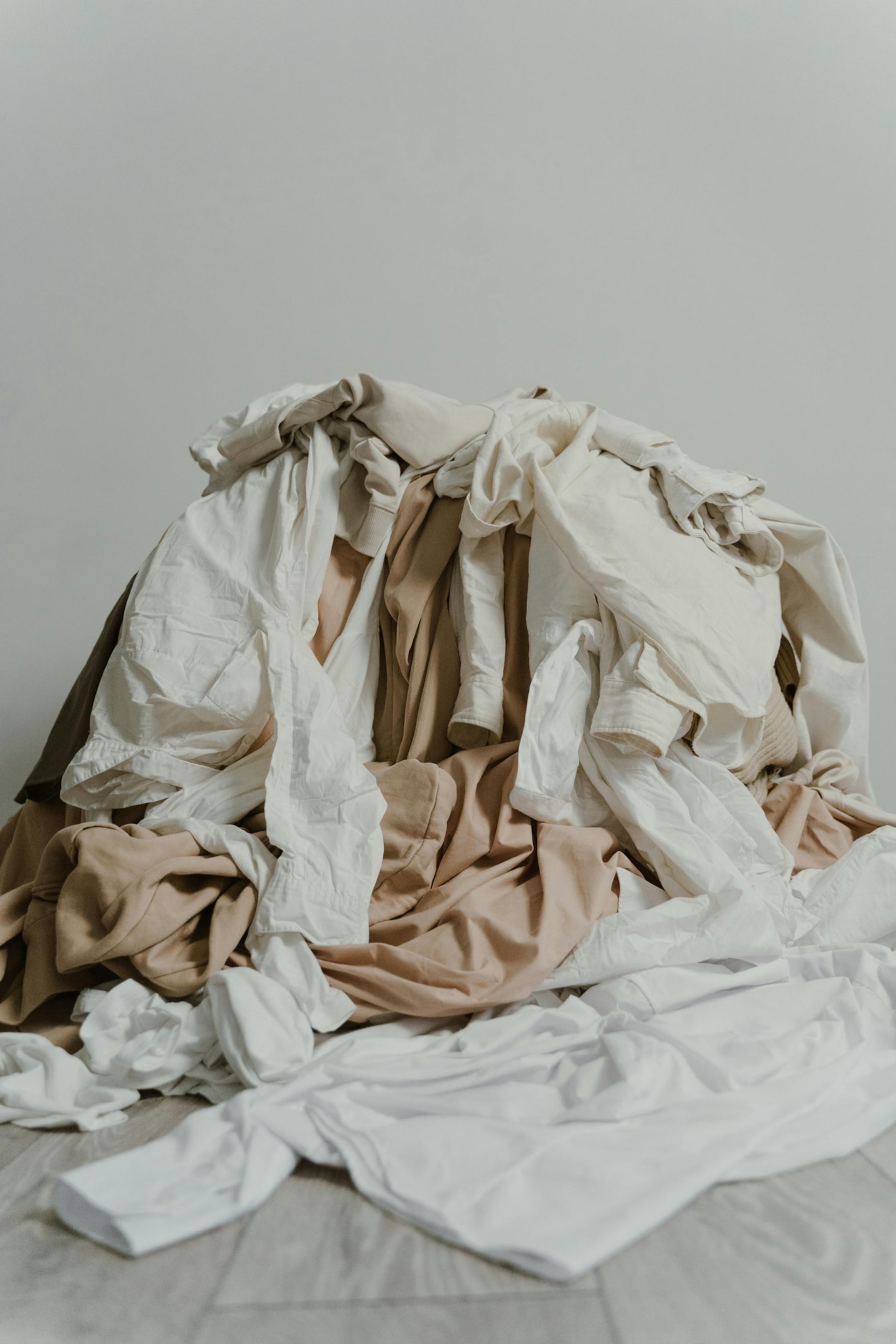
Sentimental items are last.
Marie Kondo recommends you save sentimental items for the end of your decluttering journey. Begin with an easier category with less emotional weight, like books, clothes, or paper clutter.

Sentimental items are difficult, obviously, so build up your decluttering momentum before you go beast mode.
If you front-load the emotional effort, you’ll slow your progress and maybe even stop entirely. So start simple!
Containers.
Our girl Marie loves a container, but don’t you go buy a new one. She says that since we’re discarding items, we shouldn’t bring anything new into the home, including organization tools.
The containers are typically for drawer organizing or storing items on shelves.
Kondo describes the magic of needing a certain sized container and then simply finding it somewhere in your house. Try it!
Paper clutter.
The Konmari method recommends keeping 0 paper clutter. All of it can be thrown away, she says, so grab some trash bags and get cooking.
Keep important documents somewhere safe, obviously–birth certificates, social security cards, vaccination records, documents for tax purposes.
Learn how to deal with paper clutter for good.

Gratitude.
Expressing gratitude for belongings–both for the things you discard and the things you keep–brings a feeling of peace and contentment.
Your mindset shifts everything, and actively being thankful for your belongings can bring more joy to your life in general, help you feel less need to acquire stuff, and make keeping a tidy house enjoyable.
Discard items before organizing.
Before you begin the organizing process, the Konmari method instructs you finish discarding items. It’s difficult to organize too much clutter–impossible, really.
So finish your decluttering process before you begin organizing what you keep.

This man is ready to organize.
A home for everything.
Marie Kondo’s method involves finding a home for everything you own–after you’ve discarded the rest.
Having a specific place to keep things will stop you from becoming decision fatigued while tidying your house, will prevent you losing track of items, and will keep your home organized.
The Marie Kondo folding style.
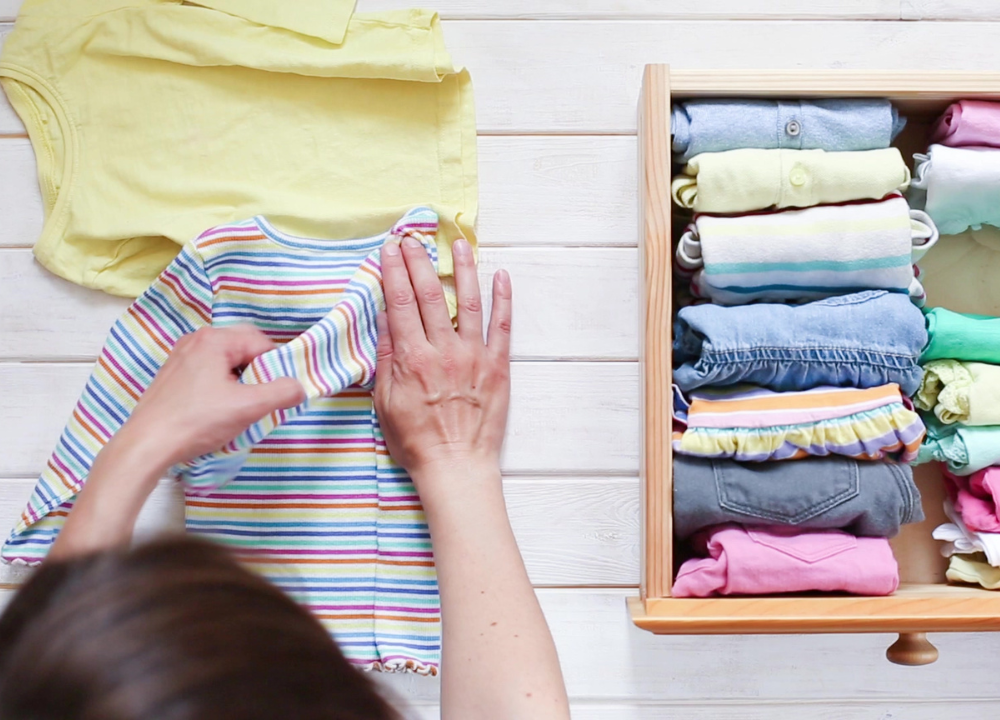
If you’ve heard anything of Marie Kondo, it’s probably the Konmari Fold. She’s very pro-fold and only hangs things when absolutely necessary.
Her folding style allows you to see all of the items from the top level, because she folds in a way that stores clothes vertically.
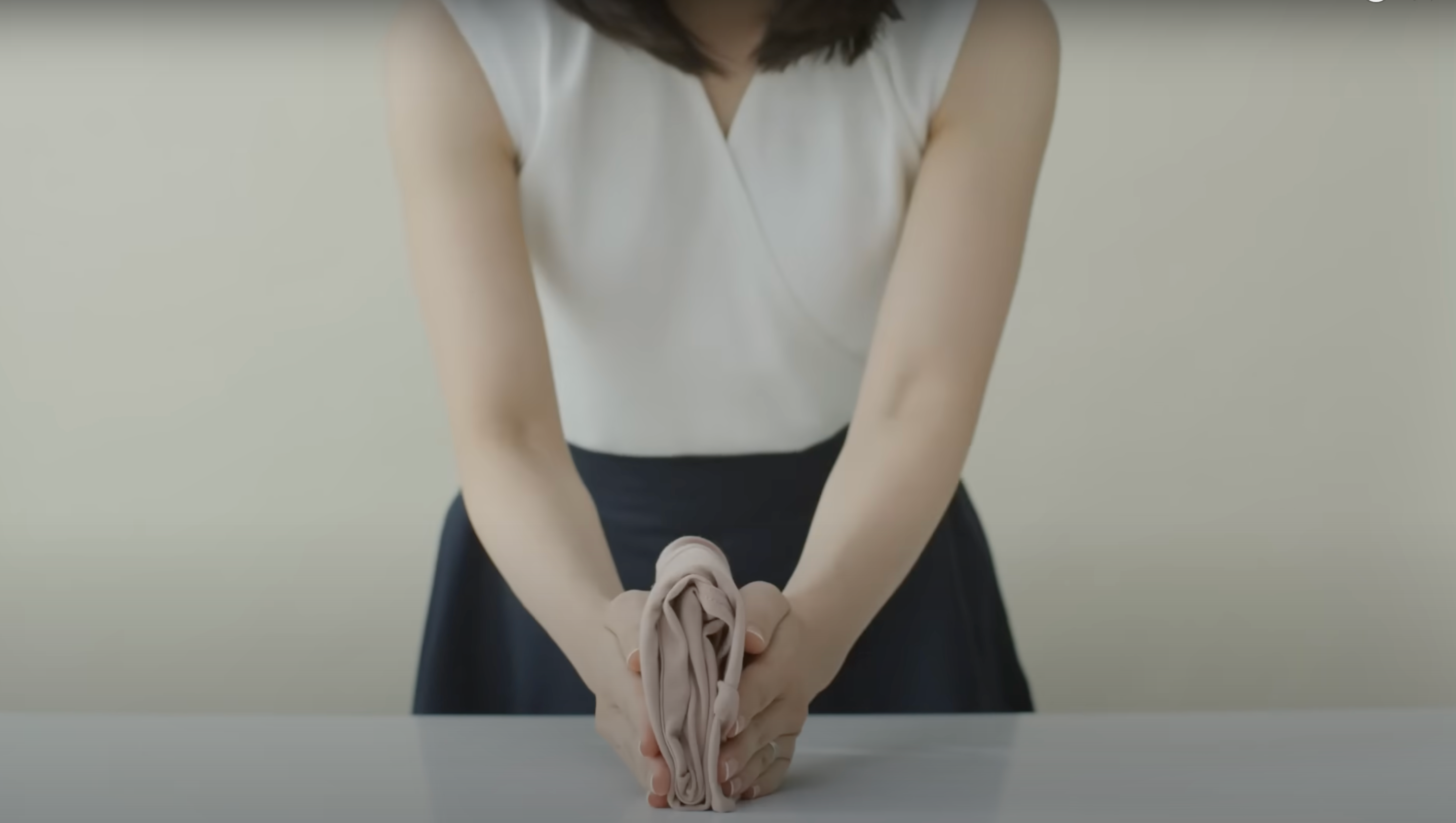
She is also anti-sock rolling, preaching that every item should feel at rest and cherished, and do you think socks can feel either of those things while they’re rolled up and crammed in a drawer???
Do you think socks can feel anything? Do we need to talk about socks?
How to fold like Marie Kondo:
Criticisms for the Marie Kondo method.
You know we like to see all sides of an issue on this blog, so it’s time to poke holes in the Konmari method.
There aren’t many, and it’s really up to personal preference and that specific situation, but here are a few things you might want to keep in mind while reading this book.
Difficult and time-consuming.
This method is time-consuming and overwhelming for many people. And for others, that might even be an understatement.
She does recommend that you don’t tackle this project too quickly, and I’d like to echo that sentiment: Take your time with it. Take breaks. Don’t pressure yourself to complete it too quickly. This isn’t a one fell swoop kind of project. It should take you at least several weeks.

Not all necessaries spark joy.
The “spark joy” concept doesn’t completely apply to practical, necessary items. Marie Kondo addresses this in the book by saying that, for these items, the solution is to learn appreciation for it.
Literally thank the item. Take care of it. The energy we put into something dictates our ultimate feeling toward it.
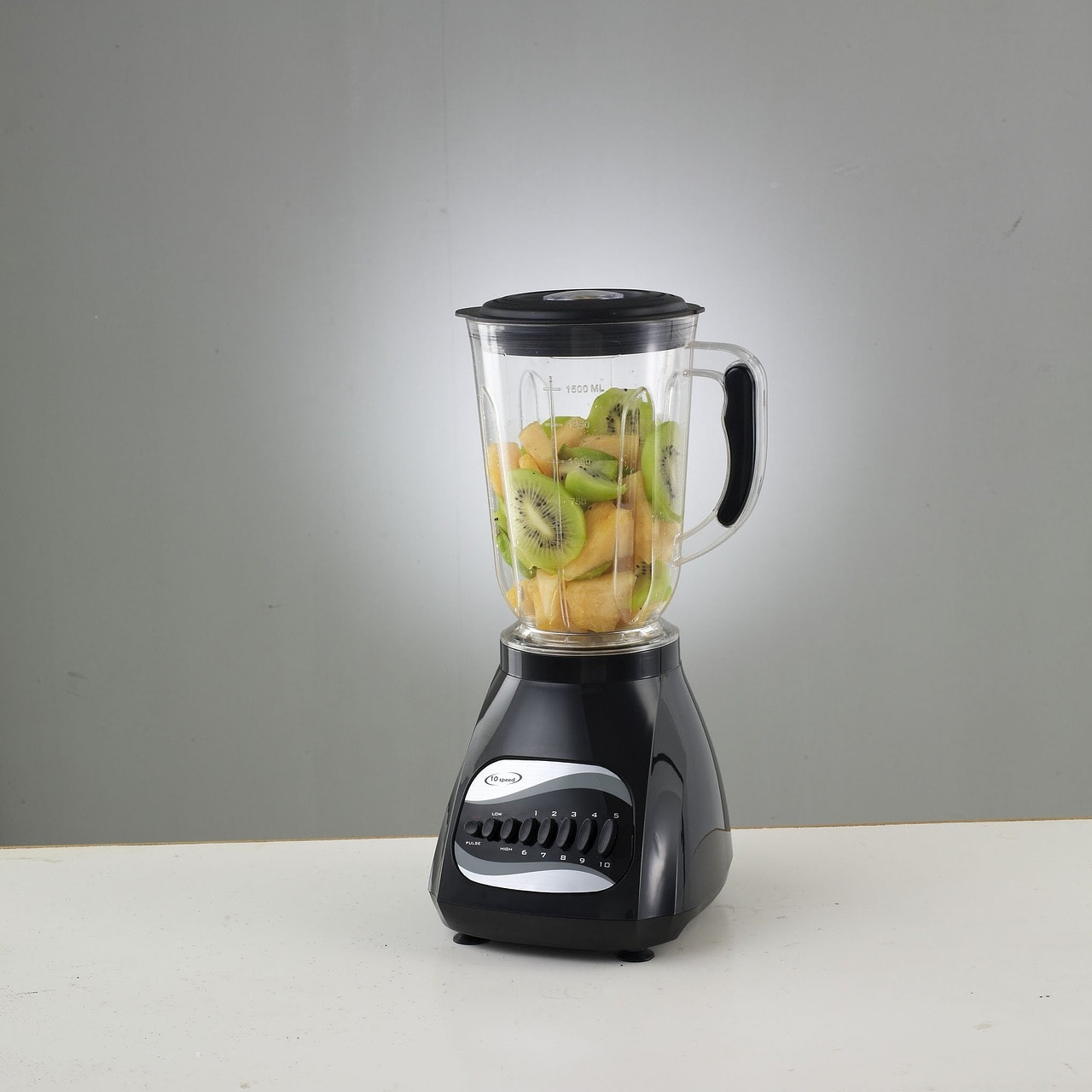
Not many of us will pick up a blender and feel all fuzzy inside, and that’s okay! Thanks for the smoothies, bro. You’re the realest.
Fatphobia?
I’d be remiss to leave the brief sprinkle of fat phobia unacknowledged–Kondo equates “detoxing” your house to detoxing fat from your body, which is…an interesting thing to say! The surrounding rhetoric is equally interesting.
So ignore that paragraph if you read the book, because it hits weird!

The root cause of clutter.
The Marie Kondo method is an incredibly powerful tool for dealing with clutter in the present, but the book doesn’t address the root causes of how clutter accumulates.
She doesn’t necessarily NEED to cover that, as it’s not that point of the book, but I thought I’d mention it: The Konmari method is a tidying process.
The Konmari process is effective and relatively simple to follow, but clutter can affect and be affected by your entire life, so you may need to explore and learn a bit more about yourself to address your core issues.

Alternatives to the Marie Kondo method of decluttering.
If Marie Kondo’s vibe doesn’t spark joy for you, that’s fine! Here are some alternative decluttering techniques to consider.
Swedish Death Cleaning
This one sounds intense, and it kind of is! This is typically used by people between middle aged and approaching end-of-life.
The method of Swedish Death Cleaning is simple: Get rid of anything you don’t want your surviving loved ones to have to deal with.
Many people use this decluttering strategy far before their anticipated end–it works for anyone!
The Minimalist’s 90/90 Rule
The 90/90 rule dictates that if you haven’t used in the past 90 days, and you don’t see yourself using it in the next 90, get rid of it.
The 20/20 Rule
This rule is great for my “just in case” collectors–if you’re deliberating on keeping an item that you likely won’t actually use Just In Case, ask yourself if you can replace it in 20 minutes for under 20 dollars.
If so, you should probably toss it.
The Shock Treatment
This one is a little extreme, but honestly a very fun and effective way to do a MAJOR declutter.
You remove EVERYTHING from a room, returning items one at a time that are absolutely necessary.
The Monthly Decluttering Challenge
For something more low-key, consider the Monthly Decluttering Challenge. We do this as a community every month over on our Facebook page, so feel free to join us, but the gist is:
On the first day of the month, declutter one item.
On the second day, declutter two.
And so on.
By the end of the month, you’ll have decluttered around 470 items! This kind of easy, consistent effort might suit your personality and work style better than the more extreme options.
Does the Konmari method work?
It does! For a lot of people, this tidying process truly does bring some life changing magic. Determining what sparks joy for you and discarding the rest brings a simplicity and peace to your home that’s honestly irreplaceable.
A messy room is not only an eyesore, but it negatively impacts your mood and outlook on your own life. Create an environment that makes you comfortable and happy instead of one that stresses you out!
Marie Kondo’s book and method can bring hope to a lot of people who feel hopeless that they will ever get control of their lives again.
I recommend picking up her book, and I hope it sparks joy for you. If not, burn it!
And if you’re looking for an easy place to get started decluttering, download our 100 item checklist below.

