

The No Buy period is a popular and ambitious endeavor for the new year. It’s helpful for those looking to pay down debt, optimize their budget, reduce purchases, or learn to be a more mindful consumer.
We’re going to go over the basics of a No Buy year (or period), then talk about how to create your no buy plan with a specific list of essential items to get you started!
What is the No Buy challenge?
The no buy challenge is an undertaking in which participants only make purchases for essential items for a certain period of time.
Commonly, people challenge themselves to a whole no buy year, while others go for a few months or weeks. There’s also the “low buy” challenge alternative with looser rules that are a bit easier to stick to.
The main rule of this challenge is to only buy things that are absolutely necessary, but everyone tends to take their own spin on the severity of that rule, plus add a few no buy rules of their own.
The rules you follow depend on your motivation and goals for pursuing a no buy year.
Here’s lots more information about it: The No Buy Year.
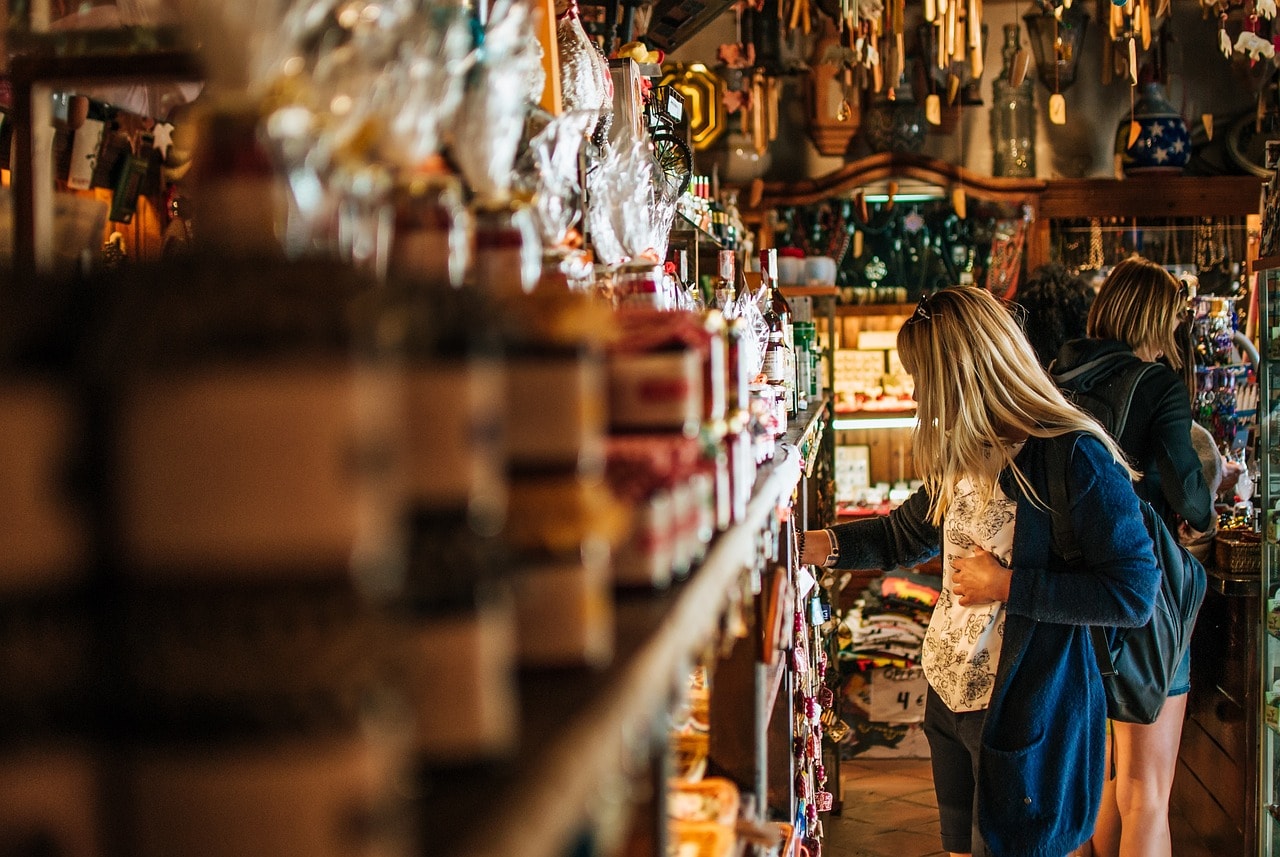
Should I do the No Buy challenge?
So what are the reasons for doing a no buy challenge? In order to determine good, applicable rules, you’ve got to know why you’re doing it. Here are some of the main purposes.
Save money and spend mindfully.
Your spending habits might need a bit of a remix. Maybe you’d like to shop locally, spend less money, or in general step away from overconsumption.
Maybe you’re in it to change your shopping habits, if you consider yourself to have a problem with them.
Reduce consumption and waste.
A no buy year is a great way to positively contribute to the environment. With less bought, there’s less waste.
If this is your concern, a specific goal of your no buy challenge might be to only shop in-person at small businesses, as shipping packages has both monetary and ecological costs.
Improve mental health.
Whaaat? How can buying fewer things improve my mental health?
For one, many people use online shopping for fast fashion items (and other cheap goods) as an easy way to access dopamine. Buying stuff gives most people a little thrill, as does receiving the item, as does using it for the first time.
But that dopamine isn’t sustainable. It’s a bit like cheating, and it sucks up your dopamine reserves leaving you feeling down and groggier afterward.
Unkempt shopping habits are bad for your health in the same way scrolling on your phone first thing in the morning is. Like any addiction, shopping can hold us captive in a way we might not even realize. Set yourself free from it!

How to make your No Buy challenge essentials list.
I can give you a predetermined list of essentials, or I can show you how to make your own. I’ll do both. Lead a fish to water and he’ll eat horses for life, or something.
The room-by-room method.
One way to determine your essentials is to think through each room of your house and consider all of the activities you perform there.
For example, you might mentally map out your bathroom. In the shower, what do you use? Shampoo, conditioner, body wash, back brush, wash cloth, moisturizer? You also need a way to clean the shower.
What about the toilet? Toilet paper, toilet bowl cleaner, bathroom spray?
Go through each room of your house like this and write down everything you use.

Check your old shopping lists.
A good way to determine your essentials is to check your previous shopping lists. If you use an app, this is easy. Take a scroll through your previous purchases and evaluate which you were happy with, what you’d like to cut, and what your basic needs are.
Make an inventory.
Go through your house and write down everything that is consumable, disposable, or regularly replaced. Then really examine that list, underlining or circling the items you cannot do without.
Edit the lists below.
Or, for easy mode, you can start with the lists I’ve made in the next section. Use them as a base list, then customize. Over the first month or two, you’ll think of new things you didn’t realize you needed, or you’ll start to notice that you don’t actually need everything you’ve been keeping in stock.
It’s like a budget–we’re making our best guess, but we have to keep an open mind when we realize that we need to recalibrate.
No Buy challenge essentials list.
Everyone’s essentials list will look a little different, and that’s okay! You might even have “cheat” categories of items that aren’t actually required to live, but that you’re not willing to give up.
It never has to be all or nothing. So many people hold themselves back from improving their lives because they can’t fully commit to doing their absolute best.
For example, I know many, many people who say, “I’d love to be vegan, but I can’t stop eating bacon.”
So be a vegan who eats bacon! The benefits of veganism are still there. Bringing 80% effort to the table consistently is a million billion times more effective than only bringing 100% when you can. We very rarely can do 100%.
That said, here is a comprehensive list of purchases most people would find essential during a no buy year.
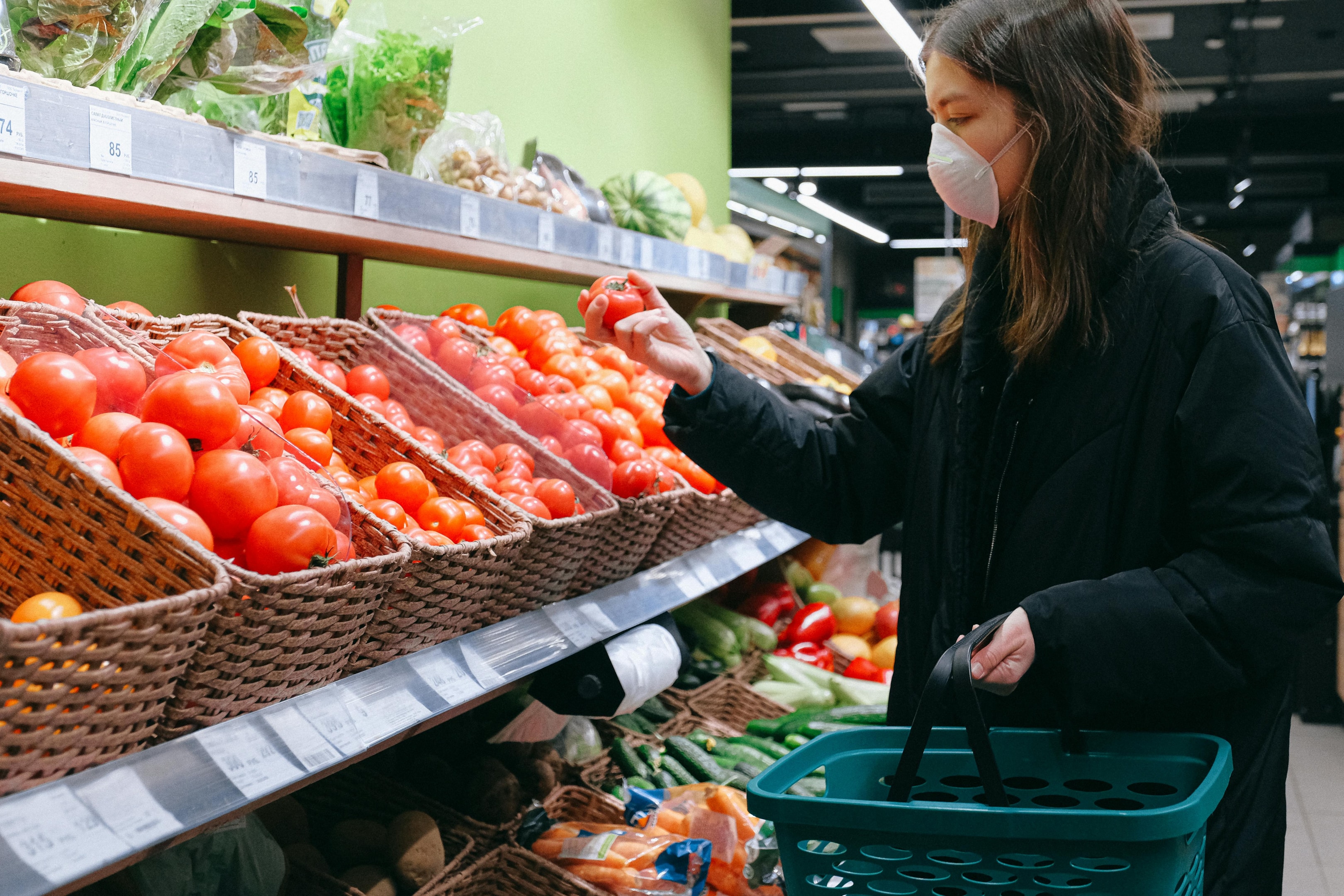
Groceries
You might just say ALL groceries are essential and not restrict yourself here at all. You could also make a list of restrictions rather than essentials. For example, no red meat, no processed foods, no bread (if you’re trying to bake fresh). Or you could set a restriction on the stores you’re allowed to shop at–maybe you only shop at local stores and farmer’s markets.
But if you’d like a specific list of grocery essentials, here are some basics.
Proteins
Whatever proteins you prefer–chicken, beans and rice, beef, pork, quinoa, tofu, seafood.
Fats
It’s important to have a source of healthy fats in your diet–nuts, eggs, avocado, olive oil, oily fish, cheese, tofu.
Carbs
And carbs come easy–fruits, vegetables, whole grains, oats, beans.
Drinks
You want to be thorough and realistic when making a list of your allowed purchases. Drinks might be up there for you! If you’re cutting out something you use a lot–say, soda–then you probably want to set up a replacement product that is better, in whatever way you’re trying to be better.
A sugar-free option, hydration packets, milk, etc.
Snacks
Snacks are subjective! Decide what you’ll allow (or what you’ll restrict) for your no buy era.
Try to be realistic. We all want to say we’ll crunch celery and be happy about it, but will you?
Pantry staples
When trying to live sustainably and mindfully, you’ll find yourself cooking much more frequently than eating out. Here are the basic pantry staples you might want to keep on hand:
- Olive oil
- Cooking oil (like canola)
- Vinegar (white, balsamic, ACV)
- Flour
- Sugar (white and brown)
- Baking soda
- Baking powder
- Vanilla extract
- Basic dried herbs (basil, oregano, parsley)
- Nut butters
- Condiments (soy sauce, mustard, whatever your preference)
- Onions
- Garlic
- Canned tomatoes (diced, whole, paste, whatever form you prefer–many recipes call for tomatoes, and cans will keep for years)
Medication
Along with any prescription meds you may have, you’ll want to keep some allowance for purchasing over the counter medications. Here’s a list of the basics:
- Ibuprofen
- Acetaminophen (generic Tylenol)
- Aspirin
- Antacid
- Laxative
- Nausea/diarrhea meds
- Decongestant
- Cough suppressant
- Antihistamine
Household
What do you need for cleaning and general household upkeep? Think through your routines for each room.
Hopefully, you have a standardized routine, meaning you know exactly what products to keep in stock. Only keep what you use, and only restock what you use (looking at you, coupon queen).
Nailing your cleaning and maintenance routines will help you to save money, spend less time on chores, and create a lot more storage space in your home.
Here are some of the basic necessities most households keep on hand. I’m going to argue about why you don’t need many of them afterward.
- Cleaning products
- Toilet paper
- Paper towels
- Tissues
- Insecticide
- Sponges/brushes
- Lightbulbs
- Batteries
- Dish soap
- Dishwasher detergent
- Laundry detergent
- Fabric softener
- Matches/lighters
- Aluminum foil/plastic wrap/storage bags
- Garbage bags
Make up your own rules when it comes to a no buy challenge (and literally everything else in your life). These are merely suggestions, if you have the goal of simplifying your life, reducing your environmental impact, and saving money.
Toilet paper: A bidet can greatly cut down your use of toilet paper (or completely eliminate it, if you’re hardcore). A stash of small rags for drying afterward is also a nice idea.
Paper towels: Washable rags are an easy swap out for paper towels. Just throw a basket or bin under the kitchen sink to toss them into when you’re finished. This swap takes a pretty small amount of effort, it saves money, it saves counter space, and it cuts down on one more type of waste.
Tissues: Personally, I don’t buy tissues. I use toilet paper, when necessary. I know others who use handkerchiefs (seriously! And that’s awesome).
Pesticides: Pesticides are a little mehhh to me. I don’t use them–I’ll either find a natural way to remove pests or just learn to coexist, BUT, when I lived in Louisiana, you better believe I was emptying two cans of Bengal every month like clockwork, one inside the house and the other outside. I will not be meeting a cockroach if I have any say in the matter.
So, no judgment, but consider if using pesticides (and herbicides) is something that actually serves your life and makes sense for you, or if you’re just using them because you grew up seeing people use them.
Often, our day-to-day decisions just come from marketing or mindless habit, so it’s nice to take the time to think through our actions and be a little more intentional with them.
Fabric softener: Fabric softener is, for all intents and purposes, a scam (source). Save your washing machine and your wallet by using something like dryer balls instead.
Food storage: You can cut out the disposable storage options with actual food storage containers, repurposed containers (like using an old yogurt tub to send leftovers home with someone), or wax wraps.
Toiletries
For personal toiletries, you’ll need to customize. Some of us have beauty products falling out of every drawer and cabinet, while others are satisfied with sunscreen and shampoo.
- Shampoo
- Conditioner
- Leave-in conditioner
- Hair styling products
- Toothbrush/paste
- Mouth wash
- Makeup (again, this is very personal. you might want to nail down a basic makeup routine so you only have to buy the same products regularly. if you have a lot you don’t use, go ahead and declutter to get rid of the excess)
- Skincare (cleansers, moisturizers, medications)
Tips for the best No Buy challenge.

1. Get specific and make a plan you can stick to.
The success of your no buy year/period really comes down to your planning process. Setting specific, achievable goals for yourself can keep you on track.
Likewise, knowing exactly how long you want to participate will stop you from renegotiating a few days in.
That said, be realistic with what you can actually stick with. You might try a few weeks with some lighter rules, then dig in a little deeper next time. Stacking up those smaller wins can bring you further long-term than digging too deep into one win.
You might plan out your no buy year, then realize it’s all a bit too much. In that case, you can consider a shorter time period or doing a low buy period, rather than a no buy.
2. Be flexible AND disciplined.
It’s important to keep yourself disciplined throughout this process if you want to succeed, but for your first try particularly, you’re going to learn a lot along the way. So don’t be afraid to make changes, but be sure those changes are reasonable and intentional.
When it begins to feel overwhelming or frustrating, try to remember that this is just a break from spending–it will end. If you hate it, you can always go back to exactly how you lived before.
3. Practice mindfulness.
Shopping can be one of those things we do for a quick hit of dopamine, just like scrolling on our phone or having a drink. It’s “cheap” dopamine, giving us too much too quickly, burning out our supply and making us feel worse after that temporary high.
By existing a bit more mindfully, we can control our urges for quick dopamine, giving us a more balanced mood throughout the day and contributing to long-term happiness.
4. Find happiness in new ways.
If shopping was a mood crutch for you, you’ll probably have to find some new ways to spend that time. You might work, exercise, pursue a new hobby, get a little extra sleep… The idea is to avoid mindless consumption, so getting sucked into doom scrolling isn’t a great alternative to browsing online stores.
Think of new activities and hobbies to pursue that might emulate the positive things you get from shopping.
5. Don’t catastrophize it if you fail.
If you slip, don’t let it stop you.
With any new thing we try, any goal we set, there WILL be setbacks. If you forget, panic, or have a moment of weakness that leads to you buying something that isn’t on your list of essentials, don’t throw in the towel.
Acknowledge what happened, identify the trigger if you can, and make a plan for the future that can help you avoid the stumbling block in the future.
6. Start with a declutter.
Decluttering your house goes hand in hand with a no buy year for a few reasons.
For one, they’re in the same vein. They both reduce the noise and mess of life, giving you more time and ability to be present.
For another, there’s a certain thrill that comes with purchasing a new item. You might like to see it in your home, like a little refresh of the space. Decluttering belongings can give that same feeling of renewal and novelty without adding to your clutter or spending money. (Rearranging your furniture can do this as well.)
So let’s kick off this no buy or low buy period with a good declutter! I challenge you to complete this checklist of 100 items to declutter:

I like the point that a no-buy list works best when it matches your real motivation. It’s easy to say “buy less,” but having clear rules before temptation happens makes the habit much easier to follow.