
Money controls the world.
Like it or not, that’s just the truth. Our society grew around wealth and the pursuit of it. And some folks are fed up with living in a money-first-people-last culture, so they’re doing something about it: The No Buy Year.
A no buy (or low buy) period helps you to gain awareness of how the market manipulates, self-control over your own spending, and helpful habits to live more intentionally.
Why do a no buy year?
There are many benefits to a low buy or no buy challenge.
1. Save money.
The first obvious benefit is that a no buy or low buy year can save money. You might want to pay down debt, build up savings, or just give yourself more wiggle room in your retirement planning and investments. Greatly reducing your spending makes those goals a lot more accessible.
2. Become a more intentional consumer.
Change your spending habits, become more intentional, and put your money in places you want it to go. With the whip-fast convenience of services like Same-Day-Shipping, we’ve gotten rather accustomed to a short wait time between deciding we want something and getting it. But the societal cost of that convenience might be more than its worth.
Additionally, this unlimited accessibility contributes to the way we expect to be immediately gratified with very little working or waiting. It’s making us less patient, higher maintenance people.
We’re damaging our own patience, sense of responsibility, and threshold for discomfort. These skills are necessary to thrive.
A no buy period can help reset that internal timer, fight the buy impulse, and reignite your creativity and problem-solving skills to meet your needs without buying a new item.
I can say from experience that when I stopped ordering things online, I became a LOT more creative. It wasn’t even hard. Just yesterday, I wanted to order a new adapter for my plant lights, but instead, I stopped and thought about it for a minute. Then I moved some plants to connect the new light to another one, and I no longer needed that adapter.
3. Live more sustainably
With more intentionality comes sustainability. The simpler your life, the more sustainable it is.
Not only are you making fewer purchases, but you’re making those few purchases more mindfully.
That might mean putting the money you do spend toward small businesses (who typically operate in more ecologically friendly ways), shopping farmer’s markets for produce (less wasteful, better produce, supports the community, and often more affordable), and buying locally (cutting the environmental cost of shipping).
4. Gain mindfulness and gratitude
With fewer belongings, we become more mindful of what we do have. We often take better care of our things when we have less stuff, and we appreciate it more. At some point, you’ll realize that the more we have, the less we enjoy it. We are spoiled for choice–having immediate access to so many options can make us feel less satisfied than if we kept things simpler.
What are the rules for a no buy year?
Are there certain rules to follow to participate in this challenge? Yes, but you should customize it for your situation.
1. Define “Necessities”
Before you begin, make a list of ALL of your necessary purchases. This usually includes:
- Food and groceries
- Medicine and healthcare items
- Basic hygiene products
- Bills and utilities
- Basic replacements for completely used-up essentials
- Emergency repairs
2. Determine “No Buy” Categories
It can be helpful to nix entire categories of items, rather than making a lot of individual choices for each thing.
These categories can include:
- Clothing and accessories
- No new clothes unless replacing completely worn-out essential items
- No jewelry, accessories, or fashion bags
- Exception: Required work clothing
- Beauty/personal care
- No new makeup
- No skincare beyond basics
- Home goods
- No decorative items
- No new furniture
- No kitchen gadgets
- Exception: Necessary replacements for broken essential items–try to buy secondhand
- Entertainment
- No new books (use your local library–I highly recommend the Libby app for ebooks and audiobooks)
- No new electronics
- No impulse streaming subscriptions
You know yourself best–what categories will be most tempting for you that you should forbid altogether?

3. Timeline
How long will your no buy period last? It’s important to set a specific timeline so you can properly plan ahead.
If a year is too intimidating, start with a month. You might find it’s easier than you thought it would be. Either way, establish a firm timeline to hold yourself accountable and put the necessary systems in place.
4. Exceptions
Develop your list of pre-approved items for allowed purchases. Have as few unnecessary items as possible. These pre-approved items might include:
- Items for work
- Gifts
- Events
Try to limit this, but also be realistic. Setting unattainable goals and unreasonable restrictions for yourself won’t be helpful or sustainable.
5. Contingency plans
What is your recourse if you slip? Often, we fail to account for mistakes when goal-planning. This can cause someone to throw the whole thing out at the first mistake.
Like if you’re trying to establish an exercise routine and you miss a day, so you think, “Might as well skip this week and start again on Monday.”
This is self-sabotage. Plan around it and mentally prepare yourself to get back on track.
6. Personalized goals
Your personal goals should reflect the reason you want to do a no buy period.
For example, if you’re pursuing a low buy year to create a minimalist lifestyle, you might add decluttering the house to your goal list for the year.
If you’re trying to be a more intentional consumer, consider only buying secondhand and switching essential shopping from big companies to local businesses.
Other personalized rules might include:
- Regular inventory checks, to ensure you’re not over-buying on your essentials
- Unsubscribe from digital subscriptions
- No “for fun” shopping with no particular item in mind
- Unfollow certain social media accounts if you’re feeling tempted to shop
All in all, a no buy challenge is exactly what you’d like to make it. There are certain rules acknowledged, but people will customize it to suit their goals and lifestyle.
How to do a no buy year.
Let’s hold hands for a second, and I’ll give you exact specifications for my definition of a no buy year. Sometimes the thinking and planning is the hardest part, so this can allow you to skip a lot of it.
1. Determine essentials.
The first step is to establish what your essentials are. This will look different for everyone. You can think things through room-by-room, listing everything you use in each room.
Categories include:
- Groceries and household necessities
- Medicine and healthcare items
- Basic hygiene products
- Bills and utilities
- Transportation costs
- Replacing truly worn-out necessities (like shoes you’ve walked through)
Here’s a basic list you can customize.
Household
- Laundry detergent and stain remover
- Dish soap and dishwasher detergent
- All-purpose cleaner, bathroom cleaner, glass cleaner
- Sponges, scrubbers, cleaning cloths
- Toilet paper, paper towels
- Light bulbs
- Basic tools and hardware (nails, screws, duct tape, superglue)
- Batteries
- Basic sewing kit for repairs
Personal care and toiletry items
- Toothpaste, floss, toothbrushes
- Shampoo, conditioner, soap/body wash
- Deodorant
- Menstrual products
- Sunscreen
- Basic first aid supplies
- Any regular medications
- Contact lens supplies if applicable
- Hair ties, clips if you use them
Kitchen
- Basic spices and seasonings
- Long-lasting pantry staples (rice, beans, pasta)
- Cooking oil
- Aluminum foil, plastic wrap, storage bags (you might buy reusable ones or learn to make your own)
Maintenance
- Replacement filters for HVAC, water, etc.
- Basic car maintenance items if applicable (windshield washer fluid, oil, replacement blades)
2. Rethink sourcing essentials.
With your list of essentials laid out, it’s much easier to get brainstorming.
What disposable items can you replace with reusables?
Replacing your disposable essentials with reusable items is more sustainable, more affordable, and prevents the need for another purchase.
Here are a few ideas:
- Pads and tampons can be replaced with a menstrual cup, period panties, or other reusable products
- Paper towels and napkins can be replaced with cloth
- Storage wraps can be replaced with homemade (or small business bought) bees wax wraps
Where will you purchase those items?
If your no-buy year is centered around mindful consumerism, the environment, or supporting local businesses, rethink where you’ll get those items.
Can you buy in bulk? If you can afford a little more money up front, it can save you a ton in the long-term.
Can you buy local?
Can you swap from big chain to smaller local establishments, or to businesses that better align with your personal ideals? Money talks, so make sure yours is saying what you want it to say.
Do you have a farmer’s market nearby?
For non-consumables like clothing or replacement items, consider thrift stores, Facebook marketplace, sharing amongst neighbors and friends, and other secondhand options.
3. Establish rules
Refer to the above list for examples of rules to follow, and don’t forget to consider your own goals to personalize it.
4. Come up with coping skills
Even if you’re not a shopaholic, a no-buy year isn’t easy. Thinking ahead to anticipate challenges and come up with ways to deal with them can help keep you on track.
What is shopping for you?
If it’s a hobby, we need some new hobbies.
If it’s a socializing opportunity, we need new activities and groups.
If it’s a quick dopamine hit, we need to replace it with a healthier habit.
If you do it to feel safe, we need to address the underlying emotional scar.
If it just fills up your spare time, you need to plan activities to take up those time gaps.

Coping skills to resist shopping.
Shopping means a lot to many people. It’s a hobby, it fosters a sense of security, it’s an opportunity to socialize, it gives us a boost of dopamine–that means it’s hard to quit.
So here are some specific coping skills that can help you to resist the urge to shop.
Get new hobbies.
If shopping was what you did for fun in the past, you’ll need to fill that space up somehow. Try a new hobby (that doesn’t require buying supplies).
Free hobby ideas:
- Writing
- Biking/skateboarding/skating with whatever equipment you already have
- Hiking
- Crafting with natural materials (I had a big evergreen wreath phase)
- Training your dog to do stupid tricks
- Reading
- Gaming
- Cutting your own bangs
- Practicing mindfulness (I have a friend whose main hobby is attempting to astral project. So…you could try that?)
- Practicing an instrument
- Volunteering for a cause you’re passionate about
Identify and address triggers.
Pay attention to what’s happening when you feel the urge to buy something. Are you bored? Are you upset? Are you around particular people? Did you get got by an advertisement?
Determine your triggers, then do what you can to minimize them. That might be unfollowing fashion influencers, taking better care of your mental health, installing an ad blocker, or rethinking how you socialize.
Have people over.
I don’t just mean focus on your social connections, though that’s also a good idea, but inviting friends to your house provides fewer opportunities for shopping. Going meet up outside of the house A L W A Y S ends up costing at least forty bucks.
Great creative with themes–a PowerPoint night, soup party, karaoke, game night, grill-off.

Library shopping spree.
Libraries are an incredible resource that could always use more support–and you can support them for free! Go browse your library’s books, games, and DVDs. Take as many as you’re allowed to! You can make this a weekly activity, supporting an essential community resource, scratching the shopping itch, and introducing yourself to new media.
Find new self-care strategies.
If shopping was your self-care, we need to come up with another idea. Movement-based activities, creative pursuits, getting involved in your community, and mindfulness practices are all great places to start.
Clean/organize what you already own.
Take some time to upkeep the things you already own. Detail your car, paint your front door, dust the Hamtaro figurine collection.
Rearranging furniture and organizing your belongings is fun, too. Enjoying and taking care of the things you already have can help instill a new appreciation for how much you already have. You might find something you lost interest in a while back that you can pick up again. cough Knitting needles under your bed. cough
Flip something.
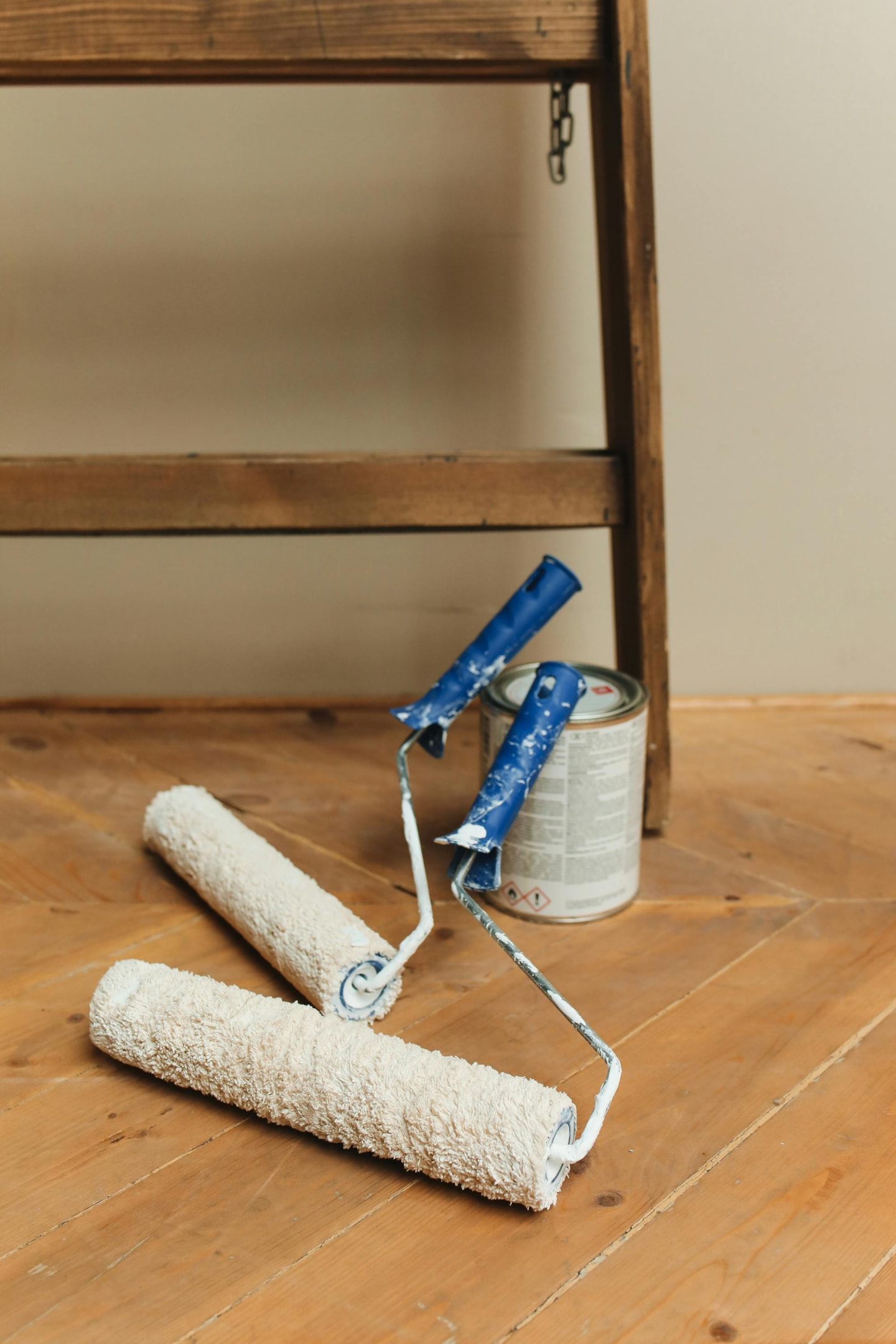
Sometimes the urge to shop comes from a desire for change in our surroundings. One way to experience change is to purchase new home decor, but that’s not our thing right now. Instead, you could pick up some old furniture and have a fun time flipping it. That gives you a productive and engaging activity to keep you busy, and it lets you create something new for your home for a little visual shakeup.
You don’t even have to bring in a new piece–choose something you already own and create something new.
Get really into working out.
When someone has a habit that acts as a crutch (substances, shopping, etc.), and they try to break that habit, they often end up “obsessing” over something else. And for many people, that’s working out. Maybe it’s time to join #swolenation
You can support local business by attending a smaller gym. You can even have a little shopping opportunity when you choose the best protein powder.
Getting fit involves physical labor, mental labor, leaving the house, meeting new people, thinking about your diet to make sure you’re getting the required nutrients for the additional energy expenditure…
What I’m saying is there are many aspects involved with getting ripped, which will take your mind off shopping. Plus, you’ll get ripped. 🙂
Declutter your house.
Decluttering–just like shopping and rearranging furniture–is a great source of dopamine. It makes your space feel new, brings a feeling of accomplishment, then–best of all–allows you to live in a clutter-free space! It’s liberating!
Not sure where to start? We’ve got a free checklist of 100 easy items to declutter TODAY:
How to start a no buy challenge.
This blog post is a strong start! Follow the instructions listed, then consider getting some friends in on it with you. Your immediate social group’s involvement can make it much easier to follow the rules. If no one in your life is interested, find some online spaces for encouragement and support from people with the same goals.
Up next, learn how to hone your No Buy List–what is and isn’t allowed, special exceptions, and how your life will change. Mastering Your No Buy List: What’s actually essential?
Happy not shopping!

One idea is to invite new people, neighbors over- everyone bring a favorite canned food and make a hodgepodge veggie soup. It may not taste good but might spark some more ideas.
Also get off catalog mailing lists…or pick an item from catalog and enjoy doing your own version by shopping your own stuff at home.
Lastly if you love buying and growing plants, buy one and divide it or split ones you already have to make more plants, share them with neighbors or at local library. Out library has a seed exchange. Read articles about growing your own veggies from ones in your fridge veggie bin. You know the sprouting onion or garlic? Or potatoes? It’s a challenge and creative fun. And learning.
Love these ideas! Thank you for sharing!
The canned food suggestion reminds me of Kit from the American Girl book with the communal stew. 🥹🥹
Definitely thinking about this. I will approach it on a monthly basis. I definitely need to pull back the reigns by using what I have at home first, in my pantry, and in my closet I have extras of everything I need. Using substitutes for my kitchen items will help so I’ll be creative. Thanks for the post.
I have made up my mind that I will have as little debt by the end of the year 2025. So I am challenging myself to not buy anything other than food. I have enough lotions and potions that I already have,as well as too many items in my house. I am convincing myself that I will be successful in this challenge.
You will be!!!
I did it and was able to pay off my mortgage and retire early.
One day at a time. You already conquered the hardest part.
Making up your mind to do it.
I really like the idea of treating a no-buy year as a reset, not a punishment. One thing I’ve learned is that many purchases start from the habit of browsing, not from a real need.
A useful trick is to create a “fake cart” pause: add the item, imagine checking out, but spend $0 and wait before deciding. It helps separate the shopping urge from the actual purchase.
This kind of challenge is a good reminder that we often already have enough. Thanks for sharing this guide.
The part about planning for slip-ups is really helpful. A no-buy year feels more realistic when people know how to reset instead of giving up after one mistake. It makes the challenge feel more sustainable.