

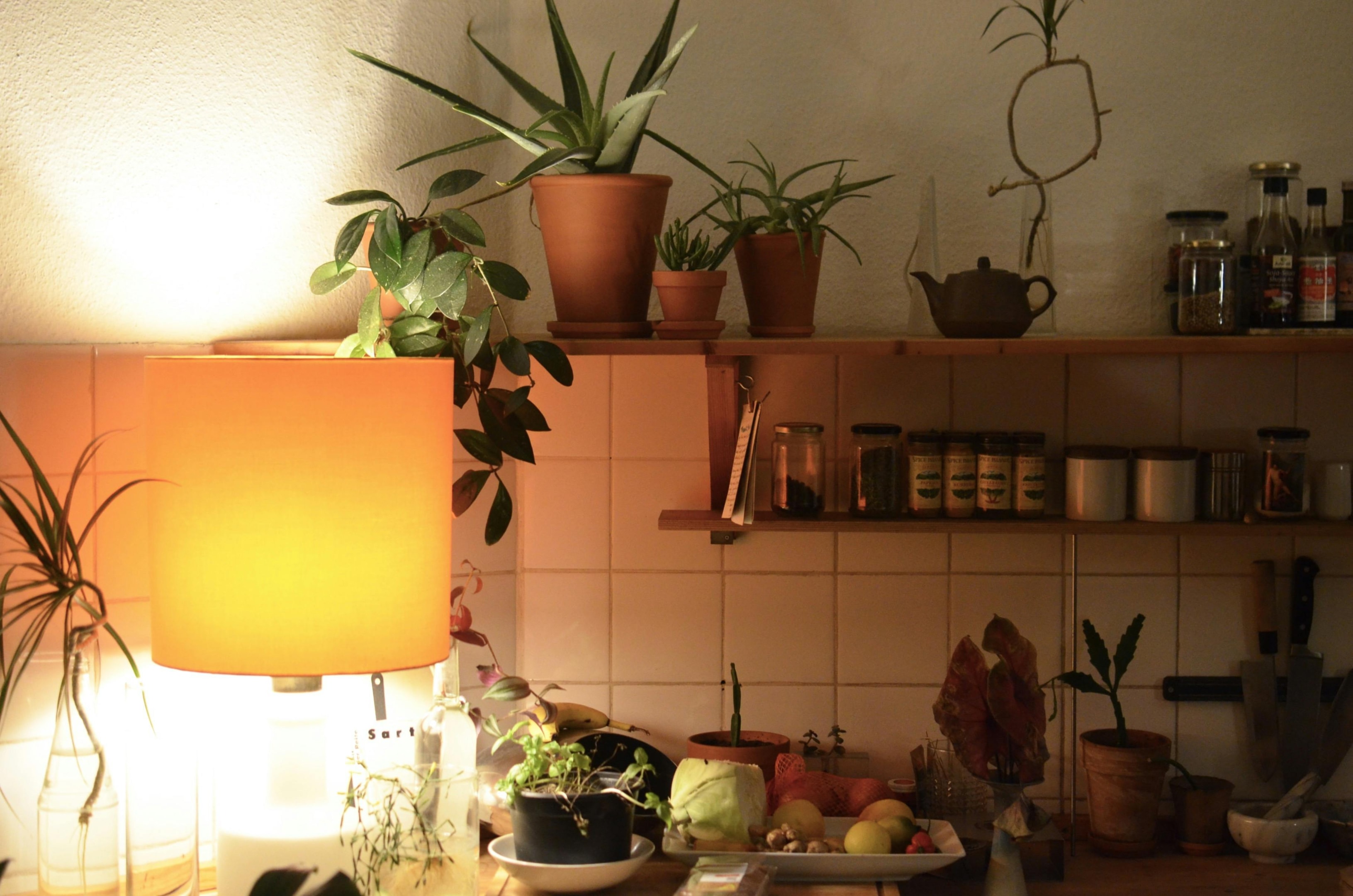
Americans waste around $473 BILLION in food each year. Food waste makes up 24% of landfills, contributing to greenhouse gas emissions that damage our planet’s environment.
More than 80% of that food waste is due to misunderstanding expiration labels and other small instances of ignorance.
So… sounds like a big problem with relatively easy solutions, right?
I agree! It just takes a little bit of thoughtfulness to turn a wasteful kitchen into a more functional, affordable, and intentional operation. Let’s get into how taking care of your food waste can benefit the environment, your finances, and your day-to-day living experience.
DISCLAIMER: Potentially ignore everything I’m about to say in this article.
I know we’d all love to reduce our waste production and be more mindful with our existence, BUT…
Not everyone can do everything I’m about to suggest. Not everyone can do even one of the things I’m about to suggest.
There’s a balance to be struck between managing your own stress and doing the “right thing” for the environment.
If you try to implement these tips and just end up with piles of garbage that you don’t do anything with, a freezer stuffed with food scraps that you never use or compost, or anything else that adds to your daily stress–don’t do it!
This is not worth your sanity.
Okay, that said, let’s talk!
How to reduce food waste.
There are many entry points to food waste reduction. I recommend you choose one particular strategy or type of waste to target first, then incrementally grow those efforts.
Trying to change everything at once becomes overwhelming, making those good habits difficult to maintain. So start small, give yourself some grace, and let’s get creative!

Step one: Shop smart.
The first place we can interrupt kitchen waste is in the buying itself. There are many ways to reduce waste right from the jump, including controlling how much food you buy.
Meal planning.
Meal planning prevents over-buying, helps you to eat up your groceries before they spoil, and contributes to an overall healthier diet and lifestyle.
Meal planning can be simple or complicated. You might prepare everything in single-serving containers for your entire week, or you might try some of these simpler strategies.
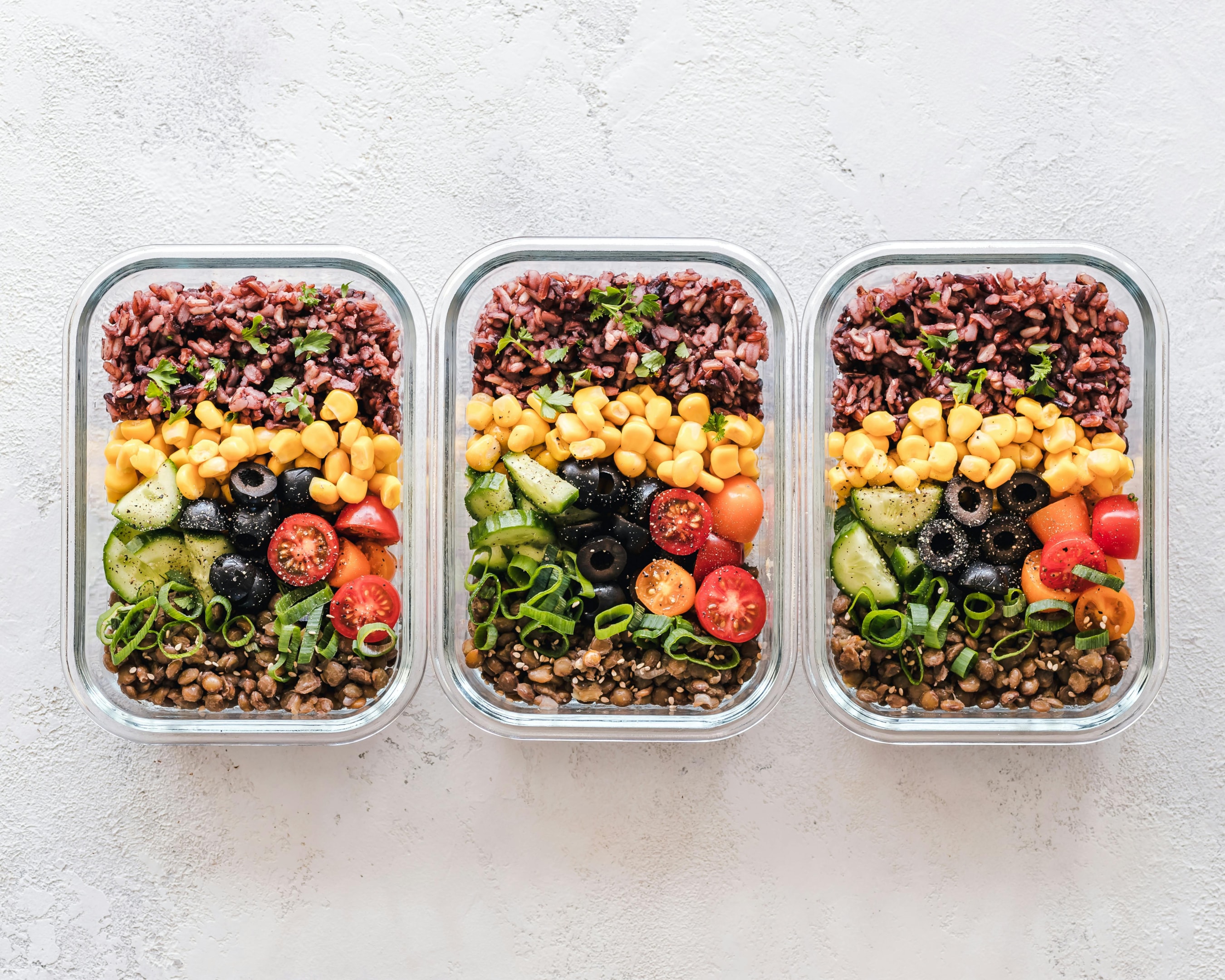
Prepare a large salad. In one big bowl, you can combine rinsed greens, carrots, cucumbers, beans, tomatoes, and whatever veggies you prefer. Keep this in your fridge to eat throughout the week. For extra tastiness and variety, you can cook a protein separately each day–this can be opening a can of tuna or grilling up some chicken. Having most of the prep work done helps you to consume the veggies before they turn.
Chop some vegetables. I like to keep a bowl of prepped cooking veggies for the week, because I tend to cook every day. This can be things like onions, garlic, celery, peppers, and whatever vegetables you like to toss in with any meal. Again, this little step to make things easier will make you more likely to finish the groceries before they spoil.
The pasta bowl. This is similar to the salad–prep a pasta (preferably one you enjoy eating cold for less maintenance) in a large container to scoop from throughout the week. If you’d like, change up the protein each time, or add one in.
The fridge soup. The lowest maintenance option (in my opinion) is to set a day to go through your fridge and remove anything that is going bad soon. Chop it up, toss it in a pot, and enjoy a freestyle soup!
Storage.
You can greatly extend the lifespan of your groceries with proper storage techniques for that particular kind of food.
Berries. Unwashed, single layer, covered loosely.
Mushrooms. Paper bag or container with ventilation.
Meat. Bottom shelf (to prevent drips), original packaging or airtight container.
Leafy greens. Wash, dry thoroughly, wrap in paper towels, and store in a sealed container.
Fresh herbs. Stems in water like cut flowers, covered with a plastic bag.
Bananas. On a hook or stand, away from other fruit. Rinse the stems (be sure to get underneath) to avoid fruit flies. They often lay eggs here.
Onions. Cool, dark, ventilated space.
Potatoes. Dark, cool space (not near the onions).
Garlic. Ventilated container in a dark space.
Tomatoes. Room temperature, away from direct sunlight.
Cheese. In fridge, wrapped in wax or cheese paper, then loosely wrapped in plastic.
Milk. Back of fridge for a more consistent temperature.
Grab your free printable list to keep on the fridge:
Storage containers
For airtight storage, I recommend something like these Rubbermaid containers. The sealed lids clip closed for a secure hold. I’ve had bowls like this full of liquid topple over in the freezer with no dramatic consequences.
How To Organize a Pantry Like a Pro
Expiration dates vs “best by” dates.
A “best by” date indicates when a food is expected to be at its peak quality, meaning it’s probably still safe to eat after that date.
An expiration date indicates when that food is considered unsafe to consume.
So “best by” is about quality, while “expiration” is about safety.
A note about expiration dates–companies have a few incentives to be overly strict with their expiration dates. For one, they’ll want to be overly cautious in the case of legal liability. For another, they directly benefit from you throwing things out earlier than necessary, so you can buy a replacement.
I’m not saying choke down expired food, I’m just saying that even expiration dates can be taken with a grain of salt. If you’ve volunteered at a food bank, you’ll know they usually have rules for when “expired” means expired. For some types of food, they’ll keep using it years after the date on the can.
If it is properly stored, within a reasonable distance of the expiration date, and passes the sniff test, I’ll probably still eat it.
But if you’d like to play it a bit safer, just remember that “best by” does NOT mean “bad by”.
Step two: Use every part of the bison.
Now let’s talk about using more of our food. You can find ways to purpose the unused parts of produce and animal material, as well as foods that are past the eat-it-raw phase. Let’s look at some strategies for utilizing food scraps.
Stale bread and heels.
If you’ve got bread that’s stale but not moldy, here are some ideas.
First off, do you like toast? Toast that guy up, and you won’t even know it was stale.
If it’s too dried out even for toasting to save it, here’s what’s next:
Croutons. Stale bread makes for great croutons. Cube it up, toss in oil or butter, season with your favs, and bake them in a single layer at 350 degrees F for 15 minutes. Voila, it is croutoned.
Bread crumbs. Grind the bread in a food processor and bake at 300 degrees F in a single layer for 10 minutes. Stir it around and bake until toasted and dried. Voila, it is crumbed.
Pain perdu (aka french toast). My favorite solush for old bread (or “lost bread”) is the Cajun strategy. Dip your slices in an egg, milk, vanilla, cinnamon, and sugar mixture before pan frying in some butter. Serve up with berries and honey!
Veggie scraps.
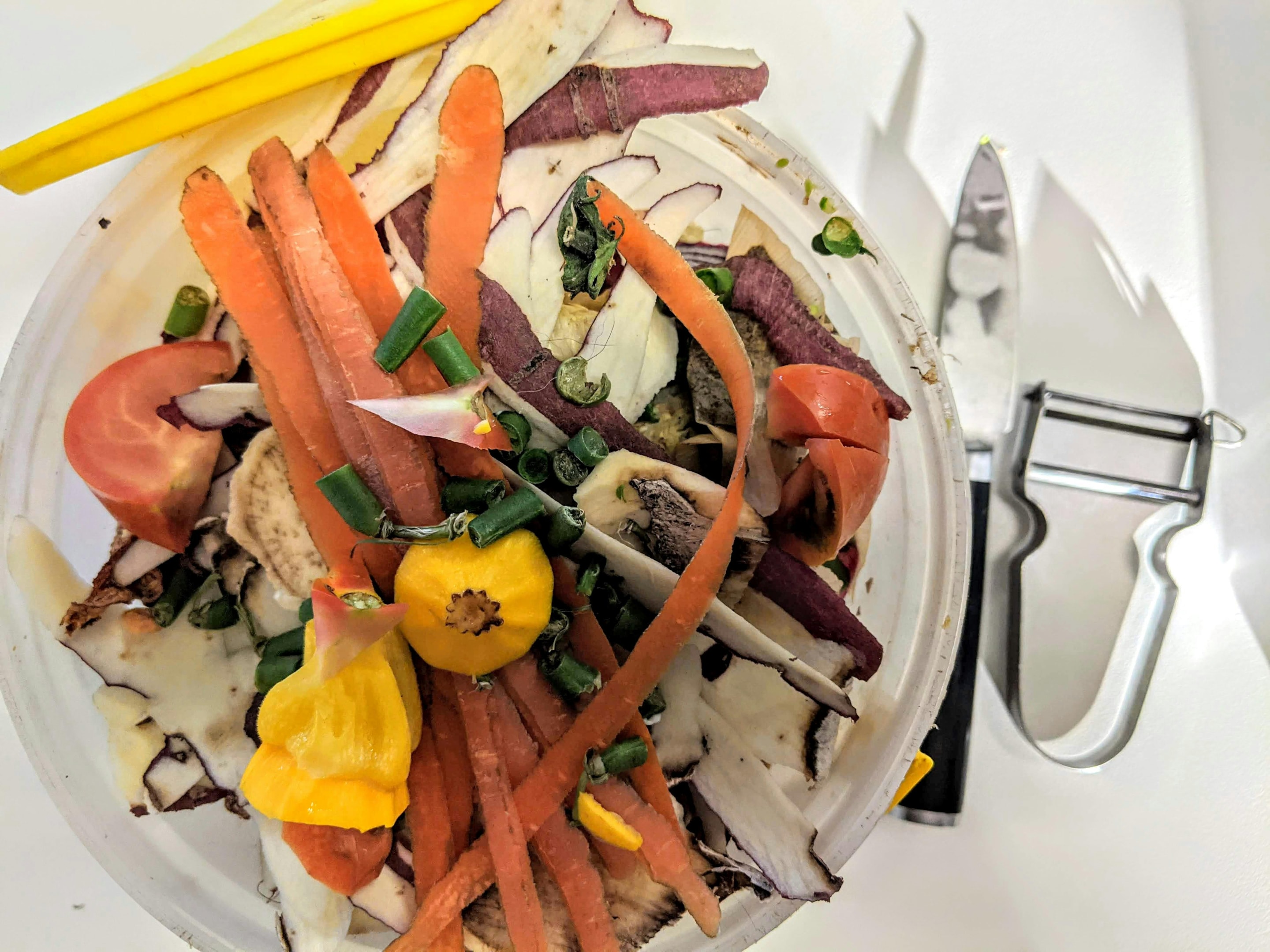
Veggie scraps are very versatile. You can make compost tea for plants, vegetable chips for snacking, and delicious broth.
I like to save up my scraps for broth. Peelings and bits from onions, garlic, carrots, and peppers go in a bag in my freezer until I’ve built up enough to toss in a pot with herbs and soy sauce to cook down into a tasty broth for soup, stew, gumbo, jambalaya, and anything else I cook in the Big Pot.
Sometimes I’ll reduce it down until I have a dense liquid to pour into an ice tray–when I’m ready to cook, I add a few cubes and dilute with water. This saves me a ton of freezer space.
Bones and meat.
For bones, meat scraps, and meats suffering freezer burn, here’s what you can do.
Broth again! Bones are excellent for broth–and quite a good source of collagen. I have a separate bag in my freezer for meat scraps and bones, and I’ll toss those in with the vegetable scraps for a more complex broth profile.
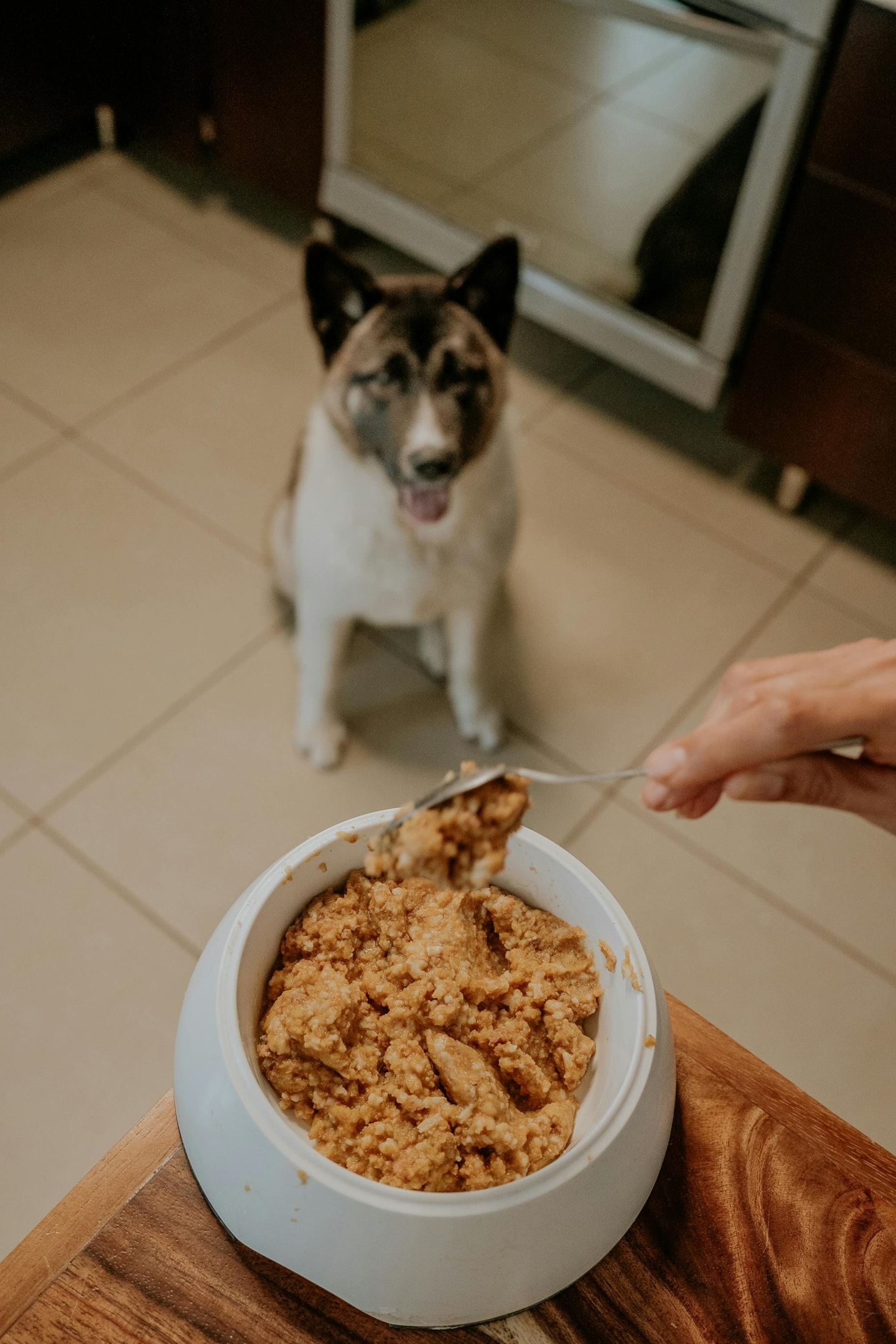
Another idea is dog food. Dogs absolutely do not mind a little freezer burn, so if the meat is past where you’re willing to eat it, cook it up for your pup!
Fruit peels.
My favorite use for fruit peels and extra herbs is vinegar infusions. All I do is stuff a container full of whatever I have (orange peels, lavender twigs, etc.), cover with white vinegar, then let it sit in a dark place for a few weeks.
Then I strain it into another container, half it with water, and I’ve got a lovely smelling cleaning spray.
I’ll also make oils with it. Simply cover the contents of a jar with an oil (I usually use olive oil) and set it in a window for two weeks. I love to make rosemary oil for hair masks this way.
Wilted produce revival.
If you think that limp lettuce is totally done for, think again! If you see no signs of mold, drop that guy in a bowl of ice water and let it soak for twenty minutes. The colder the water, the better.
Afterward, pat it dry and enjoy your crispy lettuce!
For stalk vegetables, trim the ends and place them in a jar of water to revive.
Step three: The Art of Preservation
The next phase is learning to preserve items so we get the most out of them.
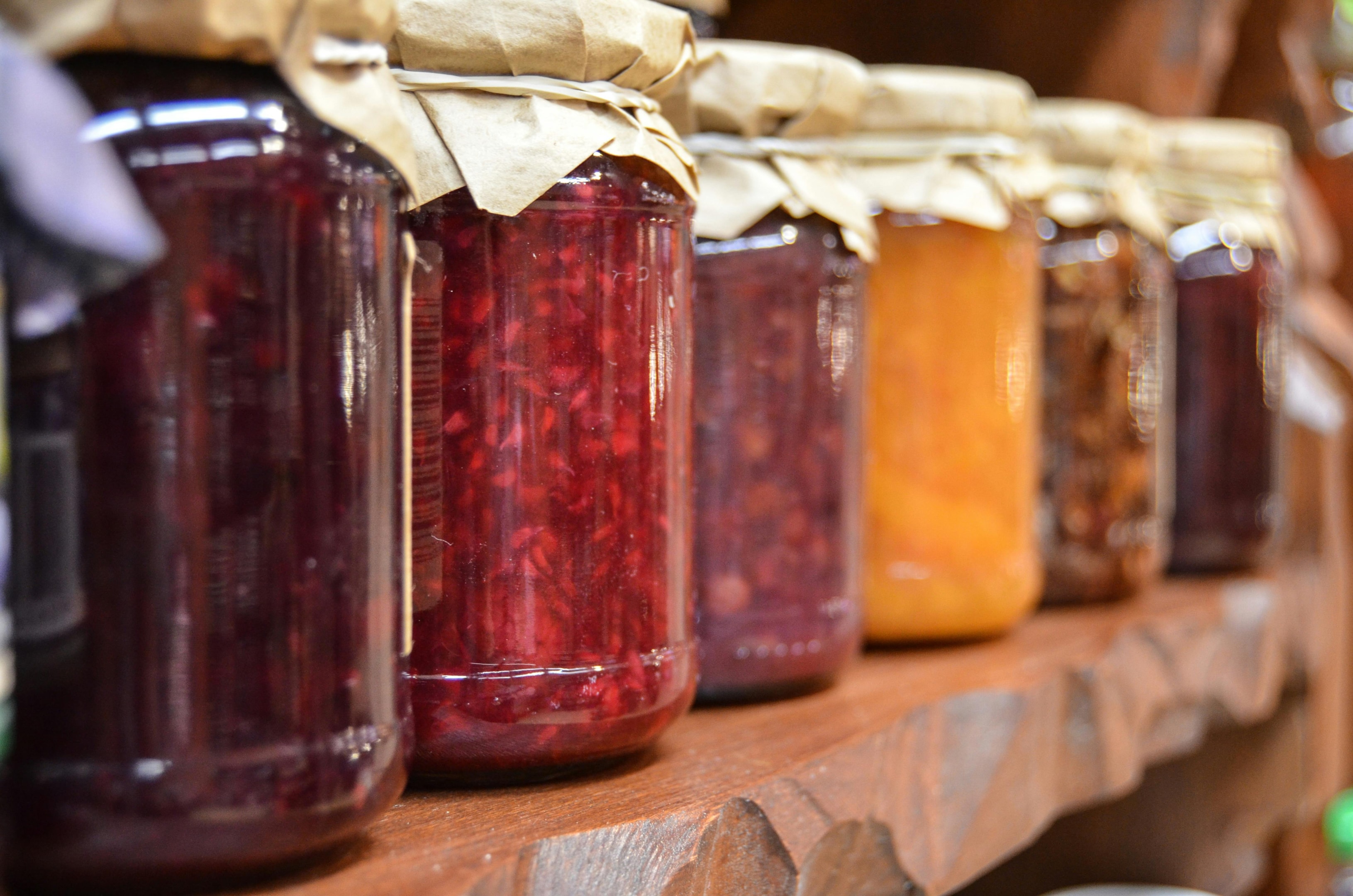
Freezing guidelines.
Freeze at peak freshness. Always freeze food when it’s fresh. Freezing won’t improve quality but will preserve it.
Cool before freezing. Let cooked foods cool to room temperature (no longer than 2 hours) before freezing to prevent ice crystals.
Use proper containers. Use freezer-safe, airtight containers, bags, or wraps to prevent freezer burn and taste transfer.
Leave headspace. For liquids, leave about 1 inch of space to allow for expansion.
Label everything. Write the date and contents on the packaging to keep track of how long it has been in the freezer.
Blanche. Blanching veggies before freezing helps them to retain their color, flavor, and nutrients. After preparing and chopping your vegetables, drop in boiling water for 1-2 minutes, immediately transfer to ice water to halt cooking, then dry and single layer them on a tray to freeze for at least two hours. Store in freezer safe bag or container.
Simple pickling.
Simple pickling is very…well, simple. You can do it as a total beginner with things you probably already have in your house.
Keep in mind that this isn’t what you probably think of with Traditional Pickling–these goods won’t stay edible on your shelf for ten years. This method is a good way to extend the life of your produce in the fridge for a couple of months, plus it can improve your gut biome!
Here’s how.
Ingredients
- 1 cup vinegar (white, apple cider, or rice vinegar)
- 1 cup water
- 1–2 tbsp salt (non-iodized, like pickling or kosher salt)
- 1 tbsp sugar (optional, for balance)
- Vegetables (e.g., cucumbers, carrots, radishes, onions, green beans)
- Optional spices (garlic, dill, mustard seeds, peppercorns, chili flakes, etc.)
Equipment
- Clean jars with lids
- Saucepan
Instructions
Prepare vegetables. Wash and slice vegetables into desired shapes (e.g., spears, rounds, or whole if small).
Make brine. In a saucepan, combine vinegar, water, salt, and sugar. Heat until the salt and sugar dissolve, then remove from heat.
Pack jars. Tightly pack vegetables into clean jars. Add optional spices and herbs for flavor.
Pour brine. Pour the hot brine over the vegetables, ensuring they’re fully submerged. Leave a small space at the top of the jar (about ½ inch).
Seal and store. Secure the lids tightly. Let cool to room temperature before refrigerating.
Wait and enjoy. Let pickles sit in the fridge for at least 24 hours before eating. Flavors deepen over a few days. Store in the fridge for up to 2 months.
Dehydrating fruits and vegetables.
Dehydrating fruits and vegetables means removing most of their moisture content by exposing them to low heat and good air circulation, resulting in a dried product. You may choose to dehydrate produce for longer shelf life, nutrient concentration, flavor enhancement, and/or portability. Here’s your basic guide.
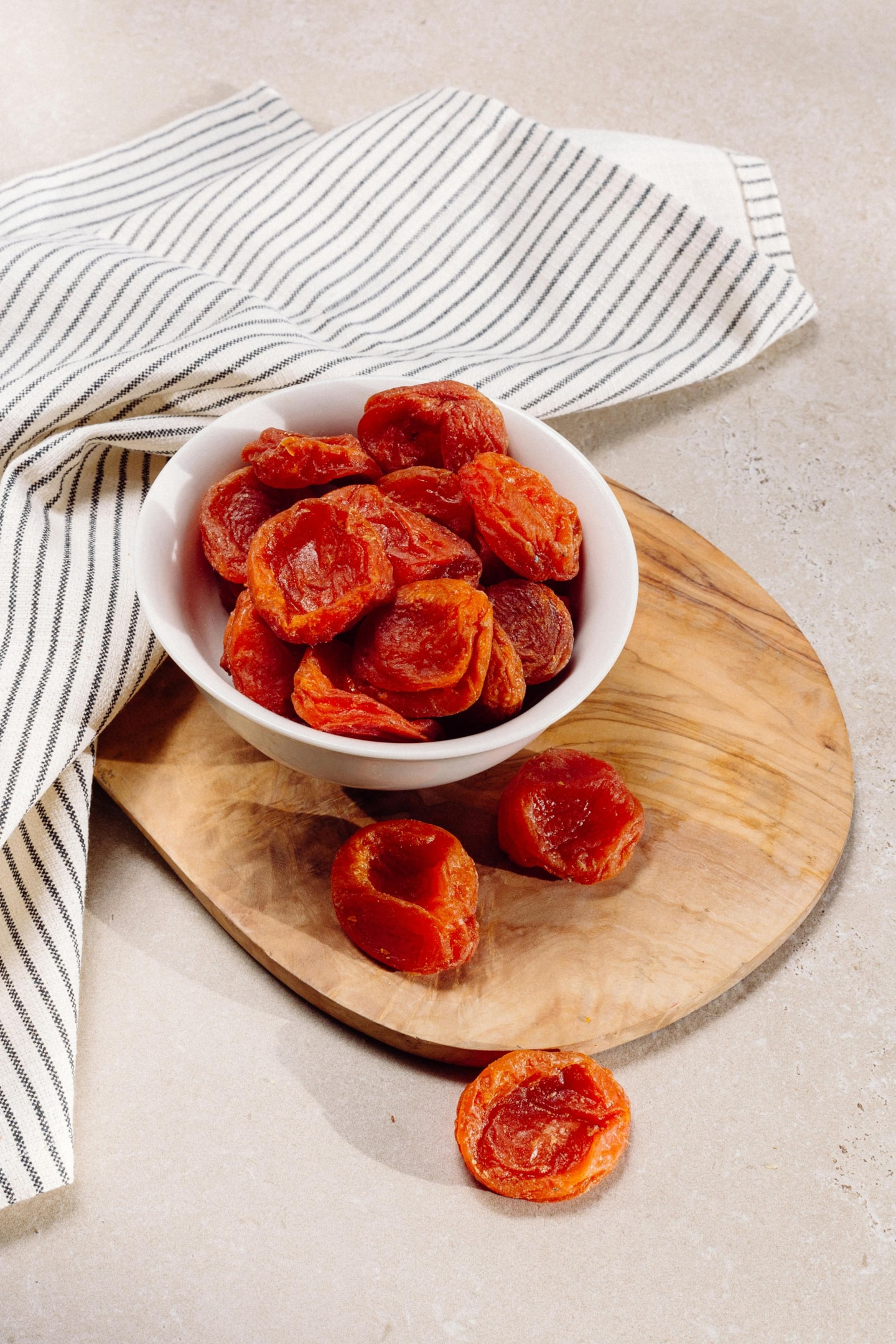
Preparation. Wash and slice fruits and vegetables into thin, even pieces, depending on the desired texture; some fruits may benefit from a pre-treatment like a citrus juice soak to preserve color.
Dehydrator settings. Adjust the temperature based on the food type, typically between 135°F – 145°F (57°C – 62°C).
Placement. Arrange slices on dehydrator trays in a single layer, ensuring they don’t overlap to allow for proper air circulation.
Drying time. Drying time will vary depending on the food type and thickness of slices, but can range from several hours to a full day.
Checking for doneness. Test for dryness by squeezing a piece; it should be leathery and not release any significant moisture.
So what should you be dehydrating? Here are some common fruits and veggies people like to dehydrate.
Fruits: Apples, bananas, berries, cherries, grapes, mangoes, papayas, peaches, pears, pineapple.
Vegetables: Bell peppers, carrots, celery, mushrooms, onions, zucchinis, tomatoes, sweet potatoes.
You can get goofy and dehydrate even more stuff. When I was younger, my mom would use her dehydrator on marshmallows, and I ate them like jerky.
Herb preservation.
To keep herbs fresh, place them upright in the fridge in a container of water. You can add a little lemon juice and cover the top in a plastic bag for extra longevity. (The lemon juice prevents bacteria growth.)
To dry herbs, tie them into bundles and hang to dry in a well-ventilated, low humidity place. Then store in airtight containers in a cool, dry, dark place.
They can keep their color and flavor for about a year in the freezer.
Speaking of the freezer, another option for preserving herbs is to chop them and freeze them in ice trays. Some people like to freeze them with oil for an easy cooking hack.
Step four: Composting Basics
Composting is the process of recycling organic materials, like food scraps, yard waste, and other biodegradable items, into a nutrient-rich material. This material can be used to enrich soil, support plant growth, and reduce waste sent to landfills.
If you’re not a gardener, you can still compost! Just chuck it out into your yard when you’re done to support the growth of native plants.
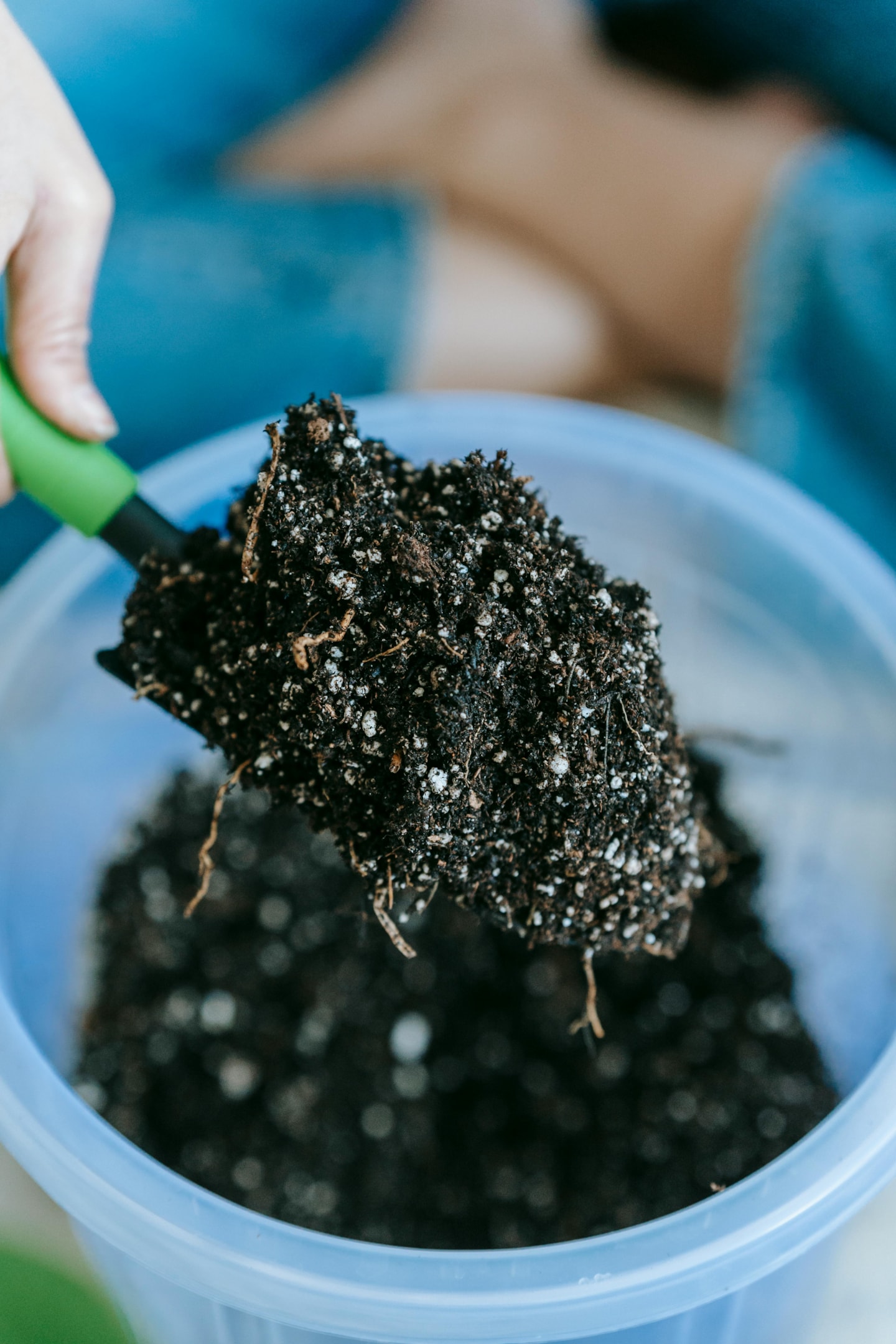
Composting methods.
Backyard Composting: Using a bin or pile to compost kitchen scraps and yard waste at home.
Vermicomposting: Using worms (usually red wigglers) to break down food waste, creating nutrient-rich worm castings.
Industrial Composting: Large-scale facilities process food and yard waste, often able to handle items that aren’t suitable for home composting, like compostable plastics.
What can and can’t be composted.
Composting can be a delicate balance–you want to mix green waste (watery materials like vegetables and grass cuttings) with brown waste, like dried leaves, sticks, and compostable paper.
DO compost:
- fruit and vegetable scraps
- coffee grounds and filters
- tea bags without staples
- egg shells
- nut shells
- fruit pits
DON’T compost:
- pet waste (rabbit poop is a different story)
- inorganic materials
- glossy paper
- diseased plants (the disease could spread to other plants)
- dairy and animal products
- oils and fats
- onions and garlic (they can repel earthworms, which we want to keep around!)
- treated wood
- coal ash
- yard trimmings that have been treated with pesticides or herbicides
Apartment-friendly composting.
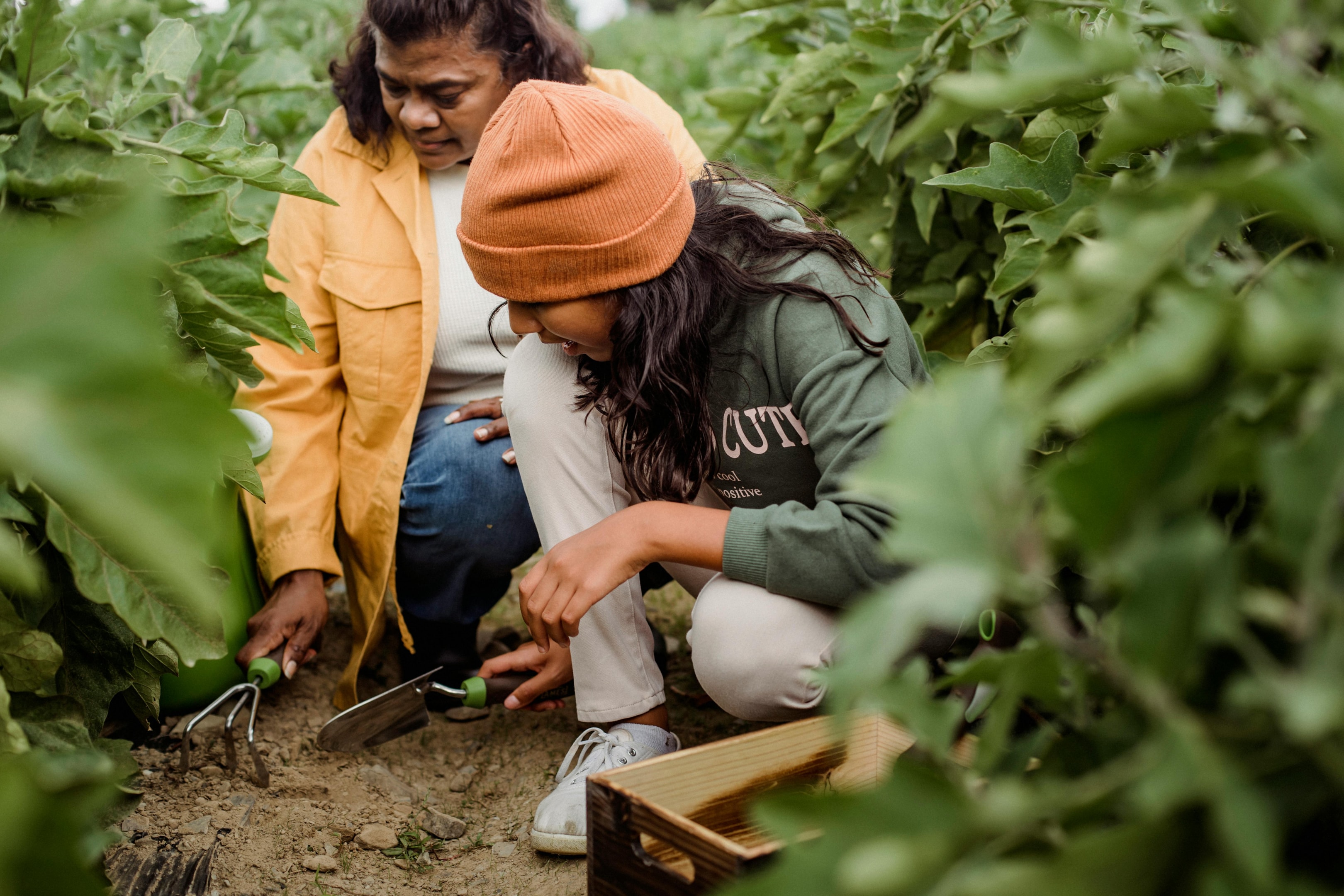
If you live in an apartment or otherwise limited space, you’re not ruled out of the composting game.
Electric composters. Some small appliances can dehydrate and grind food scraps into soil-like material in hours!
This is your most costly option, as it requires the purchase of a machine like this Advwin Electric Composter:

All you do is add scraps, press a button, and wait. This method is fast, easy, and results in no odor. The drawbacks are that it is a bit expensive and uses electricity.
Countertop composting. This is a more affordable method of collecting scraps in a countertop bin and sending them to a community composting program.
Use a compost bin with a carbon filter to prevent smells, then partner with a local compost drop-off service, farmer’s market, or municipal program.
This is low maintenance and allows you to avoid the experience of decomposition in your apartment.
The drawback is it requires access to a drop-off site. But the act of locating one is a way to get more involved in your local community, which is always a plus.
Community or balcony composting. For this method, use a small composting bin on a balcony or participate in a shared composting system.
All you need is a compact bin for aerobic composting (requires aeration and turning), and to join a shared composting site or community garden with compost bins. This is a little more direct than the countertop composting method, allowing you to collaborate directly with close neighbors.
This has a larger capacity than if you used one of the in-apartment techniques, but it does require community access that isn’t universally available for everyone.
For small-space composting outdoors, a great option are containers that you can rotate with a crank. With these, you don’t need multiple bins, you don’t have to pull out a shovel to rotate your compost, and it’s in a sealed container to dissuade pests and odors.

Step five: Regrowing from Scraps
We can get so anti-waste that we actually create more food!
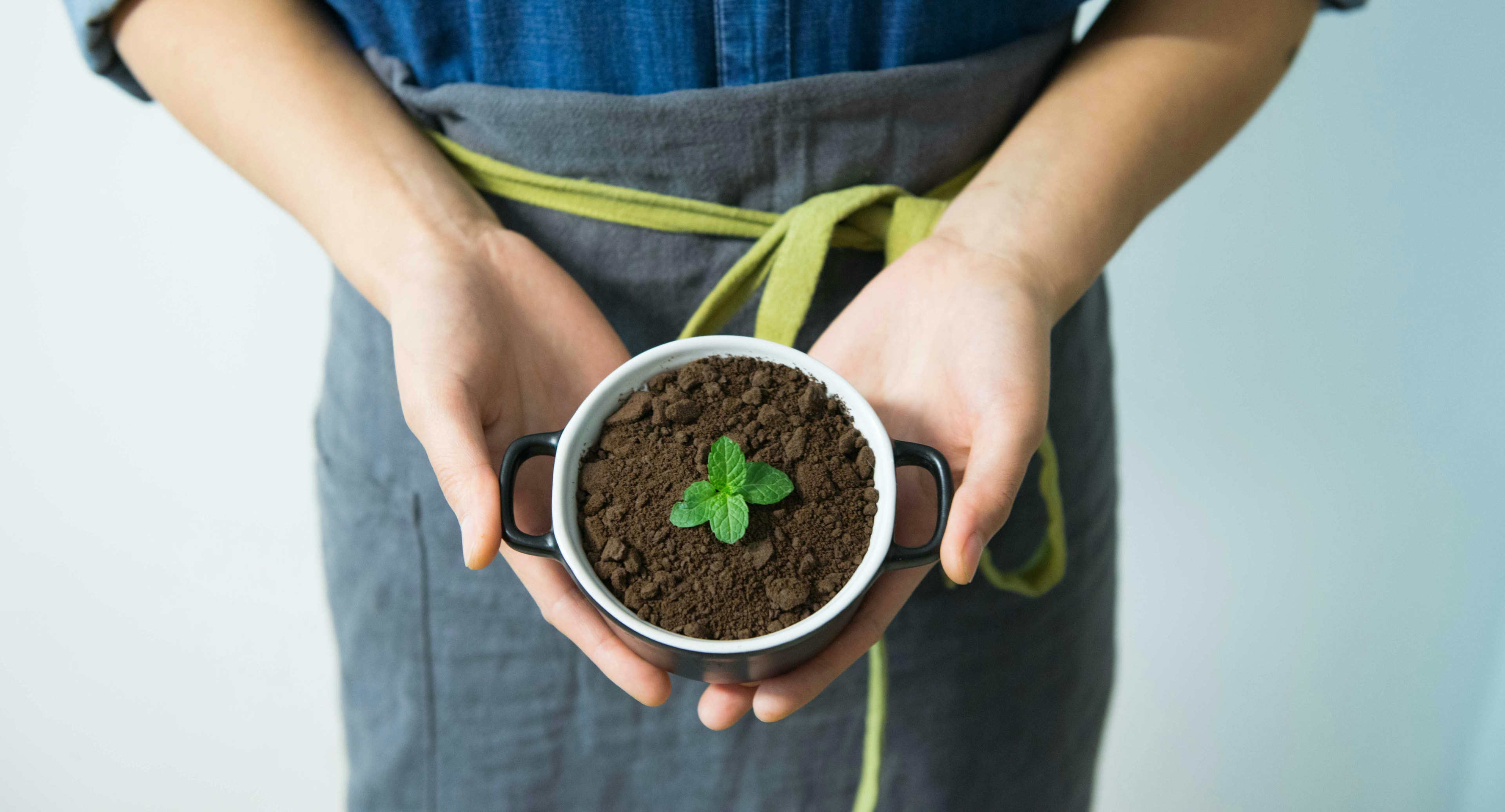
Many things can be regrown right in your kitchen. Let’s talk about how.
Easy vegetables to regrow.
Some of the easiest peasiest veggies to regrow from scraps are:
- celery
- garlic
- green onions
- herbs
- lettuce
- ginger
- potatoes
- carrots (for the greens)
- onions
- leeks
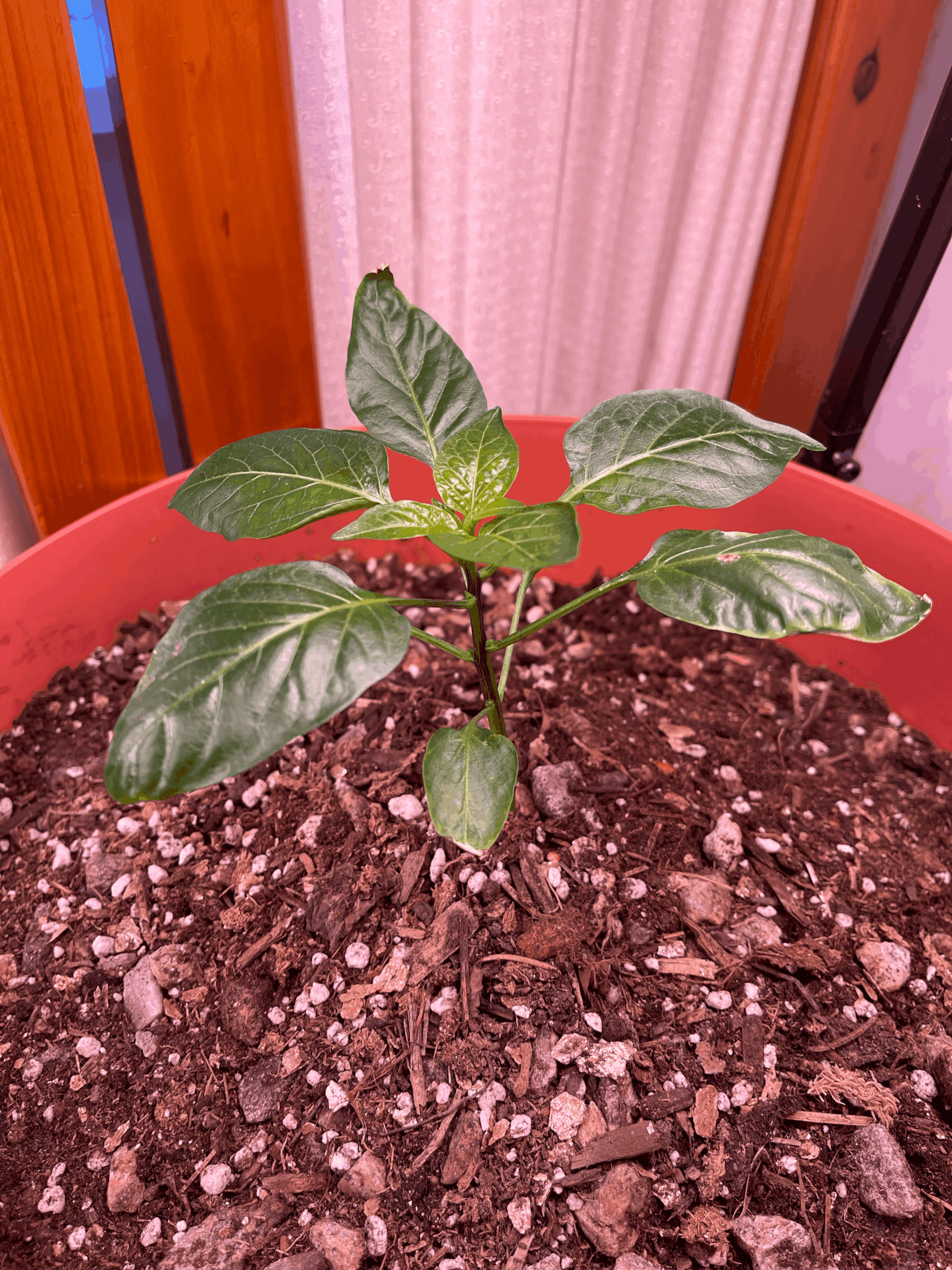
You can even harvest seeds and grow fully new plants! Here’s a baby bell pepper I’m currently growing from a seed I took from a store-bought pepper:
Basic growing instructions.
For vegetables with roots (like green onions), simply plant the root in potting soil in a sunny window and keep it watered.
For stalk vegetables (like celery), cut two inches from the bottom of the bunch and put it in a shallow container of water. The plant will grow here for a week or two, then you can transfer it to soil.
For most types of lettuce, you leave (ha) a couple inches of the base and drop it in shallow water. New leaves will grow from the center.
Every garlic clove can give you an entire garlic bulb! Just plant individual cloves in your garden in the fall with the tapered end point up, then enjoy a ginormous garlic harvest in the summer.
Garlic tip: You’ll know they’re ready to harvest when the greens turn yellow and fall off.
Extra garlic tip: Use the greens for pesto!

Step six: Advanced Techniques
We can go even further once we’ve nailed the basic techniques of food waste reduction. Fermentation, making natural cleaning products and DIY plant fertilizers, or even trying to make food scrap crafts!
But I’m getting a little long-winded here, so let’s just talk about my two favorite advanced techniques.
Chickens.
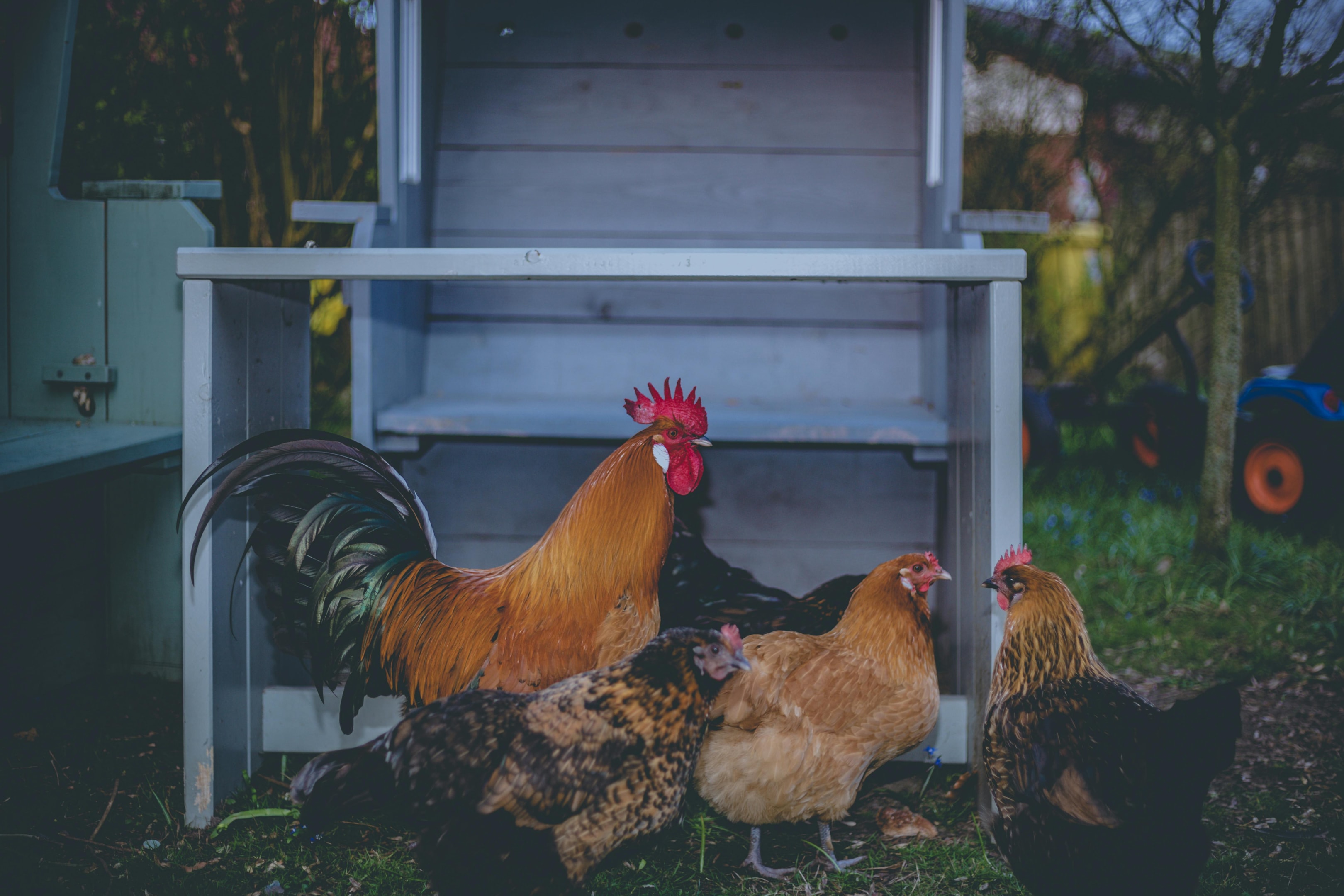
Backyard chickens are incredible little garbage disposals that turn your trash into a new food source. They’re relatively easy to raise, especially if you’ve got someone at home for most of the day.
I have a small flock of chickens myself, and they’re charming little pals who really help out with my daily kitchen functions!
Some towns in Belgium experimented with backyard chickens as a solution to food waste in 2010. In Limburg, the town gave three chickens to 2,000 households. Reports show that organic waste was cut in HALF, not even taking into account that the families also received a supply of free eggs. And love.
Minimalism.
To me, minimalism is the start of all things to do with intentional and simple living. Reducing food waste can be considered minimalist. It requires being mindful, determining your necessities, and making full use of what you already have.
To start your minimalism journey, I recommend you begin with a declutter! Here’s a full guide you can read now all about decluttering your house.
Wasting less water in the kitchen.
One great way I’ve found to repurpose water is to keep a container in my kitchen sink. If I have to run the water for a second (to wait for it to get hot, for example), or if I’m rinsing off something non-toxic, I’ll let it pour into my container.
That water runoff keeps my indoor and outdoor plants plenty happy, with water that would have just gone down the drain!
Note: Try to empty your water container daily to avoid bacteria growth. If you have outdoor plants, you’ll have no trouble finding somewhere to dump it.

How to be less wasteful in the kitchen.
Just start small! Don’t try to do everything at once. Make incremental changes, perhaps focusing on one type of waste at a time, or with one habit (like meal planning).
Let’s get started. Here’s a free printable to keep on your fridge so you’ll never forget the most effective way to store your groceries for the longest life possible. Let’s reduce food waste together!
