

Ah, the simple life. Most of us crave it, but not many actually accomplish it.
Because simplicity can be hard to achieve! Work, family, biological requirements, material goods, wealth, keeping up appearances–all of these things we care about, or are “supposed” to care about, can take a toll on our mental health, eat up our free time, and make us miss out on the best parts of life.
If living simply feels out of reach for you, maybe you’re conceptualizing it more complicatedly than you need to. We don’t have to flee to the woods and cut ourselves off from civilization and live off the land to achieve simplicity.
I mean, that would be nice…

But let’s get practical about it.
How to simplify your life.
If you’re ready to live simpler, here are thirteen practical steps to simplifying your life, from your home, to your budget, to your mental clutter, to having more energy for the things that matter.
1. Solidify the basics
When people think of strategies to make themselves happy, they’ve already shot themselves in the foot.
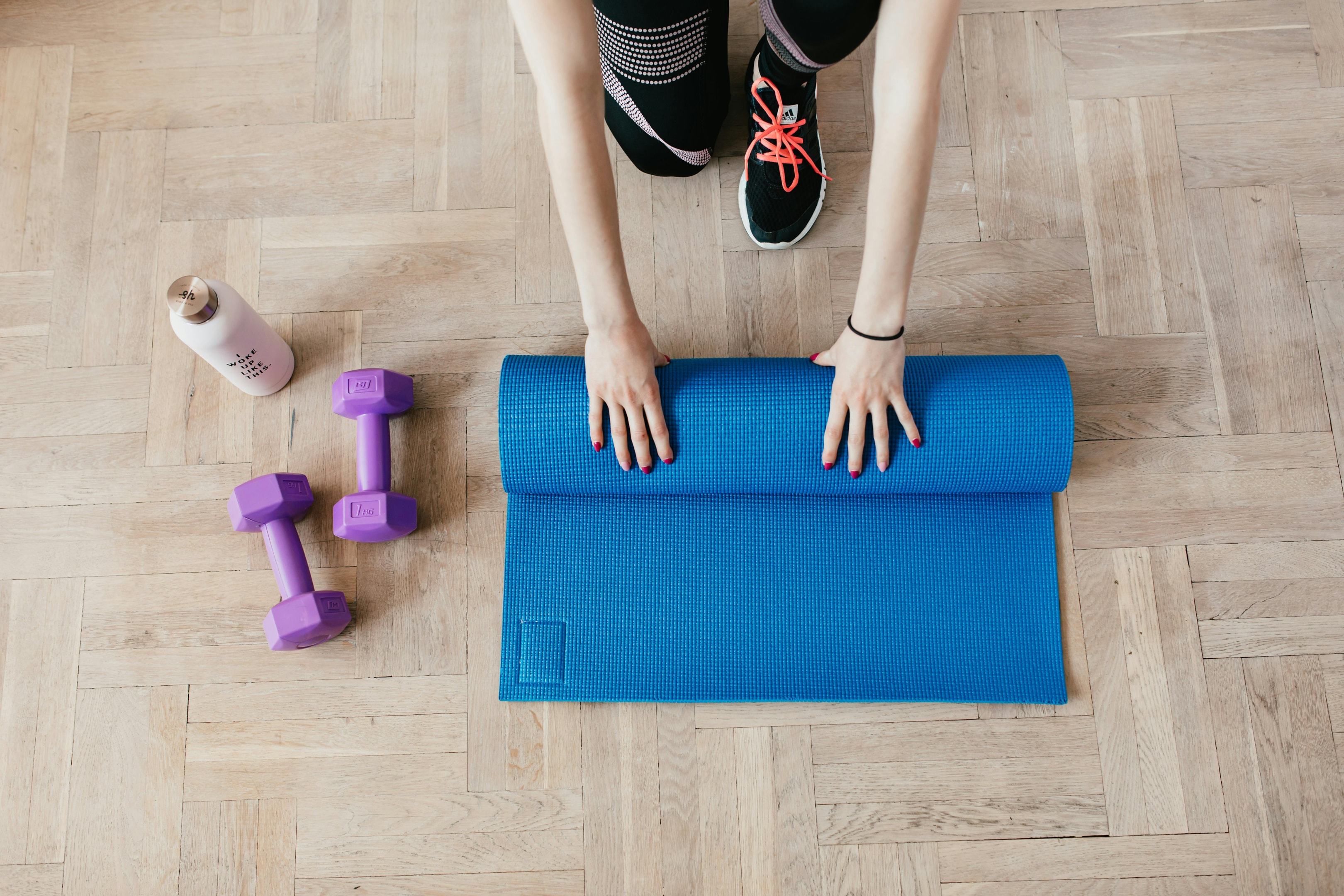
Pursuing happiness, specifically, usually just stresses us out. Instead, we can focus on doing the things that we KNOW contribute to happiness. The basic, boring stuff–eat well, move more, get some sunshine, socialize regularly, sleep enough.
So step one of life simplification is to ensure you’re meeting all of your basic physiological and psychological needs. It’s Maslow’s Hierarchy.
I recommend starting with one category at a time. Your to do list might look like this:
- Maintain hydration (drink enough water, but also consider electrolytes)
- Sleep enough (the ideal amount of sleep varies person-to-person, so do a little research and learn to listen to your own body)
- Add a serving of veggies to every meal
- Take a daily walk
- Incorporate a daily stretching routine
And so on! But trying to implement all of these changes at once will likely just frustrate and overwhelm you, so focus on one area at a time until it’s a solidified habit, then build upon it.
Check out this wonderful post on habit stacking to learn more specific strategies on implementing new habits.
2. Automate
Think about your daily tasks, your work load, your chore list, etc., and see where you might be able to automate or simplify that process.
Putting in the time to set things up for yourself can save you a LOT of time in the long run and give you fewer things you have to keep up with.
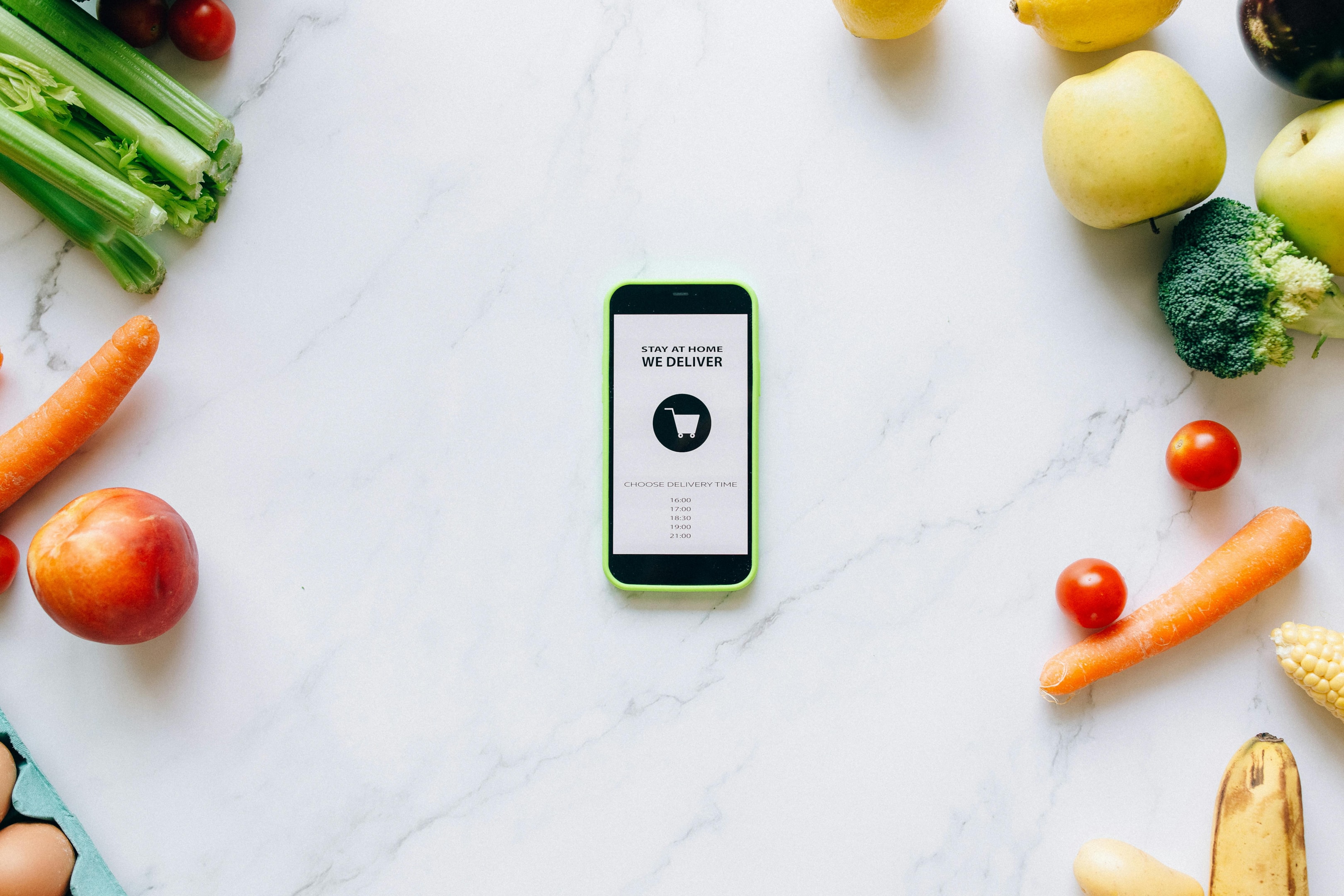
For example, if grocery shopping stresses you out and takes too much time out of your day, you might try shopping on your favorite store’s app, then scheduling for pick-up or delivery.
This saves you the trouble of going into a crowded store, and you’ll have a convenient place to find your last grocery list to easily add your regular items to the new order.
3. Understand dopamine reserves
This is important enough for its own section–gain a working understanding of dopamine, how your brain stores it, uses it, and builds it back up again.
Here’s a great summary on the subject:
But the main points you need to know:
- Dopamine is stored in the brain in lil pockets
- Activities that bring instant satisfaction are usually burning through your dopamine too quickly (eating sugary food, using certain drugs, mindlessly scrolling TikTok)
- Your brain rebuilds dopamine in moments of quiet and boredom
- Low-dopamine morning routines are very impactful
But go watch that video and create some strategies for improving your dopamine function. Phones and screen time are a bit of a plague on us at the moment, and the more we understand how they (and other certain activities) damage our long-term happiness, the better equipped we are to deal with it.

4. Declutter
Having less stuff cluttering up your physical and mental space improves focus, satisfaction, and stress levels.
So simplify your life by simplifying your living (and thinking) spaces. You don’t have to go fully clutter free immediately, but take the time to start decluttering things that no longer serve you.
You might start with a decluttering challenge, these 25 easy declutter items, a digital declutter, or one of these teeny tiny decluttering exercises. You might simplify your clothes with a capsule wardrobe or simplify your diet with meal planning.
Less clutter and more space will reduce stress and simplify your daily existence. Try this free checklist of 100 easy items to declutter from your home now:
5. Say no
Are you a people pleaser? Do you find it difficult to turn down invitations and requests that you have no interest in?
If you feel overwhelmed, you might just have too many things going on, and those things might have little or nothing to do with you and your family’s wellbeing.
So practice saying no. If you don’t want to do something, and it’s not your responsibility, pass. If your schedule is too crammed for your liking, cut something!
Tips for saying no.
I know this is an easy thing to suggest and a harder thing to execute, so here are some actionable tips to make a “no” a little easier.
a. Start with a “let me think about it.”
If you take some processing to realize you don’t want to do something, try not to answer in the moment.
When a request or invitation is made, just say that you have to think about it or check your schedule. This can give you the time for it to settle in and you can decide if you want to say yes or not.
b. Stop volunteering.
If you’re anything like I was, your problem might not be with saying, “no,” but with NOT saying, “oh, I can do that for you!”
Stop volunteering to do things! Even if you think someone is hinting for you to offer, don’t respond unless they ask directly. You’re just making your life harder, and no one even asked you to!

c. Be clear and honest.
It’s kinder to give a clear “no” than it is to hem and haw and let them think that you might be able to do it, when, in reality, you know you probably won’t.
d. Don’t over-explain.
You don’t have to justify your decisions for how you spend your own time. Say what needs to be said, then stop.
Too much explaining can make you AND the person you’re talking to feel like you’re in the wrong for rejecting the request. You’re not. We each have to decide what we want our lives to be like, despite how it may inconvenience someone else.
e. Offer alternatives.
If you genuinely want to accept the request, but the timing or circumstances make you unable, try to offer an alternative.
“I’m busy today, but I have some time on Thursday afternoon?”
Or offer a suggestion that can fix their problem without your involvement, like referring them to an organization or resource for next steps.
f. Foster a dog.
This is kind of a joke, but it also isn’t! I love to dip from a function early, and when I started fostering animals, it got much more streamlined. “I have to check on Bunny before he eats the drywall.” And I’m out the door, no questions asked.
6. Save money
Living a simple life will often lead to naturally saving money. But life is greatly simplified with the addition of one thing: An emergency fund.
With 3-6 months of expenses saved up, you can sleep easier knowing that, if the worst were to happen, you have time to breathe and figure things out.

How to build an emergency fund.
Some people have a much easier time with this than others. Many of you may already have an emergency fund and other savings options set up, and that’s great!
It’s not so simple for everyone. Here’s how to start your emergency fund if you’re living paycheck to paycheck.
a. Start small
You can start out so teeny tiny with this. Begin with just $5-10 per week, if that’s all you can manage.
Set up automatic transfers into a separate savings account–this can be $1 per day, if that’s what you’ve got. Small amounts add up over time, and starting today is better than waiting for something to magically change on its own.
Note: Don’t get overzealous with the automatic transfers if there’s risk of overdrawing.
b. Find extra money
Review subscriptions and cancel unused ones. Often, we sign up for free trials and might not even realize it started charging us monthly. Get on top of those payments! Track them down and cancel what you don’t actively need.
Cut down on one small expense at a time. Like if you buy lunch every day at work, try meal prepping. That can loosen up forty bucks or more a week, easily.
Save any unexpected money, like rebates, gifts, and tax refunds. Stop thinking of these as “free money” and use them to pad your savings.
Try to sell items you no longer need. Take the time to take nice, well-lit photos of the item and write a compelling description, then list it somewhere like Facebook marketplace for as high as you reasonably can. You might need to drop the price later on, but people are often willing to buy at the listed price, if you’ve sold it well enough.
Consider a side hustle for a few hours per week if possible. Uber Eats and other driving services are an accessible option for this. If you don’t have a car, you can try an app like Rover to petsit and walk dogs.
Hop to a Coinstar and dump your bucket of change into your savings! Check with your bank first to see if they include coin conversion for no fee (Coinstar takes a percentage).
c. Reduce expenses
Buy generic brands instead of name brands. If you’re paycheck to paycheck, I imagine you’re already doing this, but if you aren’t, please do!
Use cashback apps for groceries. Look for free entertainment options. Cook more meals at home.
Check if you qualify for any bill assistance programs. No shame in the food stamps game!
d. Banking strategies
Choose a high-yield savings account for better interest. Avoid banks with minimum balance fees. Set up direct deposit to automatically save a portion of your paycheck. Keep your emergency fund separate from regular checking to reduce the temptation to use that money.
e. Set realistic goals
The recommended amount for an emergency fund is 3-6 months of expenses, but ANY amount of money saved will give you some peace of mind.
So aim for $500-1000 as your first milestone. Don’t get discouraged if your progress is slow–progress is progress. Celebrate your small wins along the way!
7. Take a few minutes to think
A lot of us make impulse decisions and respond to things too quickly. And often, those snap decisions make our lives a bit more complicated. Maybe we say yes to something we should have rejected. Maybe we say something rude we didn’t actually mean.
When you receive an invitation, challenge, threat, or arrive at a decision point, take a pause. Think about your priorities. Figure out what you truly want to happen with that situation, then move forward accordingly.
8. Establish systems
Whatever you want to do–whether that’s improving physical health, keeping a clean house, becoming more social–becomes much more achievable when you develop a system to pursue it.
This can mean arranging a specific time in your schedule for it, moving some things around in your house, communicating with other people about your intentions, pinning a list to your bathroom mirror…
Morning routines are incredibly important. An end of day routine isn’t a bad idea either.
Getting intentional with your life and spending the time and effort to decide what you want to do and set up a system to get there will simplify your day-to-day and decrease decision fatigue and stress. All while moving you closer to your goals.
Having systems helps us avoid decision fatigue and time wasted trying to figure out what to do next. Habitualize your daily tasks to make it effortless.

9. Don’t rely on your memory
Reduce brain strain by asking less of it. Instead of trying to hold things in your head–birthdays, appointments, to-do items–write them down.
Choose one place to keep your information–a notebook, Google Keep, Notes, Notion, etc.–and check it daily to remind yourself of tasks, intentions, and important dates.
If you’re always forgetting a special anniversary, put in a calendar alert. If you’re always late to your weekly appointment, set an alarm for an hour ahead of time and start preparing to leave when it goes off.
Creating these failsafes gives you less to hold in your mind, fewer decisions to make, and fewer things falling between the cracks.

10. Try a no-buy period
A no-buy period is a portion of time (usually a month or a year) where you limit your purchases to a list of essentials. This can simplify your life in a few ways!
For one, you’re eliminating shopping as something to think about.
For another, you’re freeing up space in your budget to invest, build up savings, or put toward something else that can lessen your overall stress.
And thirdly, we’ve already discussed how decluttering and minimizing your belongings can help to simplify your life. Similarly, simply having a smaller stream of THINGS coming into your home also gives you fewer things to think about.
If you’re interested to try this, check out our full guide to no buy periods.
11. Standardize daily tasks
Do you know lots of adults curate a daily uniform for themselves? This means they don’t have to put any thought into getting dressed in the morning. They throw on their pre-determined outfit, do their established morning routine, and they’re out the door.
Does that sound peaceful and easy? It is!
Sometimes it feels like a happy life is one full of surprises and new experiences–and that’s true! But those new experiences don’t have to be reinventing the wheel for your everyday minutia.
Things you might standardize to make your life simpler:
- Outfits
- Meals (even selecting 3-5 options can save you a ton of time and thought)
- Morning routines
- Social engagements (setting up a weekly group hang, a date night with your partner, and other solidified routines ensures that you’re keeping up relationships and getting adequately socialized, without needing to go through the stress of setting it up every time)

12. Figure out what you really want
Most people never take the time to sit down and think about what it is they really want. Just by reading this far, you’re probably someone who is willing to take that time.
So what do you want? How the heck do you figure it out? If you’d like to do some exploration, here are journal prompts that can get you started:
- What do I consider to be universal truths?
- What are my personal convictions?
- Which activities give me energy?
- Which activities drain me?
- Which activities make me lose track of time?
- In my perfect world, reality set aside, what does my daily routine look like?
What you do with your day is what you do with your life. Think hard about the tasks and activities that bring you joy, as well as the ones that drag you down.
Creating a simple life can be as easy as choosing which little activities to do each day and sticking to them.
The yearly theme
My favorite simple system for guiding decisions and actions in a direction I want to go is to set up a yearly theme. A yearly theme is what it sounds like–a guiding word or phrase that represents what you’d like to accomplish this year.
As an example, my 2024 theme was Recharge. I was struggling through chronic fatigue and illness that made my day-to-day a complete nightmare.
So I dedicated the entire year to resting and recuperation. When I was presented with a choice, I’d choose based on what option best served that purpose. Rather than setting a list of specific goals for myself, I selected the Vibe, which was much simpler to follow.
Taking the time to decide what was best for me at that time saved me the struggle of those little decisions throughout the year. I gave myself permission to rest as much as I could and avoided stress at all costs.
And now my 2025 goal gets to be Rebuild. After a year of rest, I feel better! But I sure did neglect a lot of things in 2024. So this year, I’m working on rebuilding my physical strength, my relationships, my social network, my career, and my other pursuits.
A theme is just a word or phrase that resonates with you and represents your most important pursuit at the moment. And you don’t have to wait until the new year! You can have quarterly, monthly, or starting-in-February themes. Learn how to choose your yearly theme here.

13. Become your own best friend
And do you know the number one thing you can do, starting right now, to simplify and improve your life?
Start being your own best friend. Work on building a bond with yourself that outside forces can’t shake. Tell yourself that you’re a team! A team of You and You!
No one will ever be closer to you or have more stake in how your life ends up than you do.
Be kind to yourself. Do the things you know you need to do to keep yourself safe and healthy, physically and mentally.
When you fail at something, don’t be mean to yourself about it. Rally, give yourself a pep talk, and try again. Don’t say anything to yourself that you wouldn’t say to your friend, or that you wouldn’t tolerate someone else saying to you.
That might sound overly simple, cringey, or impossible, but we can succeed at anything we practice consistently. We’ve got this!
How to live a simple life.
Ultimately, living a simple life comes down to two things: Minimalism and slowing down.
Identify what aspects of your life add to your happiness, and which ones just ended up there by chance. Becoming intentional with our time, space, and attention frees up so much to dedicate to what we care about.
Slowing down is appreciating the silence. Stop stuffing each minute with stimulation and distraction. Learn to sit with yourself in the quiet.
Learn to listen to your internal voice again. Our bodies and brains know what’s best for us–we just have to relearn their language and take the time to listen.
Try simplifying your life starting with something easy and tangible: your physical space. Download our free 100 items to declutter checklist. When that’s done, set another goal that will help you simplify life. Take it one step at a time!
