

Swedish death cleaning might sound intense, and it can be! It can also be adapted to a gentler version.
The primary goal of Swedish death cleaning is to gradually and thoughtfully get one’s home and belongings in order, specifically with the intention of making things easier for loved ones after your passing.
What is Swedish Death Cleaning?
Swedish Death Cleaning, also known as döstädning, is a decluttering method deeply rooted in Swedish and Scandinavian culture. This approach involves eliminating unnecessary items from your home to make it easier for loved ones to manage after you pass away.
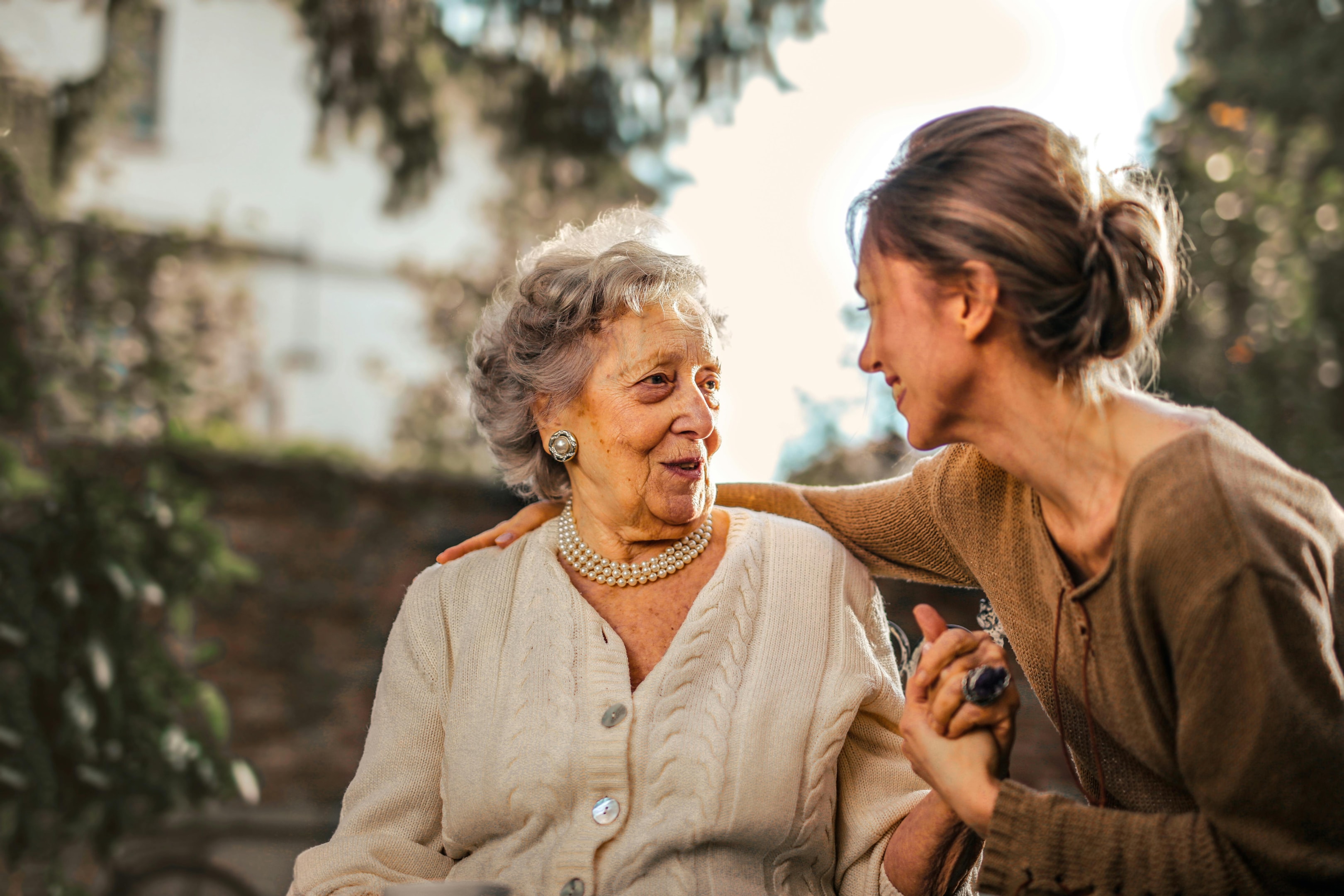
But it’s not just about decluttering; it’s about creating a more organized and peaceful living space that truly reflects your values and priorities.
The Swedish death cleaning method can help you reduce stress, create a sense of calm, and ensure that your loved ones are not burdened with the task of sorting through your belongings after you’re gone.
This gentle art of Swedish death cleaning encourages you to focus on what truly matters, both in your day-to-day life and in the legacy you leave behind.
The key principles of Swedish death cleaning.
Decluttering over time. Instead of leaving a massive amount of belongings for loved ones to sort through after death, Swedish death cleaning encourages regular, incremental decluttering throughout one’s life.
Passing on sentimental items. Rather than holding onto everything, Swedish death cleaning prompts people to go through possessions and decide what to keep (only what brings joy or holds significant value), what to give to loved ones, and what to donate or discard.
With the items already divvied between loved ones, they won’t have to fight to the death over anything when you’ve passed.

Minimizing the burden on others. The driving force behind Swedish death cleaning is the desire to reduce the stress and workload for family members who will have to deal with one’s possessions after death.
Letting go of attachments. It encourages people to let go of emotional attachments to material goods and focus on living a fulfilling life in the present, rather than holding onto things for sentimental reasons. This is a constructive way to prepare for the next phase of existence.
Practical organization. Swedish death cleaning emphasizes practical organization and storage solutions to make it easier for others to navigate one’s belongings after passing.
The term “death cleaning” may sound morbid, but the approach is meant to be a thoughtful, gradual process that provides peace of mind and a sense of control over one’s affairs.
The ultimate goal is to simplify life and spare loved ones from the burden of an overwhelming amount of possessions after one’s death.

Why do Swedish Death Cleaning?
If you’re considering Swedish death cleaning, you might be wondering about the benefits. Here are a few.
1. Make things easier for your family members.
End of life planning is for the people you leave behind. They’re already going to be coping with your loss. Death of a loved one is one of the most distressing experiences life has to offer. So help them out by giving them a shorter to-do list.

2. Make things easier for yourself.
If you participate in Swedish death cleaning far before your expected passing, you’re making things easier on yourself. If you participate because you are approaching your expected passing, you’ll make your remaining days simpler and easier.
3. Motivation to declutter.
A method as severe as this can be just what some people need to shake them up and help them commit to decluttering their home. The mental and physical benefits of decluttering are innumerable, and if thinking of it through the lens of what we leave behind inspires you, jump on that train!
Getting started with death cleaning.
Getting started with Swedish death cleaning can seem overwhelming. Begin by setting your intentions and defining what you want to achieve through this journey.
Consider your values, priorities, and goals, and think about how you want to be remembered by your loved ones.
Next, gather supplies like boxes, bags, and labels, and start small by decluttering one area or room at a time. Begin with items that are easy to part with, like clothes or household items, and gradually move on to more sentimental or challenging categories.
This methodical approach helps you stay organized and motivated throughout the process, making Swedish death cleaning a manageable and rewarding experience.
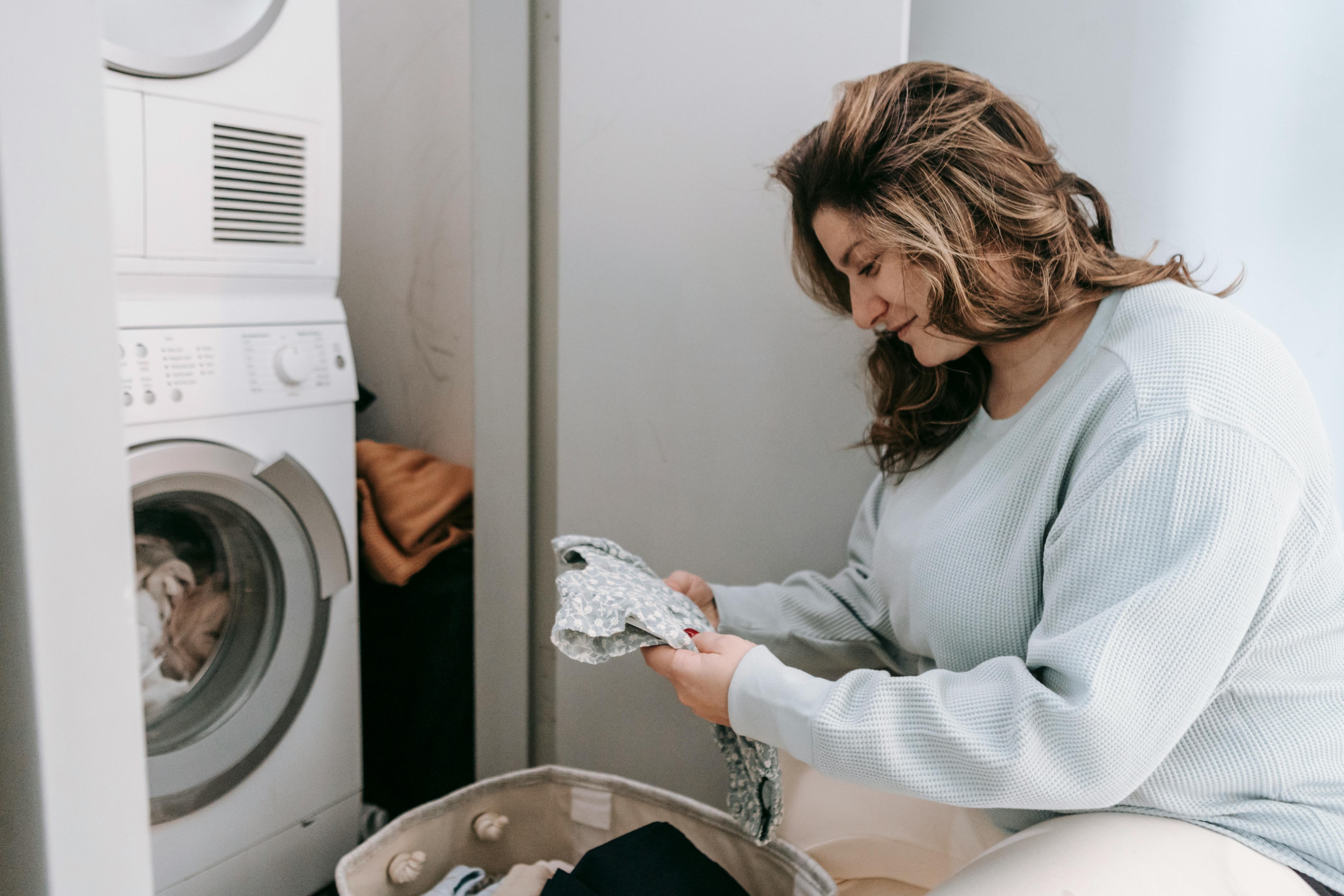
Decluttering strategies.
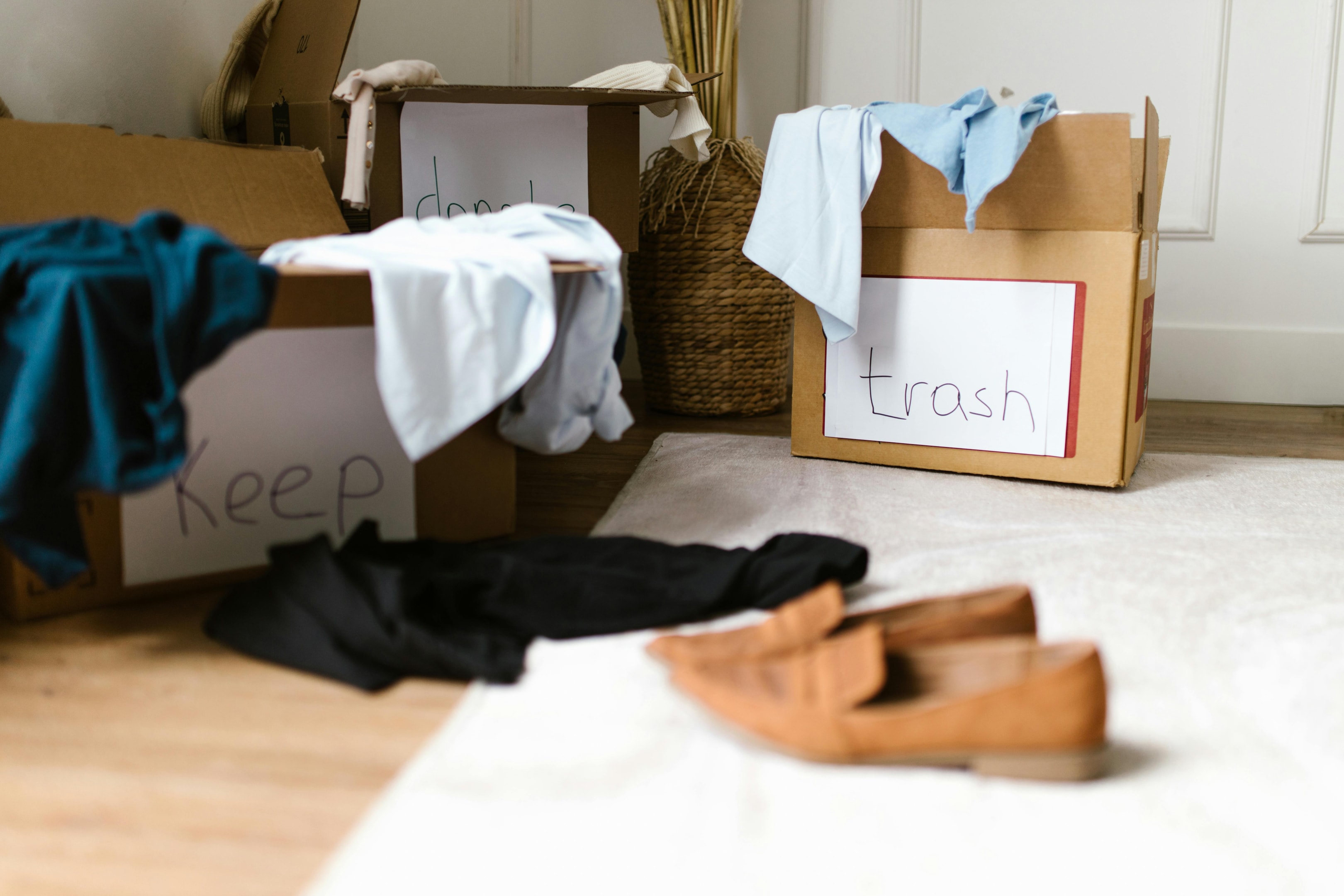
There are several strategies you can use to make the decluttering process more efficient and effective. Start by sorting items into categories, such as “keep,” “donate,” “sell,” and “discard.”
Be ruthless when it comes to getting rid of items that no longer serve a purpose or bring you joy.
Consider the 80/20 rule, which suggests that 80% of the time, you only use 20% of your belongings. Use this rule to guide your decision-making and help you let go of items that are no longer necessary.
Additionally, consider the “one in, one out” rule: for every new item you bring into your home, you should get rid of an old one, typically in the same category.
These strategies will help you maintain a clutter-free and organized living space, making the Swedish death cleaning process more manageable.
Managing sentimental items.
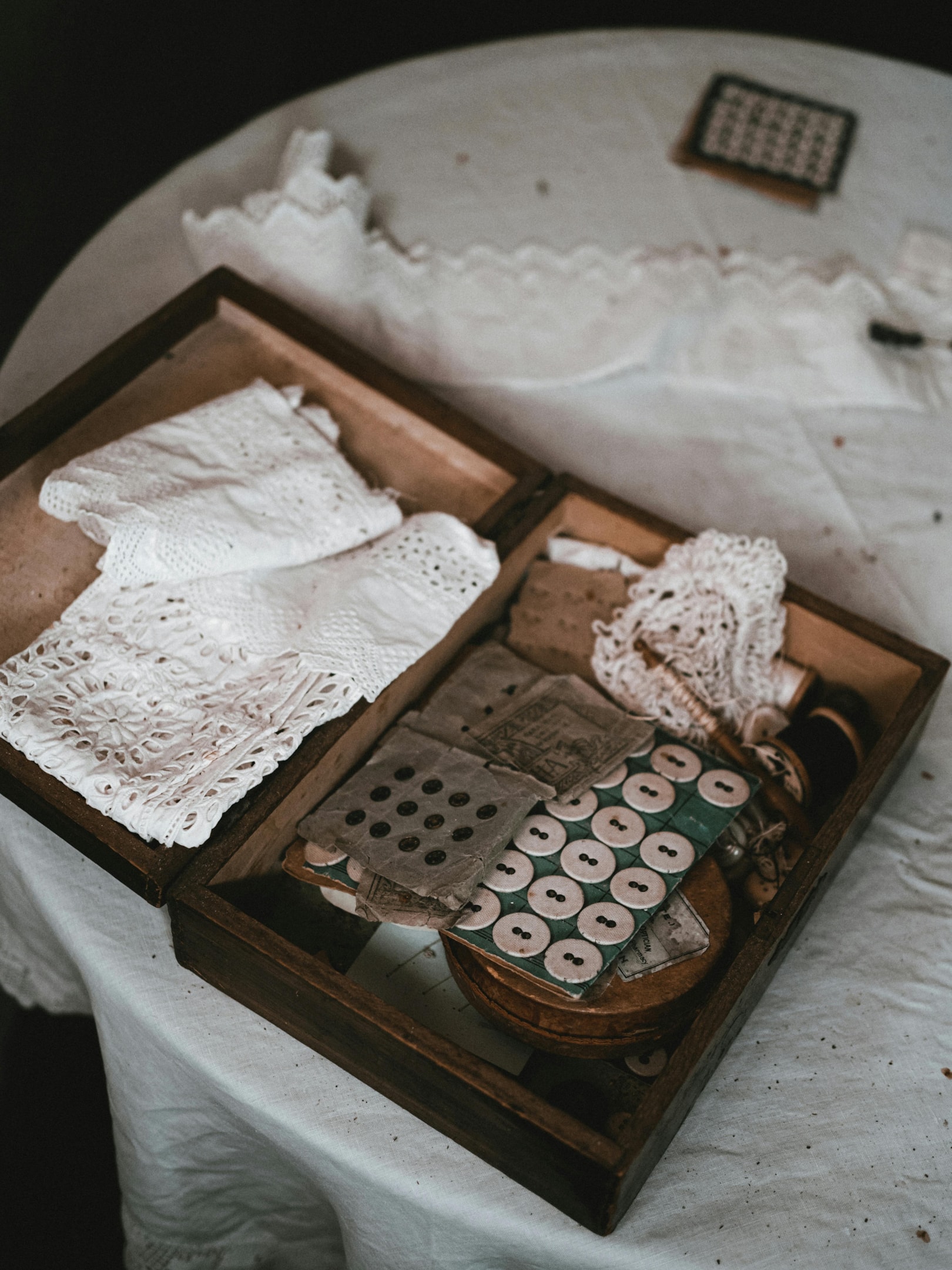
Sentimental items are one of the most challenging aspects of Swedish Death Cleaning. These objects often hold emotional value and can be difficult to part with. But, keeping everything is not the answer.
Instead, consider keeping a few select items that hold the most sentimental value and letting go of the rest. You can also consider taking photos of items you want to remember but don’t need to keep, or creating a digital archive of your memories.
When it comes to sentimental items, it’s essential to be intentional and thoughtful about what you keep and what you let go of. This approach ensures that you preserve your most cherished memories while still maintaining a clutter-free and organized home.
Now is a good time to start passing sentimental items onto the people you’d like to receive them. This can save them strife after your passing, and there’s something special about being able to hand the heirloom over to them yourself. You can provide extra context for the item, answer any questions they have, and create a lasting memory just from the handover.
Organizing important documents and passwords.
Organizing important documents and passwords is a part of end-of-life prep.
This includes creating a list of important documents, such as your will, power of attorney, and insurance policies, and making sure they are easily accessible to your loved ones. You should also consider creating a password manager to keep track of your online accounts and passwords.
Additionally, consider creating a digital archive of your important documents and passwords, such as a cloud storage service or a secure online vault. By organizing your important documents and passwords, you can ensure that your loved ones have access to the information they need in the event of your passing.
This thoughtful preparation is a key aspect of the gentle art of Swedish death cleaning, providing peace of mind for both you and your family members.

Swedish death cleaning for younger people.
What if you’re young, far away from a natural death? Can you still participate in Swedish death cleaning?
Great question!
While Swedish death cleaning is often associated with older adults, the core principles can be adapted for younger people as well. Here are some ways to apply the Swedish death cleaning approach for a younger demographic.

1. Prevent accumulation
Getting organized early and gaining control over shopping and accumulation will help you avoid having to deal with those piles and piles from years of clutter. An ounce of prevention is worth ten pounds of care.
Implement a one-in, one-out rule when you’ve established a healthy equilibrium. That means anytime you bring in something new, you pass on something else, usually in the same category of items. Got a new shirt? Say goodbye to an old one.
Get in the habit of regularly evaluating what you own and letting go of things you no longer need or use.
2. Digitize and minimize
Prioritize going paperless and digitizing important documents, photos, and memories.
Reduce physical media like CDs, DVDs, and books by converting to digital formats.
Limit physical possessions to only the most essential, useful, and sentimental items.

3. Plan for the future
Designate a trusted friend or family member to be the point person for your affairs someday. Look into estate planning for end-of-life organization. Communicate your wishes and preferences for your belongings and care when you’re no longer able to make decisions for yourself–and get those wishes and preferences in writing.
Create a simple system for organizing your important information, like passwords, instructions, and where you hid the good stuff.
4. Embrace minimalism
Cultivate a minimalist mindset focused on experiences over material goods. Prioritize investments in your health, relationships, and personal growth over accumulating stuff. Regularly assess your possessions and let go of things that don’t bring you joy or value.

5. Involve loved ones
Enlist family and friends to help with decluttering and decision-making. Discuss your Swedish death cleaning approach and get their input. Proactively pass on sentimental items to loved ones who will appreciate them.

The key is to not wait until later in life to start thoughtfully managing your possessions. By applying Swedish death cleaning principles earlier on, younger people can maintain a clutter-free, organized home and provide peace of mind for their future selves and loved ones.
Swedish death cleaning checklist.
Using a Swedish death cleaning checklist as a structured approach to decluttering can help streamline the process.
Keep in mind that this list can be tackled gradually. No need to get overwhelmed here, and no need to go in the order that the tasks are listed.
Swedish Death Cleaning Checklist
1. Reflect and Set Goals
Reflect on your purpose: Why are you decluttering? To ease the burden on loved ones, to create space, to live more intentionally?
Set clear goals–identify areas of your home or life you’d like to tackle first.
2. Documents and Paperwork
Keep:
- Birth certificates, wills, and marriage/divorce records.
- Financial documents (e.g., bank accounts, loans, taxes).
- Home deeds, car titles, or lease agreements.
- Insurance policies and healthcare directives.
- Post-passing letters to loved ones.
Shred/Recycle:
- Old bills, junk mail, expired warranties, and outdated paperwork.

3. Personal Items
Clothing:
- Donate clothes you haven’t worn in over a year.
- Recycle worn-out or damaged clothing.
Shoes and Accessories:
- Keep what you use often; donate or discard the rest.
4. Furniture and Home Goods
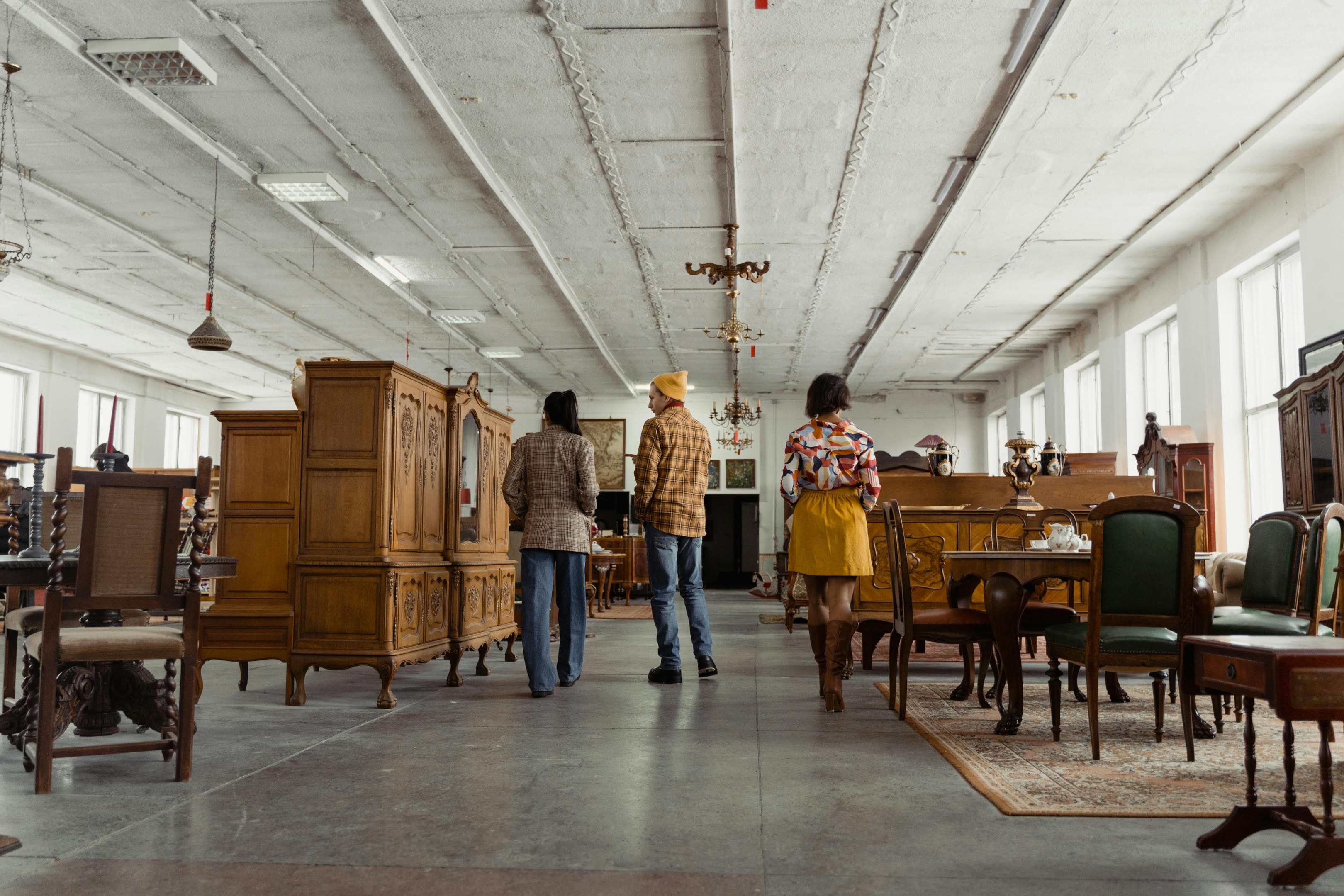
- Sell or donate furniture you no longer use or love.
5. Memorabilia and Sentimental Items
Photos and Letters:
- Digitize photos or create an album for significant ones.
- Share meaningful letters or cards with loved ones.
Heirlooms:
- Decide who might appreciate specific items and give them now.
6. Kitchen and Dining
- Discard or donate unused gadgets, dishes, or cookware.
- Keep essentials and favorite items you use regularly.
7. Books, Media, and Hobbies
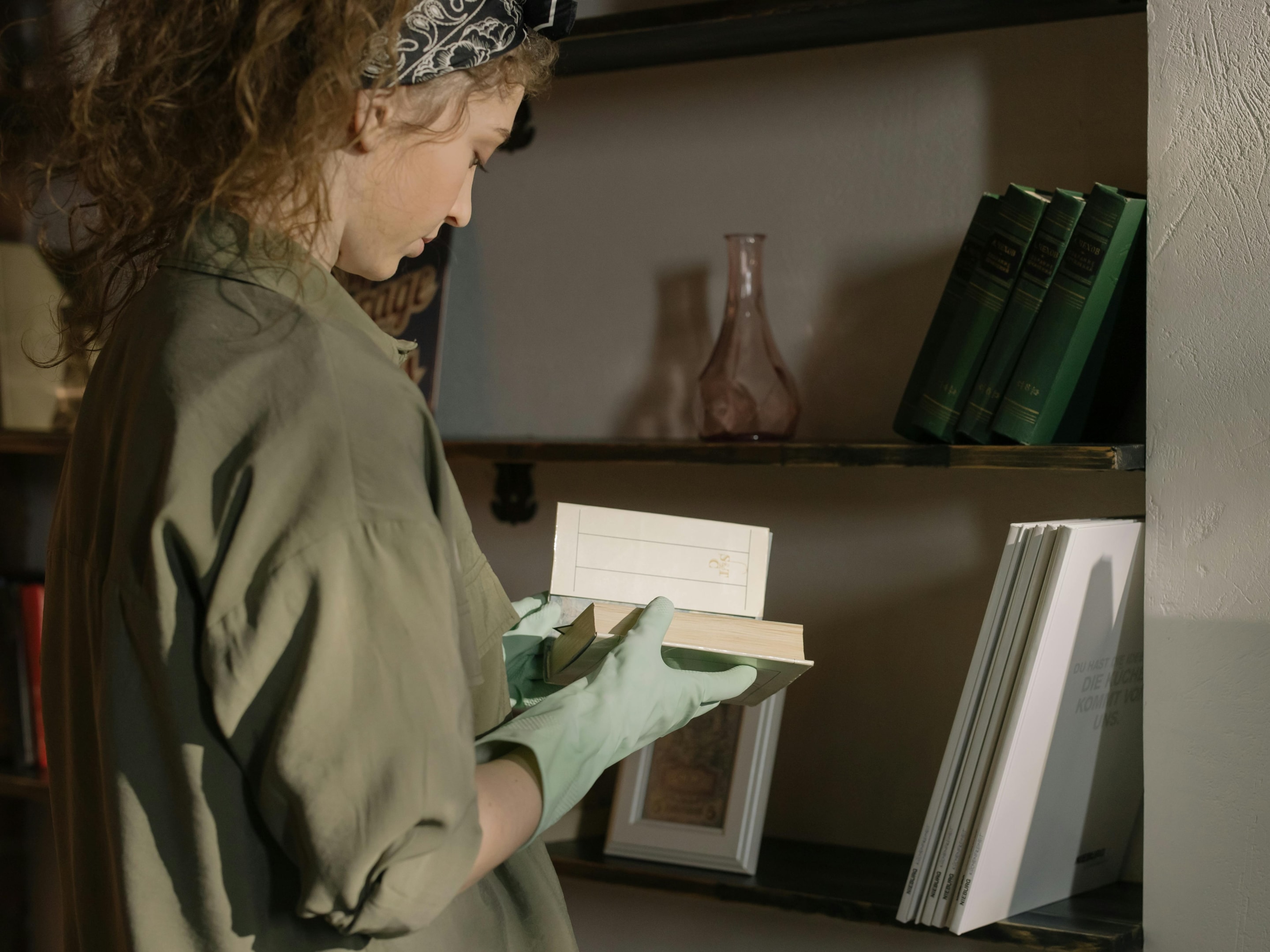
- Donate books, DVDs, or games you’ve already enjoyed.
- Keep only those that are meaningful or useful.
8. Technology
- Recycle outdated gadgets, cables, or appliances.
- Back up important data and erase devices before disposal.
9. Financial Assets and Accounts
- Organize bank accounts, investments, and online subscriptions.
- Create a list of digital accounts and passwords for trusted family members.
10. Declutter Digital Spaces
- Organize and delete old emails and files.
- Unsubscribe from unwanted newsletters.
- Sort through social media accounts and remove unused profiles.
11. Tools and Outdoor Equipment
- Keep only tools you use regularly; donate the rest.
- Safely dispose of old paint, chemicals, or broken tools.
12. Pets
(This one might be upsetting to put together, but it’s important to ensure that your little friends will be taken care of in the way you’d like them to be.)
- Prepare a care plan for your pets in case you’re no longer able to care for them.

13. Health and Wellness
- Safely dispose of expired medications and old prescriptions.
- Update your first-aid kit.
14. Prepare for Loved Ones
- Label items with their stories or significance.
- Write instructions or letters for loved ones about your wishes and legacy.
15. Final Touches
- Create a “Death Cleaning Binder” with key documents (wills, passwords, instructions).
- Let family know about your progress and any important decisions.
Resources.
Here are some incredible books on Swedish death cleaning and other popular organization and decluttering methods.
The Gentle Art of Swedish Death Cleaning by Margareta Magnusson
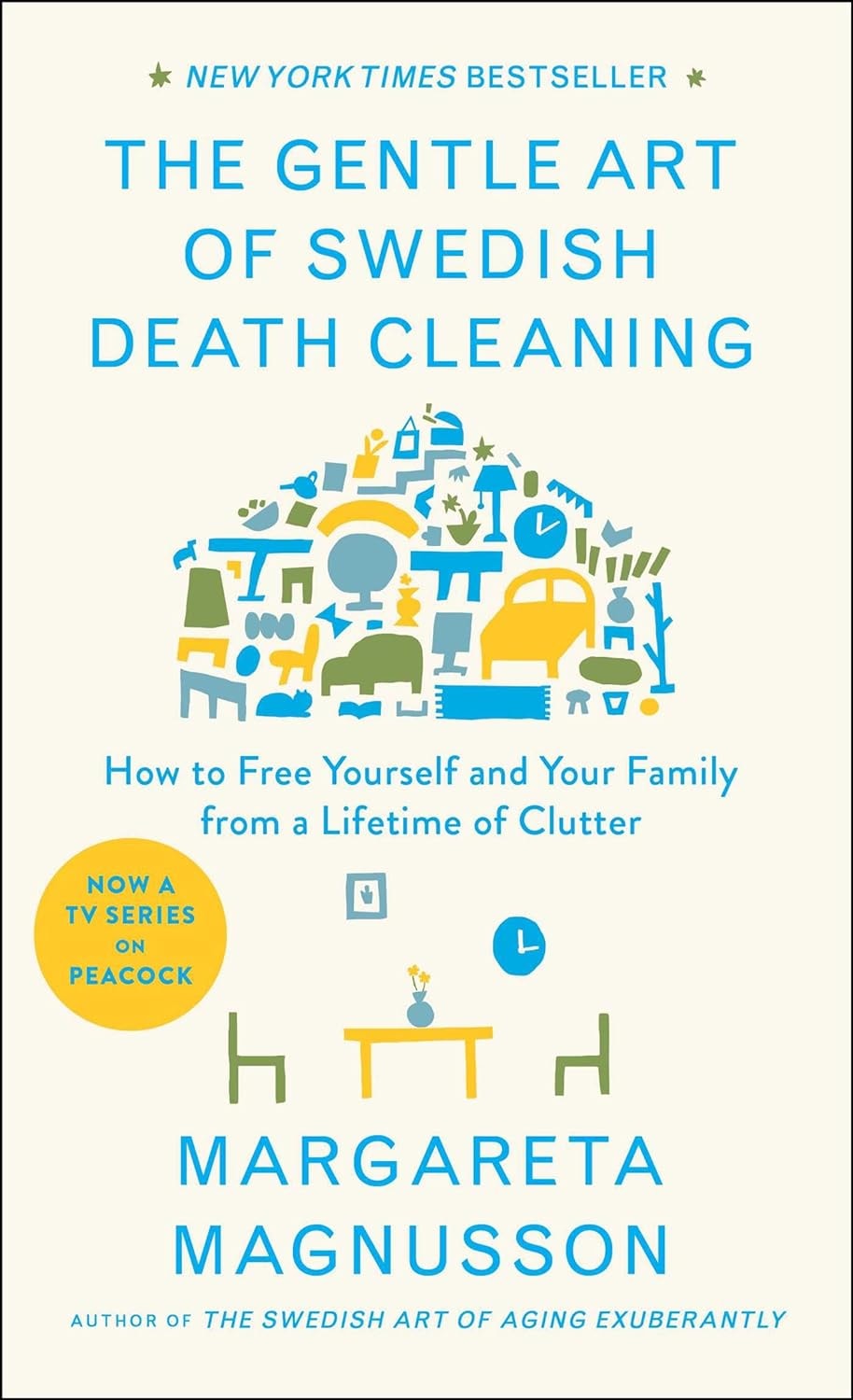
This is considered the definitive book on Swedish death cleaning. Magnusson, a Swedish artist in her 80s, provides a practical and compassionate guide to decluttering your home and life. Read now.
The Minimalist Home: A Room-by-Room Guide to a Decluttered, Refocused Life by Joshua Becker
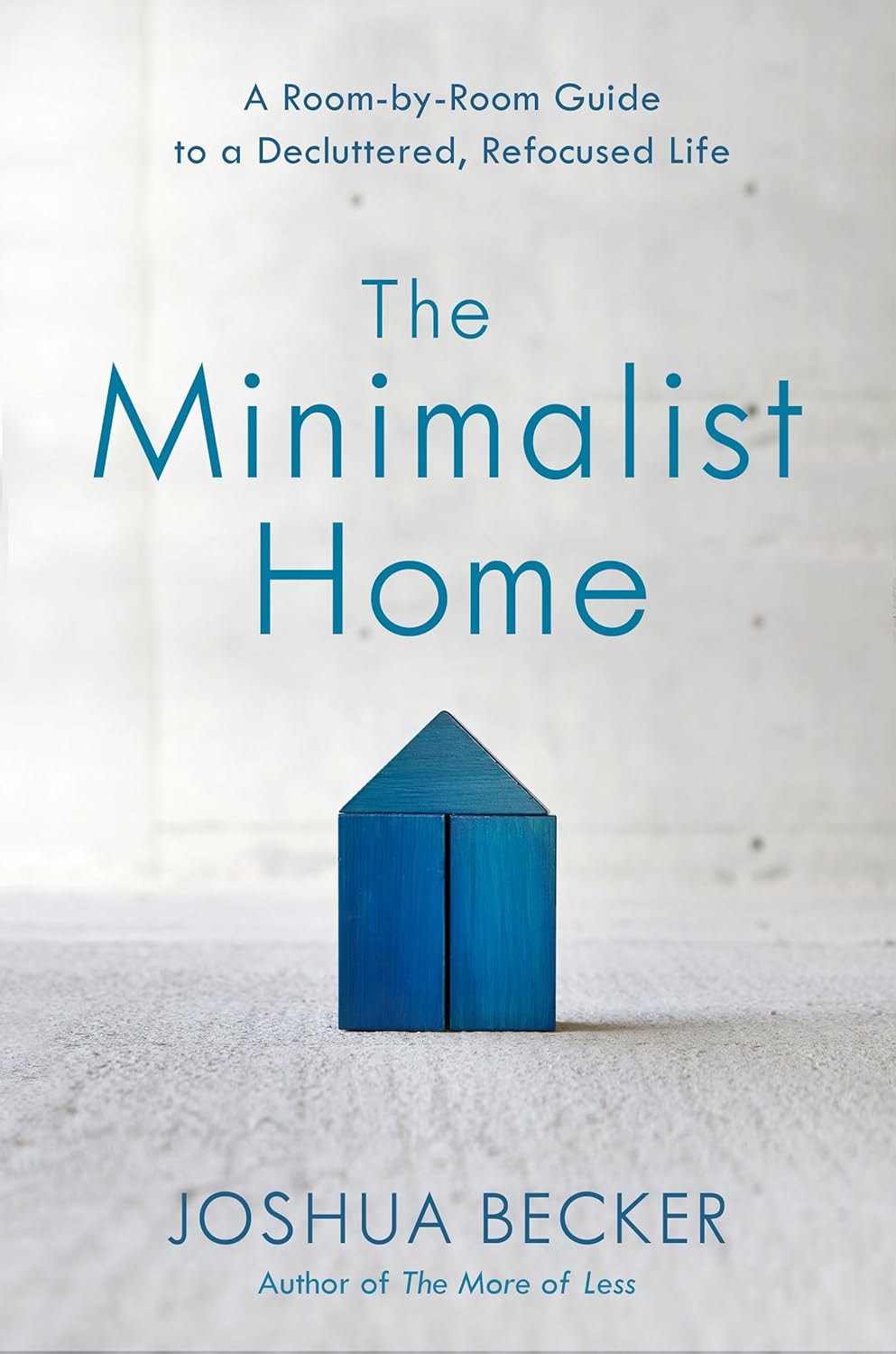
While not specifically about Swedish death cleaning, this book offers a room-by-room approach to minimalist living that aligns well with the principles. We adore Joshua and highly recommend his book. Read now.
Make Space: A Minimalist’s Guide to the Good and the Extraordinary by Regina Wong
This book explores creating a purposeful, intentional living space and letting go of possessions that don’t serve you. Read now.
The Life-Changing Magic of Tidying Up: The Japanese Art of Decluttering and Organizing by Marie Kondo
While not Swedish-specific, Kondo’s KonMari method of decluttering by category rather than location has similar goals to Swedish death cleaning. Read the book here, or read this post for the quick version.
Downsizing: Confronting Our Possessions in Later Life edited by Margaret Lundebjerg
This anthology examines the emotional and practical aspects of decluttering and downsizing in older age. Read now.
These books provide guidance, inspiration, and a thoughtful perspective on simplifying your life and home, whether you’re young or old. The Swedish death cleaning approach can benefit people at any stage.
How to get started with decluttering.
If you’re not ready to start Swedish death cleaning, that’s perfectly reasonable. It can be a bit overwhelming, and maybe bleak, for a lot of people. Not everyone likes to consider their own mortality for the amount of time it would take to finish the process.
SO, let’s talk some easier ways to get into decluttering.
You can start with a fun challenge like this scavenger hunt.
You can choose one of these tiny decluttering tasks that take under 10 minutes.
You could download this free 100 item checklist of easy things to declutter:
