

We talk a lot about physical mess in our homes—the piles of laundry, the overflowing toy bins, the mail that never quite makes it to the recycling—but what often goes unnoticed is the emotional mess that comes with it.
Clutter doesn’t just take up space in our homes. It takes up space in our minds. Every unmade decision, every undone task, every item without a home quietly chips away at our mental clarity.
Over time, this builds into a heavy, invisible weight. It’s what we call decision fatigue—the exhaustion that comes from constantly having to choose, solve, sort, repeat.
And for parents and caregivers especially, who are often juggling a thousand invisible tasks, that fatigue can feel like drowning in slow motion.
Minimalism isn’t about empty shelves or stark white walls. It’s about creating a space—and a life—that makes room for what matters most. When we let go of the excess, we create breathing room. We reduce the number of decisions we have to make. We soften the edges of our days.
That clarity doesn’t just lighten our to-do lists—it lightens our emotional load. It gives us more patience, more presence, and more peace. It helps us hear ourselves again, underneath all that noise.
If you’re a parent or caregiver, you’re not just managing your own life. You’re the emotional anchor of your household. And when your space is working against you, that weight can feel unbearable.
A minimalist lifestyle offers a gentle path forward. It doesn’t ask you to be perfect. It simply invites you to be intentional—to build a home that supports your well-being instead of draining it. Because when your home feels calmer, you feel calmer. And when you feel calmer, everyone benefits.
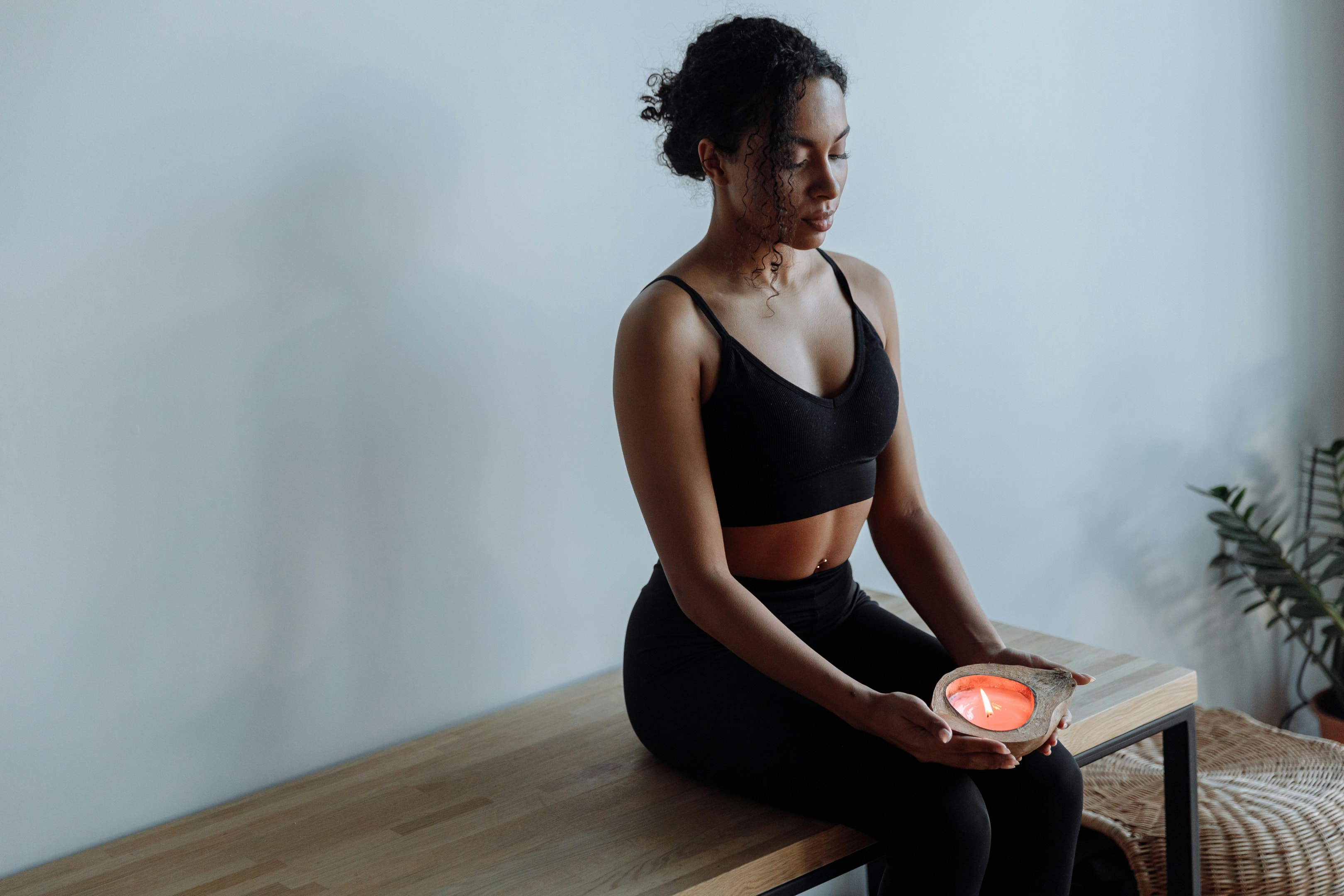
How physical clutter becomes mental clutter.
You ever walk into a room, forget why you came in, then get irritated at the sight of dishes in the sink, laundry on the chair, toys on the floor—and suddenly you’re overwhelmed, annoyed, and tired? You’re not imagining that reaction. Your brain is trying to filter through chaos, and it’s losing steam.
Studies have shown that visual clutter increases cortisol, a stress hormone, which can leave you feeling anxious and emotionally drained. And for parents especially, whose brains are already juggling a never-ending to-do list, clutter becomes more than an inconvenience. It becomes an invisible form of burnout.
When your home constantly demands attention, your brain doesn’t get to rest. That’s where mental load, executive dysfunction, and overstimulation collide—and suddenly everything feels too much.
Clutter isn’t just a mess on your counters—it’s a mess in your mind and a serious drain of mental energy.
When your environment is chaotic, your brain has to work harder to process everything around you. That leads to stress, anxiety, and a constant feeling of being overstimulated.
This is a stressful situation for anyone–add on neurodivergencies like ADHD or autism, and it becomes a literal nightmare.
Effective Decluttering with Autism: Practical Tips for a Simpler Space
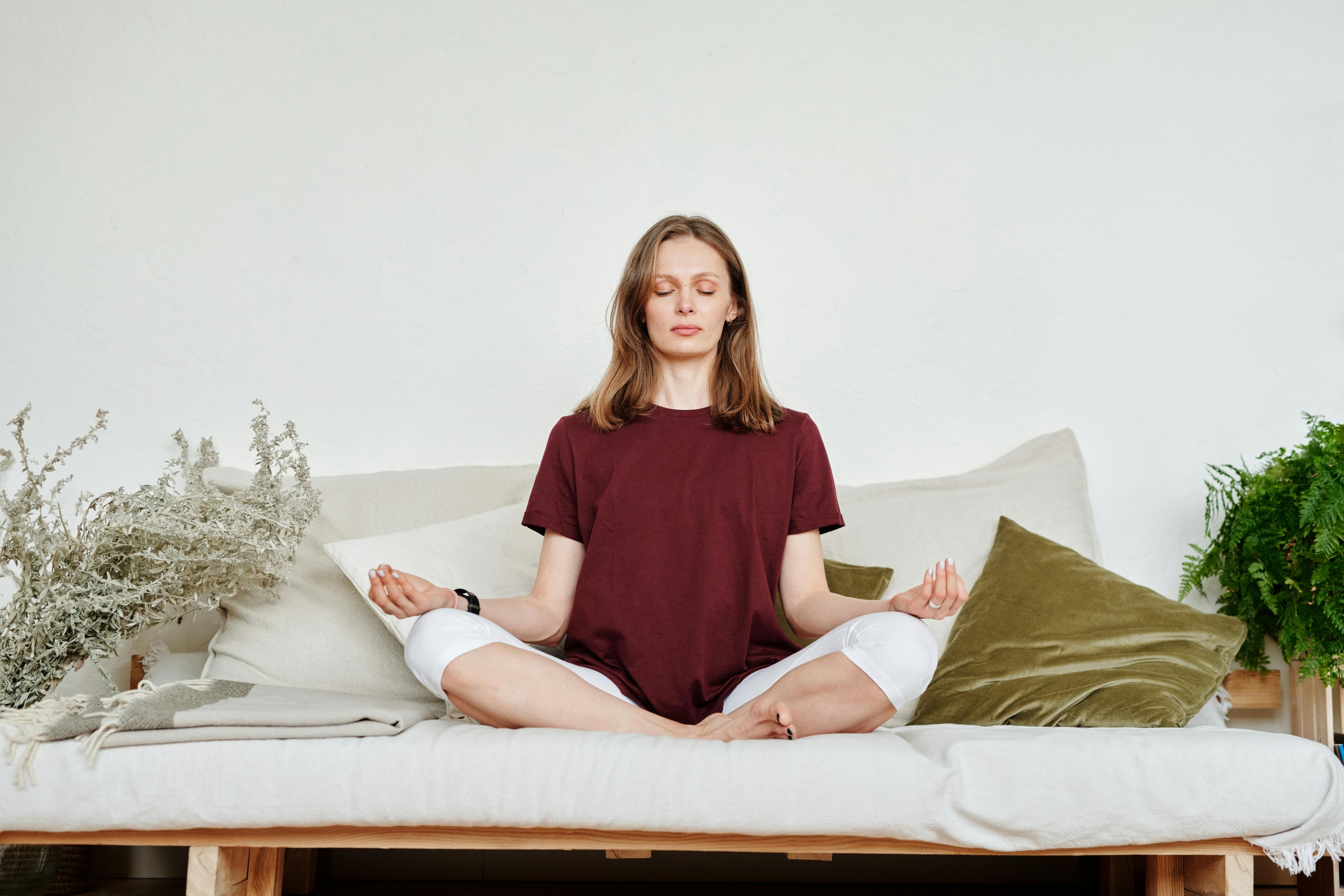
Minimalism and intentional living brings mental well being.
Minimalism isn’t about living with less for the sake of less. It’s about living with just enough—and realizing that’s more than okay. In a world that constantly shouts “more is better,” intentional living whispers, “enough is enough.”
When we step away from the pressure to own more, do more, and be more, we start to untangle ourselves from guilt, perfectionism, and all the “shoulds” we’ve been carrying.
I should keep every sentimental item.
I should be able to handle this mess.
I should be more organized, more productive, more on top of everything.
But minimalism gives us permission to let go.
It opens up space not just in our homes, but in our hearts and minds. It’s an act of self-compassion—choosing calm over chaos, clarity over clutter, and ease over endless hustle.
Intentional living says: You’re allowed to create a life that feels good to live in. You’re allowed to choose peace. And in doing so, you’re modeling that same compassion and clarity for your family, too.
Minimalism for a greater sense of self-care.
Minimalism isn’t just about cleaning up your space—it’s about caring for your inner world. When your surroundings are calmer, your nervous system has room to exhale. You create space not just to tidy up, but to breathe, reflect, and just be.
It’s emotional self-care at its core. You’re not just choosing what to keep—you’re choosing how you want to feel in your own home.
You’re building habits that support calm and presence. You’re making it easier to enjoy the little moments: a quiet cup of coffee, a deep breath before school pickup, a soft evening without a hundred visual reminders of “things to do.”
Minimalism also teaches you one of the most healing lessons of all: how to say no.
No to stuff that doesn’t serve you.
No to commitments that drain you.
No to the kind of chaos that makes you forget yourself.
It’s not about having a perfect home. It’s about having a home—and a life—that feels like yours.
Your environment directly affects your mental and emotional well being.
The state of your space is never just about aesthetics. It’s deeply connected to how safe, supported, and grounded you feel. When your environment feels chaotic, your nervous system stays on high alert—always scanning, always bracing.
But when your home feels calm, your mind can finally rest.
That’s why setting up your space to support your nervous system is such a powerful form of self-care. A clear counter, a cozy corner, a drawer that’s no longer overflowing—it may seem small, but it sends a message to your brain: you’re safe here.
Decluttering has been shown to help reduce symptoms of anxiety and depression. It’s not about being minimalist for the label—it’s about giving yourself relief from the constant background noise that clutter creates.
The best part? You don’t need a full home makeover.
You just need a few intentional tweaks—a donation box by the door, a 10-minute nightly reset, a commitment to clear one surface at a time.
Little by little, peace starts to take root. And that feeling? That’s what we’re after.
Minimalism isn’t just a visual transformation—it’s an emotional one. The real magic happens in how you feel after the pile is gone, the drawer is organized, the decision is finally made.
Here are a few real-life stories that show just how powerful even small shifts can be.
The guilt corner.
There was a basket in my living room I avoided for months. It was full of half-finished projects I told myself I should complete. Every time I walked past it, I felt like I was failing at something. One day, I donated the materials. I let it go. That night, I sat on the couch and exhaled like I hadn’t in weeks. It wasn’t just about the stuff—it was about releasing pressure I didn’t even realize I was carrying.
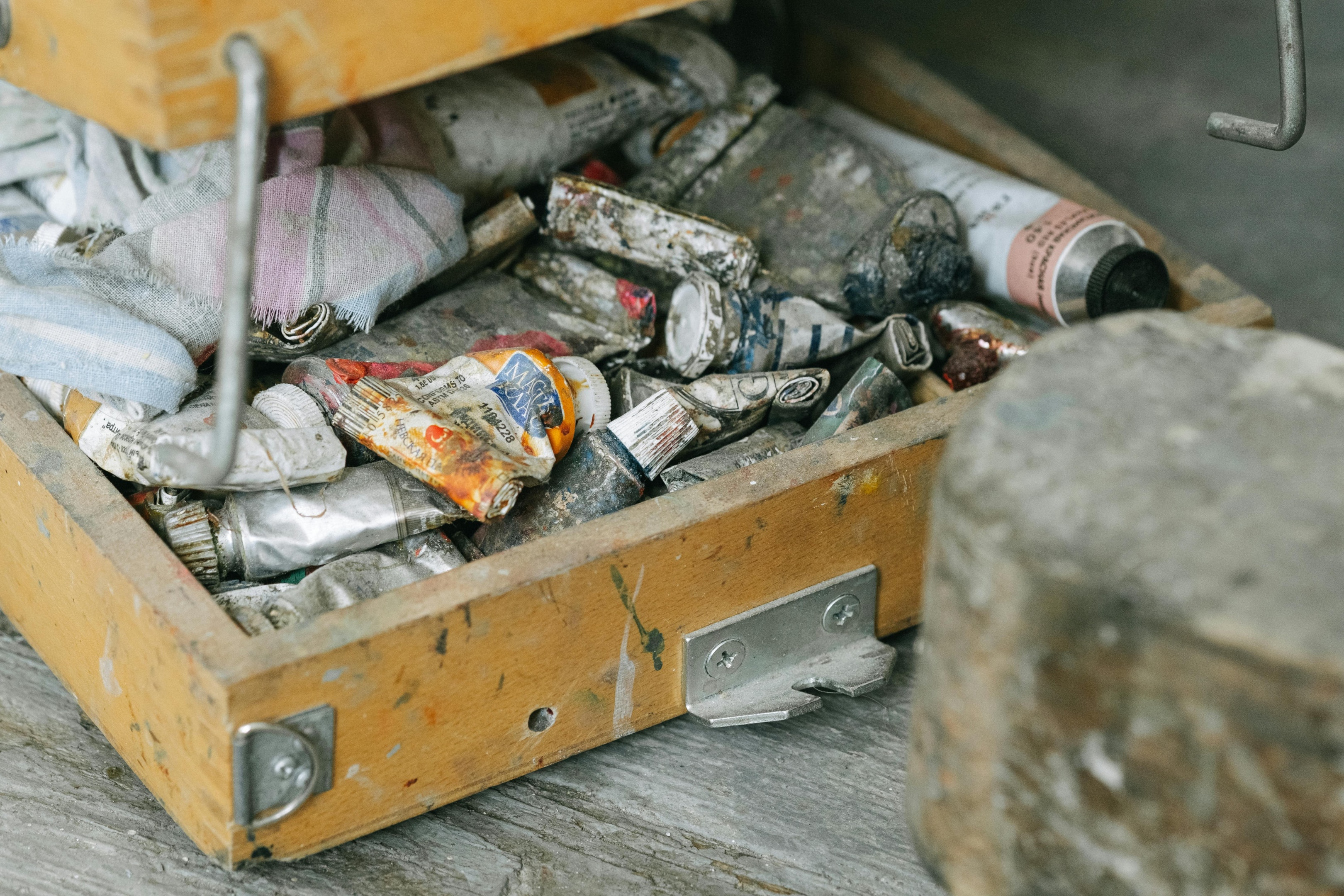
The mom who couldn’t breathe in her own bedroom.
A reader once told me her bedroom felt like a storage unit. Laundry on the floor, random boxes stacked in the corners, piles of things waiting for “someday.”
We walked through a simple plan together: clear the floor, create a peaceful nightstand setup, and make the bed every morning. She emailed me two weeks later and said, “It finally feels like I have somewhere to rest. Not just sleep—rest.”
The pantry of new beginnings.
One family tackled their cluttered pantry and turned it into a space that made meal prep easier instead of more overwhelming.
What changed? Not just the shelves.
The mental load of “What’s for dinner?” became lighter. They stopped overspending on groceries they already had and started feeling more in control—and less defeated—every evening.
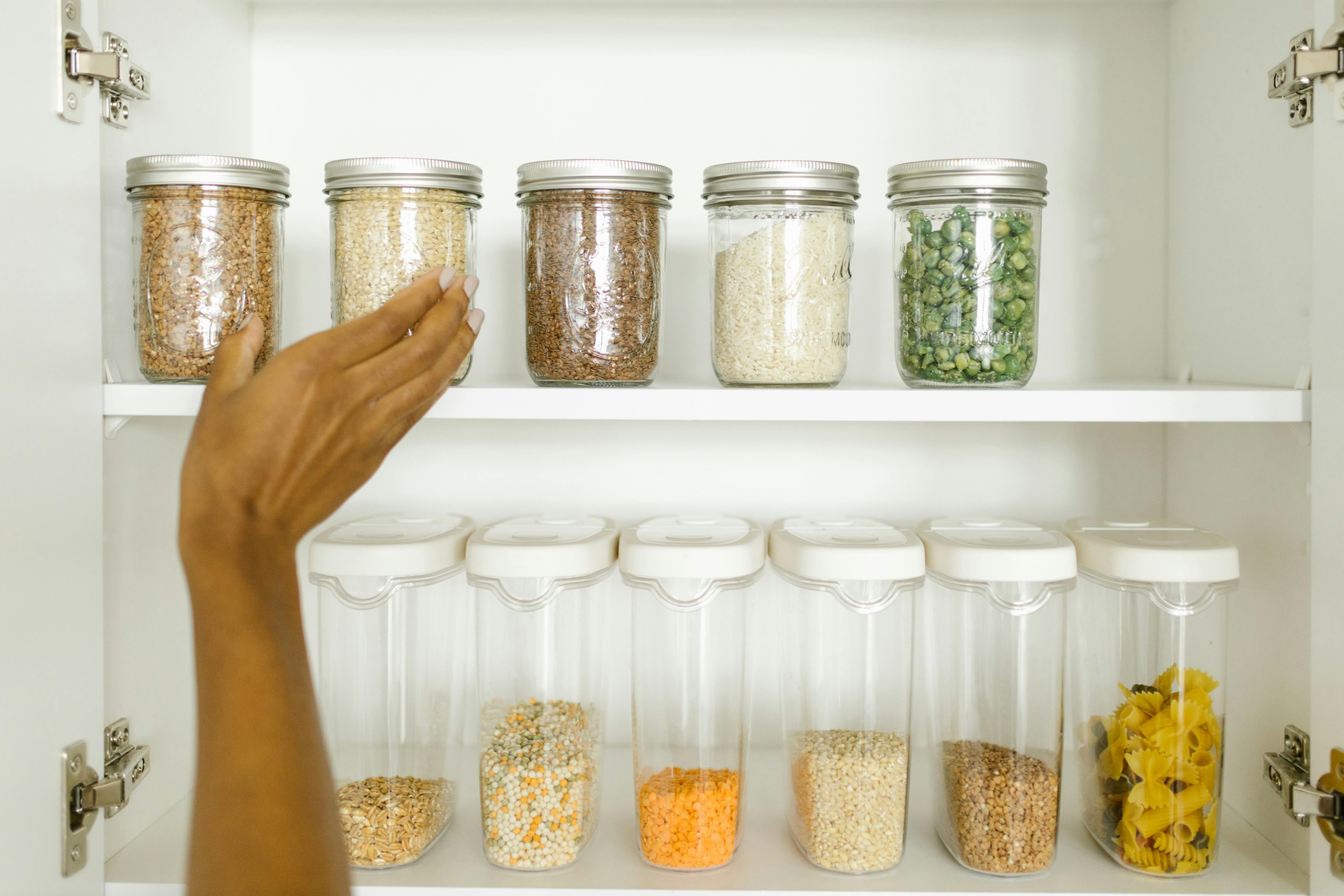
These moments aren’t about perfection. They’re about possibility.
Sometimes, the biggest wins aren’t even visible.
Where to start.
The beginning of any journey while struggling with mental health issues can be daunting. Here are a few gentle entry points for you to start making real progress on your physical space and on curating a minimalist mindset.

Decluttering resources.
Here are a few good articles to get you started, if you like to read up on something before you begin:
- Beginner’s Guide To Minimalism
- 13 Practical Steps to Simplify Life and Boost Your Happiness
- How To Become a Minimalist
Journal prompts.
If you’re unfamiliar with the concept of The Change Cycle, let me briefly explain:
- The first step in change is pre-contemplation. This is before you start thinking about implementing a solution–and before you’ve even realized there is a problem.
- Then there’s contemplation. You realize there’s a problem, and you’re mulling over ideas to fix it.
- In the third phase, you’re preparing. This is laying out your plans, gathering resources, building a support team, or whatever you need to do in preparation for enacting change.
- Then you actually do it.
- After you’ve implemented the change, you perform the required maintenance.
- And at some point, you’re likely to relapse. The degree to which you relapse will vary, and it won’t necessarily go in this order. After relapse, you don’t start the cycle over from the very beginning–you might jump right back into the action. Or you might go back to the planning phase to come up with a stronger course of action.
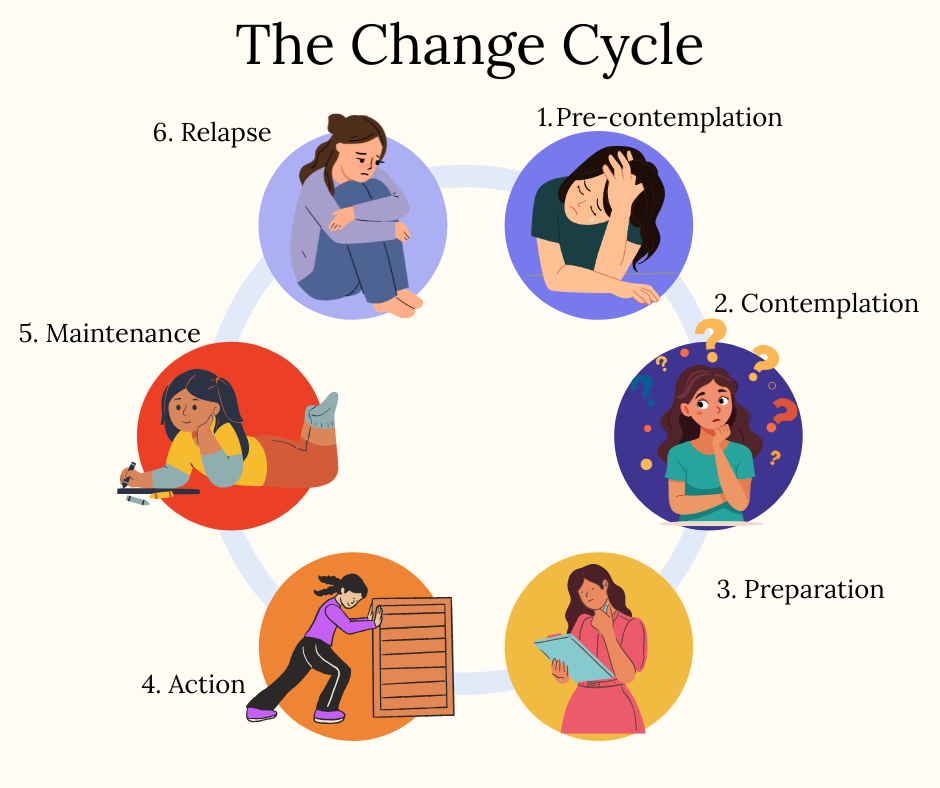
All this to say, it’s okay if you’re still in the contemplation or preparation phase. You don’t necessarily have to jump into this with both feet. If you need a minute to collect your thoughts and strategize, here are a few journaling prompts that might be helpful for you.
Use these prompts to check in with yourself, explore what’s feeling heavy, and imagine what a calmer, more intentional space could look like for you.
- What areas of my home feel the most overwhelming right now—and why?
- What “shoulds” am I holding onto that no longer serve me?
- What would it feel like to have a space that supports my nervous system?
- What small change could I make this week to invite more calm into my environment?
- What am I ready to release—physically, mentally, or emotionally?
- How do I want to feel in my home each day? What does that version of peace look like?
- What stories or emotions am I attaching to clutter that I can start to gently unhook from?
You don’t need to declutter your whole life in a day.
You just need to listen inward—and begin with one tiny, brave step.
Tiny steps to take today.
The eventual goal is to live in an intentional, clutter-free environment. But there may be hours, weeks, months of work between you and that finish line. So let’s focus in on the present moment. What steps can you take now to begin your personal journey toward a greater sense of calm in your daily life?
Here are a few ideas to inch you toward that minimalist lifestyle of fewer distractions, positive personal growth, increased mental space, and a more balanced life.
1. Create a simple morning routine.
How you begin your day is often how you will continue it. So get a positive start in the morning by establishing a simple, positive routine. This could mean taking a moment for some deep breaths and gratitude. It could be sitting on your porch with your coffee and appreciating the birds and flowers. It could be getting in a quick workout or stretch session before the kids are up.
Here’s a guide for developing a morning routine that fits into whatever amount of time you’re working with.
2. Carve out a safe space.
If your whole house is chaotic, start with creating a safe space for yourself to retreat to when you’re feeling overwhelmed. It could be your bedroom, a closet, or even just an arm chair. Focus on decluttering that space first, so you have somewhere to truly rest.
3. Tap into a support system.
Ideally, your family creates a built-in support system, but that’s not always the case for everyone. Find someone you can rely on for encouragement and affirmation. If you don’t have anyone like that, I encourage you to join our Facebook group of people going through the very same struggles you’re experiencing.
4. Clear 5 unnecessary items.
Begin where you are, and declutter five items from your immediate surroundings. It could just be tossing five pieces of obvious garbage into the trash.
You could even make this a regular practice–anytime you feel stressed, or you look around and think about how you should be decluttering, just grab five items and take care of them. You can stop after that, or you can let the momentum pull you into a full decluttering session.
5. Try a 10-minute mission.
Ten-minute missions are another simple way to get the decluttering ball rolling without stressing yourself out or dedicating the whole day to it. Here’s a list of 10-minute decluttering hacks to try today.
6. Use the Dana White method.
This is one of my favorite strategies for anxious and overwhelmed clients. Here’s how it works:
- Pick up one item (yes, one item)
- Ask yourself: “Where would I look for this if I needed it?”
- If the answer is: “I wouldn’t need this,” consider donating or tossing.
- If the answer is a location in your house, bring the item there now.
- If the location needs more space to accommodate the item, decluttering something else from that space.
This makes decluttering part of your daily routine, and it’s not a commitment! If you want to stop after you put away that item, fine.
The Dana White method makes it where you’ll never make your house worse. You know those times where you get the urge to clean, declutter, or organize, and you run out of energy just to look up and find a complete disaster around you–piles of things you “sorted,” cabinet content thrown up all over the room? This strategy fully avoids that nightmare.
Decluttering With Depression
And my final recommendation is Decluttering With Depression. This is a self-paced guide to help you with the internal work required to break the chains of clutter while coping with mental health struggles. Read more about it here: Decluttering With Depression.

Satisfaction guarantee: If you don’t feel like your home is a more comfortable and functional space by the end of it, you get 100% of your money back and a hand-written apology note for wasting your time.
