

Lots of us want to declutter, but it’s soooo time consuming, right? It sure can be! I think the biggest struggle in getting started is deciding what to do first. Throwing items away with no real plan can feel intimidating. But planning? Sounds intimidating AND time consuming.
Today we’re going over ways you can run a speed boost on your decluttering process and make real progress fast. Whether you’re trying to get one room guest-ready by tomorrow, or if you want to do a full household clear in just a few weeks, here are effective strategies to declutter your home fast.
1. Identify clutter hotspots.
Our first speed decluttering tip is to find the most effective space to start.
We tend to have clutter hotspots throughout our house. Those High Junked areas where stuff tends to accumulate the most. This is often entryways, laundry rooms, pantries, garages, and unfinished basements. It’s where things get dumped because it’s convenient to do so.
But long-term? Incredibly inconvenient, actually!
Usually, the items in these areas don’t have a designated place to live, and that’s the main issue. Cleaning up becomes hard when you have to create a new space for everything you own instead of simply returning it to the same spot.

If you know some rooms or areas in your home are always messy, tackle those first. Getting rid of the main bulk of the problem piles will give you more bang for your buck for speedy decluttering.
Start with one of these clutter hotspots to make noticeable change quickly.
2. Quick decluttering tips.
Decluttering doesn’t have to be time-consuming. Whether you have five minutes or an entire Saturday, there are several quick decluttering methods you can employ to eliminate clutter. Each quick decluttering project can take 5 minutes or less, making it easy to integrate these ideas into your daily routine.
Garbage bag sweep.
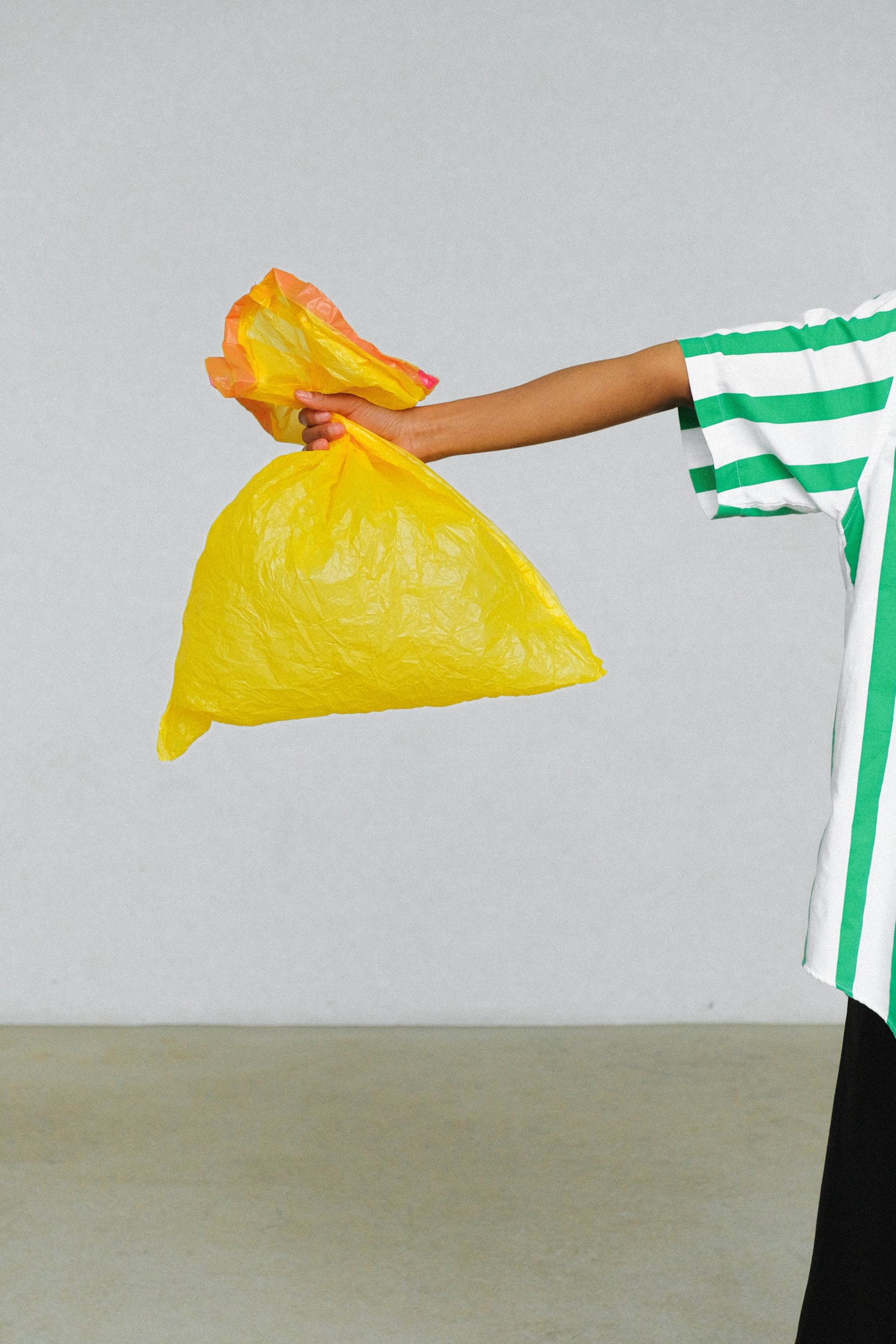
The Garbage Bag Sweep is a fantastic decluttering method that can make a significant impact in no time. It’s basically removing clutter by “layer”–with the throw-away items removed, you can move into the next layer of clutter.
All you do is grab a trash bag and race to fill it as quickly as possible. Collect obvious trash, broken things, useless items with no purpose.
This is a great strategy to do in the beginning, as it’s clearing out the garbage so you have less to sort later, and it makes a big difference quick.
Go with your gut on this! Try not to hesitate to throw things away. Just fill your bag as quickly as you can. You can make this a daily or weekly activity as you dip your toes into decluttering. You might even only do garbage bag sweeps until you feel you’ve reached the end of their effectiveness–i.e., you’ve gotten rid of the garbage.
This quick and effective method can be employed in any room of your home. Grab a trash bag and start eliminating clutter!
15-minute timer sessions.
Setting a timer for short sessions can help you maintain focus on one specific area. Allocate 15 minutes to declutter a specific spot in your home, like a single drawer. This method helps you stay organized and prevents the task from feeling overwhelming.
Breaking the process into manageable chunks allows significant progress without dedicating a whole day. Give it a try and see how much you can accomplish in just 15 minutes!
You’re moving house! Next week!
Imagining a move can be a powerful motivator to declutter your home quickly. When you pretend you’re moving, you tend to keep only essential items, making the decluttering process faster. This mindset encourages you to prioritize what truly matters and get rid of excess items that are no longer useful.
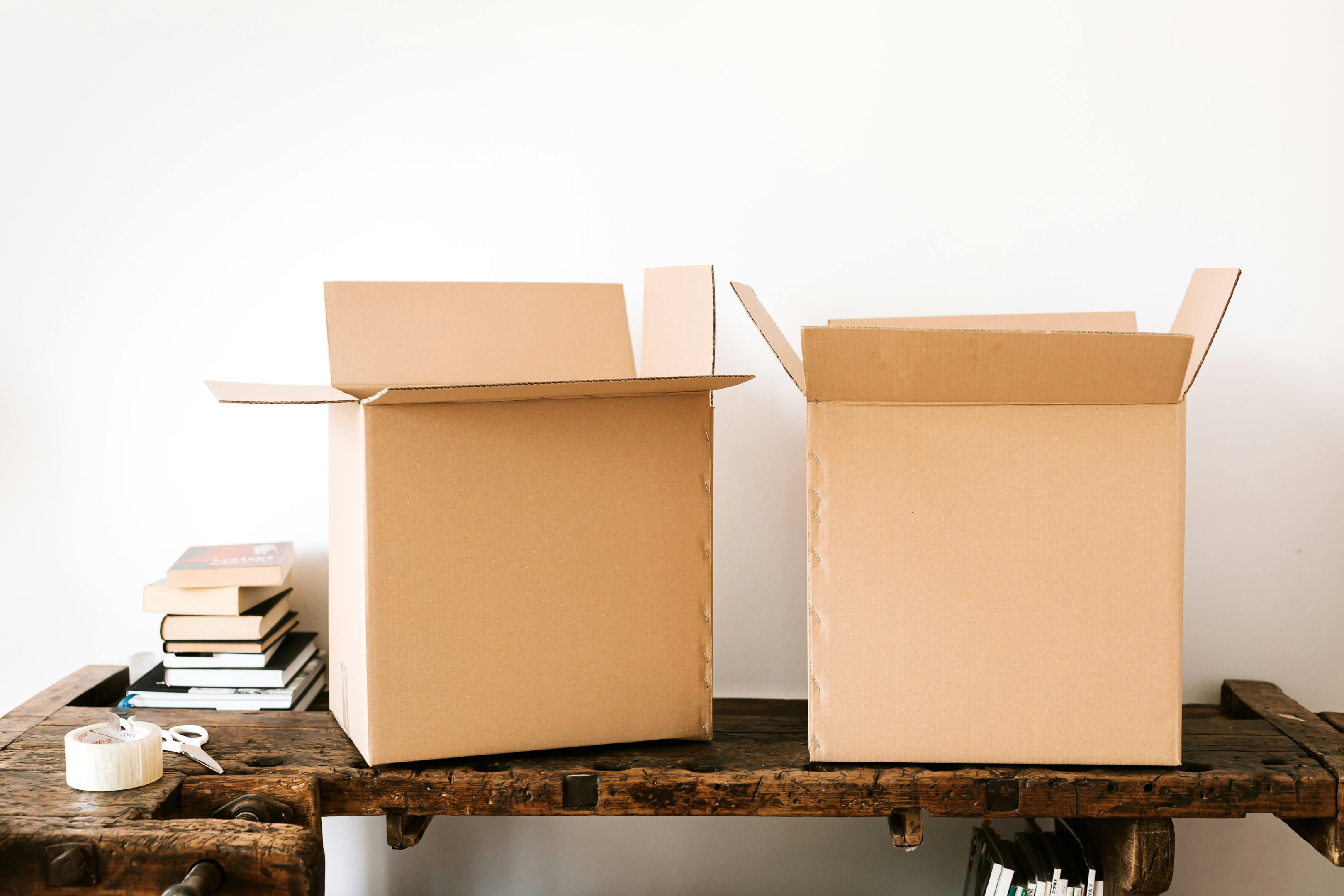
Some people get pretty hardcore with this, ACTUALLY packing boxes of things they’d take with them if they moved. If you need to LARP that hard, you’ve got my blessing. Sometimes a little imagination is all we need to jumpstart productivity.
A similar idea is Swedish Death Cleaning, where you declutter in preparation for your loved ones inheriting all you own.
Tip: Avoid the yard sale. It can be tempting when decluttering to save things for some imagined event that might happen in the next 6 to 12 months. But all you’re really doing is giving yourself a ton more work without a lot of payout, and giving your junk a reason to stick around instead of leaving your house. If you have a friend hosting a yard sale, by all means toss some stuff their way–but hosting one yourself will massively slow you down, every step of the way.
Why You Should NOT Have a Garage Sale While Decluttering
Let your friends shop.
Throw a “take my sh-tuff” party. Invite friends and family members over to shop your house! You can either make quick piles of things you’re ready to let go of for them to pick through, or you can just cut ’em loose in the whole house.
You can approve of things they’re taking to be sure nothing precious goes out the door. But this is a good way to clear clutter quickly, have some help doing it, and know that your items are going to someone who wants them! You’re basically enlisting their help to declutter, and their payment is whatever they want!
You could get even more accomplished with this by making a rule that, for each item they want to take, they need to haul away or donate another item for you.

Go in order of ease.
A professional organizer would tell you that certain items are easier to declutter than others. Some items just have a lot more emotional weight, which takes longer to process. Go for quick wins at first–duplicates, big items, garbage, things you don’t care so much about. Save the sentimental stuff for the end as you ramp up to it.
3. Declutter quickly by area.
To focus your efforts, zone in on one room or area. This might be a more impactful area, like a family room or foyer. Or maybe you can start with a bedroom to optimize your sleep, providing more rest and energy to continue your decluttering process.
When you’ve chosen a room, hack away at it relentlessly. Don’t move on to any other room until you’re satisfied with the functionality of this area. You can start small, if you’d like. For each decluttering session, maybe you hit up one drawer, or one cabinet. Maybe you focus on clearing one surface to make things easier.
Sectioning off a smaller area to focus on can reduce overwhelm and make decluttering go quicker.
4. Eliminate household clutter by category.
Another focus method for quick decluttering is to do so by category. This is actually one of Marie Kondo’s most popular tips–declutter by category, not location.
This means collecting everything you have of one category, getting it in one place, and sorting them together. It helps you have a better understanding of what you have in that category (so you can reduce even more), and it reduces decision fatigue and task switching costs, since you’re working on the same thing the whole session.
For example, if you’re doing clothes, you’d take everything from closets, drawers, under the bed, in the laundry room, etc., and put it all together on your bed before you start sorting.
Here’s a full guide on decluttering your wardrobe and closet.

5. Create designated storage solutions & homes.
Of all organization hacks, creating homes for each item is #1. Creating designated storage areas for items can significantly minimize clutter accumulation over time. Using storage bins, tool cabinets, and sturdy shelving can maximize space and keep items neatly organized.
Utilizing the space behind doors provides additional storage for smaller items. Encouraging kids to use multiple smaller bins can make it easier for them to find specific toys. Assessing your storage needs before purchasing bins is crucial to avoid adding clutter. Marie Kondo recommends NOT buying storage pieces, and instead, shopping your house for something that will work.
A system for managing incoming items, such as school papers and junk mail, prevents visible clutter accumulation.
Every item should have its own place. If there isn’t a specific space for an item to live, you should find one, or get rid of it.
Taking the time to establish dedicated storage for each item and a system for keeping things neat will help you declutter and avoid it accumulating again.
6. Clear flat surfaces.
Flat surfaces can quickly become clutter magnets if not managed. With too many items on a raised surface, the space can feel choked and chaotic. If you want to make a big visual change in your cluttered home, you might start with flat surfaces.
End tables, desks, chairs, shelves, the kitchen table, the kitchen counter, and other furniture can act as catch-alls, making a room feel cramped, crowded, and claustrophobic.
So start your speed declutter with flat surfaces–remove anything that doesn’t belong. Flat surfaces should only hold permanent fixtures and things that you decide to store there intentionally.
To upkeep after you’ve cleared your flat surfaces, dedicate ten minutes each evening to returning things to where they belong and clearing all surfaces.
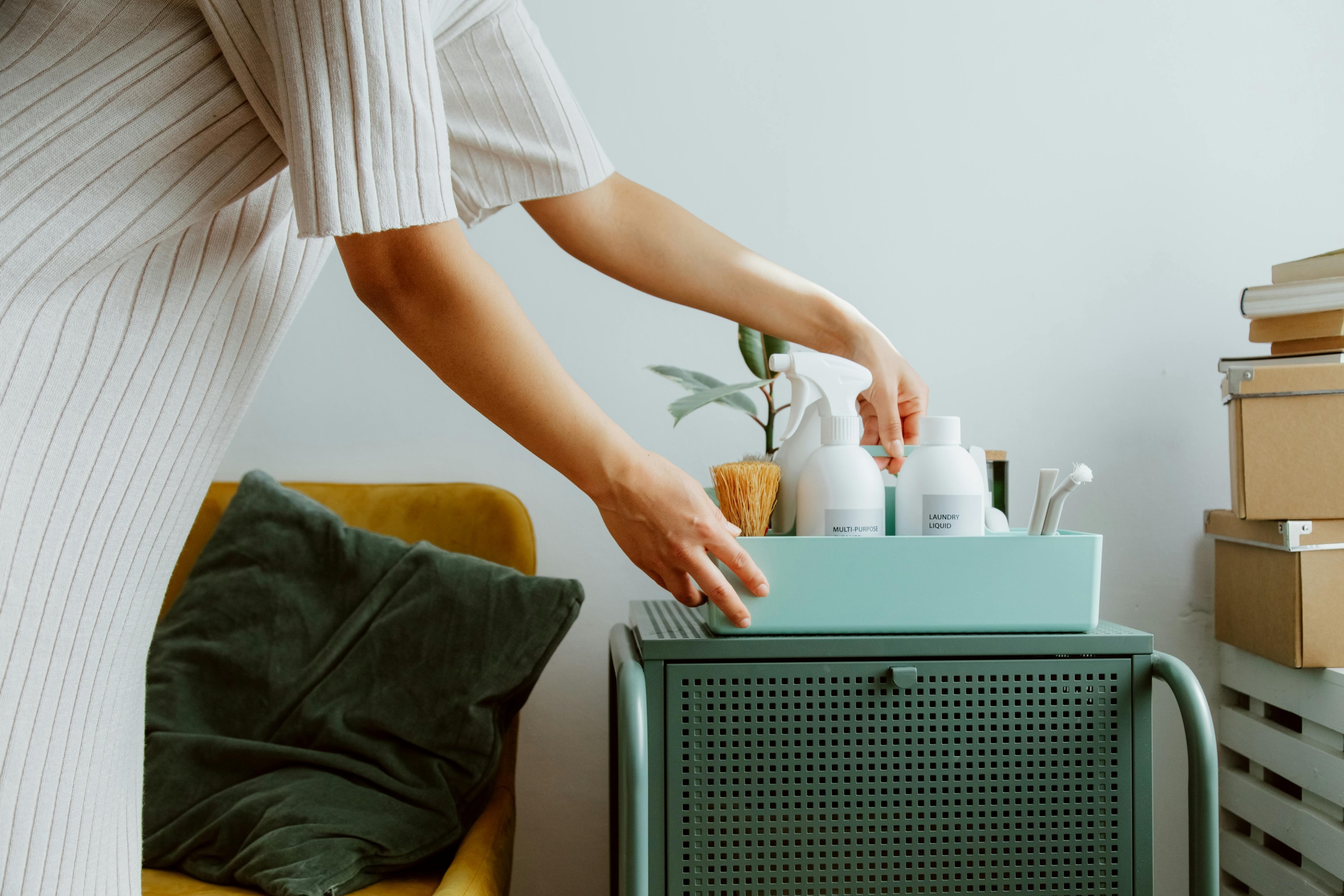
Tip: Use trays and baskets to collect the items you store on flat surfaces. This tricks your brain into seeing the collection as “one” item, making your home appear less cluttered and more organized.

7. Tackle one room at a time.
Cleaning one room at a time is an effective strategy to manage decluttering tasks efficiently. Most rooms can be completed in a weekend, allowing for focused and efficient decluttering.
If you have an easier time focusing on one thing at a time, I definitely recommend decluttering by room–forget the rest of your house until you’ve finished the first room. Here are specific strategies for working through different rooms in your house.
Bedroom declutter.
Starting with the bedroom is often recommended, as it has significant impact on overall well-being. Getting enough rest is crucial for the rest of your biological functions to operate.
If you’ve got the time to go through your clothes right now, do so! Set aside sentimental items (perhaps you could display them somewhere in the house, if you never intend to wear them), toss the shoes collecting dust, and donate clothes you don’t wear. You might take the time to store your seasonal clothing in a more convenient place.
Some professional organizers recommend not having seasonal items at all, and simply layering pieces for colder seasons. This negates the need for storage bags and extra space. Choose your own adventure!
But it can take several days just to work through your clothes, so here’s a quicker method:
Clear the mess at the bottom of your closet, then use the ‘backwards hanger’ trick: turn all your hangers backward, then turn them back after wearing items to evaluate what’s really used. This is a great way to passively declutter over months instead of putting in days worth of effort.
Keep in mind that typically, 20% of clothing is worn 80% of the time, so focus on those key pieces.
Limit the number of items on flat surfaces in the bedroom to less than five to minimize visual clutter, and interrogate the number of pillows you keep on your bed. Seriously, why do you have so many pillows?
Kitchen declutter.
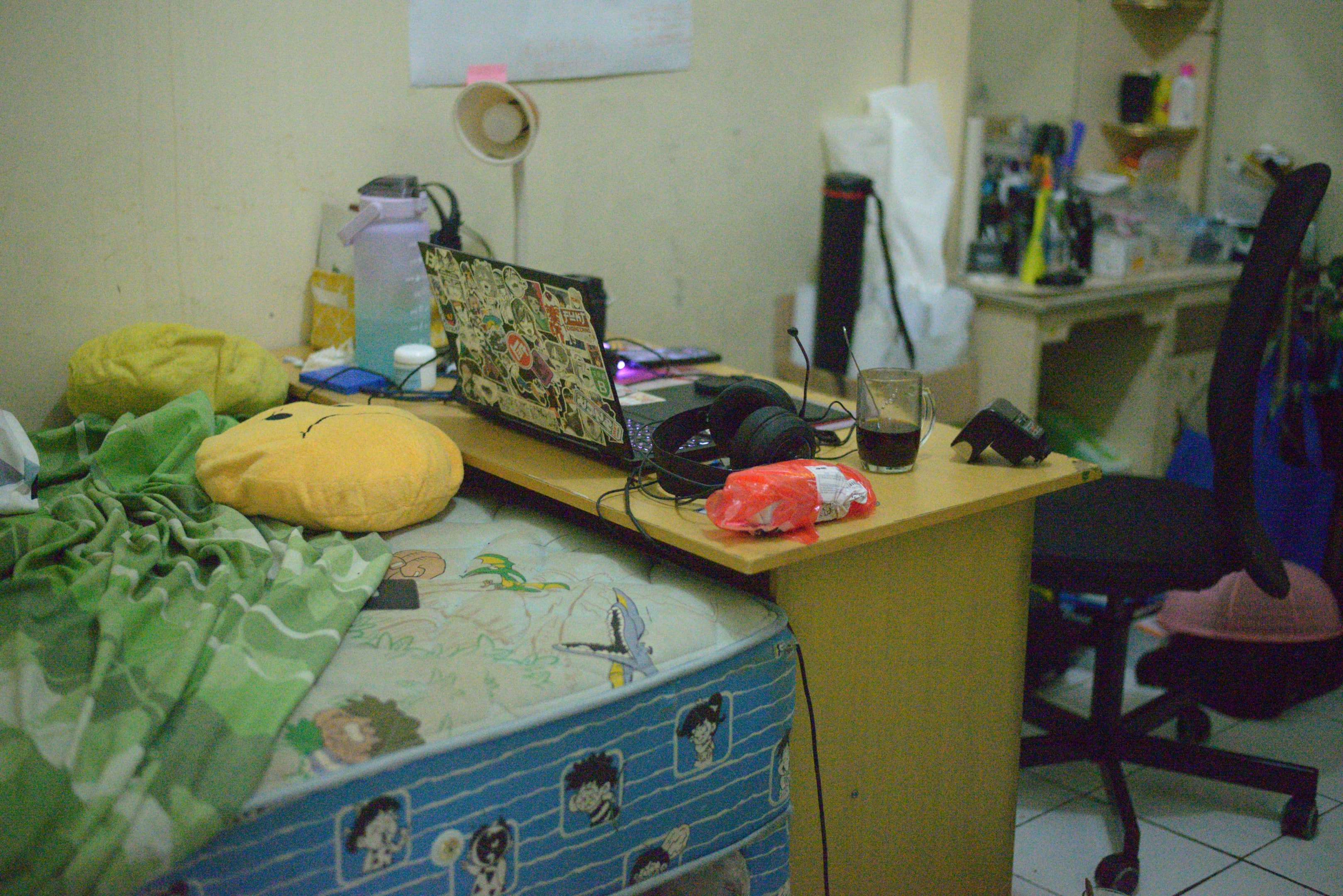
Dishes, cookware, utensils, and small appliances all add to kitchen clutter. Additionally, food and spices contribute to the mess.
Divide the kitchen into zones and focus on one section at a time to effectively organize during decluttering. For example, start with the pantry, then move on to cabinets, and finally tackle the countertops. Organizing kitchen cabinets and storage can drastically improve the functionality of your kitchen space.
Consider using storage solutions like vertical racks and labeled bins to keep everything in its proper place. Make it a habit to replace things right after you’re done using them.
Check out these guides for:
- Decluttering kitchen cabinets
- Decluttering kitchen drawers
- Decluttering the pantry
- Decluttering kitchen countertops
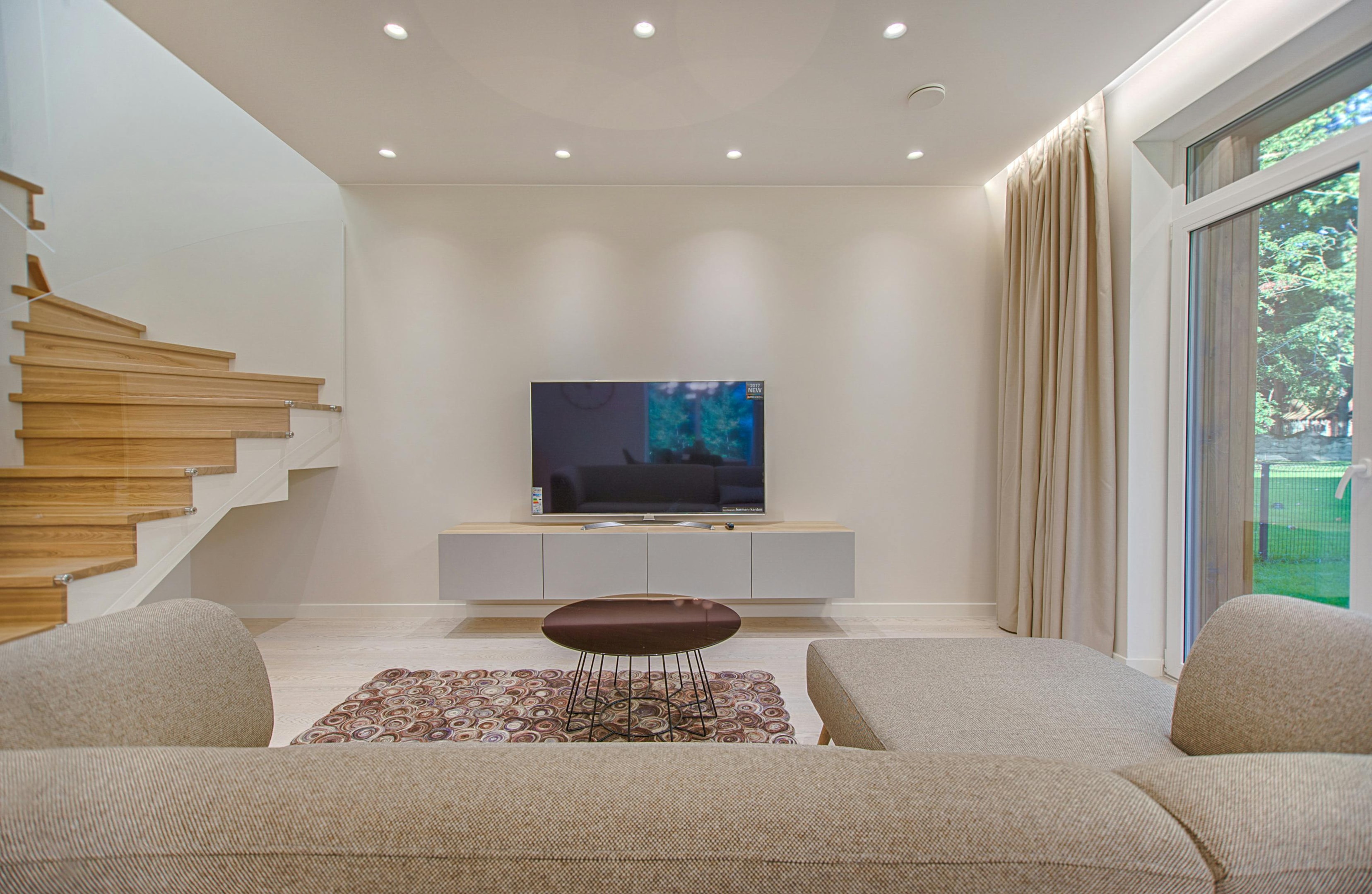
Living room declutter.
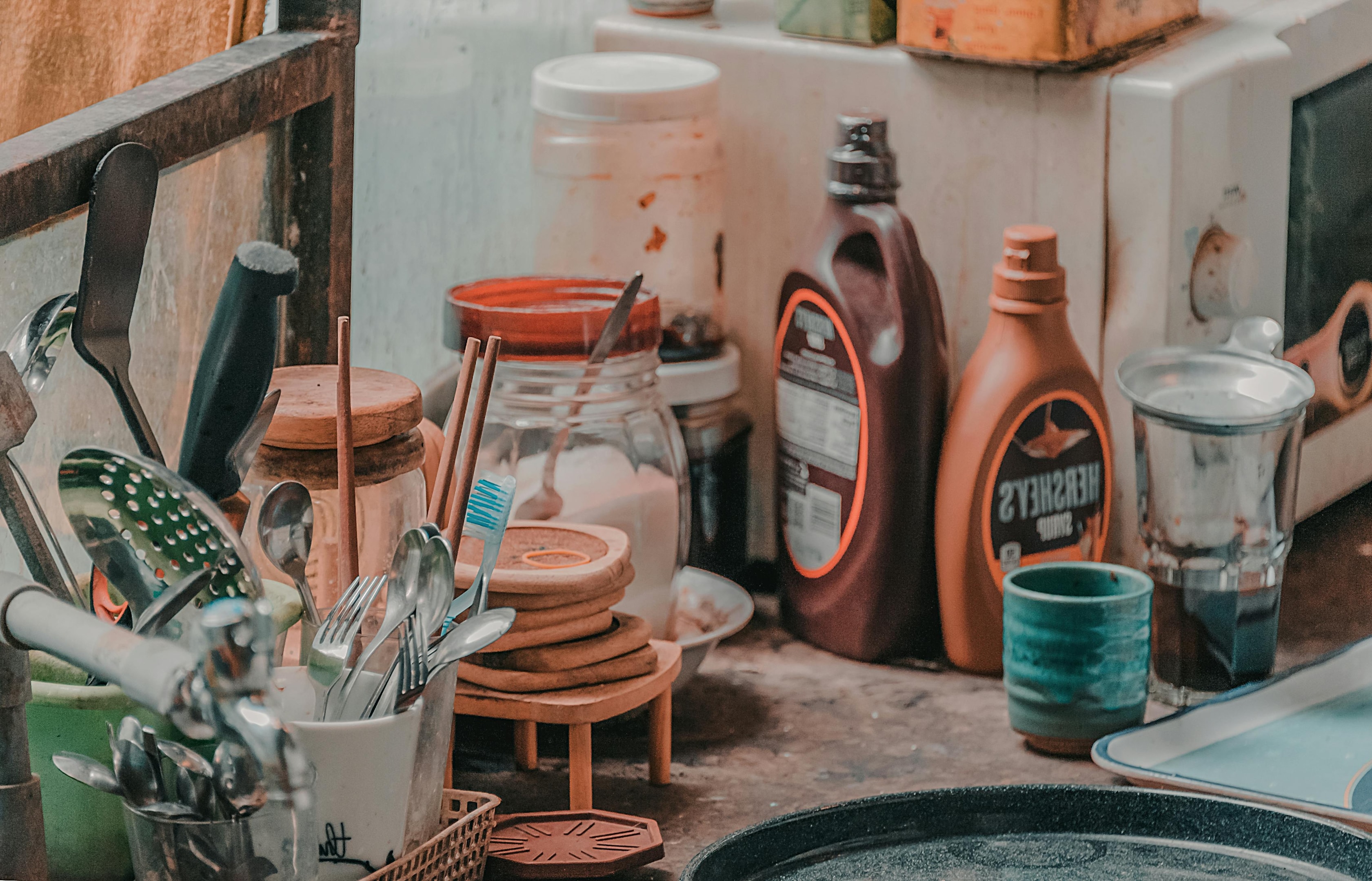
The living room is a prime candidate for clutter. To start, remove items that belong in another room and place them where they go. Sort through surplus entertainment items in the living room and donate or sell those that are no longer needed. Get rid of broken or unused toys to create a more organized space.
The living room is often where excess furniture can collect. Furniture and decor are a strange category to declutter–the fixtures seem permanent, and replacing or removing them can be a pain. But assess the furniture and decor in your spaces to see what’s used, what’s not, and what is making your life harder to navigate. You might even make a couple bucks by selling them off!
A rule I’ve found helpful is–no personal items in common spaces. If it’s just for one family member, it should have a different space to live.
8. Implement daily decluttering habits.
Daily habits are crucial in preventing clutter accumulation. Spending just a few minutes tidying up each day can make a notable difference in keeping your home organized. A recommended strategy is to declutter for 10-15 minutes daily, which helps maintain an organized space. This habit ensures that clutter doesn’t build up over time and makes the decluttering process more manageable.
Placing a donation hamper in your closet encourages regular decluttering and helps you easily dispose of unwanted items. Selling or donating items you no longer need not only clears space but also enhances financial freedom. Getting rid of worn or damaged items immediately prevents them from cluttering. Here are a few specific ideas for daily reducing.
10-minute daily reset.
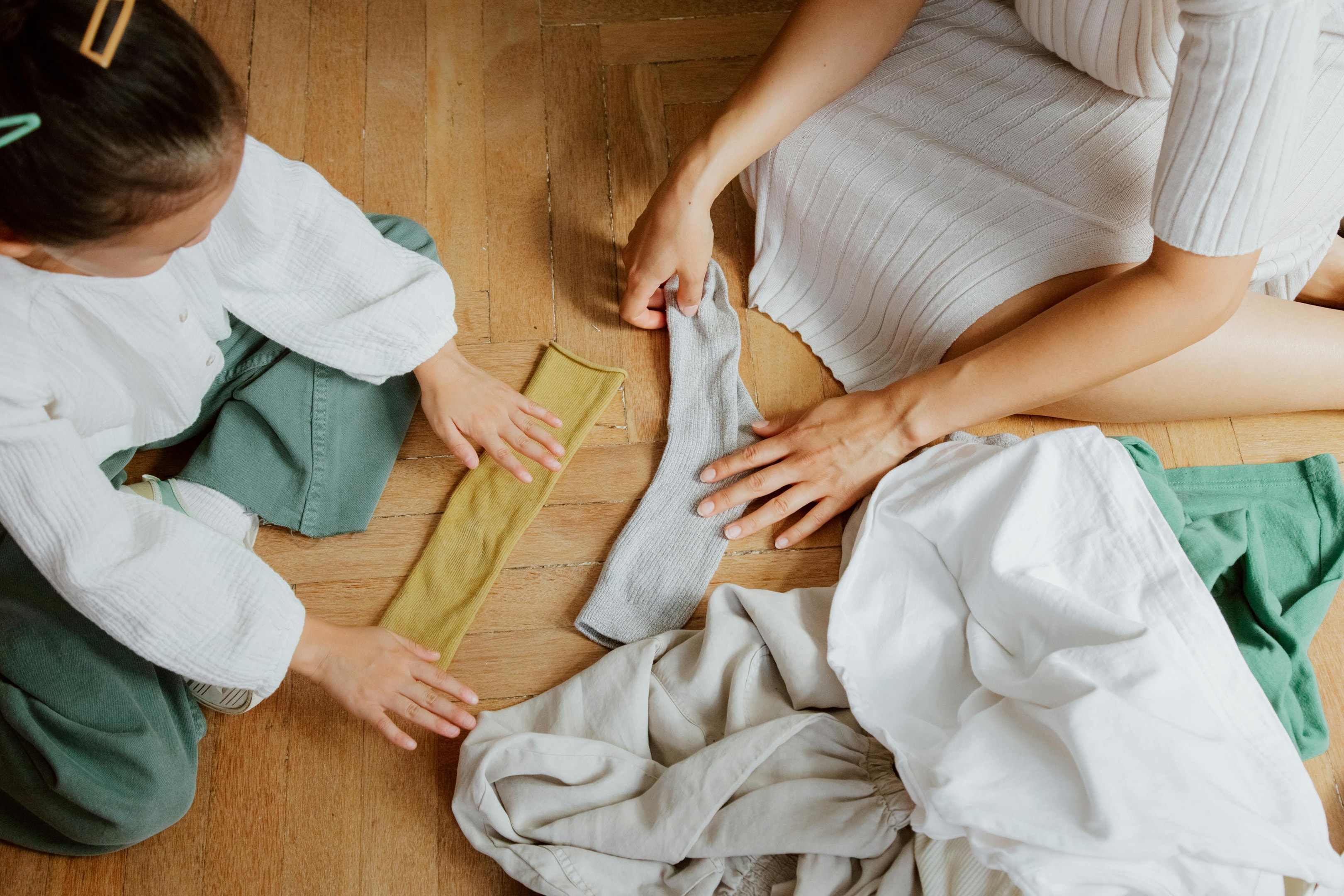
Setting aside just 10 minutes each day can make a notable difference in keeping your home organized. Use this time to wrestle small areas that tend to accumulate clutter, such as a countertop or a drawer.
Dedicating a few minutes each day to purge clutter prevents it from taking over.
One In, One Out Rule.
The main enemy of minimalism is the constant flow of more stuff. The One In, One Out Rule states that for every new item brought into your home, you must remove one existing item. This approach ensures that your possessions do not multiply uncontrollably, maintaining a balanced space. Ideally, you will let go of a similar item to the one you are adding.
Whenever you bring home a new item, make sure to get rid of an older item to maintain balance and free up more space. To continually declutter, create a One In, Two Out Rule!

Regular donation box.
Having a designated donation box encourages ongoing decluttering by providing a clear option for disposal of stuff. A donation box serves as a dedicated space for items you no longer need, simplifying the decluttering process.
Place the donation box in a convenient location, such as near the front door, to make it easy to drop off items regularly.
Tip: Don’t let the donation pile become more clutter! Every time you leave the house, check to see if you’ve got a decent amount to shuttle to your donation center.
Ten-Minute Speedy Decluttering Assignments
Implementing these ideas can help you find some peace, wrangle your excess stuff, and get your life in order. But figuring out what to do first is truly half the battle. For more great tips and decluttering assignments:
Join the mailing list for weekly ten-minute challenges to declutter your home in short, gradual bursts! Remove the need to strategize and figure out where to start by using our easy-to-follow assignments to reduce your unwanted material possessions, get rid of what’s weighing you down, and create the life and home that you want.
